

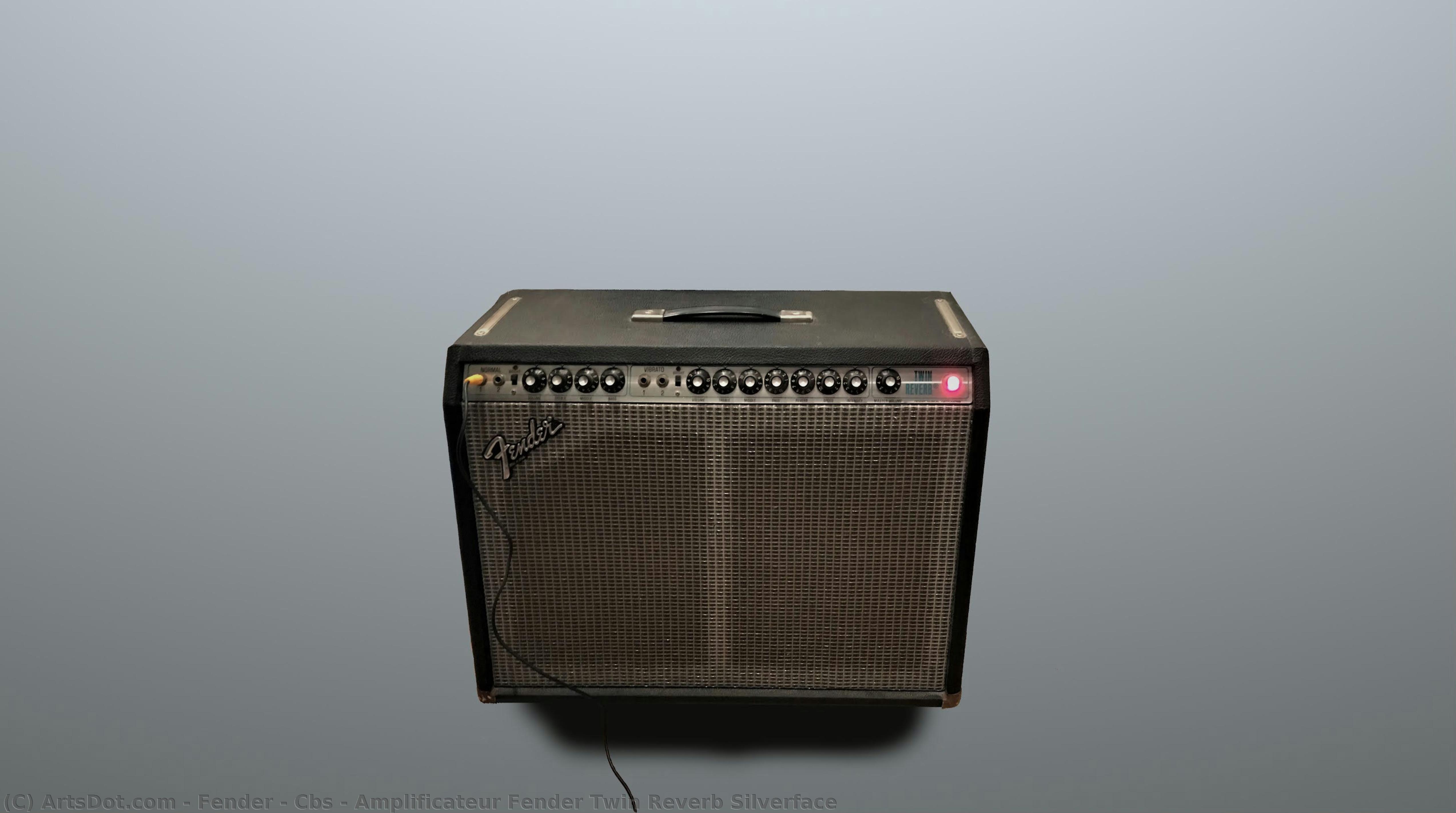
 プレビュー
プレビュー
 シェアする
シェアする シェアする
シェアする
 詳細を見る
詳細を見る

 ダウンロード
 似ている作品
 X線調査
X線調査 スライドショー
 統計情報
統計情報Amplificateur Fender Twin Reverb Silverface


 詳細を見る
詳細を見る
オンラインプレビューをはるかに凌ぐ、高解像度で鮮明なデジタル画像をご購入いただけます。
各ファイルは、社内の専門家が高度なツールと熟練した手作業によるレタッチを用いて、細心の注意を払って準備されています。すべての画像において、卓越した鮮明度、正確な色彩再現性、そして繊細なディテールを保証いたします。
最終ファイルは、プロフェッショナルな編集・印刷環境ですぐにご利用いただけるよう最適化された状態で、72時間以内にメールにてお届けいたします。これは、一流のデザインスタジオ、出版社、ギャラリーから信頼されているものと同等の品質です。
デジタルアート
個人での鑑賞、印刷、クリエイティブなプロジェクト用に、高解像度ファイルをダウンロードできます。 ( プリント版に切り替え 手描きの絵画を購入)
デジタル画像のご注文に付随する特典
高品質なデジタル画像配信を、確かな品質で。
ArtsDot.com を選ぶことは、単に画像を手に入れることではありません。それは、プロの手によって精密に仕上げられ、満足保証が付いた高品質なデジタルアートワークを受け取ることを意味します。ご注文いただいた際に自動的に付随する内容は、以下の通りです:

メールですぐにお届け
ご注文から72時間以内に、高解像度のデジタル画像ファイルがメールでお手元に届きます。すぐにそのままご利用いただけます。

AI技術で最適化されたデジタルファイル
お客様の作品は、高度なAIツールと専門家による手作業の編集を組み合わせてプロフェッショナルに最適化されており、細部のディテール、鮮明さ、そして正確な色再現性を最大限に引き出しています。

一生涯無料の再送サービス
ファイルを誤って削除したり、紛失してしまったりしましたか?ご安心ください。いつでも無料で再送いたします。

輸入手数料は一切かかりません
関税や手数料、配送料を気にすることなく、お気に入りのアートワークをすぐにお楽しみいただけます。デジタルダウンロードは常に免税です。

色彩再現の保証
プロ仕様のツールとカラーマネジメント技術を用いることで、デジタル画像が元の色を最大限に忠実に再現することを保証いたします。

100日間満足保証
ご購入いただいたデジタル画像にご満足いただけない場合は、100日以内であれば、理由を問わず修正または100%の返金対応をさせていただきます。

100% 返金保証
ご満足いただけない場合は、デジタルファイルを受け取ってから100日以内であれば、理由を問わず全額返金いたします。

まとめ買い割引
3枚購入で10%OFF - 5枚購入で15%OFF - 10枚以上購入で20%OFF。クリエイティブなプロジェクト、ギャラリー、エージェンシーに最適です。
関連作品







作家の略歴
The Genesis of an Icon: Leo Fender and the Electric Revolution
Clarence Leonidas “Leo” Fender, a name synonymous with rock ‘n’ roll, country, blues, and countless other genres, wasn't a musician himself. Born in Fullerton, California, his early life revolved around electronics repair and a fascination with dismantling and rebuilding machinery. This practical bent, coupled with an astute understanding of market needs, would ultimately reshape the landscape of modern music. Before Fender guitars graced stages worldwide, he operated a radio repair shop, but even then, the seeds of innovation were being sown. He noticed musicians struggling with the limitations of acoustic instruments – their volume, their fragility, and their difficulty in projecting sound within burgeoning ensembles. This observation sparked an ambition to create something new, something that would amplify not just the sound, but also the possibilities of musical expression. The post-war era was ripe for change, and Leo Fender was poised to deliver it.From Broadcaster to Stratocaster: A Legacy in Wood and Wire
Fender’s initial foray into instrument manufacturing began with lap steel guitars, but his true breakthrough came in 1950 with the Esquire – a solid-body electric guitar that would soon evolve into the iconic Broadcaster. A naming conflict with Gretsch forced a quick rebranding to Telecaster, and thus, a legend was born. The Telecaster wasn’t just a new instrument; it was a paradigm shift. Its simple, functional design, bolt-on neck construction, and bright, twangy tone resonated with country musicians initially, but its versatility quickly attracted players across genres. However, Leo Fender didn't rest on his laurels. He envisioned an even more refined instrument, one that offered greater comfort, playability, and tonal flexibility. This vision culminated in 1954 with the Stratocaster – arguably the most recognizable electric guitar ever created. The contoured body, three pickups, vibrato system, and innovative switching options provided a sonic palette previously unimaginable. The Stratocaster wasn’t merely an instrument; it was an extension of the musician's imagination.CBS Acquisition and Beyond: Maintaining the Flame
In 1965, Fender sold his company to CBS, a move that initially provided resources for expansion but also introduced a period of change and, some argue, compromise. While CBS continued to produce guitars under the Fender name, many purists felt that quality control slipped during this era. Despite these concerns, instruments produced during the CBS years still hold significant value and are sought after by collectors. The company’s influence remained undeniable. The 1980s saw a resurgence of interest in vintage Fender guitars, leading to the reintroduction of classic models and a renewed focus on craftsmanship. Servco Pacific's acquisition of majority ownership in January 2020 signaled another chapter for Fender, promising continued innovation while honoring its rich heritage.Influences and Technical Innovations
Fender’s genius lay not in revolutionary theoretical breakthroughs but in pragmatic problem-solving and a keen understanding of materials and manufacturing processes. He wasn't aiming to reinvent music; he was striving to *facilitate* it. His designs were heavily influenced by the needs of working musicians, prioritizing playability, reliability, and ease of repair. The bolt-on neck construction, for example, allowed for easy replacement in case of damage – a feature unheard of at the time.- Solid Body Construction: Eliminated feedback issues common with hollow-body guitars.
- Three Single-Coil Pickups: Provided a wide range of tonal possibilities, from bright and crisp to warm and mellow.
- Contoured Body Design: Enhanced player comfort for extended playing sessions.
- Vibrato System: Allowed for expressive pitch bending and shimmering effects.
Historical Significance and Enduring Impact
Leo Fender's impact on music is immeasurable. His instruments became the tools of choice for generations of guitar heroes – Buddy Holly, Jimi Hendrix, Eric Clapton, Jeff Beck, Stevie Ray Vaughan, and countless others. The Stratocaster and Telecaster aren’t just guitars; they are cultural icons, symbols of rebellion, innovation, and artistic expression. They have appeared on countless recordings, shaped the sound of entire genres, and continue to inspire musicians today. Fender didn't simply build instruments; he built a legacy. His commitment to accessibility, affordability, and quality democratized music-making, empowering aspiring artists around the world. Even after his death in 1991, the Fender name continues to represent the pinnacle of electric guitar design, a testament to the enduring power of innovation and the transformative potential of a single visionary’s dream.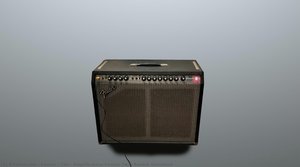
fender / cbs
United States of America
プロフィール概要
- Artistic Movement Or Style: Electric Guitar Design
- Artists Or Movements Influenced By This Artist: ['Rock and Roll']
- Artists Who Influenced This Artist:
- George Beauchamp
- Lloyd Arvin
- Date Of Birth: 1909-04-05
- Date Of Death: 1991-01-21
- Full Name: Clarence Leonidas "Leo" Fender
- Nationality: American
- Notable Artworks:
- Stratocaster
- Telecaster
- Place Of Birth: Newbury Park, California