

 プレビュー
プレビュー
 シェアする
シェアする シェアする
シェアする
 詳細を見る
詳細を見る

 ダウンロード
 似ている作品
 X線調査
X線調査 スライドショー
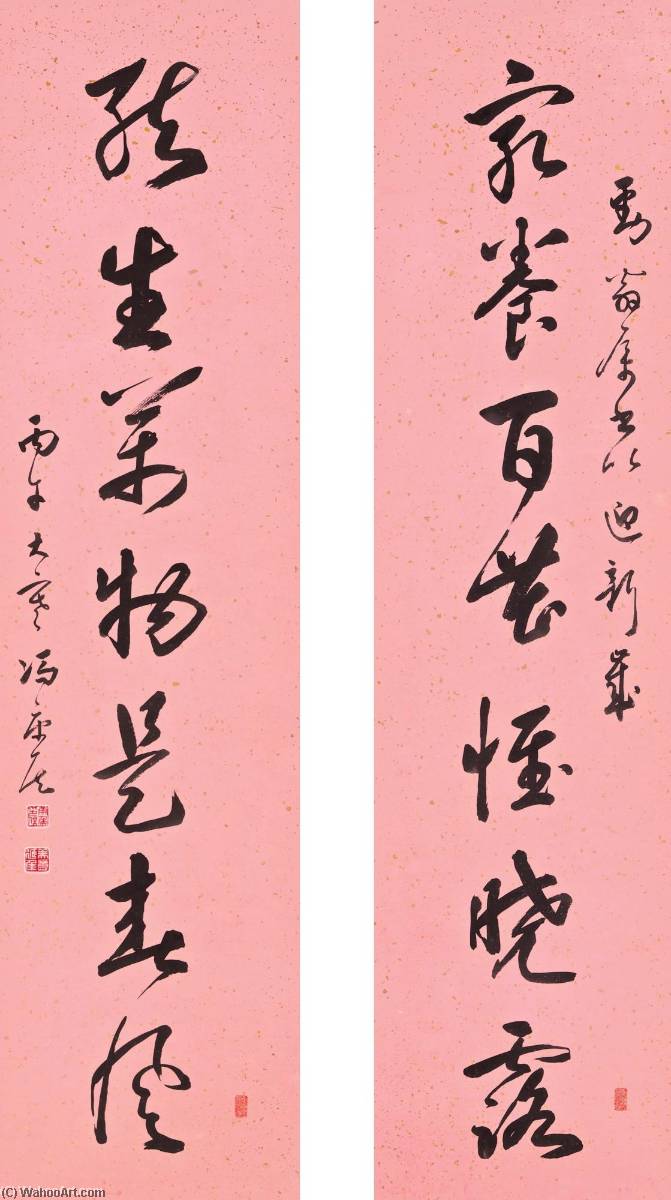
Calligraphy Couplet in Xingshu
 133.0 x 33.0 cm
 詳細を見る
詳細を見る
ジークレー/アートプリント
迅速な制作と多彩な仕上げオプションを備えた、ミュージアムクオリティのジークレーまたはキャンバスプリント。 ( 手描きの絵画を購入 画像を購入)




































作品のオリジナル比率に合わせた、当店の規定サイズからお選びください。

特定のフレームやスペースに合わせて、ご自身でサイズを指定することも可能です。選択されたサイズが元の画像の比率と一致しない場合、作品をトリミングするか、鏡面反射または単色での塗りつぶしによって画像を拡張いたします。制作を開始する前に、ご確認用のデジタルモックアップをお送りいたします。
画面上のプレビューには、実際のトリミングや拡張は反映されませんのでご注意ください。最終的な構図を正確に確認できるのは、モックアップのみとなります。
カスタムサイズも承っておりますが、元の比率を維持するためには、あらかじめ用意されたリストからサイズを選択することをお勧めいたします。


 ガラスオプションは、110cm未満のサイズでのみご利用いただけます。

Calligraphy Couplet in Xingshu
ジークレー/アートプリント
複製画のサイズ
-


合計金額
$ 62
関連作品




アーティストの略歴
The Soul of the Brush: The Life and Legacy of Feng Kanghou
In the rhythmic dance of ink upon paper, one finds the heartbeat of a culture preserved through turbulent centuries. Feng Kanghou (1901–1983), a master whose name resonates with the profound echoes of Chinese tradition, dedicated his life to the revival and modernization of calligraphy. Born in the Shandong Province, his early years were shaped by a landscape of deep historical significance, yet his spirit was forged in the crucible of mid-20th century upheaval. Navigating the complexities of Japanese occupation and the subsequent shifts of Nationalist rule, Kanghou did not merely witness history; he sought to anchor the Chinese identity within the timeless elegance of the brush. While much of his personal biography remains as subtle as a light wash of ink, his artistic presence is monumental, standing as a pillar for those who seek beauty in the ancient scripts of Xingshu, Zhuanshu, and Jinwen.
The artistry of Feng Kanghou was never a solitary pursuit of decoration, but rather a spiritual dialogue with the past. His formative years were steeped in the profound philosophies of Confucian ethics and Daoist naturalism, principles that dictated every stroke of his brush. He understood that calligraphy was not merely writing, but an extension of the artist's character and moral compass. Through rigorous study under the most esteemed calligraphers of his era, he mastered the delicate balance between strength and fluidity. This period of mentorship allowed him to absorb the wisdom of the ancients, ensuring that his technical precision—from the meticulous control of the inkstone to the deliberate pressure of the brush—was infused with a deep, scholarly reverence for the heritage he was destined to protect.
A Stylistic Journey Through Ancient Scripts
The evolution of Kanghou’s hand reflects a breathtaking movement from the monumental to the lyrical. In his early mastery, he was deeply drawn to the Zhuanshu (Seal Script), a style characterized by its architectural grandeur and deliberate, stately spacing. These forms, reminiscent of imperial inscriptions carved into stone, allowed him to evoke the majesty of China's ancient dynasties. However, as his artistic consciousness matured, so too did his technique. He began to embrace the Xingshu (Running Script), a style that demands a more fluid, spontaneous energy. In this transition, the rigid formality of the seal script gave way to a naturalness and grace, where each character flowed into the next like water moving over smooth stones, conveying profound philosophical truths through movement rather than mere structure.
Beyond these two pillars, Kanghou’s exploration of Jinwen (Bronze Script) showcased his unparalleled dedication to the roots of Chinese literacy. By reviving the ancient characters used for ceremonial bronze vessels, he bridged the gap between the archaeological past and the living present. His oeuvre is a rich tapestry of such explorations, featuring:
- Poetic Inscriptions: Works where the rhythm of verse meets the rhythm of the brush, creating a sensory experience of literature in motion.
- Calligraphic Couplets: Masterful pairings of text that utilize the structural balance of Clerical Script and Seal Script to create visual harmony.
- Seasonal Reflections: Artworks such as his "New Year Blossoms," which blend traditional motifs with calligraphic elegance to celebrate cultural continuity.
Historical Significance and Enduring Resonance
The significance of Feng Kanghou extends far beyond the borders of the calligraphy studio. He lived during an era when many traditional arts faced the threat of obsolescence due to rapid modernization and political instability. By championing the ancient scripts, he provided a sense of cultural continuity that was vital to the Chinese spirit. His work served as a bridge, allowing the aesthetic values of the past to survive and find new expression in a changing world. He did not treat calligraphy as a museum piece, but as a living, breathing medium capable of expressing contemporary emotion through ancient forms.
Today, the legacy of Feng Kanghou remains etched in the hearts of scholars and art lovers alike. His ability to marry the monumental weight of Zhuanshu with the effortless grace of Xingshu continues to inspire new generations of calligraphers. To study his work is to witness a master navigating the currents of time, using nothing but ink and paper to ensure that the profound beauty of China's ancestral voice would never be silenced.
feng kanghou
1901 - 1983
基本情報
- Artistic Movement Or Style: Xingshu calligraphy style
- Date Of Death: 1983
- Full Name: Feng Kanghou
- Nationality: Chinese
- Notable Artworks:
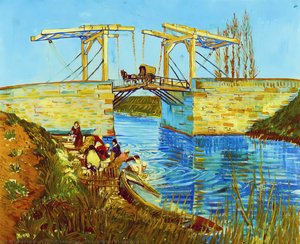
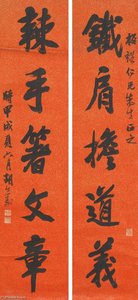
- Calligraphy Couplet in Lishu
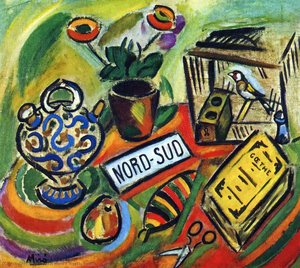
- Calligraphy Couplet in Jinwen
- Place Of Birth: China

