

 プレビュー
プレビュー
 シェアする
シェアする シェアする
シェアする
 詳細を見る
詳細を見る

 ダウンロード
 似ている作品
 X線調査
X線調査 スライドショー
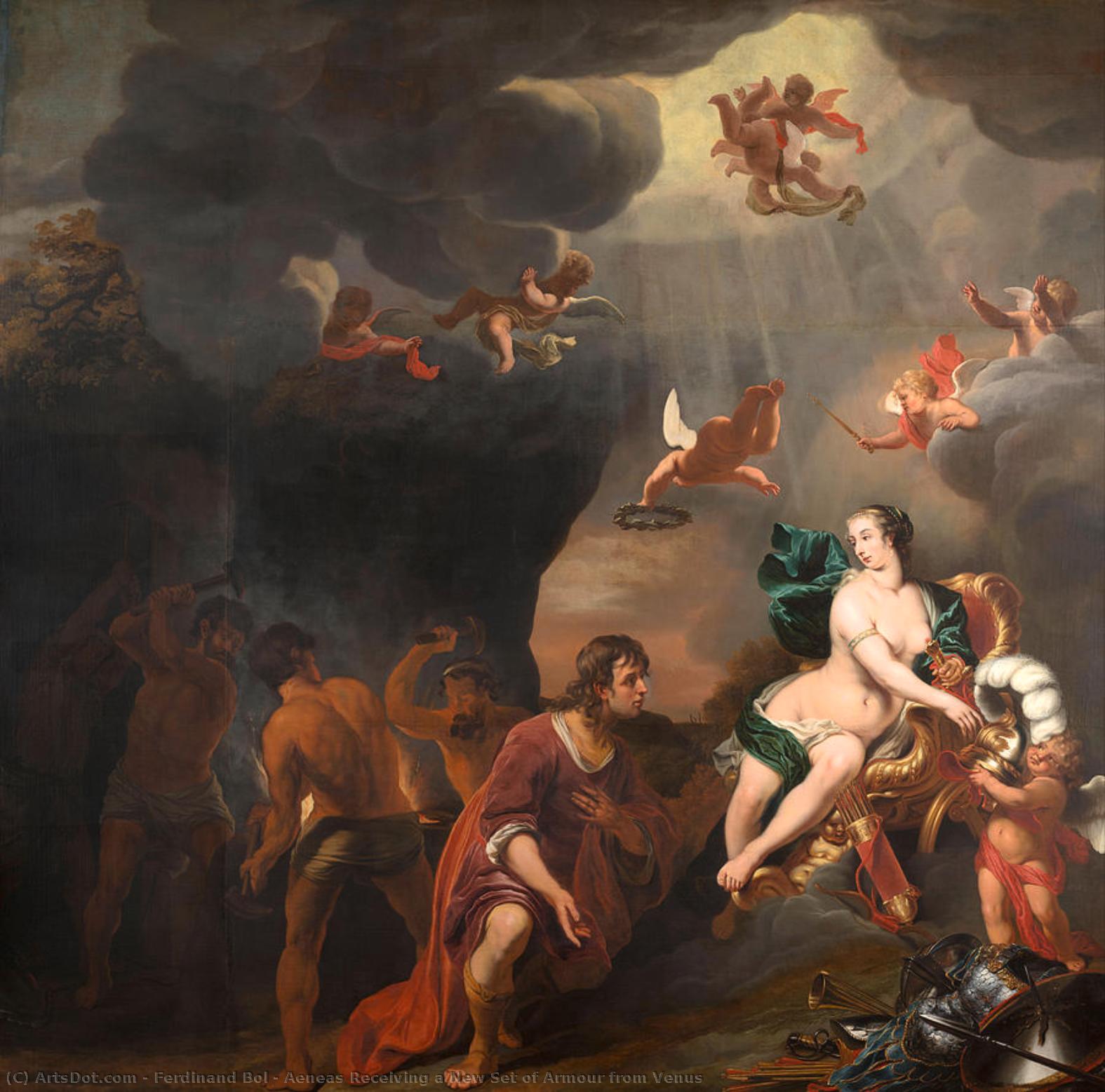
Aeneas Receiving a New Set of Armour from Venus


 詳細を見る
詳細を見る
ジークレー/アートプリント
迅速な制作と多彩な仕上げオプションを備えた、ミュージアムクオリティのジークレーまたはキャンバスプリント。 ( 手描きの絵画を購入 画像を購入)




P118B $10

P118H $10

P118W $10

P438Z $10

P508JH $12

P508YH $12

P805H $10

P805Z $10

P919BZ $10

P919G $10

P919XJ $10

P959ZH $10

P968JZ $12

W106C $8

W218G $10

W218JH $8

W218Y $10

W307PJ $10

W316G $10

W316PJ $8

W316Y $10

W398PJ $8

W4111J $10

W500HY $15

W500JH $15

W692G $12

W849H $8

W940BG $15

W953PJ $8




作品のオリジナル比率に合わせた、当店の規定サイズからお選びください。

特定のフレームやスペースに合わせて、ご自身でサイズを指定することも可能です。選択されたサイズが元の画像の比率と一致しない場合、作品をトリミングするか、鏡面反射または単色での塗りつぶしによって画像を拡張いたします。制作を開始する前に、ご確認用のデジタルモックアップをお送りいたします。
画面上のプレビューには、実際のトリミングや拡張は反映されませんのでご注意ください。最終的な構図を正確に確認できるのは、モックアップのみとなります。
カスタムサイズも承っておりますが、元の比率を維持するためには、あらかじめ用意されたリストからサイズを選択することをお勧めいたします。


 ガラスオプションは、110cm未満のサイズでのみご利用いただけます。

Aeneas Receiving a New Set of Armour from Venus
ジークレー/アートプリント
複製画のサイズ
-


合計金額
$ 62
A Deep Dive into Ferdinand Bol’s “Aeneas Receiving Armour from Venus”
Ferdinand Bol, a figure often overshadowed by the titans of Dutch Baroque – Rembrandt and Vermeer – deserves recognition as a pivotal artist whose contribution to the era's artistic landscape remains profoundly significant. Born in Dordrecht in 1616, Bol’s formative years were inextricably linked with Rembrandt’s legacy, spending time honing his craft within the master’s studio during a period of immense artistic innovation. This apprenticeship wasn’t merely about absorbing stylistic influences; it instilled a meticulous approach to observation and representation that would characterize Bol's entire oeuvre. While initial assessments suggested an almost slavish adherence to Rembrandt’s style – a point debated by scholars today – Bol swiftly established his own distinctive voice, demonstrating remarkable independence and intellectual curiosity. His artistic journey wasn’t simply about imitation; it was about transforming Rembrandt’s techniques into something entirely new, imbued with Bol's personal vision.The Painting: A Narrative Embodied in Colour
“Aeneas Receiving Armour from Venus,” painted circa 1660-1663, exemplifies Bol’s masterful command of Baroque aesthetics and storytelling. The artwork depicts the mythological hero Aeneas accepting a new suit of armour bestowed upon him by Venus, goddess of love and beauty – a pivotal moment in Virgil's *Aeneid*, recounting the founding of Rome after the Trojan War. Bol skillfully captures this dramatic scene with meticulous detail, prioritizing psychological realism alongside opulent visual splendor. The composition is carefully balanced, drawing the viewer’s eye towards Venus, positioned prominently on a chair, her gaze fixed upon Aeneas. Supporting figures surround him, conveying an atmosphere of reverence and anticipation. Notice Bol's masterful use of chiaroscuro – dramatic contrasts between light and shadow – which sculpts the forms of the characters and imbues the scene with palpable emotion. The vibrant greens dominating Venus’ attire subtly underscore themes of fertility and renewal, mirroring the mythological narrative itself.Technique and Artistic Innovation
Bol's technique distinguishes him from many of his contemporaries. Unlike Rembrandt’s looser brushstrokes, Bol favored a more controlled approach, achieving remarkable smoothness and tonal gradation through layering thin glazes – a technique perfected during his time with Rembrandt. This meticulous process allowed for unparalleled subtlety in capturing textures and conveying mood. Bol’s palette is rich and luminous, reflecting the influence of Caravaggio's dramatic lighting effects. However, Bol transcends mere stylistic borrowing; he adapts these techniques to create an image that feels uniquely his own. The artist’s attention to anatomical accuracy – a hallmark of Rembrandt’s work – is evident throughout the painting, demonstrating Bol’s dedication to portraying human form with precision and grace.Symbolism: Divine Favor and Heroic Transformation
Beyond its visual beauty, “Aeneas Receiving Armour from Venus” resonates with profound symbolic meaning. Venus represents divine providence—the benevolent intervention of the gods ensuring Aeneas’s success in establishing Rome. The armour symbolizes protection, strength, and readiness for battle – mirroring Aeneas's arduous journey to rebuild civilization after the devastation of Troy. Bol skillfully communicates these concepts through gesture, expression, and visual cues, inviting contemplation on themes of faith, courage, and destiny. The serene countenance of Venus contrasts sharply with the solemn posture of Aeneas, highlighting the transformative power of divine grace upon mortal ambition.Emotional Impact: Capturing the Sublime
Ultimately, Bol’s “Aeneas Receiving Armour from Venus” succeeds in conveying a sense of sublime grandeur—a feeling of awe and wonder inspired by encountering something transcendent. The painting's luminous colours, masterful composition, and expressive depiction of human emotion combine to create an experience that lingers long after viewing. It speaks to the enduring fascination with mythology and heroism, reminding us of the transformative potential inherent in confronting adversity with unwavering resolve. Bol’s masterpiece stands as a testament to the power of art to illuminate both beauty and profound philosophical inquiry—a legacy deserving of continued appreciation and scholarly investigation.関連作品

アーティストの略歴
忘れられた巨匠、フェルディナント・ボル
フェルディナント・ボル。レンブラント・ファン・レインやヨハネス・フェルメールといった同時代の輝かしい画家たちほど広く知られていない名前かもしれませんが、17世紀オランダ絵画の分野において、無視できない重要な位置を占めています。1616年にドルトレヒトで生まれたボルの芸術的旅は、師であるレンブラントと深く結びついており、そのアムステルダムのアトリエで形成期に弟子として修行しました。この師事は彼のスタイルに大きな影響を与え、初期の作品はレンブラントに非常に似ていたため、ベテランの専門家でも帰属を判断するのが難しいほどでした。しかし、ボルを単なる模倣者と決めつけることは、彼自身のユニークな芸術的声と卓越した才能を損なうことになります。彼の幼少期は、技術的な輝きと進化する様式的な独立性によって特徴づけられたキャリアの基礎を築きました。初期の訓練に関する詳細はほとんど不明ですが、ヤコブ・キュープによるドルトレヒトでの指導や、アブラハム・ブロメールによるユトレヒトでの指導などが考えられますが、レンブラントとの出会いが決定的な転換点となり、バロック様式の特徴である劇的な照明、心理的な深み、そして巧みな筆致に浸ることができました。レンブラントの影から独立したビジョンへ
ボルの芸術的発展は、忠実な模倣から始まり、徐々に独自の個性的なスタイルへと開花していくという興味深い軌跡を辿ることができます。初期の作品では、レンブラントの影響は否定できません。構図はしばしば師の作品を彷彿とさせ、同様のキアロスクーロの効果や、激しい感情的または心理的なドラマの中で人物を描く傾向が見られます。しかし、ボルが成熟するにつれて、彼は技術を磨き上げ、明瞭さ、優雅さ、そして洗練されたディテールへのより大きな重点を置くようになりました。彼のパレットは明るくなり、彼の人物像はより研ぎ澄まされ、貴族的な雰囲気を帯びていきました。この変化は特に彼の肖像画に顕著であり、アムステルダムの裕福なエリート層からますます求められるようになりました。彼はすぐにアムステルダムの芸術コミュニティで頭角を現し、1652年に市民権を取得し、海軍省やワイン商組合とのつながりを持つ家庭と結婚しました。これらの関係は、名誉ある依頼を獲得するのに間違いなく貢献したでしょう。注目すべきことに、彼はヤコブ・ファン・カンペンの設計による新しいアムステルダム市庁舎の暖炉を注文を受けました。これは彼の高まる評判と芸術的地位の証です。彼はまた、ゴドフリー・クネラーなど、自身の弟子も育てました。クネラーは後にイギリスの肖像画家として名を馳せることになります。歴史的物語と肖像画:多様な作品群
ボルの作品群は驚くほど多様で、歴史的な主題、肖像画、*トロニー*(性格研究)、さらには風景要素も含まれています。彼は特に大規模な歴史画に才能を発揮し、壮大さと劇的な緊張感を与えました。現在は博物館のコレクションにあるクラウディウス・キウィリスとクイントゥス・ペティリウス・ケレアリス間の橋の破壊された橋での和平交渉は、彼が複雑な物語を説得力のある視覚的インパクトで表現する能力を示す好例です。この絵画は、彼の構図と遠近法の習熟度だけでなく、表現豊かなジェスチャーや細心の注意を払って描かれたディテールを通して、歴史的な出来事の重みを伝える能力を示しています。しかし、ボルが真に才能を発揮したのは肖像画の分野かもしれません。彼は被写体の容姿をとらえる並外れた能力を持っており、同時に彼らの内面的な性格と社会的地位を明らかにしました。彼の肖像画は洗練された優雅さと心理的な洞察力によって特徴づけられ、アムステルダムの著名な市民の生活や個性に垣間見ることができます。ワルシャワ国立博物館に所蔵されている黄金のヘルメットをかぶった男(マルス)は、この才能を例証しており、権威と脆弱さを兼ね備えた人物像が描かれています。遺産と再発見
ボルの生涯における成功にもかかわらず、彼の評判は1680年の死後には著しく衰えました。彼の作品はしばしばレンブラントに誤って帰属され、オランダ黄金時代の絵画への彼の個々の貢献が曖昧になりました。20世紀になって初めて、彼の作品を再評価し、彼をそれ自身の権利を持つ重要な芸術家として確立するための組織的な努力が開始されました。今日、学術者やコレクターはますますボルの作品のユニークな資質—巧みな技術、進化する様式的な独立性、そして被写体の外見と内面的な生活の両方を捉える能力—を認識しています。彼の制作量は同時代作家と比較して比較的少ないですが、現存する絵画は17世紀アムステルダムの芸術的および文化的景観への魅力的な窓を提供します。彼の遺産は今も賞賛と興味を引き続き刺激し、かつて忘れられていたこの巨匠が今後何世代にもわたって再発見され、高く評価されることを保証しています。アムステルダムのファン・ローン美術館やレンブラントハウスミュージアムでは、彼を形作った時代の中で彼の作品に触れる機会があります。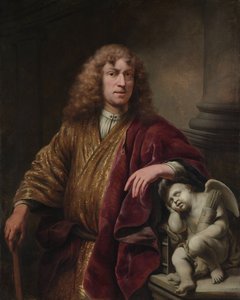
フェルディナント・ボル
1616 - 1680 , オランダ
基本情報
- Artistic Movement Or Style: バロック絵画
- Artists Or Movements Influenced By This Artist: ['コルネリス・ビスホップ']
- Artists Who Influenced This Artist: ['レンブラント']
- Date Of Birth: 1616年6月24日
- Date Of Death: 1680年8月24日
- Full Name: フェルディナント・ボル
- Nationality: オランダ人
- Notable Artworks:
- 平和交渉…
- ピュルスの…
- 黄金の兜の男
- 統治者たち…
- Place Of Birth (City And Country): オランダ、ドルトレヒト
関連記事

レンブラント傑作25選:光と影の巨匠、魂を揺さぶる名画の世界 | ArtsDot
レンブラントの傑作25選。光と影の魔術師が描いた魂を揺さぶる名画の世界へ。美術史に残る自画像、夜警、宗教画…ArtsDotで高品質なアートプリントやインテリアアートをお楽しみください。コレクションはこちら→
Ferdinand Bol (1616-1680): A Dutch Master of Portraiture & Dramatic Light
Explore the captivating world of Ferdinand Bol (1616-1680), a master Dutch portraitist deeply influenced by Rembrandt. Discover his life, style, and enduring legacy with ArtsDot.

Dutch Baroque Masters: 10 Paintings That Shaped an Era | ArtsDot
Journey through the Golden Age with our guide to the Top 10 Dutch Baroque masterpieces! Explore iconic paintings by Rembrandt, Vermeer & Frans Hals. Find museum-quality art reproductions and elevate your home decor at ArtsDot.com.
【厳選】アムステルダム国立美術館の至宝25選:名画とアートの世界へ | ArtsDot
アムステルダム国立美術館の至宝25選。レンブラント、フェルメールなど巨匠の名画を紐解き、バロック絵画からダッチ・ゴールデンエイジまで、アートの世界へ誘う旅。ArtsDotで高品質な複製画とインテリアアートを見つけましょう。全コレクションはこちら。

バロック美術を極めた至宝:時代を彩る10大名作の世界
バロック美術の華!カラヴァッジョ、ベルニーニら巨匠が創り上げた10大名作を徹底解剖。ドラマチックな色彩と豪華絢爛の世界観に触れ、至宝のアートプリントで空間を彩ろう。ArtsDot.comで美術館品質の複製と洗練されたインテリアを見つけましょう!