

 プレビュー
プレビュー
 プリントを購入
 シェアする
シェアする シェアする
シェアする
 詳細を見る
詳細を見る

 ダウンロード
 似ている作品
 X線調査
X線調査 スライドショー
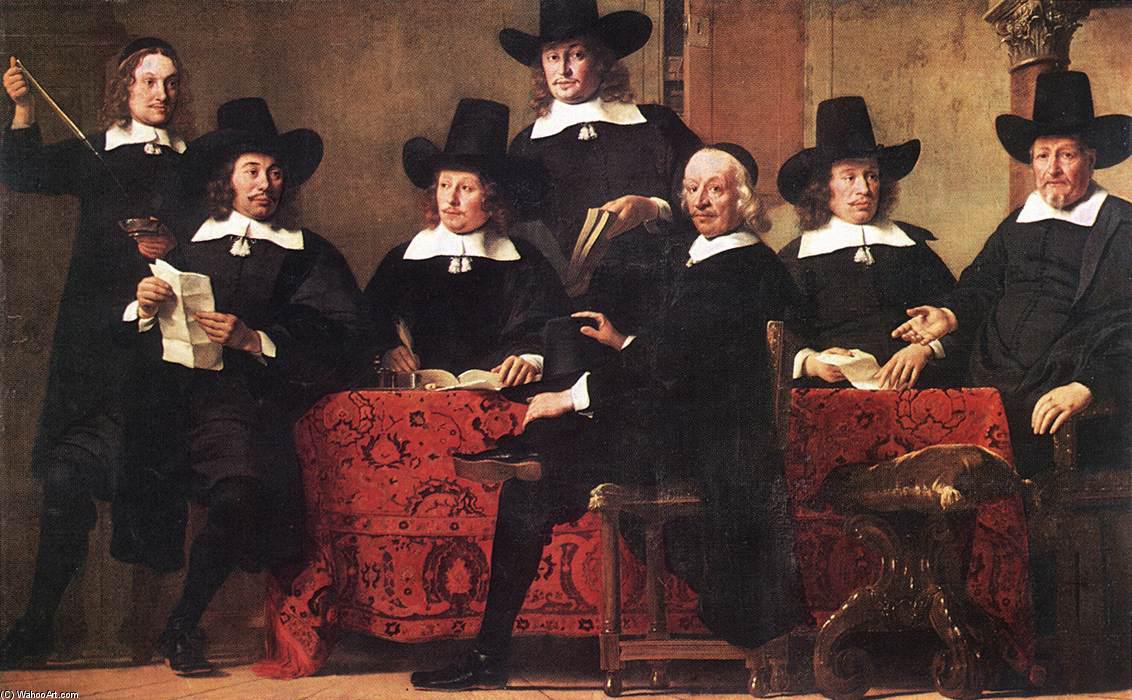
Governors of the Wine Merchant's Guild
 Oil On Canvas
- WallArt
- Dutch Golden Age
 193.0 x 305.0 cm
 アルテ・ピナコテーク
 詳細を見る
詳細を見る




P118B $10

P118H $10

P118W $10

P438Z $10

P508JH $12

P508YH $12

P805H $10

P805Z $10

P919BZ $10

P919G $10

P919XJ $10

P959ZH $10

P968JZ $12

W106C $8

W218G $10

W218JH $8

W218Y $10

W307PJ $10

W316G $10

W316PJ $8

W316Y $10

W398PJ $8

W4111J $10

W500HY $15

W500JH $15

W692G $12

W849H $8

W940BG $15

W953PJ $8




作品のオリジナル比率に合わせた、当店の規定サイズからお選びください。

特定のフレームやスペースに合わせて、ご希望のサイズをご入力いただけます。選択されたサイズが元の画像の比率と異なる場合、アートワークをトリミングするか、手描きで要素を追加して絵画を拡張いたします。デジタルモックアップ を制作し、制作開始前にご確認(承認)をいただきます。
画面上のプレビューは、実際のトリミングや拡張を正確に反映しているものではありません。最終的な構図は、モックアップによってのみ正確にご確認いただけます。
カスタムサイズもご利用いただけますが、元の比率を維持するためには、あらかじめ用意されたリストからサイズを選択することをお勧めいたします。
ご注文後、ArtsDot.com チームより詳細な指示をお送りするとともに、仕上がりイメージ(モックアップ)をご提供いたします。


 ガラスオプションは、110cm未満のサイズでのみご利用いただけます。

Governors of the Wine Merchant's Guild
複製技法
複製画のサイズ
-


合計金額
$ 263
作品解説
A Portrait of Power and Piety: Ferdinand Bol’s “Governors of the Wine Merchant’s Guild”
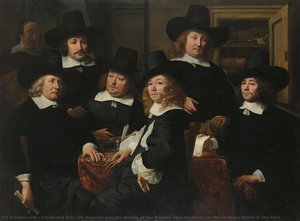
Ferdinand Bol's "Governors of the Wine Merchant’s Guild," painted circa 1648, is more than just a depiction of seven men seated around a table; it’s a meticulously crafted window into the heart of 17th-century Amsterdam and the intricate world of merchant guilds. This monumental oil painting, measuring an impressive 193 x 305 cm, immediately commands attention with its dramatic lighting, symmetrical composition, and the profound seriousness etched on the faces of its subjects. Bol, a student of Rembrandt’s, masterfully employs the painterly techniques learned from his mentor, creating a scene brimming with both realism and an almost theatrical intensity.
The painting centers around these figures – men dressed in the somber black robes and hats characteristic of religious or scholarly groups – who were undoubtedly influential members of Amsterdam’s Wine Merchant’s Guild. Their attire speaks volumes about their status, signifying piety, authority, and a commitment to upholding the guild's regulations. The table before them is laden with books, papers, and partially consumed goblets, suggesting an atmosphere of intellectual pursuit alongside the practicalities of trade. Bol doesn’t simply portray these men; he captures a moment of deliberation, a quiet contemplation amidst the weighty responsibilities of leadership.
The Rembrandt Influence: Light, Shadow, and Texture
Bol's artistic lineage is undeniably rooted in Rembrandt’s style, yet “Governors of the Wine Merchant’s Guild” possesses a distinct character that transcends mere imitation. Like Rembrandt, Bol was a master of light and shadow, utilizing chiaroscuro – the dramatic contrast between light and dark – to sculpt the figures and imbue the scene with depth and emotion. The unseen source of illumination casts long, powerful shadows across their faces and clothing, emphasizing textures and creating a sense of volume that is remarkably tactile.
Furthermore, Bol’s meticulous attention to detail is evident in the rendering of fabrics – the rich folds of the robes, the sheen of the hats, the texture of the leather belts. He employs layering techniques, building up color gradually to achieve an astonishing level of realism. This painstaking approach, combined with his understanding of anatomy and perspective, results in a portrait that feels both historically accurate and emotionally resonant.
Symbolism and Context: A Window into Dutch Society
Beyond the immediate depiction of the guild members, “Governors of the Wine Merchant’s Guild” offers a glimpse into the social and economic fabric of 17th-century Amsterdam. The guild system was a cornerstone of the city's prosperity, regulating trade, ensuring quality control, and providing mutual support to its members. These men weren’t simply merchants; they were guardians of tradition, upholders of order, and representatives of a powerful civic institution.
The painting’s creation coincided with a period of significant economic growth in the Dutch Republic – a time of burgeoning trade, scientific discovery, and artistic innovation. The guild system played a crucial role in fostering this prosperity, channeling resources and expertise towards collective goals. Bol's portrait serves as a visual testament to the importance of these institutions in shaping the cultural and economic landscape of Amsterdam.
A Timeless Masterpiece: Reproduction and Legacy
Ferdinand Bol’s “Governors of the Wine Merchant’s Guild” is a rare and valuable work, offering a captivating window into a pivotal moment in Dutch history. Today, ArtsDot offers high-quality reproductions that faithfully capture the painting's original beauty and detail. These meticulously crafted prints allow art lovers to experience Bol’s masterful technique and evocative storytelling within their own homes or offices.
Whether you are an avid collector, a design enthusiast seeking inspiration, or simply someone who appreciates exceptional artistry, “Governors of the Wine Merchant’s Guild” remains a timeless masterpiece – a testament to the power of portraiture to capture not only likeness but also character, status, and the spirit of an era.
関連作品
アーティストの略歴
忘れられた巨匠、フェルディナント・ボル
フェルディナント・ボル。レンブラント・ファン・レインやヨハネス・フェルメールといった同時代の輝かしい画家たちほど広く知られていない名前かもしれませんが、17世紀オランダ絵画の分野において、無視できない重要な位置を占めています。1616年にドルトレヒトで生まれたボルの芸術的旅は、師であるレンブラントと深く結びついており、そのアムステルダムのアトリエで形成期に弟子として修行しました。この師事は彼のスタイルに大きな影響を与え、初期の作品はレンブラントに非常に似ていたため、ベテランの専門家でも帰属を判断するのが難しいほどでした。しかし、ボルを単なる模倣者と決めつけることは、彼自身のユニークな芸術的声と卓越した才能を損なうことになります。彼の幼少期は、技術的な輝きと進化する様式的な独立性によって特徴づけられたキャリアの基礎を築きました。初期の訓練に関する詳細はほとんど不明ですが、ヤコブ・キュープによるドルトレヒトでの指導や、アブラハム・ブロメールによるユトレヒトでの指導などが考えられますが、レンブラントとの出会いが決定的な転換点となり、バロック様式の特徴である劇的な照明、心理的な深み、そして巧みな筆致に浸ることができました。レンブラントの影から独立したビジョンへ
ボルの芸術的発展は、忠実な模倣から始まり、徐々に独自の個性的なスタイルへと開花していくという興味深い軌跡を辿ることができます。初期の作品では、レンブラントの影響は否定できません。構図はしばしば師の作品を彷彿とさせ、同様のキアロスクーロの効果や、激しい感情的または心理的なドラマの中で人物を描く傾向が見られます。しかし、ボルが成熟するにつれて、彼は技術を磨き上げ、明瞭さ、優雅さ、そして洗練されたディテールへのより大きな重点を置くようになりました。彼のパレットは明るくなり、彼の人物像はより研ぎ澄まされ、貴族的な雰囲気を帯びていきました。この変化は特に彼の肖像画に顕著であり、アムステルダムの裕福なエリート層からますます求められるようになりました。彼はすぐにアムステルダムの芸術コミュニティで頭角を現し、1652年に市民権を取得し、海軍省やワイン商組合とのつながりを持つ家庭と結婚しました。これらの関係は、名誉ある依頼を獲得するのに間違いなく貢献したでしょう。注目すべきことに、彼はヤコブ・ファン・カンペンの設計による新しいアムステルダム市庁舎の暖炉を注文を受けました。これは彼の高まる評判と芸術的地位の証です。彼はまた、ゴドフリー・クネラーなど、自身の弟子も育てました。クネラーは後にイギリスの肖像画家として名を馳せることになります。歴史的物語と肖像画:多様な作品群
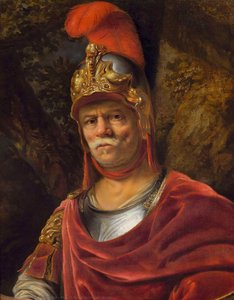
ボルの作品群は驚くほど多様で、歴史的な主題、肖像画、*トロニー*(性格研究)、さらには風景要素も含まれています。彼は特に大規模な歴史画に才能を発揮し、壮大さと劇的な緊張感を与えました。現在は博物館のコレクションにあるクラウディウス・キウィリスとクイントゥス・ペティリウス・ケレアリス間の橋の破壊された橋での和平交渉は、彼が複雑な物語を説得力のある視覚的インパクトで表現する能力を示す好例です。この絵画は、彼の構図と遠近法の習熟度だけでなく、表現豊かなジェスチャーや細心の注意を払って描かれたディテールを通して、歴史的な出来事の重みを伝える能力を示しています。しかし、ボルが真に才能を発揮したのは肖像画の分野かもしれません。彼は被写体の容姿をとらえる並外れた能力を持っており、同時に彼らの内面的な性格と社会的地位を明らかにしました。彼の肖像画は洗練された優雅さと心理的な洞察力によって特徴づけられ、アムステルダムの著名な市民の生活や個性に垣間見ることができます。ワルシャワ国立博物館に所蔵されている黄金のヘルメットをかぶった男(マルス)は、この才能を例証しており、権威と脆弱さを兼ね備えた人物像が描かれています。遺産と再発見
ボルの生涯における成功にもかかわらず、彼の評判は1680年の死後には著しく衰えました。彼の作品はしばしばレンブラントに誤って帰属され、オランダ黄金時代の絵画への彼の個々の貢献が曖昧になりました。20世紀になって初めて、彼の作品を再評価し、彼をそれ自身の権利を持つ重要な芸術家として確立するための組織的な努力が開始されました。今日、学術者やコレクターはますますボルの作品のユニークな資質—巧みな技術、進化する様式的な独立性、そして被写体の外見と内面的な生活の両方を捉える能力—を認識しています。彼の制作量は同時代作家と比較して比較的少ないですが、現存する絵画は17世紀アムステルダムの芸術的および文化的景観への魅力的な窓を提供します。彼の遺産は今も賞賛と興味を引き続き刺激し、かつて忘れられていたこの巨匠が今後何世代にもわたって再発見され、高く評価されることを保証しています。アムステルダムのファン・ローン美術館やレンブラントハウスミュージアムでは、彼を形作った時代の中で彼の作品に触れる機会があります。
フェルディナント・ボル
1616 - 1680 , オランダ
基本情報
- Artistic Movement Or Style: バロック絵画
- Artists Or Movements Influenced By This Artist: ['コルネリス・ビスホップ']
- Artists Who Influenced This Artist: ['レンブラント']
- Date Of Birth: 1616年6月24日
- Date Of Death: 1680年8月24日
- Full Name: フェルディナント・ボル
- Nationality: オランダ人
- Notable Artworks:
- 平和交渉…
- ピュルスの…
- 黄金の兜の男
- 統治者たち…
- Place Of Birth (City And Country): オランダ、ドルトレヒト
関連記事

黄金世紀の巨匠たち:バロック絵画が彩る10選|ArtsDot
オランダ黄金時代の10大傑作を紐解く!レンブラント、フェルメール…バロック絵画の魅力と時代背景を深く探求。ArtsDotで、至高のアートコレクションと空間演出のヒントを見つけよう。高品質なアートプリントで、お部屋を華やかに。

Golden Age Reflections: Dutch Baroque Painting & Cultural Innovation
Explore the Dutch Golden Age of painting! Discover key artists like Vermeer & ter Borch, their innovative techniques, and the rich cultural context behind these Baroque masterpieces. Learn about collecting & appreciating this iconic art period.
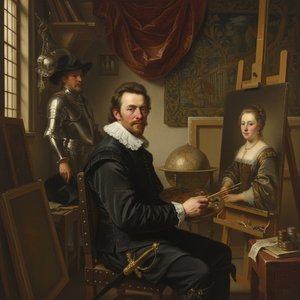
Ferdinand Bol (1616-1680): A Dutch Master of Portraiture & Dramatic Light
Explore the captivating world of Ferdinand Bol (1616-1680), a master Dutch portraitist deeply influenced by Rembrandt. Discover his life, style, and enduring legacy with ArtsDot.

Illuminating Innovation: Exploring the Dutch Golden Age of Painting
Explore the Dutch Golden Age of painting with ArtsDot. Discover Rembrandt, Vermeer & other Masters. Learn about key characteristics, iconic artworks, and lasting influence. Expert insights for collectors & enthusiasts.
Golden Light & Dutch Skies: Bringing the Magic of Dutch Golden Age Landscapes into Your Home
Transform your home with the breathtaking light of Dutch Golden Age landscapes. Discover how hand-painted oil reproductions of masterworks like Ruisdael and Vermeer bring timeless elegance, atmosphere, and soulful texture to modern interiors. Elevate your space with museum-quality art.

