

 プレビュー
プレビュー
 シェアする
シェアする シェアする
シェアする
 詳細を見る
詳細を見る

 ダウンロード
 似ている作品
 X線調査
X線調査 スライドショー
 統計情報
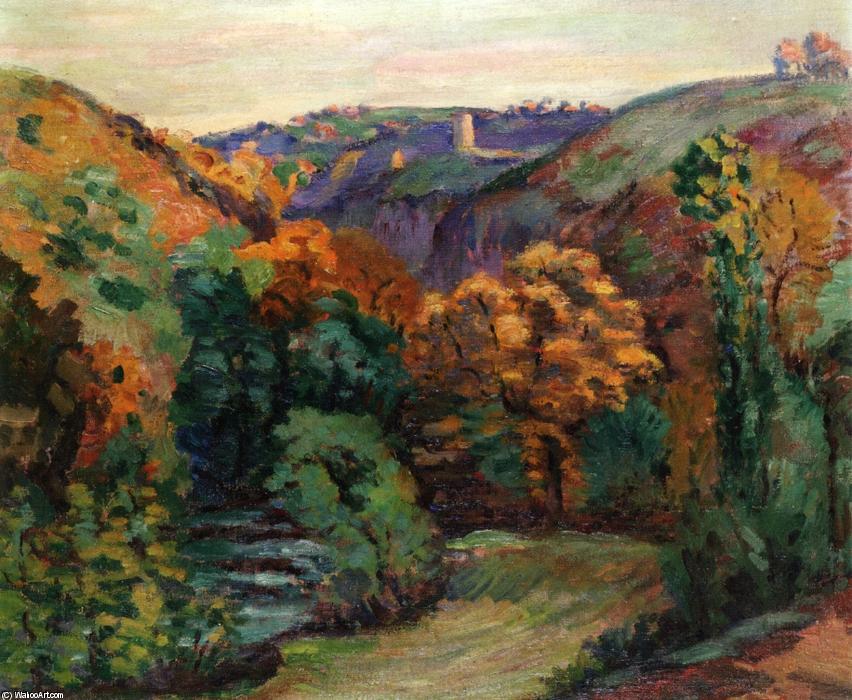
統計情報The Ruins of the Chateau at Crozant
 Oil On Canvas
- WallArt
- Impressionism
 1899
1899- 19th Century
 54.0 x 65.0 cm
 詳細を見る
詳細を見る
オンラインプレビューをはるかに凌ぐ、高解像度で鮮明なデジタル画像をご購入いただけます。
各ファイルは、社内の専門家が高度なツールと熟練した手作業によるレタッチを用いて、細心の注意を払って準備されています。すべての画像において、卓越した鮮明度、正確な色彩再現性、そして繊細なディテールを保証いたします。
最終ファイルは、プロフェッショナルな編集・印刷環境ですぐにご利用いただけるよう最適化された状態で、72時間以内にメールにてお届けいたします。これは、一流のデザインスタジオ、出版社、ギャラリーから信頼されているものと同等の品質です。
デジタルアート
個人での鑑賞、印刷、クリエイティブなプロジェクト用に、高解像度ファイルをダウンロードできます。 ( プリント版に切り替え 手描きの絵画を購入)
デジタル画像のご注文に付随する特典
高品質なデジタル画像配信を、確かな品質で。
ArtsDot.com を選ぶことは、単に画像を手に入れることではありません。それは、プロの手によって精密に仕上げられ、満足保証が付いた高品質なデジタルアートワークを受け取ることを意味します。ご注文いただいた際に自動的に付随する内容は、以下の通りです:

メールですぐにお届け
ご注文から72時間以内に、高解像度のデジタル画像ファイルがメールでお手元に届きます。すぐにそのままご利用いただけます。

AI技術で最適化されたデジタルファイル
お客様の作品は、高度なAIツールと専門家による手作業の編集を組み合わせてプロフェッショナルに最適化されており、細部のディテール、鮮明さ、そして正確な色再現性を最大限に引き出しています。

一生涯無料の再送サービス
ファイルを誤って削除したり、紛失してしまったりしましたか?ご安心ください。いつでも無料で再送いたします。

輸入手数料は一切かかりません
関税や手数料、配送料を気にすることなく、お気に入りのアートワークをすぐにお楽しみいただけます。デジタルダウンロードは常に免税です。

色彩再現の保証
プロ仕様のツールとカラーマネジメント技術を用いることで、デジタル画像が元の色を最大限に忠実に再現することを保証いたします。

100日間満足保証
ご購入いただいたデジタル画像にご満足いただけない場合は、100日以内であれば、理由を問わず修正または100%の返金対応をさせていただきます。

100% 返金保証
ご満足いただけない場合は、デジタルファイルを受け取ってから100日以内であれば、理由を問わず全額返金いたします。

まとめ買い割引
3枚購入で10%OFF - 5枚購入で15%OFF - 10枚以上購入で20%OFF。クリエイティブなプロジェクト、ギャラリー、エージェンシーに最適です。
A Golden Twilight in the Creuse Valley
In the late nineteenth century, as the Impressionist movement began to redefine the boundaries of light and perception, Jean Baptiste Armand Guillaumin captured a moment of profound atmospheric beauty in his 1899 masterpiece, The Ruins of the Chateau at Crozant. This evocative oil on canvas invites the viewer into a serene valley where the remnants of history meet the vibrant pulse of nature. The scene is bathed in the warm, amber glow of an orange sky, suggesting that magical hour of twilight when the sun begins its descent, casting long, soft shadows across the landscape. Through his masterful command of color, Guillaumin does more than merely depict a location; he captures the very essence of a fleeting moment, frozen in time through thick, expressive brushstrokes.
The composition is a delicate balance of grandeur and intimacy. While the distant mountains and the skeletal remains of the chateau provide a sense of monumental scale and historical weight, the foreground is populated by scattered trees and two small human figures. These figures serve as vital anchors for the soul, offering a sense of human connection and scale that prevents the vast landscape from feeling desolate. Instead, their presence suggests a quiet contemplation of nature's enduring power. The way the light interacts with the foliage—alternating between deep shadows and sun-drenched highlights—creates a rhythmic movement that guides the eye through the valley, leading the observer toward the crumbling stone architecture that stands as a silent witness to the passage of centuries.
Technique and the Impressionist Spirit
Guillaumin’s technique in this work is a testament to his status as a vital contributor to the Impressionist canon. Eschewing rigid lines for a more fluid, spontaneous application of paint, he utilizes a palette dominated by warm ochres, deep oranges, and earthy greens to evoke the heat and humidity of a summer evening. The brushwork is notably soft and textured, a characteristic that lends the painting an organic energy. This tactile quality allows the light to appear as if it is vibrating upon the canvas, mimicking the way light actually dances across a landscape in motion. For collectors and interior designers alike, this piece offers a sophisticated interplay of texture and tone that can serve as a luminous focal point in any curated space.
Beyond its aesthetic brilliance, The Ruins of the Chateau at Crozant carries a poignant symbolic weight. The juxtaposition of the decaying chateau against the eternal cycle of the natural world speaks to themes of transience and permanence. It is a meditation on the beauty found in decay and the resilience of the earth. For those seeking to adorn their homes with art that inspires deep reflection, this reproduction offers more than just decoration; it provides a window into a romanticized era of French landscape painting, bringing the warmth of a nineteenth-century sunset into the modern interior.
関連作品

作家の略歴
幼年時代と画家としての出発
1841年2月16日、フランスのパリに生まれたフェルディナン・ギヨマンは、印象派という芸術運動が芽生え始めた時期にその画家の道を歩み始めました。当初は絵具商として働きながら独学で絵を学びましたが、次第に画家としての才能を開花させていきます。彼の人生は、光と色彩の捉え方を根本から変えようとした印象派の隆盛と深く結びついています。ギヨマンが描いた作品は、単なる風景描写にとどまらず、その瞬間の感情や感覚を鮮やかに表現しようとする試みでした。印象派への貢献
ギヨマンの芸術的貢献は、印象派運動の発展に不可欠なものでした。彼はモネをはじめとする多くの画家たちと交流し、自然界における光と色彩の一瞬の変化を捉えるという共通の目標に向かって探求を続けました。ギヨマンの作品の特徴は、夢のような柔らかな風景描写です。それは、見る者の心に静寂と安らぎをもたらします。鮮やかな色彩と自由奔放な筆致は、印象派特有の即興性と生命力を表現しており、当時の芸術界に新たな風を吹き込みました。ギヨマンは、展覧会にも積極的に参加し、その独自のスタイルを世に広めていきました。影響を受けた画家と象徴主義との交錯
ギヨマンの画風には、様々な芸術家の影響が見られます。特に、フィンセント・ファン・ゴッホやポール・セザンヌ、カミーユ・ピサロといった画家たちの存在は、彼の作品に大きな影響を与えました。しかし、ギヨマンは単なる模倣にとどまらず、独自の表現を追求しました。また、象徴主義という運動からも強い影響を受けました。象徴主義は、夢や神秘の世界を描くことを重視しており、ギヨマンの作品にも大胆な色彩と感情的な主題が取り入れられています。彼の絵画は、現実世界を超えた深遠な精神性を表現しようとする試みでもありました。主要な作品と遺産
マウント・ホライオーク美術館は、ギヨマンの作品を数多く所蔵しており、その芸術的価値を後世に伝える上で重要な役割を果たしています。特に、「1月の庭」や「プイ・ドームの眺め」などの作品は、彼の代表作として知られています。また、クロード・モネとの親交も深く、二人は互いに影響を与え合いながら、印象派運動を牽引しました。ギヨマンは、1927年6月26日にその生涯を閉じましたが、彼の芸術的遺産は今もなお輝きを失っていません。彼の作品は、世界中の美術館やコレクションに収蔵されており、多くの人々に感動を与え続けています。 ArtsDotでは、ギヨマンの作品や印象派運動についてさらに詳しく知ることができます: フェルディナン・ギヨマン | 3点 印象派美術運動 彼の作品を通して、光と色彩が織りなす美しい世界を体験してください。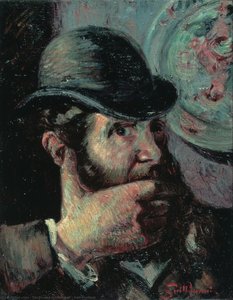
フェルディナン・ギヨマン
1841 - 1927 , フランス
プロフィール概要
- Artistic Movement Or Style: 印象派
- Artists Or Movements Influenced By This Artist: ['クロード・モネ']
- Artists Who Influenced This Artist:
- フィンセント・ファン・ゴッホ
- ポール・セザンヌ
- カミーユ・ピサロ
- Date Of Birth: 1841年2月16日
- Date Of Death: 1927年6月26日
- Full Name: ジャン=バティスト・アルマン・ギヨマン
- Nationality: フランス人
- Notable Artworks:
- ジャンヴィルの庭(6月)
- 河畔の風景
- ピュ・ドーム山
- Place Of Birth (City And Country): フランス、パリ