 プレビュー
プレビュー
 プリントを購入
 シェアする
シェアする シェアする
シェアする
 詳細を見る
詳細を見る

 ダウンロード
 似ている作品
 X線調査
X線調査 スライドショー
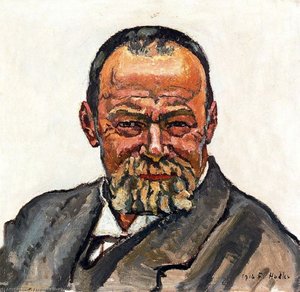
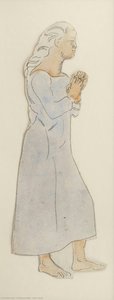
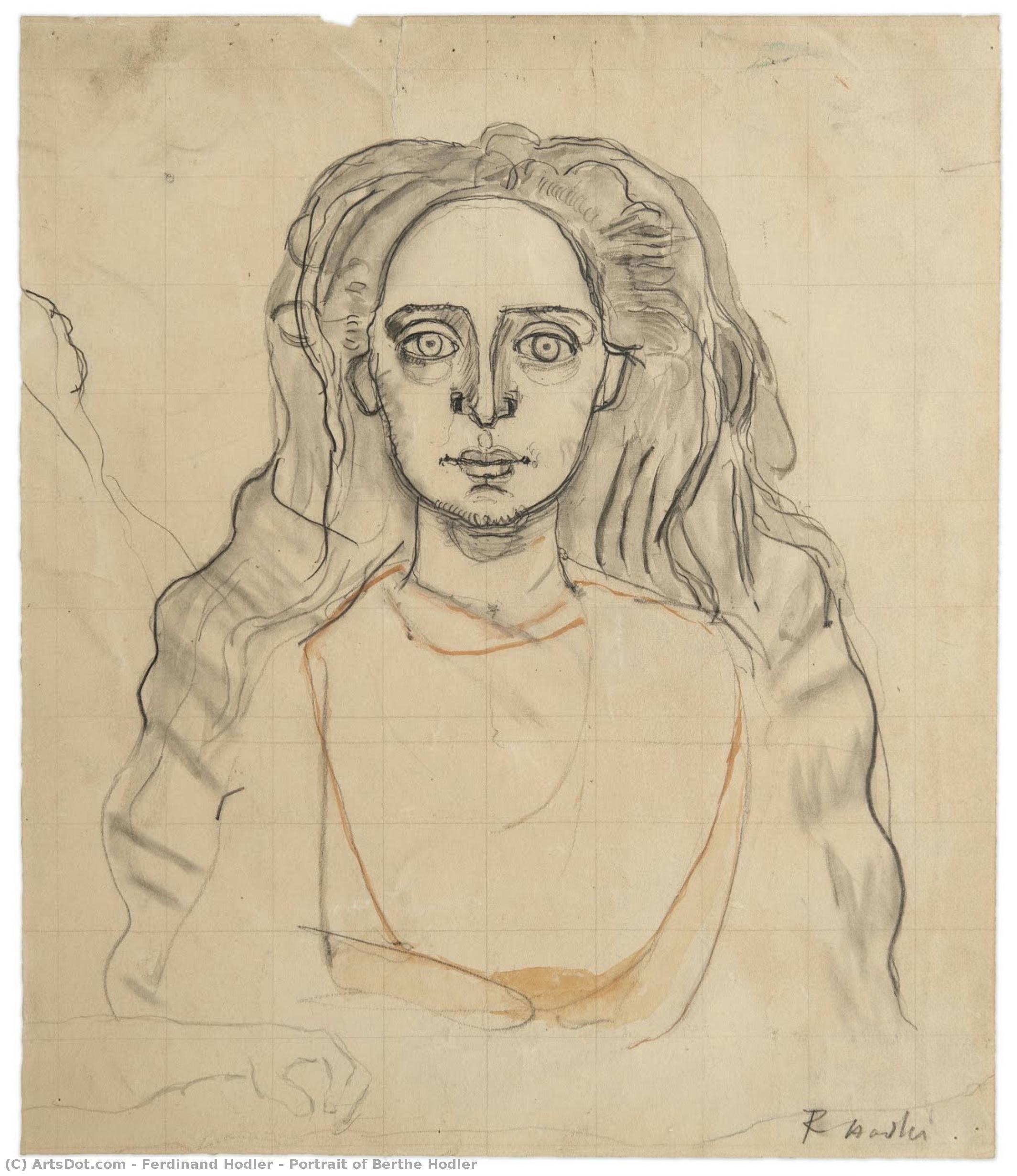
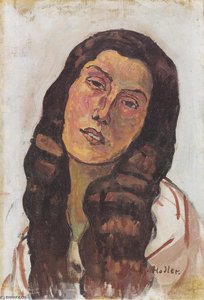
Portrait of Berthe Hodler
 Acrylic On Canvas
- WallArt
- Symbolic Expressionism
 1902
1902 31.0 x 27.0 cm
 ボスニア・ヘルツェゴビナ国立美術館
 詳細を見る
詳細を見る




P118B $10

P118H $10

P118W $10

P438Z $10

P508JH $12

P508YH $12

P805H $10

P805Z $10

P919BZ $10

P919G $10

P919XJ $10

P959ZH $10

P968JZ $12

W106C $8

W218G $10

W218JH $8

W218Y $10

W307PJ $10

W316G $10

W316PJ $8

W316Y $10

W398PJ $8

W4111J $10

W500HY $15

W500JH $15

W692G $12

W849H $8

W940BG $15

W953PJ $8




作品のオリジナル比率に合わせた、当店の規定サイズからお選びください。

特定のフレームやスペースに合わせて、ご希望のサイズをご入力いただけます。選択されたサイズが元の画像の比率と異なる場合、アートワークをトリミングするか、手描きで要素を追加して絵画を拡張いたします。デジタルモックアップ を制作し、制作開始前にご確認(承認)をいただきます。
画面上のプレビューは、実際のトリミングや拡張を正確に反映しているものではありません。最終的な構図は、モックアップによってのみ正確にご確認いただけます。
カスタムサイズもご利用いただけますが、元の比率を維持するためには、あらかじめ用意されたリストからサイズを選択することをお勧めいたします。
ご注文後、ArtsDot.com チームより詳細な指示をお送りするとともに、仕上がりイメージ(モックアップ)をご提供いたします。


 ガラスオプションは、110cm未満のサイズでのみご利用いただけます。

Portrait of Berthe Hodler
複製技法
複製画のサイズ
-


合計金額
$ 263
作品解説
A Portrait Steeped in Symbolism: Ferdinand Hodler’s Berthe Hodler
Ferdinand Hodler, a name inextricably linked to the landscape of Swiss painting and the evocative realm of symbolism, ascended from humble origins to become one of the most influential artists of the late 19th and early 200th centuries. Born in Bern, Switzerland, in 1853, his formative years were marked by profound sorrow – a recurring motif that would permeate his artistic sensibility and imbue his canvases with an unsettling contemplation of mortality. The premature passing of his father and two younger brothers before he attained adolescence instilled within him a deep awareness of life’s fragility and fueled his unwavering fascination with the sublime beauty of nature, experiences which would become foundational to his artistic journey. Hodler's initial apprenticeship as a decorative painter honed his technical skills but swiftly ignited within him an ardent desire for formal training and artistic exploration beyond the confines of commercial commissions. Recognizing the limitations of conventional craftsmanship, he pursued rigorous studies at Zurich Kunstakademie, immersing himself in Impressionist influences while simultaneously cultivating his own distinctive vision—a synthesis that would ultimately define his groundbreaking contribution to Swiss art history. This pursuit of knowledge solidified his belief in the transformative power of observation and encouraged him to delve into the complexities of human emotion through meticulously rendered portraits.- Subject Matter: The portrait depicts Berthe Hodler, Ferdinand’s wife, capturing her serene gaze with remarkable sensitivity.
- Style: Hodler's style embodies a blend of Impressionism and Symbolism, prioritizing atmospheric effects alongside expressive gestures and subtle symbolic representations.
- Historical Context: Created in 1902, “Berthe Hodler” emerged during a period of artistic ferment—the Belle Époque—characterized by optimism, technological advancement, and burgeoning cultural dynamism. However, beneath the veneer of prosperity lay anxieties concerning social upheaval and existential uncertainty.
- Symbolism: The portrait’s symbolism transcends literal depiction; the woman's gaze embodies serenity and acceptance, reflecting Hodler’s own preoccupation with themes of death and rebirth—recurring motifs in his oeuvre.
関連作品
アーティストの略歴
フェルディナント・ホドラー:スイス象徴主義の巨匠、普遍的調和への探求
1853年、ベルンに生まれたフェルディナンド・ホドラーは、スイス絵画史における最も重要な芸術家の一人として、その名を刻みました。幼い頃から喪失という影を背負った彼の人生—父と二人の弟が結核で若くして亡くなったこと—は、死の儚さや存在の意味について深く考察する原点となり、その後の作品に普遍的なテーマを織り込みました。装飾画家としての修業を経て、ホドラーは芸術家としての道を歩み始め、ジュネーブで科学講義を受講しながら美術館で古典作品を模写することで、確固たる基礎を築きました。初期の作品には写実主義の影響が見られましたが、彼は次第にその枠を超え、より深い感情や哲学的な思想を表現する方法を切望するようになりました。象徴主義と並列性:独自の芸術言語の創造
ホドラーの芸術的探求は、主観的な経験と喚起的なイメージを重視する象徴主義へと向かいました。しかし、彼は単にこの運動の原則を受け入れただけでなく、独自の芸術スタイル「並列性」を開発しました。これは、人物や形態をリズム感のある、ほぼ幾何学的なパターンで配置することで、調和と緊張感が共存する視覚的表現を生み出す手法です。ホドラーは、目に見える対象を描写するだけでなく、万物を結びつける根源的な感情の流れを捉えようとしたのです。1890年に完成した『夜』は、その転換点となった作品であり、死と安息を示唆する横たわる人物の描写は、大きな論争を巻き起こしました。しかし、この作品はパリのサロンで高い評価を受け、ホドラーの名声を確立し、スイス国外へと芸術的影響力を広げるきっかけとなりました。主要作品:人生と自然への瞑想
ホドラーのキャリアを通じて制作された数々の傑作は、彼の芸術的探求を鮮やかに物語っています。『昼』(1893年)は、その中でも最も野心的で評価の高い作品の一つであり、チューリッヒ美術館に所蔵されています。この壮大な歴史画は、生命、死、そして再生というテーマを、現実主義と先見的な強烈さの融合によって描き出しています。ホドラーはまた、スイスアルプスの風景を数多く描きましたが、それらは畏敬の念を起こさせる壮大さを湛え、自然への深い愛情を示しています。彼の作品には、喪失や悲嘆といったテーマも頻繁に登場しますが、常に尊厳と回復力を通して表現されています。『真理II』(1897年)に見られるように、ホドラーは古典的な形態と現代的な感覚を融合させ、時代を超越した魅力を持つ作品を生み出しました。遺産:影響と歴史的意義
フェルディナンド・ホドラーの芸術的影響力は、スイス国外にも及びました。彼の象徴主義の使用や「並列性」の開発は、主観的な感情を強調し、形態を歪める表現主義への道を開きました。ホドラーの作品は、19世紀末から20世紀初頭にかけての社会の変化、科学的進歩、そして存在不安の高まりといった文化的潮流と共鳴しました。彼の絵画は、ますます不確実な世界において、慰めと洞察を提供し、人々の心に深く響きました。今日、ホドラーの作品はヨーロッパをはじめとする主要美術館に収蔵されており、世代を超えて多くの人々を魅了し続けています。彼はスイス美術史における偉大な芸術家として記憶され、その技術的な熟練度だけでなく、深い感情的な深みと、人間の存在の意味を探求する揺るぎない決意によって称賛されています。さらにホドラーの世界へ
- 詳細な生涯と作品について: Wikipedia - フェルディナンド・ホドラー
- 彼のコレクションを探索する: ArtsDot - フェルディナンド・ホドラー作品集
- 『昼』(1893年)をご覧ください: ArtsDot - 昼
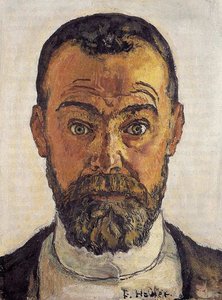
フェルディナン・ホドラー
1853 - 1918 , スイス
基本情報
- フルネーム: フェルディナント・ホドラー
- 主な作品: ['夜', '昼', '真理II']
- 出生地: ベルン(スイス)
- 国籍: スイス
- 影響を与えたアーティスト: ['表現主義']
- 没年月日: 1918年5月19日
- 生年月日: 1853年3月14日
- 芸術運動またはスタイル: 象徴主義、並列主義
関連記事

White on Canvas: 10 Masterpieces & Timeless Elegance for Your Home Decor
Explore 10 iconic white paintings by Monet, Whistler & Rothko! Discover the stories behind these serene masterpieces and their impact on art history. Find museum-quality reproductions for your home decor at .
Ferdinand Hodler: Symbolism, Parallelism & the Quest for Universal Harmony
Explore the captivating world of Ferdinand Hodler, Swiss Symbolist painter renowned for his evocative landscapes & pioneering 'parallelism'. Discover his life, key works, and lasting influence on art history. Own a hand-painted reproduction today!

Dark Masterpieces: 10 Iconic Paintings Dominated by Black Tones |
Explore 10 iconic paintings dominated by black tones, from Rembrandt’s chiaroscuro to Goya's dark expressions. Discover the stories behind these masterpieces & find museum-quality art reproductions for your home at .

Monochrome Visions: Exploring the Aesthetic & Historical Significance of Black & White Photography
Explore the rich history & artistic power of black and white photography. From early techniques to iconic masters like Ansel Adams, discover why monochrome continues to captivate art lovers today. Expert insights for collectors.
Mars Black Masterpieces: 10 Iconic Paintings & Timeless Art Decor Ideas
Delve into the power of 'Mars Black' with 10 iconic paintings by masters like Rembrandt & Caravaggio. Explore dramatic chiaroscuro, gothic art, and timeless beauty. Find museum-quality reproductions & elevate your home decor on .