

 プレビュー
プレビュー
 プリントを購入
 シェアする
シェアする シェアする
シェアする
 詳細を見る
詳細を見る

 ダウンロード
 似ている作品
 X線調査
X線調査 スライドショー
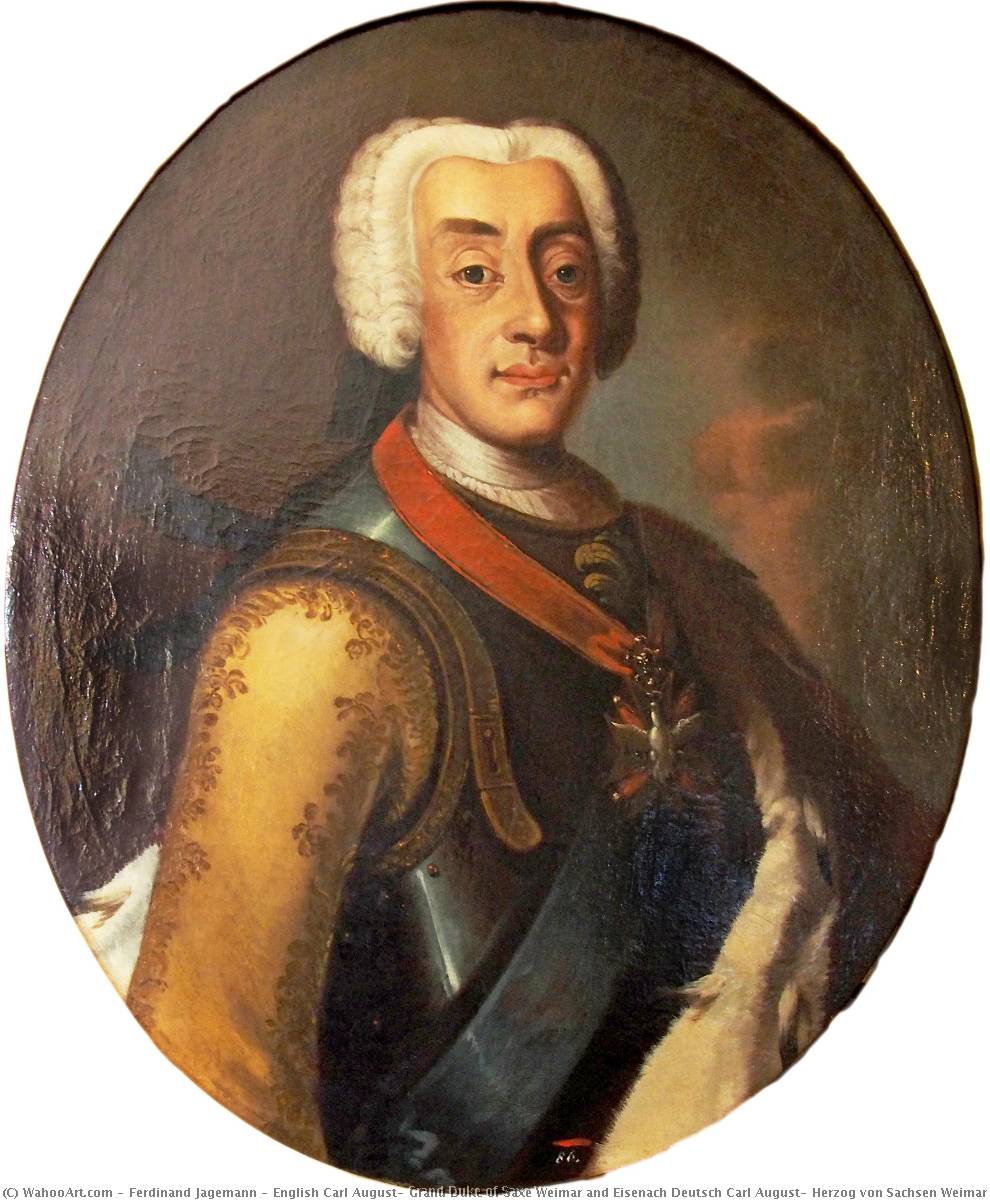
English Carl August, Grand Duke of Saxe Weimar and Eisenach Deutsch Carl August, Herzog von Sachsen Weimar und Eisenach, in der Uniform der Ascherslebener Kürassiere


 詳細を見る
詳細を見る
オンラインプレビューをはるかに凌ぐ、高解像度で鮮明なデジタル画像をご購入いただけます。
各ファイルは、社内の専門家が高度なツールと熟練した手作業によるレタッチを用いて、細心の注意を払って準備されています。すべての画像において、卓越した鮮明度、正確な色彩再現性、そして繊細なディテールを保証いたします。
最終ファイルは、プロフェッショナルな編集・印刷環境ですぐにご利用いただけるよう最適化された状態で、72時間以内にメールにてお届けいたします。これは、一流のデザインスタジオ、出版社、ギャラリーから信頼されているものと同等の品質です。
デジタル画像のご注文に付随する特典
高品質なデジタル画像配信を、確かな品質で。
ArtsDot.com を選ぶことは、単に画像を手に入れることではありません。それは、プロの手によって精密に仕上げられ、満足保証が付いた高品質なデジタルアートワークを受け取ることを意味します。ご注文いただいた際に自動的に付随する内容は、以下の通りです:

メールですぐにお届け
ご注文から72時間以内に、高解像度のデジタル画像ファイルがメールでお手元に届きます。すぐにそのままご利用いただけます。

AI技術で最適化されたデジタルファイル
お客様の作品は、高度なAIツールと専門家による手作業の編集を組み合わせてプロフェッショナルに最適化されており、細部のディテール、鮮明さ、そして正確な色再現性を最大限に引き出しています。

一生涯無料の再送サービス
ファイルを誤って削除したり、紛失してしまったりしましたか?ご安心ください。いつでも無料で再送いたします。

輸入手数料は一切かかりません
関税や手数料、配送料を気にすることなく、お気に入りのアートワークをすぐにお楽しみいただけます。デジタルダウンロードは常に免税です。

色彩再現の保証
プロ仕様のツールとカラーマネジメント技術を用いることで、デジタル画像が元の色を最大限に忠実に再現することを保証いたします。

60日間満足保証
ご購入いただいたデジタル画像にご満足いただけない場合は、60日以内であれば、修正または100%の返金(理由を問う必要はありません)をさせていただきます。

100% 返金保証
ご満足いただけない場合は、デジタルファイルを受け取ってから60日以内であれば、理由を問わず全額返金いたします。

まとめ買い割引
3枚購入で10%OFF - 5枚購入で15%OFF - 10枚以上購入で20%OFF。クリエイティブなプロジェクト、ギャラリー、エージェンシーに最適です。
関連作品









作家の略歴
The Silent Chronicler of Weimar’s Golden Age
Ferdinand Jagemann stands as a quietly influential figure within the artistic landscape of Weimar during its most luminous era, primarily recognized for his meticulous portraits that captured the very spirit of the age's intellectual and cultural dynamism. Born in 1780 into a scholarly environment, Jagemनांक’s life was deeply intertwined with the intellectual fabric of Saxe-Weimar. His father, Christian Joseph Jagemann, served as the esteemed librarian to Duchess Anna Amalia, an upbringing that undoubtedly instilled in the young artist a profound appreciation for both art and erudition. This familial connection to the heart of German Enlightenment culture shaped his artistic trajectory, allowing him to move through the highest circles of Weimar society with ease and purpose.
The artist’s early training was marked by the guidance of Johann Heinrich Tischbein II, a celebrated painter who championed Neoclassical ideals. Under Tischbein’s tutelage, Jagemann mastered a disciplined approach to technique and developed an understanding of classical aesthetics that would become a cornerstone of his work. Seeking to expand his horizons beyond the borders of Germany, Jagemann traveled to Paris between 1802 and 1804. It was in this vibrant, revolutionary atmosphere that he encountered the burgeoning influence of masters such as Jacques-Louis David and Jean-Baptiste Regnault. This Parisian exposure broadened his artistic vocabulary, infusing his portraiture with a sense of grandeur, theatricality, and a commitment to capturing dramatic emotion through precise, classical forms.
A Legacy Captured in Flesh and Spirit
Upon his return to Weimar in 1805, Jagemann transitioned from a student of the world to a pivotal figure in his home city's cultural institutions. He collaborated closely with prominent artists like Georg Melchior Kraus and Heinrich Friedrich Füger, contributing to the establishment and vitality of the Fürstliche Zeichenschule (Royal Drawing School). His role was not merely that of a painter but also of an educator, eventually serving as a professor and co-director of the school. This period of his life saw him documenting the most significant figures of the German Enlightenment, creating a visual record of the minds that were reshaping European thought.
One of his most poignant and historically significant undertakings was the commission to portray Friedrich Schiller on his deathbed. Such an intimate and somber task required a delicate balance of technical skill and profound empathy, capturing not just a likeness, but the fading light of a literary giant. His ability to navigate both the monumental and the deeply personal is further evidenced by his numerous portraits of Johann Wolfgang von Goethe. These works do more than present formal likenesses; they showcase the wealth, dignity, and intellectual weight of the era's protagonists through a Neoclassical lens.
Jagemann’s life was tragically short, as he passed away in 1820 at the age of thirty-nine. Yet, his impact resonated far beyond his years. The significance of his work can be summarized by several key contributions to art history:
- Documentary Importance: He provided a definitive visual archive of the Weimar Classicism period, capturing the likenesses of figures like Goethe and Schiller.
- Technical Synthesis: His style successfully merged the disciplined Neoclassicism of his German training with the dramatic, emotive influences of the French school.
- Institutional Impact: Through his leadership at the Zeichenschule, he helped foster the next generation of artistic talent in Saxe-Weimar.
- Cultural Connection: His work serves as a bridge between the scholarly world of the German Enlightenment and the visual language of European high art.
Though his name may not carry the same immediate weight today as those he painted, Ferdinand Jagemann remains an essential figure for anyone seeking to understand the soul of Weimar. He was the painter who looked upon the giants of his age and, through the tip of his brush, ensured their presence would endure long after their voices had fallen silent.
ferdinand jagemann
1780 - 1820
プロフィール概要
- Artistic Movement Or Style: Neoclassical Portraiture
- Artists Or Movements Influenced By This Artist: ['Johann Wolfgang von Goethe']
- Artists Who Influenced This Artist:
- Georg Melchior Kraus
- Heinrich Friedrich Füger
- Date Of Death: 1820
- Full Name: Ferdinand Jagemann
- Nationality: German
- Notable Artworks:
- Goethe Portraits
- Schiller Paintings
- Place Of Birth: Germany

