

 プレビュー
プレビュー
 シェアする
シェアする シェアする
シェアする
 詳細を見る
詳細を見る

 ダウンロード
 似ている作品
 X線調査
X線調査 スライドショー
 統計情報
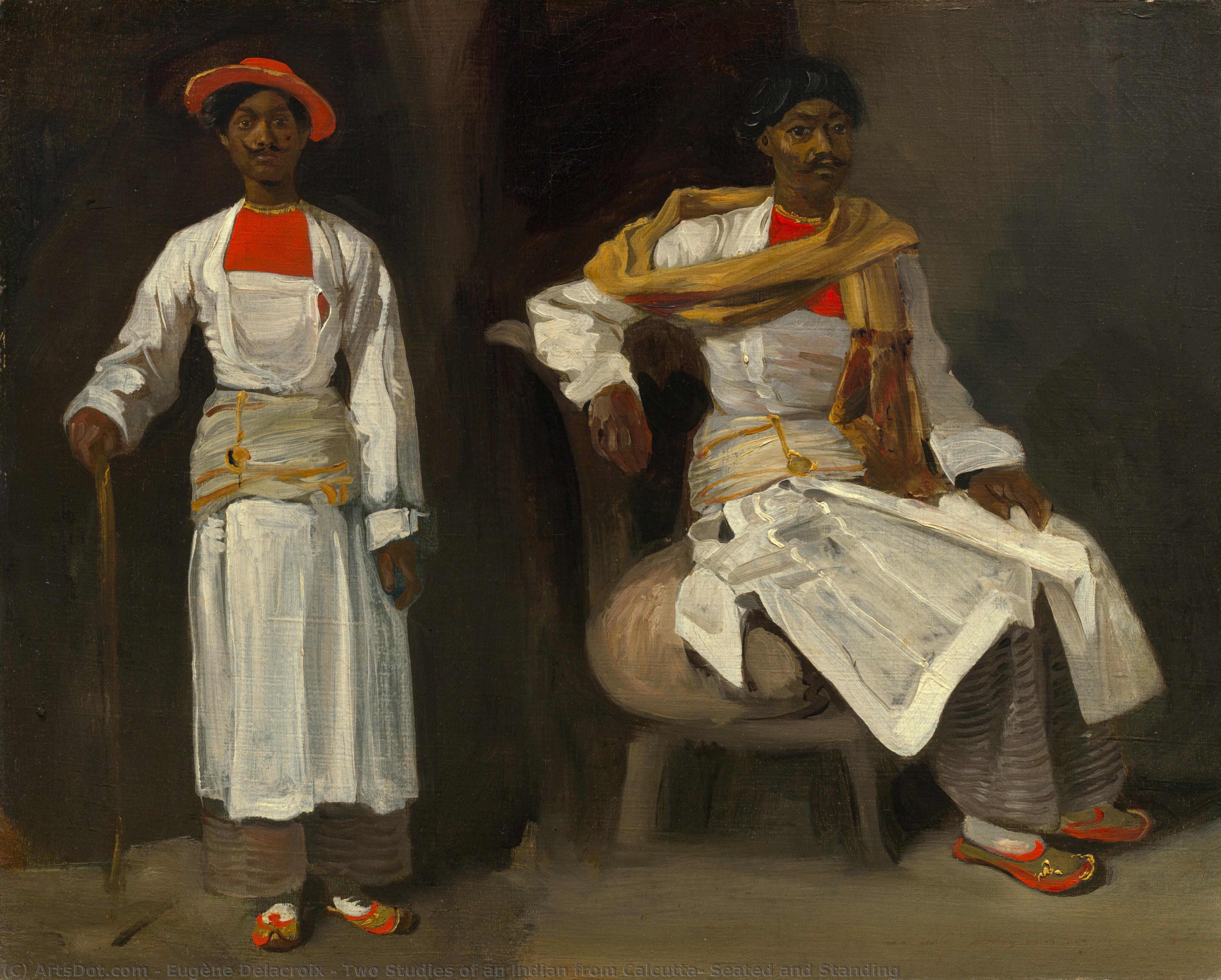
統計情報Two Studies of an Indian from Calcutta, Seated and Standing
 Oil On Canvas
- WallArt
- Romanticism
 1824
1824- Renaissance
 51.0 x 60.0 cm
 詳細を見る
詳細を見る
オンラインプレビューをはるかに凌ぐ、高解像度で鮮明なデジタル画像をご購入いただけます。
各ファイルは、社内の専門家が高度なツールと熟練した手作業によるレタッチを用いて、細心の注意を払って準備されています。すべての画像において、卓越した鮮明度、正確な色彩再現性、そして繊細なディテールを保証いたします。
最終ファイルは、プロフェッショナルな編集・印刷環境ですぐにご利用いただけるよう最適化された状態で、72時間以内にメールにてお届けいたします。これは、一流のデザインスタジオ、出版社、ギャラリーから信頼されているものと同等の品質です。
デジタルアート
個人での鑑賞、印刷、クリエイティブなプロジェクト用に、高解像度ファイルをダウンロードできます。 ( プリント版に切り替え 手描きの絵画を購入)
デジタル画像のご注文に付随する特典
高品質なデジタル画像配信を、確かな品質で。
ArtsDot.com を選ぶことは、単に画像を手に入れることではありません。それは、プロの手によって精密に仕上げられ、満足保証が付いた高品質なデジタルアートワークを受け取ることを意味します。ご注文いただいた際に自動的に付随する内容は、以下の通りです:

メールですぐにお届け
ご注文から72時間以内に、高解像度のデジタル画像ファイルがメールでお手元に届きます。すぐにそのままご利用いただけます。

AI技術で最適化されたデジタルファイル
お客様の作品は、高度なAIツールと専門家による手作業の編集を組み合わせてプロフェッショナルに最適化されており、細部のディテール、鮮明さ、そして正確な色再現性を最大限に引き出しています。

一生涯無料の再送サービス
ファイルを誤って削除したり、紛失してしまったりしましたか?ご安心ください。いつでも無料で再送いたします。

輸入手数料は一切かかりません
関税や手数料、配送料を気にすることなく、お気に入りのアートワークをすぐにお楽しみいただけます。デジタルダウンロードは常に免税です。

色彩再現の保証
プロ仕様のツールとカラーマネジメント技術を用いることで、デジタル画像が元の色を最大限に忠実に再現することを保証いたします。

100日間満足保証
ご購入いただいたデジタル画像にご満足いただけない場合は、100日以内であれば、理由を問わず修正または100%の返金対応をさせていただきます。

100% 返金保証
ご満足いただけない場合は、デジタルファイルを受け取ってから100日以内であれば、理由を問わず全額返金いたします。

まとめ買い割引
3枚購入で10%OFF - 5枚購入で15%OFF - 10枚以上購入で20%OFF。クリエイティブなプロジェクト、ギャラリー、エージェンシーに最適です。
Eugène Delacroix’s Exotic Gaze: Unveiling “Two Studies of an Indian from Calcutta”
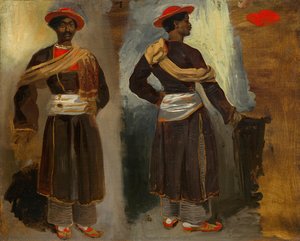
Eugène Delacroix's "Two Studies of an Indian from Calcutta, Seated and Standing," painted in 1824, isn’t merely a portrait; it’s a window into the burgeoning European fascination with the Orient during the Romantic era. This captivating work transcends simple representation, offering instead a complex meditation on cultural encounter, introspection, and the artist's own evolving perspective. Delacroix, deeply influenced by the dramatic color palettes of Peter Paul Rubens and the rich textures of Venetian Renaissance painting, sought to capture not just likeness but also an essence—a spirit—of his subject, imbuing the scene with a palpable sense of mystery and quiet contemplation.
The painting immediately draws the eye to its two figures, set against a deliberately dark and ambiguous background. The seated man, draped in flowing white robes adorned with intricate gold embroidery, exudes an aura of serene dignity. His posture suggests a moment of profound thought, perhaps prayer or meditation – a subtle invitation for the viewer to share his inner world. His turban, a vibrant yellow, stands in stark contrast to the red of the standing figure’s headwear, immediately establishing a visual dialogue between the two men and hinting at the differences—and perhaps the similarities—of their cultures. The seated man cradles a bowl, a gesture laden with symbolic weight; it could represent sustenance, offering, or simply the quiet ritual of daily life.
The standing figure, clad in a red turban and white garments accented with gold, possesses an air of authority and command. He holds a cane – a symbol of status and protection – suggesting a role as a leader or guardian. His gaze is directed towards the distance, mirroring the seated man’s introspection, yet conveying a sense of outward observation. This shared visual focus creates a powerful connection between the two men, fostering a feeling of mutual understanding despite their apparent differences. The artist's meticulous attention to detail—the intricate patterns on the robes, the subtle play of light and shadow across the figures – speaks volumes about Delacroix’s commitment to realism, blended seamlessly with his Romantic sensibility.
Delacroix’s Romantic Vision: Color, Movement, and Exoticism
Delacroix's masterful use of oil on canvas is crucial to the painting’s impact. The medium allows for a remarkable depth of color and texture, vividly rendering the luxurious fabrics and the subtle nuances of light. The artist employs a technique known as “alla prima,” working directly onto the canvas without extensive underpainting, resulting in visible brushstrokes that contribute to the work's dynamic energy. These aren’t smooth, polished surfaces; instead, we see Delacroix’s hand actively shaping and manipulating the paint, conveying movement and emotion.
The color palette itself is a key element of the painting’s allure. The rich reds, yellows, and whites are juxtaposed against the dark background, creating a dramatic visual contrast that draws attention to the figures. Delacroix's deliberate use of color isn’t merely decorative; it serves to evoke specific emotions and associations – red signifying passion or power, white representing purity or spirituality, and gold symbolizing wealth or divinity. This careful orchestration of color contributes significantly to the painting’s overall mood and its ability to transport the viewer to a distant land.
A Reflection of an Era: Cultural Curiosity and European Romanticism
“Two Studies of an Indian from Calcutta” is deeply rooted in the historical context of 19th-century Europe. During this period, there was a widespread fascination with the “Orient,” fueled by trade, exploration, and a growing desire to understand different cultures. European artists, like Delacroix, were drawn to the exotic allure of India, viewing it as a source of inspiration and a counterpoint to the increasingly rigid conventions of Neoclassical art. This painting reflects this broader trend, capturing not just the physical appearance of Indian men but also their perceived dignity, wisdom, and spiritual depth.
However, Delacroix’s approach goes beyond mere exoticism. He avoids simplistic stereotypes, portraying his subjects with a degree of respect and empathy. The figures are presented as individuals worthy of contemplation, inviting the viewer to engage in a dialogue about cultural differences and shared humanity. The painting stands as a testament to the Romantic movement's emphasis on emotion, imagination, and the exploration of the unknown – qualities that resonated deeply with Delacroix’s artistic vision.
Bringing “Two Studies” Home: Reproduction and Artistic Legacy
ArtsDot offers meticulously crafted hand-painted reproductions of "Two Studies of an Indian from Calcutta," allowing you to experience the full beauty and emotional depth of this iconic work. Our artists replicate Delacroix’s masterful technique, capturing the nuances of color, texture, and brushwork with exceptional precision. Available in a range of sizes and canvas options, our reproductions provide a stunning addition to any art collection or interior space.
Beyond its aesthetic appeal, “Two Studies” offers a valuable window into the artistic and cultural landscape of the Romantic era. It’s a reminder of Delacroix's pioneering spirit, his willingness to challenge conventions, and his profound ability to capture the essence of human experience. Explore more of Delacroix’s captivating works – such as “Massakern pa Chios” or “Liberty Leading the People” – on our website and discover the breadth and depth of this extraordinary artist's legacy.
関連作品
作家の略歴
激動の筆: Eugène Delacroix の生涯と遺産
1798年、パリ近郊のシャルトン=サン=モーリスに生まれたフェルディナン・ヴィクトル・ウジェーヌ・ドラクロワは、単なる画家ではありませんでした。彼はロマン主義の激しい精神を体現した人物でした。社会の動乱と美的理想の変化期にフランス美術界を席巻し、新古典主義の厳格な形式主義を拒否し、ドラマ、感情、そして絵画の流れを変える鮮やかな色彩を受け入れました。彼の人生は、個人的な悲劇に彩られながらも、崇高さを捉え、異国情緒あふれる世界を探求し、人間の経験の生の力を表現するという芸術的ビジョンと不可分に結びついていました。
ドラクロワの幼少期は、複雑な家族関係とやや虚弱な健康状態によって形作られました。16歳で孤児となり、多くの人々が真の父であると考えたシャルル=モーリス・タレーラン=ペリゴールの指導を受けました。この繋がりは、彼にとって重要なパトロンシップとパリのアート界へのアクセスをもたらしました。当初、彼は尊敬されるアカデミックな画家ピエール=ナルシス・ゲランのもとで学びましたが、テオドール・ジェリコーの作品—特に彼の壮大な『メデューサ号の筏』—が、ドラクロワの芸術的情熱を真に燃え上がらせました。彼はジェリコーのためにポーズをとることさえあり、その先輩画家のリアリズムと感情的な強度への献身を吸収しました。
歴史的場面から異国情緒あふれるビジョンへ
ドラクロワは1822年、サロンに『ダンテとウェルギリウスの地獄』を発表し、一躍脚光を浴びました。この作品は、彼の既成概念からの脱却を明確に示すものでした。ダンテ・アリギエーリの『神曲』からインスピレーションを得たこの絵画は、大胆な色彩使い、ダイナミックな構図、そして強烈な心理的緊張感を特徴としていました。これは、情熱、葛藤、人間の条件を探求することに生涯を捧げるキャリアの始まりとなりました。当初、彼の作品は賛否両論ありましたが—批評家の中には独創性を称賛する者もいれば、混沌としており古典的な洗練さに欠けていると批判する者もいました—ドラクロワは粘り強く、緩やかな筆致、豊かな質感、そして動きの強調を特徴とする独自のスタイルを発展させました。
彼の関心は歴史的・文学的な主題にとどまりませんでした。1832年の北アフリカへの画期的な旅は、彼の芸術的軌跡に大きな影響を与えました。モロッコの活気に満ちた文化に没頭したドラクロワは、異国情緒あふれる風景、アラブ遊牧民のライフスタイル、そして彼らの伝統の強烈さに魅了されました。『アラブの馬たちの闘い』やアルジェリアの生活に関する数多くのスケッチに見られるように、この経験は彼の絵画に新たな色彩、光、エネルギーをもたらしました。彼は単にこれらの場面を記録していたのではなく、自分とは大きく異なる文化の根底にある精神を理解しようとしていました。
色彩の力と政治的関与
ドラクロワの色彩に対する習熟は、彼が残した最も永続的な遺産であると言えるでしょう。彼はルーベンスのバロック調の華やかさとヴェネツィア・ルネサンスの巨匠たちからインスピレーションを得て、正確な描写よりも色相の強度を優先しました。彼は色彩が感情を喚起し、雰囲気を創造し、線だけでは伝えられない意味を伝えることができることを理解していました。この革新的なアプローチは、後の世代の芸術家に大きな影響を与え、印象派とポスト印象派への道を開きました。
彼の美的革新に加えて、ドラクロワは政治的に積極的に活動するアーティストでした。彼の最も象徴的な作品である『民衆を導く自由の女神』(1830年)は、単なる7月革命の描写ではありません。それは自由と反乱のための力強い寓意です。この絵画のダイナミックな構図、寓意的な人物、そして生の感情的な力は、フランス国民的アイデンティティと革命的な理想の象徴として芸術史における確固たる地位を確立しました。これは単なる出来事を記録したものではなく、自由のために戦う国の精神をとらえたものでした。
永続する影響
ドラクロワは生涯にわたって精力的に絵画を描き続け、シェイクスピアの悲劇から聖書の物語まで、多様なテーマを探求しました。彼はウィリアム・スコットやヨハン・ヴォルフガング・フォン・ゲーテなどの文学的巨匠の作品を版画で表現することにも貢献しました。彼のスタジオは芸術的な交流の中心となり、彼の型破りなアプローチに惹かれた意欲的な画家たちを引き寄せました。
1863年に彼が亡くなったとき、ドラクロワはフランスの偉大な芸術家の一人として確固たる地位を築いていました。彼の影響力はロマン主義運動を超えて広がり、近代絵画の発展を形作り、大胆な色彩使い、ダイナミックな構図、そして感情的な表現への揺るぎない献身によって数えきれないほどの芸術家たちにインスピレーションを与えました。彼は今もなお、個人のビジョンの力と崇高さの永続する魅力を証明する存在です。
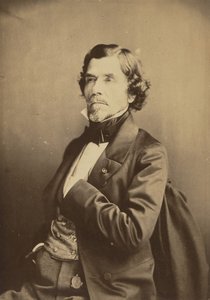
ウジェーヌ・ドラクロワ
1798 - 1863 , フランス
プロフィール概要
- Artistic Movement Or Style: ロマン主義
- Artists Or Movements Influenced By This Artist:
- 印象主義
- ポスト印象主義
- Artists Who Influenced This Artist:
- ルーベンス
- ヴェネツィア派画家
- Date Of Birth: 1798年4月26日
- Date Of Death: 1863年8月13日
- Full Name: ウジェーヌ・ドラクロワ
- Nationality: フランス人
- Notable Artworks (List Of Titles):
- 民衆を導く自由の女神
- サルダナパルの死
- アラブの馬の闘い
- Place Of Birth (City And Country): シャントネイ、フランス