

 プレビュー
プレビュー
 プリントを購入
 シェアする
シェアする シェアする
シェアする
 詳細を見る
詳細を見る

 ダウンロード
 似ている作品
 X線調査
X線調査 スライドショー
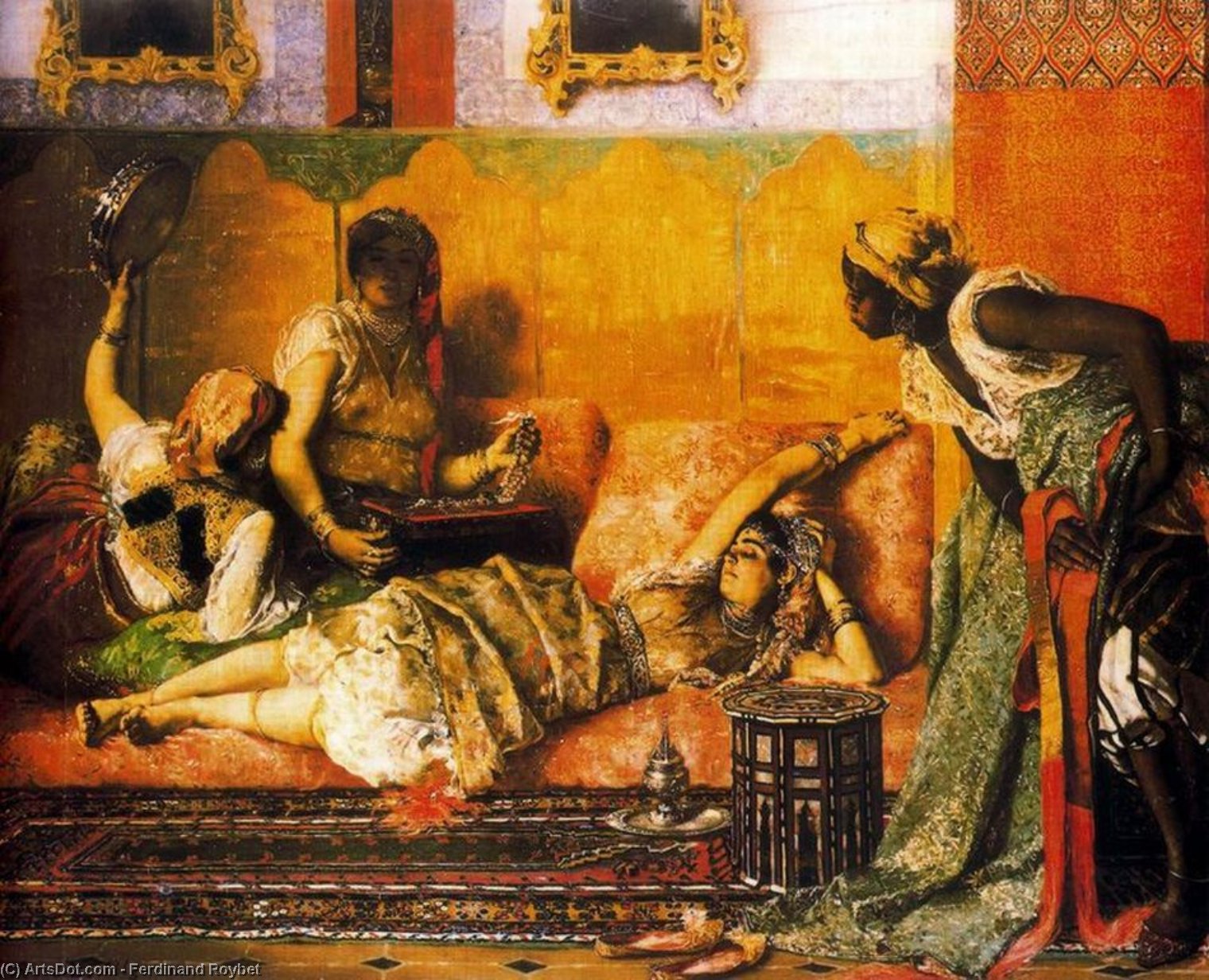
Trying on the dress
 詳細を見る
詳細を見る
オンラインプレビューをはるかに凌ぐ、高解像度で鮮明なデジタル画像をご購入いただけます。
各ファイルは、社内の専門家が高度なツールと熟練した手作業によるレタッチを用いて、細心の注意を払って準備されています。すべての画像において、卓越した鮮明度、正確な色彩再現性、そして繊細なディテールを保証いたします。
最終ファイルは、プロフェッショナルな編集・印刷環境ですぐにご利用いただけるよう最適化された状態で、72時間以内にメールにてお届けいたします。これは、一流のデザインスタジオ、出版社、ギャラリーから信頼されているものと同等の品質です。
デジタル画像のご注文に付随する特典
高品質なデジタル画像配信を、確かな品質で。
ArtsDot.com を選ぶことは、単に画像を手に入れることではありません。それは、プロの手によって精密に仕上げられ、満足保証が付いた高品質なデジタルアートワークを受け取ることを意味します。ご注文いただいた際に自動的に付随する内容は、以下の通りです:

メールですぐにお届け
ご注文から72時間以内に、高解像度のデジタル画像ファイルがメールでお手元に届きます。すぐにそのままご利用いただけます。

AI技術で最適化されたデジタルファイル
お客様の作品は、高度なAIツールと専門家による手作業の編集を組み合わせてプロフェッショナルに最適化されており、細部のディテール、鮮明さ、そして正確な色再現性を最大限に引き出しています。

一生涯無料の再送サービス
ファイルを誤って削除したり、紛失してしまったりしましたか?ご安心ください。いつでも無料で再送いたします。

輸入手数料は一切かかりません
関税や手数料、配送料を気にすることなく、お気に入りのアートワークをすぐにお楽しみいただけます。デジタルダウンロードは常に免税です。

色彩再現の保証
プロ仕様のツールとカラーマネジメント技術を用いることで、デジタル画像が元の色を最大限に忠実に再現することを保証いたします。

60日間満足保証
ご購入いただいたデジタル画像にご満足いただけない場合は、60日以内であれば、修正または100%の返金(理由を問う必要はありません)をさせていただきます。

100% 返金保証
ご満足いただけない場合は、デジタルファイルを受け取ってから60日以内であれば、理由を問わず全額返金いたします。

まとめ買い割引
3枚購入で10%OFF - 5枚購入で15%OFF - 10枚以上購入で20%OFF。クリエイティブなプロジェクト、ギャラリー、エージェンシーに最適です。
関連作品





作家の略歴
Claude Monet: A Revolutionary of Light and Color
Born Oscar-Claude Monet in Paris on November 14, 1840, Claude Monet’s journey to becoming one of the most influential figures in art history was a testament to his unwavering dedication to capturing the ephemeral beauty of the natural world. His early life, marked by the loss of his mother at the age of sixteen and subsequent upbringing under the watchful eye of his aunt, provided him with a grounding in observation – a crucial element that would later define his artistic approach. Unlike many artists of his time who focused on grand historical or mythological subjects, Monet’s initial interests lay in landscapes and seascapes, nurtured by early encounters with Eugène Boudin, a Normandy-based painter who championed the practice of “plein air” painting – working outdoors directly from nature.
Monet's formal artistic training began at the Académie Suisse, where he studied alongside Auguste Renoir and other aspiring artists. However, it was his time in Charles Gleyre’s studio that proved pivotal, exposing him to a diverse group of painters including Frédéric Bazille and ultimately shaping his nascent style. The influence of Edouard Manet during this period is also notable; Manet's looser brushwork and focus on contemporary subjects provided a crucial counterpoint to the more academic traditions prevalent at the time. It was through these formative experiences that Monet began to develop his signature technique – one characterized by broken color, rapid brushstrokes, and an emphasis on capturing the fleeting effects of light and atmosphere.
The Rise of Impressionism
The 1870s witnessed a dramatic shift in the Parisian art world, culminating in the formation of the Impressionist movement. Monet played a central role in this revolution, alongside artists like Renoir, Pissarro, Sisley, and Degas. The first Impressionist exhibition of 1874, famously titled “Impression, Sunrise,” provided the name for the group and its artistic philosophy. This painting, depicting the harbor at Le Havre, wasn’t intended to be a meticulously detailed representation but rather an immediate impression of the scene – capturing the shimmering light on the water and the hazy atmosphere with loose, visible brushstrokes.
Unlike the Salon, the official art exhibition of the Académie des Beaux-Arts, which often rejected innovative works, the Impressionists organized their own independent exhibitions. These events provided a platform for artists to showcase their unconventional approaches, challenging established artistic conventions and paving the way for modern art. Monet’s commitment to capturing the subjective experience of seeing – rather than simply reproducing an objective reality – became the defining characteristic of his work during this period.
Monet's Obsessions: Series and Light
Throughout his prolific career, Monet developed a systematic approach to painting, often focusing on single subjects rendered in multiple variations over time. These “series”—including haystacks, Rouen Cathedral, water lilies, and Japanese bridges—allowed him to meticulously document the changing effects of light and weather on a particular scene. The series of Rouen Cathedral, for example, demonstrates his fascination with how light transforms the appearance of a building throughout the day and across different seasons. He would paint the same subject repeatedly, not necessarily striving for identical results, but rather exploring the subtle nuances of color and atmosphere.
His most enduring legacy is undoubtedly his series of water lilies at Giverny, where he created a stunning garden featuring a large pond filled with these magnificent blooms. Monet spent decades meticulously documenting this aquatic world, creating over 250 paintings of the water lilies – a testament to his lifelong pursuit of capturing the beauty and tranquility of nature. The gardens themselves became an open-air studio, providing him with endless inspiration.
A Lasting Impact
Claude Monet’s influence on subsequent generations of artists is immeasurable. His pioneering use of color, light, and brushstroke techniques fundamentally altered the course of painting, paving the way for movements such as Post-Impressionism and Fauvism. His emphasis on capturing subjective experience and the fleeting nature of perception challenged traditional notions of representation and opened up new possibilities for artistic expression.
Monet died in Giverny on December 5, 1926, leaving behind a vast body of work that continues to captivate audiences worldwide. His paintings are celebrated not only for their aesthetic beauty but also for their profound insights into the nature of light, color, and the human experience. He remains an icon of artistic innovation and a testament to the power of observation and dedication.
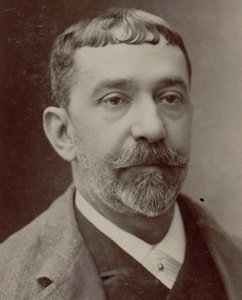
ferdinand victor léon roybet
1840 - 1920
プロフィール概要
- Artistic Movement Or Style: Impressionism
- Artists Or Movements Influenced By This Artist:
- Pierre-Auguste Renoir
- Post-Impressionism
- Artists Who Influenced This Artist:
- Eugène Boudin
- Charles Gleyre
- Date Of Birth: 14 November 1840
- Date Of Death: 5 December 1926
- Full Name: Claude Monet
- Nationality: French
- Notable Artworks:
- Impression, Sunrise
- Water Lilies series
- Rouen Cathedral series
- Place Of Birth: Paris, France

