

 プリントを購入
 シェアする
シェアする シェアする
シェアする
 詳細を見る
詳細を見る

 ダウンロード
 似ている作品
 スライドショー
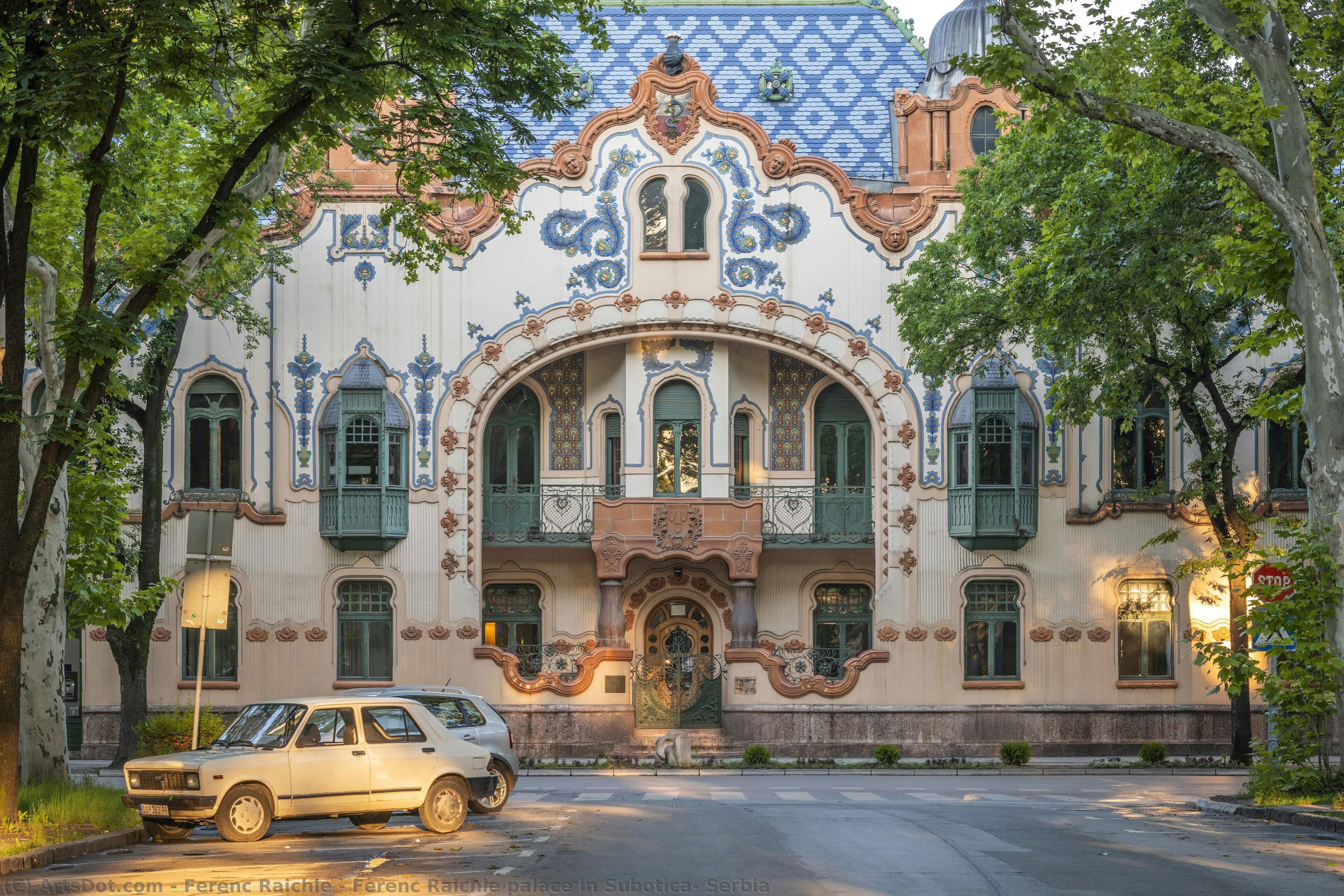
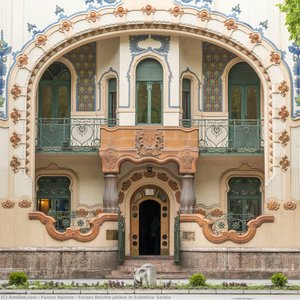
Ferenc Raichle palace in Subotica, Serbia


 詳細を見る
詳細を見る
オンラインプレビューをはるかに凌ぐ、高解像度で鮮明なデジタル画像をご購入いただけます。
各ファイルは、社内の専門家が高度なツールと熟練した手作業によるレタッチを用いて、細心の注意を払って準備されています。すべての画像において、卓越した鮮明度、正確な色彩再現性、そして繊細なディテールを保証いたします。
最終ファイルは、プロフェッショナルな編集・印刷環境ですぐにご利用いただけるよう最適化された状態で、72時間以内にメールにてお届けいたします。これは、一流のデザインスタジオ、出版社、ギャラリーから信頼されているものと同等の品質です。
デジタル画像のご注文に付随する特典
高品質なデジタル画像配信を、確かな品質で。
ArtsDot.com を選ぶことは、単に画像を手に入れることではありません。それは、プロの手によって精密に仕上げられ、満足保証が付いた高品質なデジタルアートワークを受け取ることを意味します。ご注文いただいた際に自動的に付随する内容は、以下の通りです:

メールですぐにお届け
ご注文から72時間以内に、高解像度のデジタル画像ファイルがメールでお手元に届きます。すぐにそのままご利用いただけます。

AI技術で最適化されたデジタルファイル
お客様の作品は、高度なAIツールと専門家による手作業の編集を組み合わせてプロフェッショナルに最適化されており、細部のディテール、鮮明さ、そして正確な色再現性を最大限に引き出しています。

一生涯無料の再送サービス
ファイルを誤って削除したり、紛失してしまったりしましたか?ご安心ください。いつでも無料で再送いたします。

輸入手数料は一切かかりません
関税や手数料、配送料を気にすることなく、お気に入りのアートワークをすぐにお楽しみいただけます。デジタルダウンロードは常に免税です。

色彩再現の保証
プロ仕様のツールとカラーマネジメント技術を用いることで、デジタル画像が元の色を最大限に忠実に再現することを保証いたします。

60日間満足保証
ご購入いただいたデジタル画像にご満足いただけない場合は、60日以内であれば、修正または100%の返金(理由を問う必要はありません)をさせていただきます。

100% 返金保証
ご満足いただけない場合は、デジタルファイルを受け取ってから60日以内であれば、理由を問わず全額返金いたします。

まとめ買い割引
3枚購入で10%OFF - 5枚購入で15%OFF - 10枚以上購入で20%OFF。クリエイティブなプロジェクト、ギャラリー、エージェンシーに最適です。
A Symphony in Stone: The Architectural Splendor of Subotica
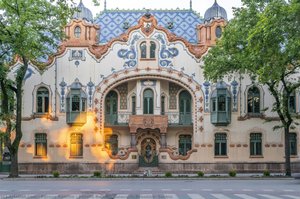
To stand before the Ferenc Raichle Palace in Subotica is to witness a moment where architecture transcends mere utility and ascends into the realm of pure poetry. This magnificent structure, a crowning achievement of the visionary architect Ferenc Raichle, serves as a breathtaking testament to the Art Nouveau spirit that swept through the Austro-Hungarian Empire at the turn of the twentieth century. The facade is not merely a wall, but a living canvas, where every curve and flourish tells a story of elegance and organic grace. As one gazes upon its intricate ornamentation, the eye is drawn into a rhythmic dance of flowing lines and stylized floral motifs that seem to pulse with an inner vitality, bridging the gap between the built environment and the natural world.
The color palette of this architectural masterpiece evokes a sense of nostalgic grandeur. Dominated by soft, muted tones of cream, beige, and pale blue, the building possesses a luminous quality that shifts beautifully under the changing light of an overcast sky. These gentle hues are punctuated by the warmth of terracotta and the subtle, regal glint of gold accents, creating a sophisticated harmony that is both soothing and stimulating. The interplay of light and shadow across the textured stucco and stone surfaces adds a profound sense of depth, making the building appear almost sculptural, as if it were carved from a single, precious block of history.
The Visionary Legacy of Ferenc Raichle
The soul of this palace is inextricably linked to the genius of Ferenc Raichle, an architect who did not merely design buildings but sculpted dreams. Born in Subotica in 1873, Raichle was a master of the Secessionist style, a movement characterized by its rejection of rigid historical revivals in favor of much more fluid, organic forms. His training, steeped in the burgeoning artistic currents of Hungary and Austria, allowed him to weave together diverse cultural influences into a cohesive architectural language. Through his work, Subotica was transformed into a jewel of the Pannonian Plain, a city where stone and mortar could express the most delicate human emotions.
Beyond the physical structure, the palace symbolizes a pivotal era of cultural flourishing and urban identity. It represents a time when craftsmanship was paramount and every decorative tile or metal accent was an opportunity for artistic expression. For the modern collector or interior designer, a reproduction of this architectural marvel offers more than just aesthetic beauty; it provides a window into a lost age of opulence. The palace stands as a symbol of resilience and enduring grace, reminding us that true art is timeless, capable of anchoring a contemporary space with a sense of historical weight and profound cultural significance.
An Inspiration for the Modern Interior
Integrating the essence of Raichle’s masterpiece into a modern interior design scheme offers unparalleled opportunities for sophistication. The geometric patterns and arched windows found within the palace's design can serve as a foundational inspiration for creating spaces that feel both structured and whimsical. Whether used as a focal point in a grand salon or as a subtle textural element in a minimalist study, the imagery of the Subotica Palace brings an air of European prestige and intellectual depth to any collection.
For those seeking to curate an environment that inspires awe, this artwork provides a rich tapestry of textures and tones. The soft, diffused lighting captured in its depiction invites a sense of tranquility, making it an ideal choice for creating serene, contemplative atmospheres. Owning a high-quality reproduction of such a landmark is an invitation to live amongst the echoes of greatness, surrounding oneself with the enduring beauty of the Art Nouveau movement and the unparalleled vision of one of Serbia's most significant architectural pioneers.
関連作品
作家の略歴
Ferenc Raichle: Architect of Dreams in Subotica
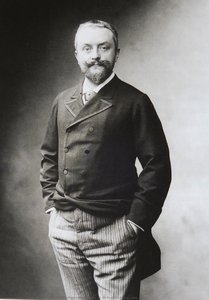
Ferenc Raichle (1873-1935), a Hungarian architect born in Subotica, Serbia, was more than simply a builder; he was a visionary who infused his creations with the vibrant spirit of the Art Nouveau movement. His legacy is inextricably linked to the stunning Palace in Subotica, a building that stands as a testament to his unique style and a pivotal landmark in Serbian architectural history. Raichle’s life unfolded amidst the shifting political landscape of the Austro-Hungarian Empire, shaping his artistic sensibilities and ultimately leading him to become a significant figure in promoting the careers of numerous talented artists within his circle, including Ármin Klein and Sándor Apáti Abta. Early life details remain somewhat obscured, but it's understood he received his architectural training primarily in Hungary or Austria, immersing himself in the burgeoning trends of Art Nouveau design – a style characterized by its organic forms, intricate ornamentation, and celebration of nature.The Eclectic Style of a Serbian Master
Raichle’s architectural style was a captivating blend of influences, drawing upon both Hungarian and Austrian traditions while forging his own distinctive voice. His buildings were rarely straightforward; instead, they presented an eclectic tapestry of elements – ornate stone carvings, stained glass windows depicting fantastical scenes, and meticulously crafted details that demanded close inspection. The Palace in Subotica is undoubtedly the pinnacle of this style, a breathtaking example of Art Nouveau’s exuberance. However, his influence extended beyond this single masterpiece. He was known for incorporating local materials and motifs into his designs, creating buildings that felt both grand and intimately connected to their surroundings. Notably, he skillfully integrated Murano glass mosaics – a testament to the international artistic currents of the time – adding splashes of vibrant color and shimmering beauty to his facades. The heart motif, a recurring symbol in Art Nouveau, appears throughout his work, subtly woven into the design of balconies, doorways, and decorative elements, creating a sense of organic unity.A Circle of Creativity: Raichle’s Patronage
Raichle's influence extended beyond his own architectural practice; he played a crucial role as a patron and mentor to several prominent artists. He fostered the careers of Ármin Klein and his daughters, Terez and Julia, providing them with opportunities to showcase their talents within his buildings. Similarly, he supported Sándor Apáti Abta, a renowned painter, creating a collaborative environment where artistic ideas could flourish. This network of creative individuals contributed significantly to the cultural vibrancy of Subotica during Raichle’s time, solidifying his position as a key figure in the city's artistic community. His willingness to champion emerging artists speaks volumes about his belief in the power of collaboration and the importance of nurturing talent.The Palace in Subotica: A Symbol of Artistic Ambition
The Ferenc Raichle Palace in Subotica is, without exaggeration, the architect’s magnum opus. Construction began in 1903, reflecting Raichle's ambition to create a residence that was both a personal sanctuary and a statement of artistic intent. The building’s design deliberately challenged conventional architectural norms, incorporating elements like the heart motif – a symbol of love and life – throughout its structure. The exterior is adorned with Zsolnay ceramics, sourced from Pécs, Hungary, adding layers of intricate detail and color to the facade. Inside, the palace boasts lavish interiors featuring Murano glass mosaics, intricately carved wood paneling, and stunning stained-glass windows that flood the rooms with colored light. The tower rising above the building is a striking feature, originally equipped with elaborate lighting effects for nighttime celebrations.Legacy and Recognition
Ferenc Raichle’s work continues to be celebrated in Subotica and beyond. The Palace remains a cherished landmark, housing the Gallery of Contemporary Art and offering visitors a glimpse into the architect's remarkable vision. His legacy is also preserved within the Móra Ferenc Museum in Szeged and the Szépművészeti Museum in Budapest, where his designs are studied and admired. The Palace itself was meticulously restored in the early 21st century, ensuring that its beauty and historical significance would be enjoyed for generations to come. Raichle’s influence extends beyond individual buildings; he helped shape the cultural identity of Subotica, leaving an indelible mark on the city's architectural landscape and artistic heritage. His story serves as a reminder of the power of architecture to inspire, uplift, and reflect the spirit of an era.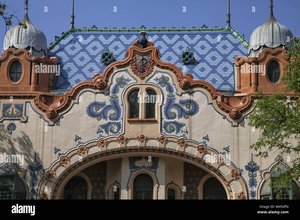
ferenc raichle
1873 - 1935 , Serbia
プロフィール概要
- Artistic Movement Or Style: Art Nouveau
- Artists Or Movements Influenced By This Artist: ['Hungarian Secessionists']
- Artists Who Influenced This Artist: ['Viennese architects']
- Date Of Birth: 1873
- Date Of Death: 1935
- Full Name: Ferenc Raichle
- Nationality: Hungarian
- Notable Artworks: ['Raichle Palace (Subotica)']
- Place Of Birth: Subotica, Serbia

