

 プレビュー
プレビュー
 プリントを購入
 シェアする
シェアする シェアする
シェアする
 詳細を見る
詳細を見る

 ダウンロード
 似ている作品
 X線調査
X線調査 スライドショー
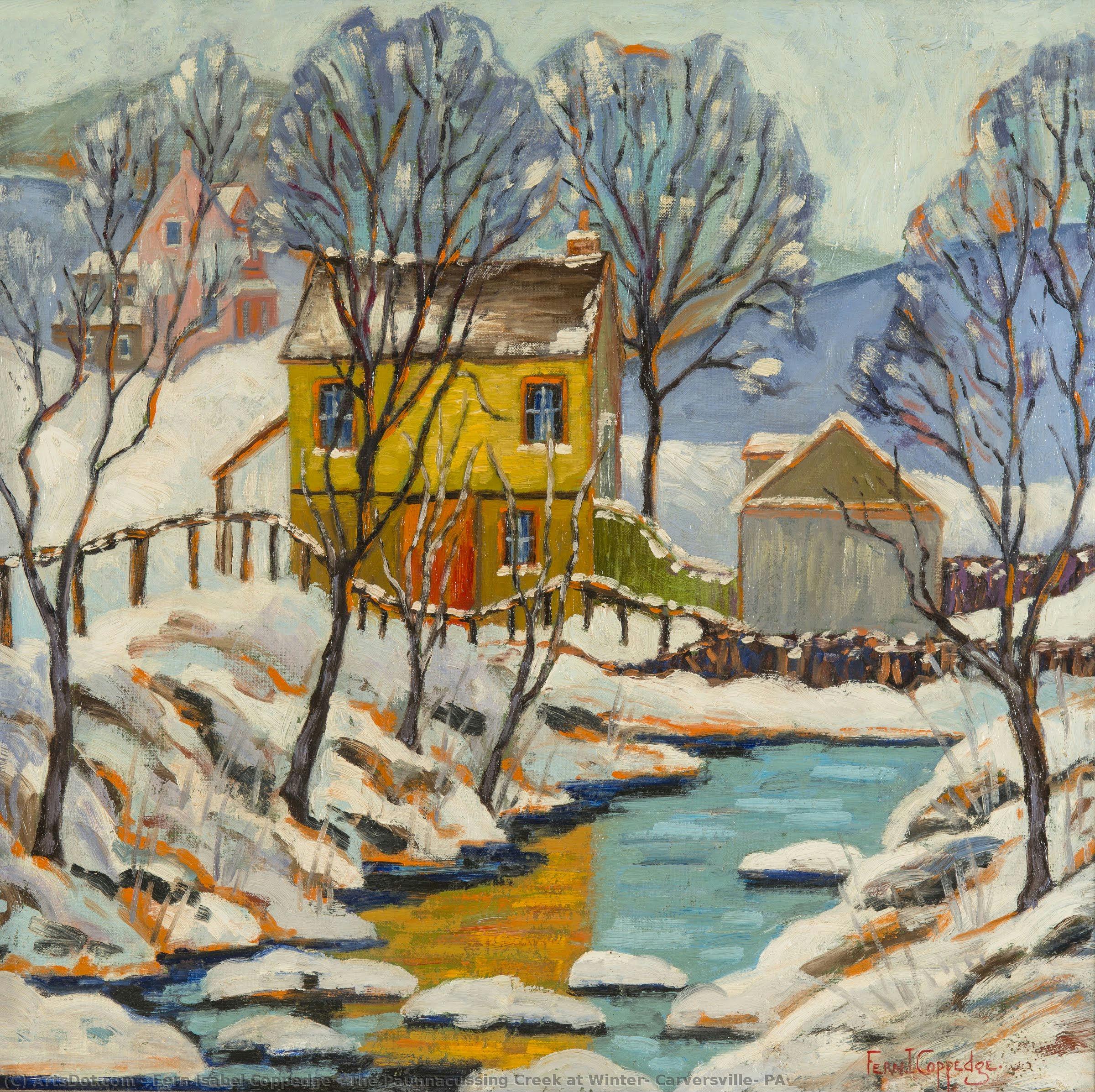
The Paunnacussing Creek at Winter, Carversville, PA


 詳細を見る
詳細を見る




P118B $10

P118H $10

P118W $10

P438Z $10

P508JH $12

P508YH $12

P805H $10

P805Z $10

P919BZ $10

P919G $10

P919XJ $10

P959ZH $10

P968JZ $12

W106C $8

W218G $10

W218JH $8

W218Y $10

W307PJ $10

W316G $10

W316PJ $8

W316Y $10

W398PJ $8

W4111J $10

W500HY $15

W500JH $15

W692G $12

W849H $8

W940BG $15

W953PJ $8




作品のオリジナル比率に合わせた、当店の規定サイズからお選びください。

特定のフレームやスペースに合わせて、ご希望のサイズをご入力いただけます。選択されたサイズが元の画像の比率と異なる場合、アートワークをトリミングするか、手描きで要素を追加して絵画を拡張いたします。デジタルモックアップ を制作し、制作開始前にご確認(承認)をいただきます。
画面上のプレビューは、実際のトリミングや拡張を正確に反映しているものではありません。最終的な構図は、モックアップによってのみ正確にご確認いただけます。
カスタムサイズもご利用いただけますが、元の比率を維持するためには、あらかじめ用意されたリストからサイズを選択することをお勧めいたします。
ご注文後、ArtsDot.com チームより詳細な指示をお送りするとともに、仕上がりイメージ(モックアップ)をご提供いたします。


 ガラスオプションは、110cm未満のサイズでのみご利用いただけます。

The Paunnacussing Creek at Winter, Carversville, PA
複製技法
複製画のサイズ
-


合計金額
$ 263
Fern Isabel Coppedge: Rediscovering Pennsylvania Impressionism
Fern Isabel Coppedge (July 28, 1883 – April 21, 1951) stands as a testament to the enduring beauty found in quiet observation and masterful technique—a cornerstone figure within the New Hope School of American Impressionism and a pivotal contributor to Pennsylvania’s artistic landscape. Though largely overshadowed by her contemporaries during her lifetime, Coppedge's distinctive vision continues to resonate with collectors and scholars alike, revealing a remarkable artist who dedicated herself to capturing the essence of rural Pennsylvania winters. Her work offers a glimpse into a period defined by both artistic innovation and profound connection to the natural world.A Winter’s Embrace: Subject Matter and Composition
“The Paunnacussing Creek at Winter, Carversville, PA,” painted circa 1940, exemplifies Coppedge's unwavering focus on capturing the serene beauty of Bucks County during its frosty months. The scene depicts a modest farmhouse nestled amongst snow-laden trees—a quintessential representation of Pennsylvania’s pastoral charm. Beyond the house itself, a barn stands silently beside it, anchoring the composition and reinforcing the sense of timelessness. Two additional dwellings are subtly incorporated into the background, adding depth to the landscape without distracting from its dominant mood. Coppedge skillfully utilizes perspective to convey the stillness of winter, inviting viewers into a contemplative space.The Impressionist Palette: Technique and Style
Coppedge’s artistic approach aligns perfectly with the tenets of Impressionism—a movement that prioritized capturing fleeting moments of light and color rather than striving for photographic realism. She achieved this goal through layering thin washes of oil paint, allowing colors to blend seamlessly on the canvas. The dominant hues are muted whites and blues, reflecting the snow-covered landscape, punctuated by warmer tones – reds from the farmhouse’s door—creating a harmonious visual balance. Brushstrokes are loose and expressive, conveying texture and movement while simultaneously capturing the diffused glow of winter sunlight. This technique is characteristic of the New Hope School, where artists sought to evoke emotion through color and light rather than detailed representation.Symbolism Within Simplicity: Reflecting Pennsylvania Values
The painting transcends mere depiction; it embodies values central to Pennsylvania’s artistic heritage—a reverence for rural landscapes and a celebration of domestic tranquility. The farmhouse symbolizes resilience and warmth amidst the harshness of winter, representing the enduring spirit of the region's inhabitants. Similarly, the snow itself serves as a powerful symbol of purity and renewal, mirroring the cyclical rhythms of nature. Coppedge’s deliberate choice of subject matter speaks to an artistic impulse rooted in observation and empathy—a desire to convey not just what she saw but also how it felt.Legacy and Rediscovery
Though largely unrecognized during her lifetime, Fern Isabel Coppedge's contribution to American Impressionism has been steadily gaining appreciation in recent years. Her rediscovered work demonstrates a remarkable sensitivity to light and color, cementing her place as an important voice within the New Hope School. Reproductions of “The Paunnacussing Creek at Winter, Carversville, PA” continue to inspire collectors and interior designers alike—a testament to Coppedge’s enduring artistic vision and its ability to transport viewers back to a moment of quiet beauty in Pennsylvania's winter landscape.関連作品
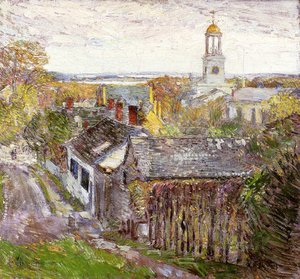
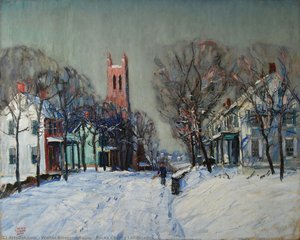
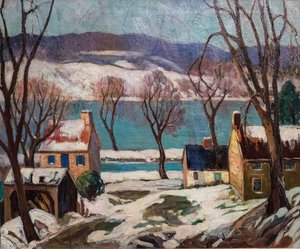
アーティストの略歴
A Vision of Winter: The Luminous Legacy of Fern Isabel Coppedge
Fern Isabel Coppedge stands as a testament to the enduring beauty found in quiet observation and masterful technique—a cornerstone figure within the New Hope School of American Impressionism and a pivotal contributor to Pennsylvania’s artistic landscape. Born in 1883 in Cerro Gordo, Illinois, her journey from the American Midwest to the heart of the Bucks County art scene is a narrative of profound connection to the natural world. Though she may have been overshadowed by some of her more famous contemporaries during her lifetime, Coppedge's distinctive vision continues to resonate with collectors and scholars alike, revealing a remarkable artist who dedicated herself to capturing the ephemeral essence of rural Pennsylvania winters.
Her artistic formation was marked by a rigorous pursuit of excellence, beginning with her studies at the Art Institute of Chicago and continuing through the prestigious Art Students League of New York. It was here that she honed her skills alongside luminaries such as George Bridgman and William Merritt Chase, absorbing the foundational principles of light and form. A deeply personal influence on her work was her marriage to Robert W. Coppedge; by studying botany under his guidance, she developed a scientific yet soulful understanding of plant life. This botanical precision, paired with the classical composition and color theory she mastered at the Pennsylvania Academy of Fine Arts, allowed her to approach landscapes not merely as scenery, but as living, breathing ecosystems.
The Impressionist Spirit of New Hope
The true blossoming of Coppedge’s talent occurred within the idyllic environs of New Hope, Pennsylvania. This region, a sanctuary for Impressionist painters, provided the perfect canvas for her burgeoning style. As a vital member of the New Hope School, she worked in close creative circles with artists like Charles Hawthorne and Granville Otis Barnes. While many of her peers sought to capture grand, sweeping vistas, Coppedge found her true voice in the intimate and the overlooked. She possessed an uncanny ability to transform a simple snow-covered farm or a meandering creek into a scene of profound emotional depth.
Her technique was characterized by a vibrant use of color that defied the traditional expectation of winter as a monochromatic season. In works such as The Paunnacussing Creek at Winter, Carversville, PA and The Delaware in Winter, one observes a masterful interplay of light and shadow. She utilized thick, expressive brushstrokes to mimic the texture of accumulating snow and the crystalline quality of frozen water. Her palette often danced with unexpected blues, violets, and warm ochres, ensuring that even the coldest landscapes felt imbued with a sense of warmth and vitality.
A Lasting Impression on American Art
The historical significance of Fern Isabel Coppedge lies in her ability to elevate the seasonal landscape into a medium of poetic expression. Her work serves as a vital record of a bygone era of American rural life, preserved through the lens of Impressionist innovation. Through her dedication to the local scenery of Bucks County, she helped define the aesthetic identity of Pennsylvania Impressionism, proving that there is immense majesty to be found in the quiet, frozen moments of the natural cycle.
Today, her legacy is defined by several key artistic contributions:
- Mastery of Light: Her ability to capture the specific, fleeting luminosity of sunlight reflecting off snow and ice.
- Botanical Intimacy: A unique perspective that blended scientific observation with Impressionist emotion.
- Regional Identity: Her role in establishing the New Hope School as a significant movement in American art history.
- Emotional Resonance: The creation of tranquil, evocative scenes that invite the viewer into a state of peaceful contemplation.
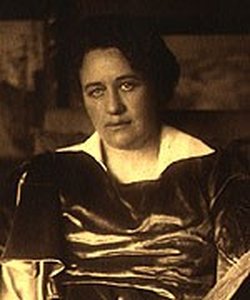
fern isabel coppedge
1883 - 1951 , United States of America
基本情報
- Artistic Movement Or Style: Impressionism
- Artists Who Influenced This Artist:
- Claude Monet
- Pierre-Auguste Renoir
- Date Of Birth: July 28, 1883
- Date Of Death: April 21, 1951
- Full Name: Fern Isabel Coppedge
- Nationality: American
- Notable Artworks:
- October
- The Delaware in Winter
- Back Road to Pipersville
- Place Of Birth: Cerro Gordo, United States
関連記事

Evocations of Place: A Historical Journey Through Landscape Art
Explore the rich history of landscape art with ArtsDot. Discover renowned artists, movements like Impressionism & Romanticism, and expert guidance for collecting timeless pieces. Find your perfect serene escape today!
Evocations of Place: A Historical Journey Through Landscape Art
Explore the rich history of landscape art with ArtsDot. Discover renowned artists, movements like Impressionism & tonalism, and expert guidance for collecting timeless pieces. Find your perfect serene escape today!
Ernest Lawson: A Pioneer of American Impressionism & His Vision of the Rural Landscape
Explore the life & art of Ernest Lawson, a pivotal figure in American Impressionism. Discover his evocative landscapes, influences, and lasting legacy with ArtsDot.
Grant Wood & American Regionalism: Identity, Myth & the Rural Landscape
Explore the world of Grant Wood & American Regionalism with ArtsDot. Discover the symbolism behind 'American Gothic', recurring themes, and the movement's lasting impact on art history. High-quality reproductions available.

ポール・セザンヌ:至高の25選 - 傑作と革新の軌跡 | ArtsDot
ポール・セザンヌの至高の25選。ポスト印象派を代表する画家、セザンヌの傑作と革新的な技法を紐解きます。ArtsDotで高品質な複製画やインテリアアートを見つけ、芸術の世界をご自宅に。今すぐコレクションをご覧ください。

