 プレビュー
プレビュー
 プリントを購入
 シェアする
シェアする シェアする
シェアする
 詳細を見る
詳細を見る

 ダウンロード
 似ている作品
 X線調査
X線調査 スライドショー
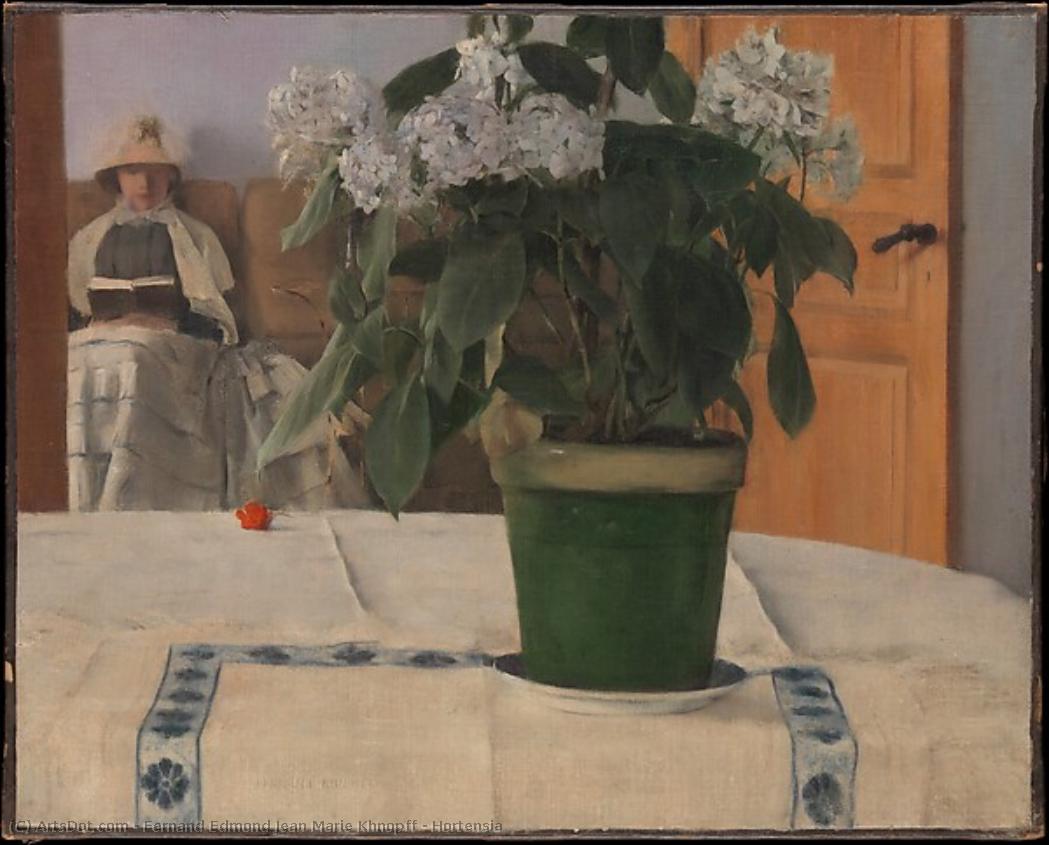
Hortensia
 Acrylic On Canvas
- WallArt
- Symbolism
 1884
1884- 19th Century
 48.0 x 60.0 cm
 メトロポリタン美術館
 詳細を見る
詳細を見る




P118B $10

P118H $10

P118W $10

P438Z $10

P508JH $12

P508YH $12

P805H $10

P805Z $10

P919BZ $10

P919G $10

P919XJ $10

P959ZH $10

P968JZ $12

W106C $8

W218G $10

W218JH $8

W218Y $10

W307PJ $10

W316G $10

W316PJ $8

W316Y $10

W398PJ $8

W4111J $10

W500HY $15

W500JH $15

W692G $12

W849H $8

W940BG $15

W953PJ $8




作品のオリジナル比率に合わせた、当店の規定サイズからお選びください。

特定のフレームやスペースに合わせて、ご希望のサイズをご入力いただけます。選択されたサイズが元の画像の比率と異なる場合、アートワークをトリミングするか、手描きで要素を追加して絵画を拡張いたします。デジタルモックアップ を制作し、制作開始前にご確認(承認)をいただきます。
画面上のプレビューは、実際のトリミングや拡張を正確に反映しているものではありません。最終的な構図は、モックアップによってのみ正確にご確認いただけます。
カスタムサイズもご利用いただけますが、元の比率を維持するためには、あらかじめ用意されたリストからサイズを選択することをお勧めいたします。
ご注文後、ArtsDot.com チームより詳細な指示をお送りするとともに、仕上がりイメージ(モックアップ)をご提供いたします。


 ガラスオプションは、110cm未満のサイズでのみご利用いただけます。

Hortensia
複製技法
複製画のサイズ
-


合計金額
$ 263
作品解説
The Enigmatic Bloom: Unveiling Fernand Khnopff’s Hortensia
Fernand Khnopff, a pivotal figure within the Belgian Symbolist movement, possessed an extraordinary ability to distill emotion and memory into hauntingly beautiful paintings. His 1884 work, “Hortensia,” is not merely a depiction of flowers; it's a carefully constructed meditation on solitude, longing, and the subtle interplay between the visible and the unseen. The painting immediately draws the viewer in with its intimate scale – a mere 48 x 60 centimeters – creating an immediate sense of closeness and vulnerability, as if we’ve been invited into a private moment.
At first glance, the composition appears deceptively simple: a woman seated on a plush couch, absorbed in a book. However, Khnopff masterfully employs a technique that deliberately disrupts this initial impression. The figure of the woman, rendered with a soft, almost ethereal quality, is partially obscured by the shadows and folds of the upholstery, suggesting a detachment from the immediate scene. Her gaze is directed downwards, hinting at introspection rather than engagement with the vibrant floral arrangement before her. This deliberate ambiguity is characteristic of Khnopff’s style – he rarely offers easy answers or straightforward narratives.
A Symphony of Color and Light: Technique and Style
Khnopff's brushwork is remarkably delicate, almost hesitant, contributing to the painting’s overall sense of quiet contemplation. He utilizes a muted palette dominated by soft blues, greens, and browns, creating an atmosphere of subdued elegance. The flowers themselves – hydrangeas, represented with meticulous detail – are rendered in shades of white and purple, their velvety petals seeming to glow softly within the shadows. Notice how Khnopff employs subtle gradations of light and shadow to sculpt the forms, imbuing them with a remarkable sense of volume and texture. This masterful control over light is a hallmark of his technique.
Furthermore, Khnopff’s use of perspective is unconventional. The background elements – the partially visible bookshelf and chair – are rendered with a slightly blurred quality, further emphasizing the central focus on the woman and the flowers. This creates an illusion of depth while simultaneously maintaining a sense of intimacy and immediacy. It's as if we are peering through a veil, glimpsing a fleeting moment in time.
Symbolism and the Language of Dreams
“Hortensia” is rich with symbolic meaning, reflecting Khnopff’s fascination with psychological themes and the realm of dreams. The hydrangeas themselves have long been associated with remembrance and mourning – a poignant detail considering the painting's quiet melancholy. The book held by the woman likely represents knowledge, experience, or perhaps even a barrier between herself and the external world. The red blossom on the table acts as a striking focal point, injecting a burst of color and energy into the otherwise subdued scene, possibly symbolizing passion, desire, or a fleeting moment of joy.
Khnopff’s work aligns closely with the Symbolist movement's emphasis on subjective experience and emotional resonance. He sought to capture not just what he saw but also what he *felt*, creating paintings that resonate deeply with the viewer long after they have been observed. The painting evokes a sense of wistful nostalgia, inviting us to contemplate the beauty and fragility of life’s fleeting moments.
A Legacy of Introspection: Khnopff's Place in Art History
Fernand Khnopff was a key figure in Belgian art history, bridging the gap between Realism and Symbolism. His work profoundly influenced artists like Gustav Klimt, demonstrating his ability to capture the essence of human emotion through evocative imagery and masterful technique. “Hortensia” stands as a testament to his unique vision – a poignant meditation on solitude, beauty, and the enduring power of memory. Reproductions of this captivating artwork offer a window into Khnopff’s world, inviting viewers to lose themselves in its delicate reverie.
関連作品
アーティストの略歴
フェルナン・クノップフ:夢の設計士
フェルナン・エドモン・ジャン・マリー・クノップフ(1858-1921)は、ベルギー美術界において類まれな存在感を放つ人物であり、極めて個人的で、時に心をざわつかせるようなヴィジョンを描き出した象徴主義の巨匠です。ベルギーのグレーフェリンにある裕福なブルジョワ家庭に生まれた彼の若き日は、家族からの期待と、内に秘めた芸術への情熱との複雑な葛藤によって形作られました。この内なる緊張感こそが、後の彼の作品に深い影響を与えることとなります。当初は法曹界への道が約束されていましたが、ブリュッセルの王立美術アカデミーにおいてシャビエ・メレリーの指導を受けたことで、クノップフの真の天職が目覚めました。彼はそこで絵画が持つ喚起力に魅了され、探求を始めたのです。パリへの渡航は彼の初期の歩みにおいて重要な節目となり、ドラクロワ、アングワ、ミレーといった巨匠たちの作品に没入することで、写実性と空想的な夢の世界を融合させた、あの忘れがたい独自のスタイルの礎を築きました。クノレルギーの芸術的旅路は、単なる現実の模倣ではありませんでした。それは、感情、記憶、そして潜在意識の中に流れる隠れた潮流を捉えようとする試みだったのです。象徴主義の言語:主題とモチーフ
クノップフの芸術は象徴主義運動に深く根ざしていますが、彼はその枠組みの中で独自の道を切り拓きました。神話や文学的な主題を露骨に用いた同時代の多くの画家とは異なり、クノップフは極めて心理的な探求に焦点を当てました。彼の描く画面には、静かな沈思、秘められた欲望、そして深い孤独の中に佇む謎めいた人物たち――多くの場合、女性たちが登場します。繰り返されるモチーフとしては、彫刻のような質感さえ感じさせる女性の裸体、捕食者の本能と魅惑的な美しさの両方を象徴するチーター(最も有名なのは「抱擁」においてです)、そして、親しみやすさと同時に言いようのない違和感を抱かせる室内風景などが挙げられます。青、灰色、茶色を基調とした抑えられた色彩設計は、作品全体に漂う憂鬱と内省的な空気感をより一層引き立てています。彼の作品に登場する人物たちは、鑑賞者と直接視線を交わすことは滅多にありません。むしろ、彼らは自分自身のプライベートな世界に没入しているかのようで、私たちを人間体験の神秘へと誘い込みます。 <エール: 「抱擁」とその先へ クノップフの最も名高い作品である「抱擁」(1896年)は、まさに彼の代名詞とも言えるスタイルを体現しています。この絵画には、言葉のない交流に身を委ねているかのような裸体の男女が描かれ、その傍らには欲望と危険の両方を象徴するチーターが潜んでいます。場面全体が柔らかく拡散した光に包まれ、容易な解釈を拒むような夢幻的な雰囲気を醸し出しています。肌の質感や表情の微細な変化に対するクノップフの緻密なこだわりは、作品の空想的な性質を、確かな写実性によって現実の世界へと繋ぎ止めています。他にも、監禁と孤独をテーマとした「私は扉に鍵をかける」(1895年)、アイデンティティと自己省察への忘れがたい瞑想である「鏡」(1897年)、そして、憂鬱なオーラと時代を超越した美しさを纏った妹マルグリットの数々の肖像画などが重要な作品として知られています。これらの絵画は、ありふれた主題を深い心理的探求の手段へと変貌させる、クノップフの類まれな才能を証明しています。影響と遺産:ウィーン分離派とゲザムトクンストヴェルク
クノップフの作品は、19世紀後半のヨーロッパの芸術的景観、特に台頭しつつあった前衛運動に対して多大な影響を与えました。彼の謎めいたスタイルはウィーンの芸術家たちの心に深く響き、とりわけグスタフ・クリムトとの共鳴は顕著でした。1898年のウィーン分離派の第1回展では、クノミップフの作品が数点展示されています。その影響は絵画のみに留まりませんでした。劇場セットやオペラの衣装のデザインを手がけたことも、先見の明を持つ芸術家としての彼の名声を確固たるものにしました。晩年、彼はブリュッセルの自身の邸宅とアトリエにおいて、「ゲザムトクンストヴェルク(総合芸術)」の創造に身を捧げました。モザイクの床、黄金の円、象徴的な調度品を取り入れた緻密に設計されたこの空間は、芸術は人間体験のあらゆる側面を包含すべきであるという彼の芸術哲学を、物理的な形として具現化したものでした。不朽のヴィジョン:芸術家の神殿
1921年にブリュッセルで世を去ったクノップフが遺した作品群は、今なお見る者を魅了し、問いかけ続けています。彼の絵画は単なる美しいイメージではありません。それは、人間の精神の深淵へと潜り込み、私たち自身の不安や欲望と向き合い、存在の神秘を考察するための招待状なのです。クノップフの遺産は、極めて個人的でありながら普遍的な共鳴を呼ぶ芸術を生み出したその能力にあります。それは象徴主義の永続的な力と、ベルギーが生んだ巨匠の先見的な天才性の証です。彼の作品は、写実性と空想的な夢幻性という比類なき融合によって描かれた、人間体験の美しさと複雑さを伝える、切なる記憶として残り続けています。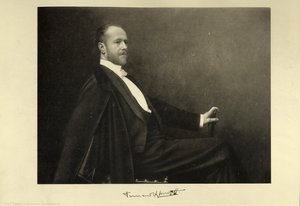
フェルナン・クノップフ
1858 - 1921 , ベルギー
基本情報
- Artistic Movement Or Style: 象徴主義
- Artists Or Movements Influenced By This Artist:
- ウィーン分離派
- イギリス・ラファエル前派
- Artists Who Influenced This Artist:
- バーン=ジョーンズ
- ミルリス
- Date Of Birth: 1858年9月12日
- Date Of Death: 1921年11月12日
- Full Name: フェルナン・エドモン・ジャン・マリー・クノップフ
- Nationality: ベルギー
- Notable Artworks:
- 愛撫
- 私は扉に鍵をかける
- Place Of Birth: ベルギー、グレーフェリンゲン
関連記事
Blossoming Symbolism: A Historical Journey Through Flowers in Western Painting
Explore the rich history of flower symbolism in Western painting! Discover how artists from the Renaissance to Modernism used blossoms to convey meaning, emotion & beauty. Learn about iconic artworks and movements.
Blossoms of Time: A Historical Journey Through Flower Painting
Explore the captivating history of flower painting! Discover Dutch masters, symbolic meanings, & botanical art. Expert insights & high-quality reproductions at ArtsDot.
Blossoms of Time: A Historical & Aesthetic Exploration of Floral Painting Across Cultures
Explore the rich history of floral painting! Discover symbolism, techniques & masterpieces from Van Huysum to O'Keeffe. Expert insights for art lovers & collectors at ArtsDot.

ポール・セザンヌ:至高の25選 - 傑作と革新の軌跡 | ArtsDot
ポール・セザンヌの至高の25選。ポスト印象派を代表する画家、セザンヌの傑作と革新的な技法を紐解きます。ArtsDotで高品質な複製画やインテリアアートを見つけ、芸術の世界をご自宅に。今すぐコレクションをご覧ください。
Marianne North's Masterpieces: 25 Botanical Paintings That Bloom With Adventure | ArtsDot
Journey through the vibrant world of Marianne North’s botanical paintings! Explore 25 iconic artworks from this Victorian artist, celebrating exotic flora & travel. Find museum-quality reproductions and curated decor ideas at ArtsDot.com.