

 プレビュー
プレビュー
 シェアする
シェアする シェアする
シェアする
 詳細を見る
詳細を見る

 ダウンロード
 似ている作品
 X線調査
X線調査 スライドショー
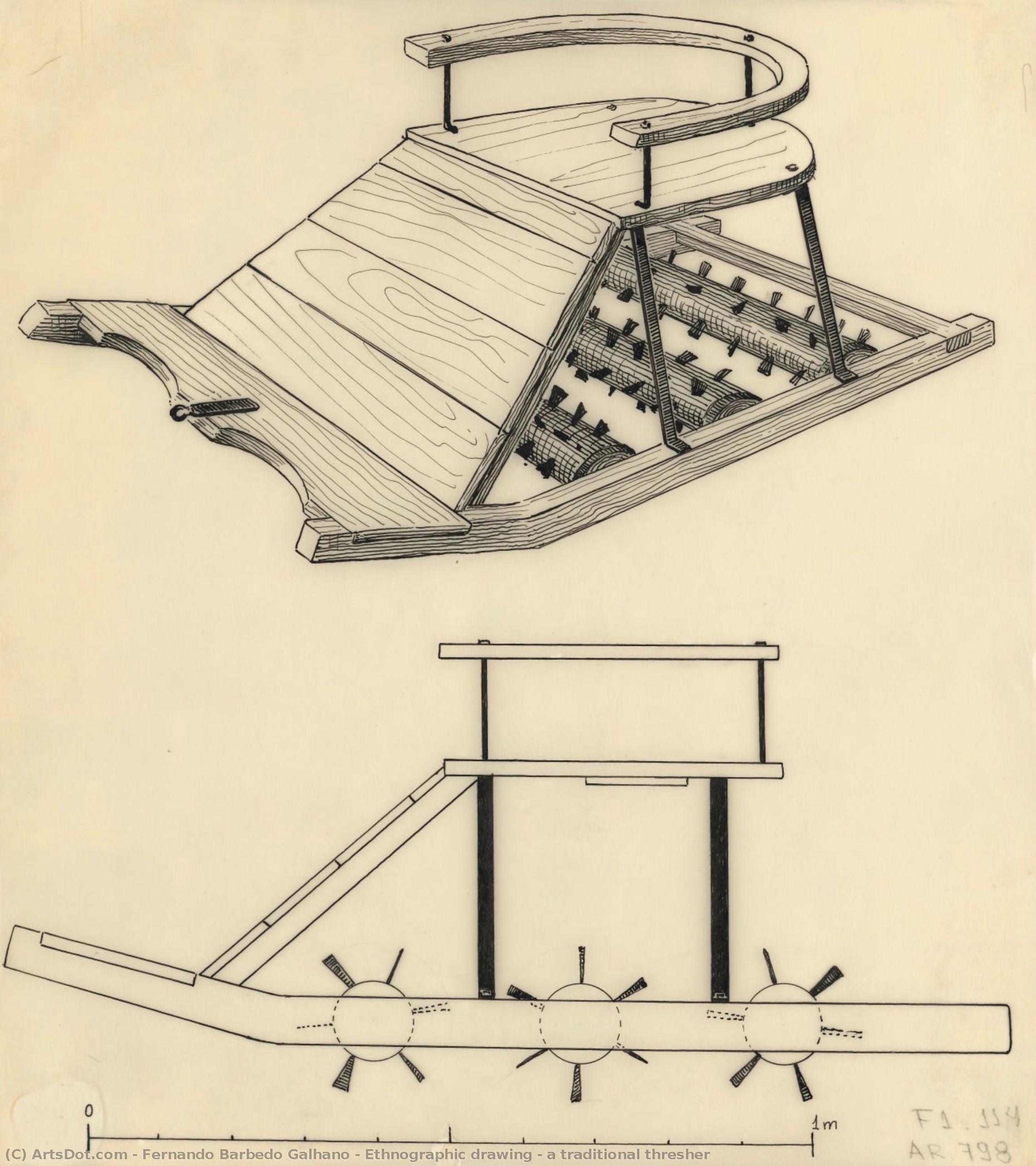
Ethnographic drawing - a traditional thresher
 Drawing
- WallArt
- Ethnographic Realism
 1900
1900- Modern
 43.0 x 30.0 cm
 National Museum of Ethnology
 詳細を見る
詳細を見る
ジークレー/アートプリント
迅速な制作と多彩な仕上げオプションを備えた、ミュージアムクオリティのジークレーまたはキャンバスプリント。 ( 手描きの絵画を購入 画像を購入)




P118B $10

P118H $10

P118W $10

P438Z $10

P508JH $12

P508YH $12

P805H $10

P805Z $10

P919BZ $10

P919G $10

P919XJ $10

P959ZH $10

P968JZ $12

W106C $8

W218G $10

W218JH $8

W218Y $10

W307PJ $10

W316G $10

W316PJ $8

W316Y $10

W398PJ $8

W4111J $10

W500HY $15

W500JH $15

W692G $12

W849H $8

W940BG $15

W953PJ $8




作品のオリジナル比率に合わせた、当店の規定サイズからお選びください。

特定のフレームやスペースに合わせて、ご自身でサイズを指定することも可能です。選択されたサイズが元の画像の比率と一致しない場合、作品をトリミングするか、鏡面反射または単色での塗りつぶしによって画像を拡張いたします。制作を開始する前に、ご確認用のデジタルモックアップをお送りいたします。
画面上のプレビューには、実際のトリミングや拡張は反映されませんのでご注意ください。最終的な構図を正確に確認できるのは、モックアップのみとなります。
カスタムサイズも承っておりますが、元の比率を維持するためには、あらかじめ用意されたリストからサイズを選択することをお勧めいたします。


 ガラスオプションは、110cm未満のサイズでのみご利用いただけます。

Ethnographic drawing - a traditional thresher
ジークレー/アートプリント
複製画のサイズ
-


合計金額
$ 62
A Window into a Vanished Era
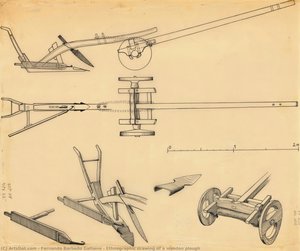
In the delicate lines of "Ethnographic drawing - a traditional thresher," we are transported back to the turn of the twentieth century, a time when the rhythm of human life was dictated by the seasons and the mechanical ingenuity of manual labor. This exquisite drawing by the Portuguese master Fernando Barbedo Galhano serves as more than just a technical illustration; it is a poignant piece of visual archaeology. Through his meticulous hand, we encounter a complex wooden thresher, an intricate assembly of timber and metal that once stood at the heart of agricultural life. The composition captures the structural soul of the machine, detailing the large central wheel, the smaller supporting gears, and even the presence of a chair positioned for the operator, suggesting a silent, ghostly presence of the laborer who once commanded this device.
The artistry lies in Galhano's ability to marry the precision of an ethnographer with the soul of a fine artist. Every stroke conveys the weight of the wood and the cold reality of the metal components. There is a profound sense of structural honesty in the work, where the interplay of light and shadow defines the depth of the wheels and the complexity of the interconnected parts. For the collector or the interior designer, this piece offers a sophisticated layer of texture and historical gravity. It does not merely decorate a wall; it anchors a room with a sense of heritage and the quiet dignity of traditional craftsmanship.
The Intersection of Art and Ethnography
To understand this work, one must look through the eyes of Galhano himself—a man who was as much a researcher as he was a painter. As a key figure in the Centro de Estudos de Etnografia Peninsular, his mission was to document the vanishing cultural nuances of Portugal. This drawing is a testament to that scholarly devotion. The technique used here reflects a disciplined observation, where the artist seeks to preserve the mechanical logic of the thresher for future generations. There is no unnecessary flourish; instead, there is a rhythmic clarity that celebrates the functional beauty of pre-industrial technology.
The emotional impact of the piece stems from its nostalgic resonance. In an age of digital ephemeralness and mass production, Galhano’s depiction of a singular, tactile, and labor-intensive tool evokes a deep longing for authenticity. It invites the viewer to contemplate the relationship between humanity and the earth, and the ingenuity required to sustain life through mechanical harmony. For those seeking to curate a space that reflects intellectual depth and a respect for history, this reproduction offers an unparalleled opportunity to possess a fragment of Portugal's cultural soul.
関連作品
アーティストの略歴
フェルナンド・バルベド・ガリャーノ、このポルトガル人芸術家は、美術と民族学の世界に消えることのない足跡を残しました。1904年にポルトで生まれ、1995年にその生涯を閉じたガリャーノの人生は、画家、研究者、イラストレーター、そして民族学者としての多才な才能を証明するものでした。
幼少期と教育
ガリャーノの芸術的な旅路は、ポルトにおいて巨匠アルトゥール・ロウレイロの指導を受けることから始まりました。この基礎的な訓練は、彼の絵画技術を研ぎ澄ませただけでなく、ポルトガルという国の文化的な機微に対する深い敬愛の念を彼の中に植え付けました。1937年、1943年、19デックス46年、1951年、そして1954年に開催されたサロン・シルヴァ・ポルト展への参加は、ポルトガルの芸術界における彼の存在をより確固たるものにしました。
民族学への貢献
1948年、彼は「イベリア半島民族学研究センター」の一員として、ジョルジュ・ディアス、エルネスト・ヴェイガ・デ・オリヴェイラ、ベンジャミン・ペレイラといった著名な人物たちと協力しました。この活動は彼のキャリアにおける重要な節目となり、当時の屈指の民族学的イラストレーターとしての地位を確立させました。彼の作品は極めて幅広いテーマを網羅しており、その筆致には以下のような情景が息づいています。
- 牛車:ポルトガルの伝統的な輸送手段の証として。
- 民衆建築:ポルトガルにおける風土建築の本質を記録しています。 ប
- 農具:この国の農業景観を形作ってきた道具たちに光を当てています。
- 輸送システム、籠細工、陶器、テキスタイル技術、そして製粉システム:ポルトガルの多様な文化的慣習を包括的に描き出しています。
- 漁業:ポルトガルの海洋文化の真髄を捉えています。
遺産と影響
ガリャーノが遺したレガシーは、彼自身の時代を遥かに超えて広がっています。リスボンの国立民族学博物館の創設者の一人として、彼はポルトガルの文化的遺産を保存する上で極めて重要な役割を果たしました。彼の数千に及ぶドローイングは、ポルトガル文化の様々な側面を記録しているだけでなく、かつての植民地へと繋がる窓としての役割も果たしています。
- ガリャーノの作品は、研究者にとっても芸術愛好家にとっても宝の山であり、ポルトガル人の生活の複雑な機微を垣間見せてくれます。
- 民族学への彼の貢献は世界的に認められており、彼がこの時代で最も影響力のある芸術家の一人であることを決定づけました。
- ガリャントの遺志は、今なお新しい世代の芸術家、研究者、そして民族学者たちにインスピレーションを与え続けています。
結論
フェルナンド・バルベド・ガリャーノの生涯は、芸術、研究、そして民族学が織りなす豊かなタペストリーでした。その作品を通じて、彼は美術界に消えない刻印を残し、彼の足跡を辿る人々に光を与え続けています。
- ガリャーノのさらなる作品についてはこちらをご覧ください:https://ArtsDot.com/@/fernando-barbedo-galhano
- リスボンの国立民族学博物館とその創設の物語をこちらで発見してください:https://ArtsDot.com/@@/museu-nacional-de-etnologia-lisbon-portugal
- 民族学的イラストレーションとその芸術界における重要性について詳しく知る:https://en.wikipedia.org/wiki/ethnographic_illustration
参考文献
- フェルナンド・バルベド・ガリャーノ、Wikipedia。
- 国立民族学博物館、リスボン、ポルトガル - https://ArtsDot.com/@@/museu-nacional-de-etnologia-lisbon-portugal
- イベリア半島民族学研究センター、ポルトガル - https://ArtsDot.com/@/centro-de-estudos-de-etnografia-peninsular
フェルナンド・バルベルド・ガルハノ
1904 - 1995 , ポルトガル
関連記事
The Nuances of Graphite: Exploring Emotional Depth & Technical Mastery in Pencil Drawing
Explore the captivating world of graphite drawing! Discover its rich history, master essential techniques like chiaroscuro, and learn how artists evoke emotion through this timeless medium. Expert insights for art enthusiasts.

The Enduring Power of Line: Exploring Themes & Techniques in Drawing Across Art History
Explore the rich history of drawing! Discover key techniques like linear perspective & iconic artists from the Renaissance to modern times. Enhance your art appreciation with ArtsDot.

The Eloquent Line: Exploring the Artistic Significance of Sketches Across Movements and Media
Explore the profound artistic significance of sketches throughout history. From Renaissance masters to modern innovators like Van Gogh & Guston, discover how these foundational works reveal technique, emotion, and vision. Learn more at ArtsDot.
大英博物館の至宝25選:歴史と芸術が織りなす感動の旅 | ArtsDot
大英博物館の至宝25選:歴史を彩る絵画、彫刻の世界へ。印象派から古代美術まで、名作の背景と芸術家の情熱に迫ります。ArtsDotで高品質なアート複製やインテリアをお楽しみください。オンラインで全コレクションをご覧ください。
Frederick Bridgman: Anatomical Mastery & the Evolution of Figure Drawing Instruction
Explore the anatomical mastery of George B. Bridgman & his revolutionary figure drawing techniques. Discover how his methods transformed art instruction and continue to inspire artists today. Learn more at ArtsDot.

