

 プレビュー
プレビュー
 プリントを購入
 シェアする
シェアする シェアする
シェアする
 詳細を見る
詳細を見る

 ダウンロード
 似ている作品
 X線調査
X線調査 スライドショー
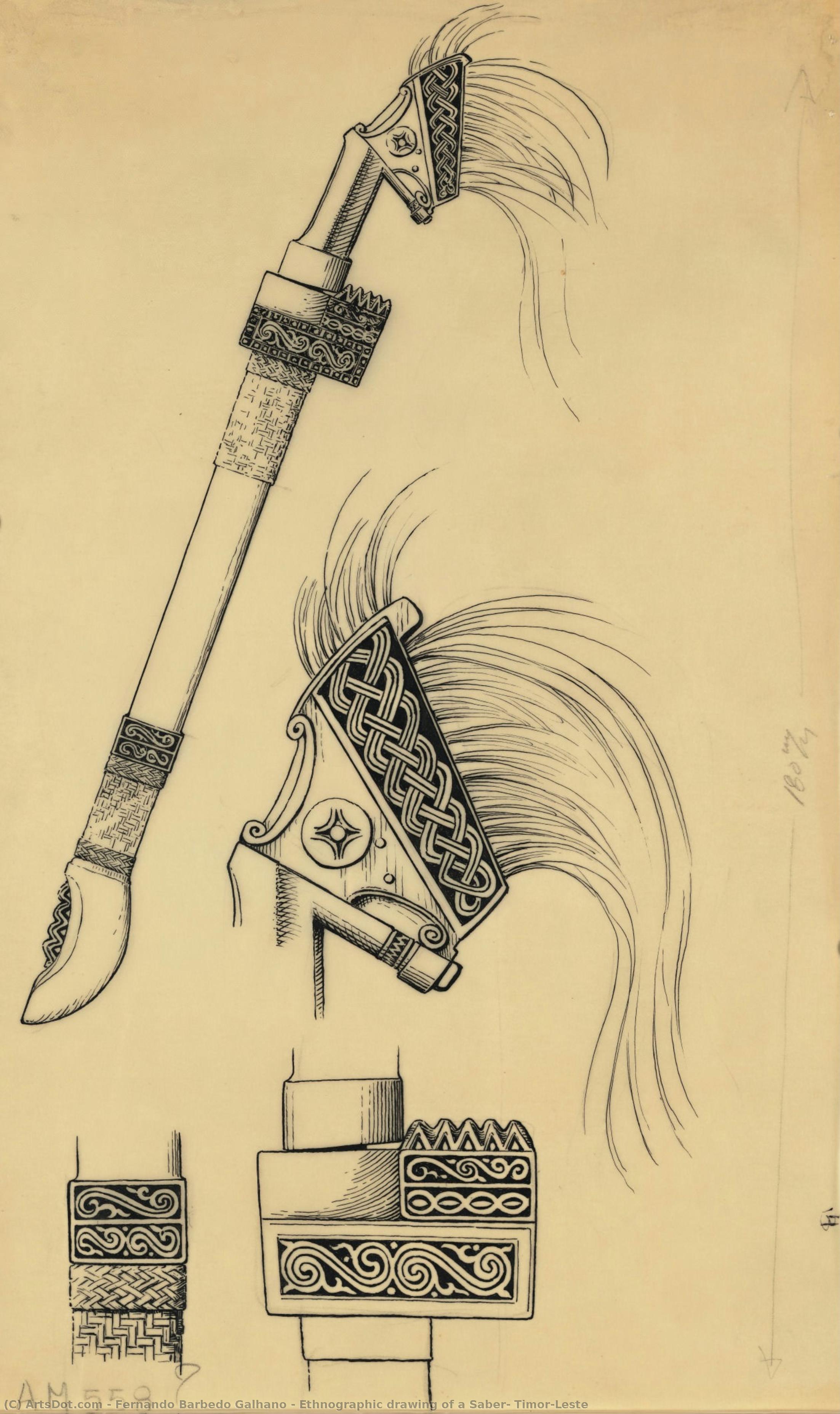
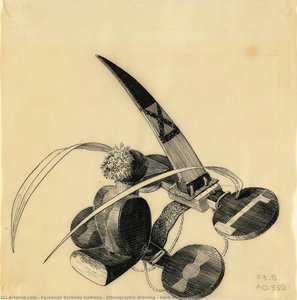
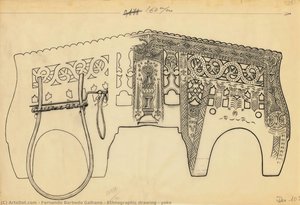
Ethnographic drawing of a Saber, Timor-Leste
 Drawing
- WallArt
- Ethnographic Illustration
 1900
1900- 19th Century
 61.0 x 43.0 cm
 National Museum of Ethnology
 詳細を見る
詳細を見る




P118B $10

P118H $10

P118W $10

P438Z $10

P508JH $12

P508YH $12

P805H $10

P805Z $10

P919BZ $10

P919G $10

P919XJ $10

P959ZH $10

P968JZ $12

W106C $8

W218G $10

W218JH $8

W218Y $10

W307PJ $10

W316G $10

W316PJ $8

W316Y $10

W398PJ $8

W4111J $10

W500HY $15

W500JH $15

W692G $12

W849H $8

W940BG $15

W953PJ $8




作品のオリジナル比率に合わせた、当店の規定サイズからお選びください。

特定のフレームやスペースに合わせて、ご希望のサイズをご入力いただけます。選択されたサイズが元の画像の比率と異なる場合、アートワークをトリミングするか、手描きで要素を追加して絵画を拡張いたします。デジタルモックアップ を制作し、制作開始前にご確認(承認)をいただきます。
画面上のプレビューは、実際のトリミングや拡張を正確に反映しているものではありません。最終的な構図は、モックアップによってのみ正確にご確認いただけます。
カスタムサイズもご利用いただけますが、元の比率を維持するためには、あらかじめ用意されたリストからサイズを選択することをお勧めいたします。
ご注文後、ArtsDot.com チームより詳細な指示をお送りするとともに、仕上がりイメージ(モックアップ)をご提供いたします。


 ガラスオプションは、110cm未満のサイズでのみご利用いただけます。

Ethnographic drawing of a Saber, Timor-Leste
複製技法
複製画のサイズ
-


合計金額
$ 263
作品解説
A Window into Cultural Heritage: The Saber of Timor-Leste
In this exquisite ethnographic drawing, the renowned Portuguese artist Fernando Barbedo Galhano invites us into a world of profound historical significance and ceremonial splendor. Created around 1900, the piece serves as more than just a technical illustration; it is a meticulous window into the soul of Timor-Leste's cultural identity. The subject—a ceremonial saber—is presented with such precision that one can almost feel the weight of the metal and the delicate texture of the organic adornments. Galhano’s work transcends simple documentation, capturing the essence of an artifact that likely once stood as a symbol of authority, nobility, and ancestral pride.
The composition is masterfully centered, drawing the eye immediately to the intricate contours of the weapon. Surrounding the blade, Galhano has integrated stylized elements, including a horse's head adorned with feathers and decorative bands, which provide a rich narrative context. This juxtaposition of the sharp, lethal edge of the saber with the soft, organic beauty of the plumage creates a captivating visual tension. It suggests a duality of purpose: the weapon as an instrument of power and the artistry as a tribute to the natural world and the high status of its owners.
Mastery of Line and Technical Brilliance
The technique employed in this drawing is a testament to Galhano’s rigorous training under the master Artur Loureiro. Utilizing a sophisticated approach to black and white rendering, the artist employs hatching and cross-hatching to breathe life into a monochromatic palette. Through the varying density of these fine lines, he achieves a remarkable illusion of texture—simulating the cold, reflective sheen of polished metal against the airy, light-catching fluffiness of ceremonial feathers. There is a rhythmic quality to his strokes that guides the viewer through the complex geometric shapes and flowing curves of the artifact.
While the style leans toward the precision of a technical blueprint or an ethnographic study, it avoids the sterile nature of mere scientific recording. Instead, the deliberate use of shadow and light—created entirely through overlapping lines rather than direct light sources—imbues the piece with a subtle, haunting depth. For the discerning collector or interior designer, this work offers a sophisticated interplay of light and dark, making it an ideal focal point for spaces that value intellectual depth and classical elegance.
Symbolism and Aesthetic Resonance in Modern Interiors
Beyond its historical value, this drawing carries a powerful symbolic weight. It evokes notions of strength, heritage, and the enduring legacy of human craftsmanship. The stylized horse and decorative motifs speak to a time when art and utility were inextricably linked, serving as markers of social hierarchy and cultural continuity. To possess a reproduction of such a piece is to bring a sense of worldly wisdom and historical gravity into a contemporary environment.
For those looking to curate an atmosphere of refined distinction, this artwork offers unparalleled versatility. Its monochromatic palette allows it to integrate seamlessly into various design aesthetics, from the minimalist and modern to the richly layered and traditional. Whether placed in a scholarly study, a grand hallway, or a curated gallery wall, Galhano’s drawing acts as a conversation piece—a silent yet eloquent storyteller that honors the intricate beauty of our shared human history.
関連作品
アーティストの略歴
フェルナンド・バルベド・ガリャーノ、このポルトガル人芸術家は、美術と民族学の世界に消えることのない足跡を残しました。1904年にポルトで生まれ、1995年にその生涯を閉じたガリャーノの人生は、画家、研究者、イラストレーター、そして民族学者としての多才な才能を証明するものでした。
幼少期と教育
ガリャーノの芸術的な旅路は、ポルトにおいて巨匠アルトゥール・ロウレイロの指導を受けることから始まりました。この基礎的な訓練は、彼の絵画技術を研ぎ澄ませただけでなく、ポルトガルという国の文化的な機微に対する深い敬愛の念を彼の中に植え付けました。1937年、1943年、19デックス46年、1951年、そして1954年に開催されたサロン・シルヴァ・ポルト展への参加は、ポルトガルの芸術界における彼の存在をより確固たるものにしました。
民族学への貢献
1948年、彼は「イベリア半島民族学研究センター」の一員として、ジョルジュ・ディアス、エルネスト・ヴェイガ・デ・オリヴェイラ、ベンジャミン・ペレイラといった著名な人物たちと協力しました。この活動は彼のキャリアにおける重要な節目となり、当時の屈指の民族学的イラストレーターとしての地位を確立させました。彼の作品は極めて幅広いテーマを網羅しており、その筆致には以下のような情景が息づいています。
- 牛車:ポルトガルの伝統的な輸送手段の証として。
- 民衆建築:ポルトガルにおける風土建築の本質を記録しています。 ប
- 農具:この国の農業景観を形作ってきた道具たちに光を当てています。
- 輸送システム、籠細工、陶器、テキスタイル技術、そして製粉システム:ポルトガルの多様な文化的慣習を包括的に描き出しています。
- 漁業:ポルトガルの海洋文化の真髄を捉えています。
遺産と影響
ガリャーノが遺したレガシーは、彼自身の時代を遥かに超えて広がっています。リスボンの国立民族学博物館の創設者の一人として、彼はポルトガルの文化的遺産を保存する上で極めて重要な役割を果たしました。彼の数千に及ぶドローイングは、ポルトガル文化の様々な側面を記録しているだけでなく、かつての植民地へと繋がる窓としての役割も果たしています。
- ガリャーノの作品は、研究者にとっても芸術愛好家にとっても宝の山であり、ポルトガル人の生活の複雑な機微を垣間見せてくれます。
- 民族学への彼の貢献は世界的に認められており、彼がこの時代で最も影響力のある芸術家の一人であることを決定づけました。
- ガリャントの遺志は、今なお新しい世代の芸術家、研究者、そして民族学者たちにインスピレーションを与え続けています。
結論
フェルナンド・バルベド・ガリャーノの生涯は、芸術、研究、そして民族学が織りなす豊かなタペストリーでした。その作品を通じて、彼は美術界に消えない刻印を残し、彼の足跡を辿る人々に光を与え続けています。
- ガリャーノのさらなる作品についてはこちらをご覧ください:https://ArtsDot.com/@/fernando-barbedo-galhano
- リスボンの国立民族学博物館とその創設の物語をこちらで発見してください:https://ArtsDot.com/@@/museu-nacional-de-etnologia-lisbon-portugal
- 民族学的イラストレーションとその芸術界における重要性について詳しく知る:https://en.wikipedia.org/wiki/ethnographic_illustration
参考文献
- フェルナンド・バルベド・ガリャーノ、Wikipedia。
- 国立民族学博物館、リスボン、ポルトガル - https://ArtsDot.com/@@/museu-nacional-de-etnologia-lisbon-portugal
- イベリア半島民族学研究センター、ポルトガル - https://ArtsDot.com/@/centro-de-estudos-de-etnografia-peninsular
フェルナンド・バルベルド・ガルハノ
1904 - 1995 , ポルトガル
関連記事

The Nuances of Graphite: Exploring Emotional Depth & Technical Mastery in Pencil Drawing
Explore the captivating world of graphite drawing! Discover its rich history, master essential techniques like chiaroscuro, and learn how artists evoke emotion through this timeless medium. Expert insights for art enthusiasts.

The Enduring Power of Line: Exploring Themes & Techniques in Drawing Across Art History
Explore the rich history of drawing! Discover key techniques like linear perspective & iconic artists from the Renaissance to modern times. Enhance your art appreciation with ArtsDot.
Frederick Bridgman: Anatomical Mastery & the Evolution of Figure Drawing Instruction
Explore the anatomical mastery of George B. Bridgman & his revolutionary figure drawing techniques. Discover how his methods transformed art instruction and continue to inspire artists today. Learn more at ArtsDot.

The Eloquent Line: Exploring the Artistic Significance of Sketches Across Movements and Media
Explore the profound artistic significance of sketches throughout history. From Renaissance masters to modern innovators like Van Gogh & Guston, discover how these foundational works reveal technique, emotion, and vision. Learn more at ArtsDot.
大英博物館の至宝25選:歴史と芸術が織りなす感動の旅 | ArtsDot
大英博物館の至宝25選:歴史を彩る絵画、彫刻の世界へ。印象派から古代美術まで、名作の背景と芸術家の情熱に迫ります。ArtsDotで高品質なアート複製やインテリアをお楽しみください。オンラインで全コレクションをご覧ください。

