

 プレビュー
プレビュー
 プリントを購入
 シェアする
シェアする シェアする
シェアする
 詳細を見る
詳細を見る

 ダウンロード
 似ている作品
 X線調査
X線調査 スライドショー
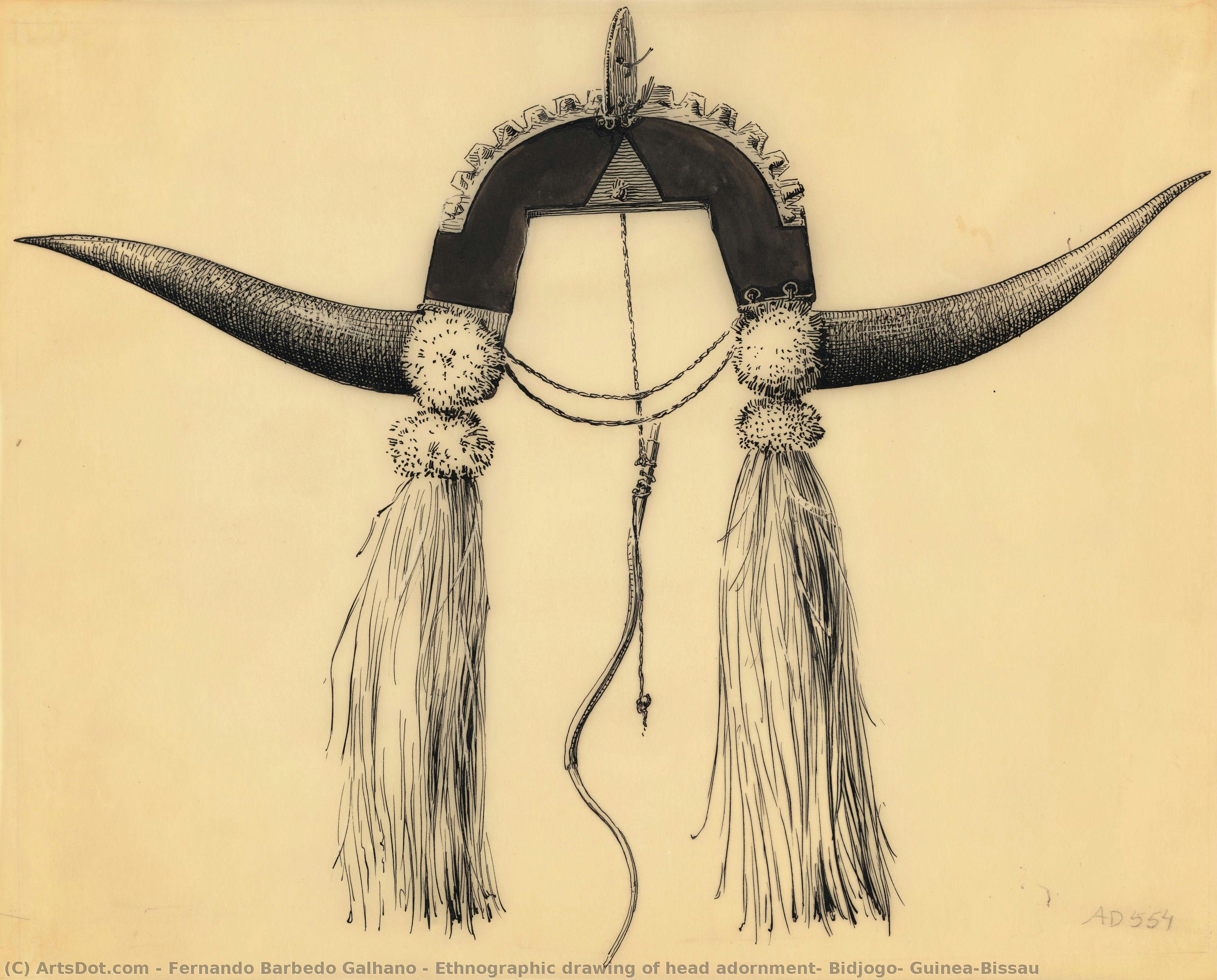
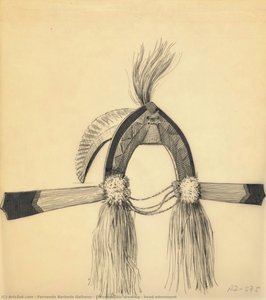
Ethnographic drawing of head adornment, Bidjogo, Guinea-Bissau
 Drawing
- WallArt
 1900
1900- 19th Century
 61.0 x 43.0 cm
 National Museum of Ethnology
 詳細を見る
詳細を見る
オンラインプレビューをはるかに凌ぐ、高解像度で鮮明なデジタル画像をご購入いただけます。
各ファイルは、社内の専門家が高度なツールと熟練した手作業によるレタッチを用いて、細心の注意を払って準備されています。すべての画像において、卓越した鮮明度、正確な色彩再現性、そして繊細なディテールを保証いたします。
最終ファイルは、プロフェッショナルな編集・印刷環境ですぐにご利用いただけるよう最適化された状態で、72時間以内にメールにてお届けいたします。これは、一流のデザインスタジオ、出版社、ギャラリーから信頼されているものと同等の品質です。
デジタル画像のご注文に付随する特典
高品質なデジタル画像配信を、確かな品質で。
ArtsDot.com を選ぶことは、単に画像を手に入れることではありません。それは、プロの手によって精密に仕上げられ、満足保証が付いた高品質なデジタルアートワークを受け取ることを意味します。ご注文いただいた際に自動的に付随する内容は、以下の通りです:

メールですぐにお届け
ご注文から72時間以内に、高解像度のデジタル画像ファイルがメールでお手元に届きます。すぐにそのままご利用いただけます。

AI技術で最適化されたデジタルファイル
お客様の作品は、高度なAIツールと専門家による手作業の編集を組み合わせてプロフェッショナルに最適化されており、細部のディテール、鮮明さ、そして正確な色再現性を最大限に引き出しています。

一生涯無料の再送サービス
ファイルを誤って削除したり、紛失してしまったりしましたか?ご安心ください。いつでも無料で再送いたします。

輸入手数料は一切かかりません
関税や手数料、配送料を気にすることなく、お気に入りのアートワークをすぐにお楽しみいただけます。デジタルダウンロードは常に免税です。

色彩再現の保証
プロ仕様のツールとカラーマネジメント技術を用いることで、デジタル画像が元の色を最大限に忠実に再現することを保証いたします。

60日間満足保証
ご購入いただいたデジタル画像にご満足いただけない場合は、60日以内であれば、修正または100%の返金(理由を問う必要はありません)をさせていただきます。

100% 返金保証
ご満足いただけない場合は、デジタルファイルを受け取ってから60日以内であれば、理由を問わず全額返金いたします。

まとめ買い割引
3枚購入で10%OFF - 5枚購入で15%OFF - 10枚以上購入で20%OFF。クリエイティブなプロジェクト、ギャラリー、エージェンシーに最適です。
A Window into Cultural Heritage
In the delicate lines of Fernando Barbedo Galhano’s Ethnographic drawing of head adornment, Bidjogo, Guinea-Bissau, we find much more than a mere illustration; we encounter a profound dialogue between art and anthropology. Created in 1900, this evocative piece serves as a silent witness to the rich, ancestral traditions of the Bidjogo people. The artwork captures the striking essence of a ceremonial horned hat, rendered with a precision that honors both the physical structure of the object and the cultural spirit it represents. Through his masterful use of monochrome tones, Galhano invites the viewer to peer through the veil of time, stripping away the distractions of color to focus entirely on the intricate textures and the rhythmic geometry of the tassels and horns.
The composition is centered around the imposing silhouette of the headpiece, where the sharp, upward reach of the horns meets the soft, cascading descent of yarn-like tassels. Each stroke of the artist's hand seems to contemplate the weight and significance of these adornments. There is a palpable sense of reverence in the way the details are documented—from the subtle fraying of the strings to the structural integrity of the hat itself. For the collector or the lover of fine art, this piece offers an intimate encounter with a vanished moment of ethnographic documentation, making it a centerpiece that commands attention through its historical gravity and aesthetic purity.
The Intersection of Artistry and Ethnography
Fernando Barbedo Galhano was a rare talent who bridged the gap between the aesthetic beauty of fine art and the rigorous observation of ethnography. His training under the master Artur Loureiro in Porto provided him with a sophisticated technical foundation, yet his soul was deeply attuned to the nuances of human culture. This specific drawing exemplifies his ability to use the medium of painting to preserve the ephemeral. The technique employed here is one of meticulous observation; the artist does not merely draw an object, he documents a legacy. The interplay of light and shadow within the black and white medium creates a sculptural quality, giving the head adornment a three-dimensional presence that feels almost tactile.
For interior designers and curators, this artwork offers a unique opportunity to introduce a sense of global history and intellectual depth into a space. Whether placed in a contemporary gallery setting or a classic study, the piece acts as a sophisticated focal point. Its monochromatic palette ensures it integrates seamlessly with diverse color schemes, while its subject matter provides an endless source of conversation and contemplation. To possess a reproduction of this work is to hold a fragment of the National Museum of Ethnology’s collection, bringing the storied halls of Lisbon into the intimacy of one's own home.
Symbolism and Emotional Resonance
Beyond its technical brilliance, the drawing resonates on an emotional level by evoking the concept of identity. The head adornment is not merely a costume; it is a symbol of status, ritual, and communal belonging within the Bidjogo culture. As we gaze upon the intricate tassels and the formidable horns, we are reminded of the human impulse to decorate, to signify, and to honor the sacred through craftsmanship. There is a haunting beauty in the solitude of the object presented against the void, a quality that evokes feelings of nostalgia and respect for the enduring strength of tradition.
This piece transcends simple decoration to become an emotional anchor within a room. It speaks of the resilience of culture and the importance of memory. For those seeking to curate a collection that reflects a worldly perspective and an appreciation for the human story, Galhano’s work stands as an incomparable choice. It is an invitation to reflect on our shared global heritage, captured through the eyes of a master who saw beauty in the most profound details of human existence.
関連作品

![Indian Tobacco Shop Sign [obverse, Indian Facing Left] — ウィンズロー・ホマー, American Realism](/media/artworks/images-thumb/23/47/234786c2828c25069cd7d401f9f6d842.jpg)
作家の略歴
フェルナンド・バルベド・ガリャーノ、このポルトガル人芸術家は、美術と民族学の世界に消えることのない足跡を残しました。1904年にポルトで生まれ、1995年にその生涯を閉じたガリャーノの人生は、画家、研究者、イラストレーター、そして民族学者としての多才な才能を証明するものでした。
幼少期と教育
ガリャーノの芸術的な旅路は、ポルトにおいて巨匠アルトゥール・ロウレイロの指導を受けることから始まりました。この基礎的な訓練は、彼の絵画技術を研ぎ澄ませただけでなく、ポルトガルという国の文化的な機微に対する深い敬愛の念を彼の中に植え付けました。1937年、1943年、19デックス46年、1951年、そして1954年に開催されたサロン・シルヴァ・ポルト展への参加は、ポルトガルの芸術界における彼の存在をより確固たるものにしました。
民族学への貢献
1948年、彼は「イベリア半島民族学研究センター」の一員として、ジョルジュ・ディアス、エルネスト・ヴェイガ・デ・オリヴェイラ、ベンジャミン・ペレイラといった著名な人物たちと協力しました。この活動は彼のキャリアにおける重要な節目となり、当時の屈指の民族学的イラストレーターとしての地位を確立させました。彼の作品は極めて幅広いテーマを網羅しており、その筆致には以下のような情景が息づいています。
- 牛車:ポルトガルの伝統的な輸送手段の証として。
- 民衆建築:ポルトガルにおける風土建築の本質を記録しています。 ប
- 農具:この国の農業景観を形作ってきた道具たちに光を当てています。
- 輸送システム、籠細工、陶器、テキスタイル技術、そして製粉システム:ポルトガルの多様な文化的慣習を包括的に描き出しています。
- 漁業:ポルトガルの海洋文化の真髄を捉えています。
遺産と影響
ガリャーノが遺したレガシーは、彼自身の時代を遥かに超えて広がっています。リスボンの国立民族学博物館の創設者の一人として、彼はポルトガルの文化的遺産を保存する上で極めて重要な役割を果たしました。彼の数千に及ぶドローイングは、ポルトガル文化の様々な側面を記録しているだけでなく、かつての植民地へと繋がる窓としての役割も果たしています。
- ガリャーノの作品は、研究者にとっても芸術愛好家にとっても宝の山であり、ポルトガル人の生活の複雑な機微を垣間見せてくれます。
- 民族学への彼の貢献は世界的に認められており、彼がこの時代で最も影響力のある芸術家の一人であることを決定づけました。
- ガリャントの遺志は、今なお新しい世代の芸術家、研究者、そして民族学者たちにインスピレーションを与え続けています。
結論
フェルナンド・バルベド・ガリャーノの生涯は、芸術、研究、そして民族学が織りなす豊かなタペストリーでした。その作品を通じて、彼は美術界に消えない刻印を残し、彼の足跡を辿る人々に光を与え続けています。
- ガリャーノのさらなる作品についてはこちらをご覧ください:https://ArtsDot.com/@/fernando-barbedo-galhano
- リスボンの国立民族学博物館とその創設の物語をこちらで発見してください:https://ArtsDot.com/@@/museu-nacional-de-etnologia-lisbon-portugal
- 民族学的イラストレーションとその芸術界における重要性について詳しく知る:https://en.wikipedia.org/wiki/ethnographic_illustration
参考文献
- フェルナンド・バルベド・ガリャーノ、Wikipedia。
- 国立民族学博物館、リスボン、ポルトガル - https://ArtsDot.com/@@/museu-nacional-de-etnologia-lisbon-portugal
- イベリア半島民族学研究センター、ポルトガル - https://ArtsDot.com/@/centro-de-estudos-de-etnografia-peninsular
フェルナンド・バルベルド・ガルハノ
1904 - 1995 , ポルトガル

