

 プレビュー
プレビュー
 プリントを購入
 シェアする
シェアする シェアする
シェアする
 詳細を見る
詳細を見る

 ダウンロード
 似ている作品
 X線調査
X線調査 スライドショー
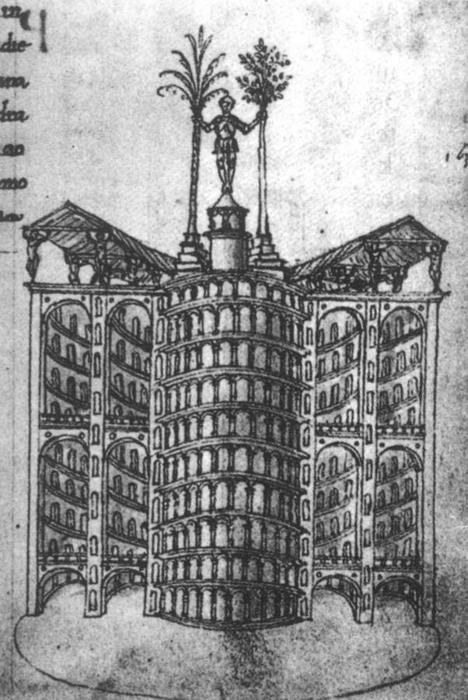
Page from the Trattato d'architettura


 詳細を見る
詳細を見る




P118B $10

P118H $10

P118W $10

P438Z $10

P508JH $12

P508YH $12

P805H $10

P805Z $10

P919BZ $10

P919G $10

P919XJ $10

P959ZH $10

P968JZ $12

W106C $8

W218G $10

W218JH $8

W218Y $10

W307PJ $10

W316G $10

W316PJ $8

W316Y $10

W398PJ $8

W4111J $10

W500HY $15

W500JH $15

W692G $12

W849H $8

W940BG $15

W953PJ $8




作品のオリジナル比率に合わせた、当店の規定サイズからお選びください。

特定のフレームやスペースに合わせて、ご希望のサイズをご入力いただけます。選択されたサイズが元の画像の比率と異なる場合、アートワークをトリミングするか、手描きで要素を追加して絵画を拡張いたします。デジタルモックアップ を制作し、制作開始前にご確認(承認)をいただきます。
画面上のプレビューは、実際のトリミングや拡張を正確に反映しているものではありません。最終的な構図は、モックアップによってのみ正確にご確認いただけます。
カスタムサイズもご利用いただけますが、元の比率を維持するためには、あらかじめ用意されたリストからサイズを選択することをお勧めいたします。
ご注文後、ArtsDot.com チームより詳細な指示をお送りするとともに、仕上がりイメージ(モックアップ)をご提供いたします。


 ガラスオプションは、110cm未満のサイズでのみご利用いただけます。

Page from the Trattato d'architettura
複製技法
複製画のサイズ
-


合計金額
$ 263
作品解説
A Glimpse into Filarete’s Utopian City
The meticulously rendered drawing, “Page from the Trattato d’Architettura,” offers a captivating window into the mind of Filarete, a Florentine architect and military engineer who profoundly influenced Renaissance urban planning. Dating back to 1465, this intricate sketch isn't merely an architectural plan; it’s a visionary depiction of a utopian city – a testament to the burgeoning humanist ideals that sought to reconcile classical principles with practical innovation. The drawing, executed in precise pen and ink on likely paper or vellum, immediately draws the eye with its towering central structure, reminiscent of a fortified palace rising from a cloud-like foundation. This deliberate juxtaposition speaks volumes about Filarete’s ambition: to elevate human aspiration towards the heavens while grounding it firmly in earthly practicality.
Decoding the Architectural Language
The composition is remarkably balanced, employing a clear sense of symmetry and proportion characteristic of Renaissance design. A central figure, likely representing authority or perhaps even divine guidance, surveys the sprawling complex below. The repetitive use of arches, windows, and balconies creates a rhythmic visual flow, guiding the viewer’s eye through the intricate details. Notice how Filarete masterfully utilizes perspective – though rudimentary by modern standards – to suggest depth and scale within the drawing. The geometric shapes—squares, rectangles, circles—are not simply decorative; they represent the fundamental building blocks of order and harmony that underpinned Renaissance thought. The dense network of lines, meticulously drawn, evokes the texture of stone or brickwork, hinting at the solidity and permanence of this imagined city.
Historical Context: Filarete’s Legacy
Understanding the historical context is crucial to appreciating the significance of this drawing. Filarete (Francesco di Giorgio Ghiberti) was a pivotal figure in the transition from Gothic to Renaissance architecture. He served as chief architect for Florence under Lorenzo de' Medici and championed a style that blended elements of Roman design with innovative engineering solutions. His ‘Trattato d’Architettura,’ a comprehensive treatise on architecture, aimed to codify principles of construction and urban planning based on classical knowledge. This drawing is not just a sketch; it’s a key excerpt from this influential work, demonstrating Filarete's theoretical approach to creating grand, functional cities. The late 15th century was a period of intense intellectual ferment in Italy, fueled by the rediscovery of ancient texts and a renewed interest in classical art and philosophy – all of which profoundly shaped Filarete’s vision.
Symbolism and Emotional Resonance
The towering structure itself is laden with symbolic meaning. Rising from a cloud-like base suggests an aspiration towards the divine, mirroring the Renaissance fascination with human potential and its connection to higher realms. The intricate details—the elaborate windows, the soaring arches—represent not just architectural skill but also a celebration of human ingenuity and mastery over nature. The drawing evokes a sense of awe and wonder, inviting us to contemplate the possibilities of urban design and the ambition of humankind. It’s a powerful reminder that architecture can be more than simply functional; it can be a vehicle for expressing ideals, shaping perceptions, and inspiring dreams.
A Reproduction Worth Admiring
This meticulously reproduced image captures the essence of Filarete's original drawing with remarkable fidelity. The subtle tonal variations, achieved through careful rendering in ink, create a sense of depth and texture that is both visually engaging and historically authentic. Whether displayed as a statement piece in a contemporary setting or studied by art historians, this reproduction offers a compelling glimpse into the mind of a Renaissance visionary – a testament to the enduring power of architectural imagination.
関連作品
アーティストの略歴
新時代の幕開け:1400年代の芸術を探る
15世紀は、美術史における極めて重要な転換点として刻まれています。それは、ゴシック様式の厳格な形式美が、ルネサンスという新たなうねりとともに、芽生え始めたダイナミズムと人間主義へと譲り渡していく、深遠なる変革の時代でした。この時代はしばしば単一の「ルネサンス」として語られがちですが、実際にはより繊細な様相を呈しており、ヨーロッパ各地で異なる展開を見せながら、確立された伝統と革命的な革新との間で魅力的な相互作用が繰り広げられていました。本稿では、この変革の世紀を形作った芸術家たちの世界に深く分け入り、彼らの生涯、作品、そして後世に残した不朽の遺産を紐解いていきます。ここで忘れてはならないのは、芸術運動にラベルを貼ることは、往々にして物事を単純化しすぎているということです。140世紀は、突発的な革命というよりも、複雑な芸術的景観の中で様々な様式やアプローチが共存しながら進んだ、緩やかな移行の時代であったのです。初期の影響:ゴシックの遺産と立ち現れる様式
1400年代初頭の芸術家たちは、中世後期の伝統、特にゴシック様式に深く根ざしていました。天に向かってそびえ立つ垂直性、緻密な装飾、そして宗教的な象徴性の強調を特徴とするゴシック美術は、その後の発展のための基礎的な枠組みを提供しました。しかし、この時期においてさえ、すでに微かな変化の兆しは見えていました。ジェンティーレ・ダ・ファブリアーノ(1370年頃-1427年)のような芸術家は、精緻な彩色写本や板絵を通じて後期ゴシック様式を体現しました。彼の作品『十字架の担ぎ』に見られるような細部への執着と豊かな色彩感覚は、まさにこの時代の象徴と言えるでしょう。また、「フランドルの巨匠」としても知られるロベール・カンピン(1375年頃-1444年)は、宗教的な場面の中に日常の風景を写実的に描き出すことで、この様式をさらに洗練させ、人間像をより自然主義的に捉えようとする高まる関心を表現しました。同時に、北ヨーロッパではヤン・ファン・エイクのような芸術家たちが油彩画の実験を行っていました。この媒体は後に絵画技法に革命をもたらし、かつてないほどの細密描写と輝きを可能にすることになります。さらに、金箔の使用や象徴的な図像を用いたビザンティン美術の影響も、この世紀を通じて感じられ続け、多くの芸術家にとって豊かなインスピレーションの源泉であり続けました。フィレンツェの革新:ヒューマニズムの台頭
1400年代、フィレンツェは芸術的革新の震源地として浮上しました。その大きな原動力となったのは、メディチ家をはじめとする富裕な一族によるパトロン活動でした。この都市国家は、古典古代への再発見と人間の可能性への賛美を掲げる「ヒューマニズム(人文主義)」の理想が、芸術家や知識人たちの間で受け入れられる土壌を育みました。フィリッポ・ブルネレスキ(1377年-1446年)は、当初はフィレンツェ洗礼堂の扉のデザインといった建築的功績で知られていましたが、遠近法の緻密な研究を通じて絵画にも多大な貢献を果たしました。この技法は後にルネサンス美術の中核を成すものとなります。ロレンツォ・ギベルティ(1378年頃-1455年)は、同じ洗礼堂の扉の制作コンペティションに勝利し、芸術的技能とパトロネージュがいかにフィレンツェ文化を形作る力を持つかを証明しました。また、後世に多大な影響を与えた彫刻家ドナテッロ(1386年頃-1466年)は、その作品において写実主義と感情表現の限界を押し広げました。特に彼の象徴的なブロンズ像『ダヴィデ』は、従来の美や英雄像の概念を覆す革命的な聖書的英雄の描写でした。そしてマサッチオ(1401年-1428年)は、線遠近法とキアロスクロ(明暗法)を導入し、ブランカッチ礼拝堂のフレスコ画に見られるような奥行きと立体感を生み出した、ルネサンス絵画の先駆者の一人と見なされています。イタリアを超えて:ヨーロッパ全土に広がる芸術の展開
フィレンツェが変革を牽引した一方で、芸術の発展はイタリアに留まることはありませんでした。フランドル(現在のベルギー)では、ヤン・ファン・エイク(1390年頃-1441年)やロヒール・ファン・デル・ウェイデン(1390年頃-1464年)といった芸術家たちが油彩技法の先駆者となり、肖像画や宗教画において驚異的な細密さと写実性を達成しました。ブルージュで活動したリムブルフ兄弟は、遠近法と色彩理論への洗練された理解を示す、極めて精緻な彩色写本を制作しました。スペインにおいても、ペドロ・ベルルゲテ(1407年頃-1463年)のような芸術家たちが、イタリア・ルネサンスの要素を取り入れながらゴシック様式を発展させ続けました。ヨーロッパ全土において、芸術家たちは新しい素材、技法、主題を実験しており、それは当時の社会、政治、そして知的な変容を映し出していたのです。遺産と歴史的意義
1400年代は、芸術的思考における根本的な転換期でした。それは、純粋に象徴的な表現から、より自然主義的で人間中心のアプローチへの移行でした。遠近法、解剖学、そして色彩理論における革新は、次世紀の盛期ルネサンス(ハイ・ルネサンス)の礎を築きました。ドナテッロやマサッチオといった芸術家たちは、確立された慣習に挑戦し、後世の芸術家たちが新たな可能性を探求するための道を切り拓いたのです。この時代はゴシックの伝統との連続性を持ちつつも、ルネサンスを定義づけることになる芸術的達成への決定的な一歩を象徴していました。それは、人間の創造性と革新が持つ不朽の力を証明するものと言えるでしょう。1400年代の芸術家たちが遺したレガシーは、今なお現代の芸術にインスピレーションを与え続け、西洋美術の豊かで複雑な歴史を私たちに語りかけています。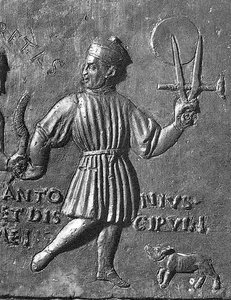
フィラレーテ
1400 - 1469 , イタリア
基本情報
- Artistic Movement Or Style: 初期ルネサンス
- Artists Or Movements Influenced By This Artist: ['ルネサンス美術']
- Artists Who Influenced This Artist: ['ゴシック期の芸術家']
- Date Of Death: 1469年
- Nationality: イタリア
- Notable Artworks:
- ジェンティーレ・ダ・ファブリアーノの祭壇画
- ロバート・カンピンの降誕
関連記事

The Nuances of Graphite: Exploring Emotional Depth & Technical Mastery in Pencil Drawing
Explore the captivating world of graphite drawing! Discover its rich history, master essential techniques like chiaroscuro, and learn how artists evoke emotion through this timeless medium. Expert insights for art enthusiasts.
The Art of Italian Living: Transform Your Home with Timeless Landscapes and Renaissance Masterpieces
Elevate your home with the timeless romance of Italy. Discover expert-curated, hand-painted Italian landscapes and Renaissance-inspired masterpieces. From bespoke oil reproductions to custom portraits from photos, transform your space with elegance and artistic passion.
パリ・オルセー美術館の至宝25選:印象派とポスト印象派の名作を巡る旅 | ArtsDot
パリ・オルセー美術館の至宝25選。モネ、デガ、ゴッホ…印象派とポスト印象派の名作を紐解き、その感動的な物語と色彩に触れる旅へ。ArtsDotで高品質な複製画やアートプリントを見つけ、お部屋に名画の輝きを。今すぐコレクションをご覧ください。

The Enduring Power of Line: Exploring Themes & Techniques in Drawing Across Art History
Explore the rich history of drawing! Discover key techniques like linear perspective & iconic artists from the Renaissance to modern times. Enhance your art appreciation with ArtsDot.
Mario Sironi: A Poetic of Modern Italian Identity Through Symbolism & Social Commentary
Explore the profound works of Mario Sironi, a key figure in Italian Modernism. Discover his evolution from Futurism to Metaphysical painting and his powerful social commentary. Learn about his legacy at ArtsDot.

