

 プレビュー
プレビュー
 シェアする
シェアする シェアする
シェアする
 詳細を見る
詳細を見る

 ダウンロード
 似ている作品
 X線調査
X線調査 スライドショー
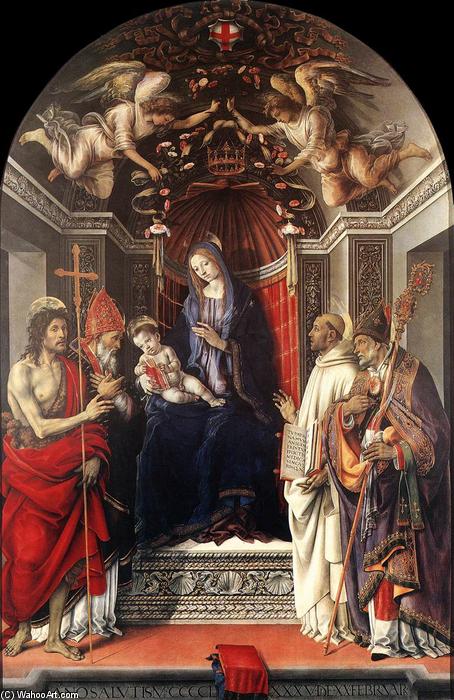
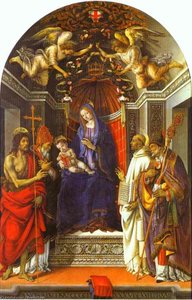
Signoria Altarpiece (Pala degli Otto)
 Acrylic On Canvas
- WallArt
- High Renaissance
 1486
1486 355.0 x 255.0 cm
 ウフィツィ美術館
 詳細を見る
詳細を見る
ジークレー/アートプリント
迅速な制作と多彩な仕上げオプションを備えた、ミュージアムクオリティのジークレーまたはキャンバスプリント。 ( 手描きの絵画を購入 画像を購入)




P118B $10

P118H $10

P118W $10

P438Z $10

P508JH $12

P508YH $12

P805H $10

P805Z $10

P919BZ $10

P919G $10

P919XJ $10

P959ZH $10

P968JZ $12

W106C $8

W218G $10

W218JH $8

W218Y $10

W307PJ $10

W316G $10

W316PJ $8

W316Y $10

W398PJ $8

W4111J $10

W500HY $15

W500JH $15

W692G $12

W849H $8

W940BG $15

W953PJ $8




作品のオリジナル比率に合わせた、当店の規定サイズからお選びください。

特定のフレームやスペースに合わせて、ご自身でサイズを指定することも可能です。選択されたサイズが元の画像の比率と一致しない場合、作品をトリミングするか、鏡面反射または単色での塗りつぶしによって画像を拡張いたします。制作を開始する前に、ご確認用のデジタルモックアップをお送りいたします。
画面上のプレビューには、実際のトリミングや拡張は反映されませんのでご注意ください。最終的な構図を正確に確認できるのは、モックアップのみとなります。
カスタムサイズも承っておりますが、元の比率を維持するためには、あらかじめ用意されたリストからサイズを選択することをお勧めいたします。


 ガラスオプションは、110cm未満のサイズでのみご利用いただけます。

Signoria Altarpiece (Pala degli Otto)
ジークレー/アートプリント
複製画のサイズ
-


合計金額
$ 62
作品詳細説明
Signoria Altarpiece (Pala degli Otto): A Renaissance Masterpiece Illuminated
The Signoria Altarpiece, formally known as Pala degli Otto, stands as a testament to Filippino Lippi’s mastery of High Renaissance artistic principles and his collaborative spirit within Florence's vibrant cultural landscape. Painted in 1486, this monumental wooden panel depicts the Virgin Mary cradling Jesus Christ amidst an ensemble of saints—John the Baptist, Victor, Bernard, and Zenobius—creating a scene brimming with religious devotion and visual splendor.
Photographic Detail: The painting’s luminous palette – dominated by rich reds, deep blues, and opulent purples – immediately draws the eye. Careful observation reveals intricate detailing in drapery folds, facial expressions, and architectural ornamentation. Light plays across surfaces with remarkable realism, enhancing the sense of depth and conveying a palpable atmosphere of solemn reverence.
Artist Biography & Early Career: Filippino Lippi (1457 – 1504), born into an illegitimate union between Fra Filippo Lippi and Lucrezia Buti, benefited from his father’s considerable artistic influence. Initially apprenticed to Andrea Mantegna, Lippi honed his skills in Padua before embarking on a prolific career marked by collaborations with luminaries like Perugino, Ghirlandaio, and Botticelli at Lorenzo de' Medici’s villa. His early works showcased a somewhat restrained style, initially attributed to an anonymous artist known as “amico di Sandro,” but swiftly evolved into a more personal and expressive approach.
Style & Technique: Lippi’s signature style embodies the ideals of the High Renaissance – characterized by balanced compositions, idealized figures, and masterful use of perspective. The altarpiece exemplifies this ethos through its carefully constructed pyramidal structure, directing the viewer's gaze towards Mary and Christ at its apex. Employing tempera on wood—a technique favored for its durability and ability to achieve brilliant colors—Lippi meticulously layered pigments onto the surface, achieving remarkable textural richness and luminosity. Notably, scholars debate whether Leonardo da Vinci influenced Lippi’s artistic vision, citing similarities in compositional techniques and color palettes.
Historical Context & Symbolism: Commissioned for the Lesser Council Hall of Palazzo Vecchio—Florence's seat of government—the Pala degli Otto reflects the humanist fervor of the era. The depiction of Mary and Christ symbolizes divine grace and redemption, while the saints represent various facets of Christian faith and piety. The prominent crosses serve as reminders of Christ’s sacrifice and underscore the spiritual significance of the scene. Furthermore, Lippi's meticulous attention to architectural detail—evident in the gilded reliefs adorning the panel—mirrors the revival of classical ideals prevalent during the Renaissance.
Emotional Impact & Legacy: The Signoria Altarpiece transcends mere visual representation; it communicates profound emotion – compassion, serenity, and unwavering faith. Its enduring beauty continues to inspire artists and collectors alike, cementing Lippi’s place as one of Florence's foremost painters and a pivotal figure in the artistic canon of the High Renaissance.
関連作品
アーティストの略歴
フィリッピーノ・リッピの生涯と芸術的探求
1457年、イタリアのプラトで生まれたフィリッピーノ・リッピは、ルネサンス美術界に独自の輝きを放った画家です。父は名高い画家フラ・フィリッピーノ・リッピであり、非嫡子として誕生した彼の芸術への道は、幼少の頃から父の指導によって開かれました。父の影響を受けながらも、フィリッピーノは自身の才能を開花させ、初期ルネサンス様式から盛期ルネサンスへと移行する過渡期において重要な役割を果たしました。芸術的キャリアの発展
1475年から1480年頃にかけての初期の頃、フィリッピーノは主に聖母マリア像などの作品を手がけました。これらの初期作品は、まだ洗練されていない部分があり、「サンドロの友」という匿名の画家のもとに帰属されることもありました。しかし、1480年から1485年にかけて、彼はより個人的で効果的な表現方法を確立し始めます。『トビアスの旅』はその代表例であり、彼の才能が徐々に開花していく様子がうかがえます。そして、1485年から1504年までの成熟期には、『キリストの聖母への出現』に象徴されるように、盛期ルネサンス様式を完全に習得し、その卓越した技術と表現力を発揮しました。主要な作品と共同制作
フィリッピーノ・リッピは、ペルジーノ、ギルランダイオ、ボッティチェリといった同時代の画家たちと、ロレンツォ・デ・メディチの別荘におけるフレスコ画の制作に携わりました。また、マサッチョが未完のまま残したブロンキ教会礼拝堂の装飾をマゾリーノと共に完成させるという重要な任務も担いました。彼の代表的な作品としては、『聖母戴冠』、『トビアスと天使』、『聖ヒエロニモス』、『聖トマス・アクィナスの生涯より』などが挙げられます。これらの作品は、フィリッピーノの芸術的才能を今に伝える貴重な遺産となっています。影響と芸術様式
フィリッピーノの初期の芸術的影響源としては、サンドロ・ボッティチェリや父フラ・フィリッピーノ・リッピが挙げられます。彼の様式は、生き生きとしたフォルムと線、暖かく豊かな色彩、詳細に描き込まれた風景、そして表情豊かな人物描写を特徴としています。また、彼は遠近法の幾何学的な構造と親密な室内空間を巧みに融合させました。ローマ滞在中に古代の遺物を研究したことも彼の作品に影響を与え、古典的な要素を取り入れることで、より洗練された表現を実現しました。歴史的意義と遺産
フィリッピーノ・リッピは、フレスコ画サイクルの伝統を継承するフィレンツェを代表する画家の一人でした。彼の芸術は、盛期ルネサンスに多大な影響を与え、その功績は否定できません。彼の作品は世界中の美術館に所蔵されており、特にフィレンツェのウフィツィ美術館には多くの傑作が収蔵されています。彼は初期ルネサンス様式と、新たに台頭してきた盛期ルネサンス様式の橋渡し役となり、美術史において重要な位置を占めています。彼の作品は、見る者に深い感動を与え続け、今日でも多くの人々に愛されています。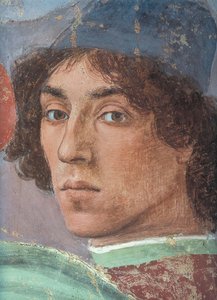
フィリッピーノ・リッピ
1457 - 1504 , イタリア
基本情報
- Artistic Movement Or Style: 盛期ルネサンス
- Artists Or Movements Influenced By This Artist: ['ラファエリーノ・デル・ガルボ']
- Artists Who Influenced This Artist:
- フラ・フィリッピーノ・リッピ
- サンドロ・ボッティチェリ
- Date Of Birth: 1457年4月
- Date Of Death: 1504年4月
- Full Name: フィリッピーノ・リッピ
- Nationality: イタリア人
- Notable Artworks (List Of Titles):
- 聖母戴冠
- トビアスの旅
- 聖ヒエロニモ
- 聖トマス・アクィナスの生涯
- Place Of Birth (City And Country): プラト、イタリア
関連記事
Filippino Lippi: Renaissance Innovation Bridging Faith & Humanism
Explore the captivating world of Filippino Lippi, a Renaissance master bridging faith & humanism through innovative art. Discover his key works, influences, and lasting legacy with ArtsDot.
Filippo Lippi: Bridging Renaissance Devotion & Artistic Innovation
Explore the life & revolutionary art of Filippo Lippi, a pivotal Renaissance painter. Discover his masterpieces, influence on Botticelli, and investment potential. Expert analysis at ArtsDot.
ウフィツィ美術館の至宝25選:ルネサンス巨匠たちの傑作とアートデコレーション
ウフィツィ美術館の至宝25選:ボッティチェリ、レオナルド・ダ・ヴィンチ…ルネサンス巨匠たちの傑作と感動的な物語を紐解きます。高品質な絵画複製やアートプリントで、お部屋に名画の輝きを。ArtsDot.comで芸術の世界へ。
Otto Dix: Trauma, Society & Artistic Rebellion in Weimar Germany
Explore the powerful and unsettling art of Otto Dix, a key figure of Neue Sachlichkeit. Discover his unflinching depictions of Weimar Germany's trauma, society, and war through insightful analysis & iconic masterpieces.

James Otto Lewis: Navigating American Modernism Through Regional Identity & Stylistic Innovation
Explore the captivating portraits of James Otto Lewis, a pivotal figure bridging 19th-century realism & American Modernism. Discover his groundbreaking work documenting Native American culture and regional identity.

