

 プレビュー
プレビュー
 プリントを購入
 シェアする
シェアする シェアする
シェアする
 詳細を見る
詳細を見る

 ダウンロード
 似ている作品
 X線調査
X線調査 スライドショー
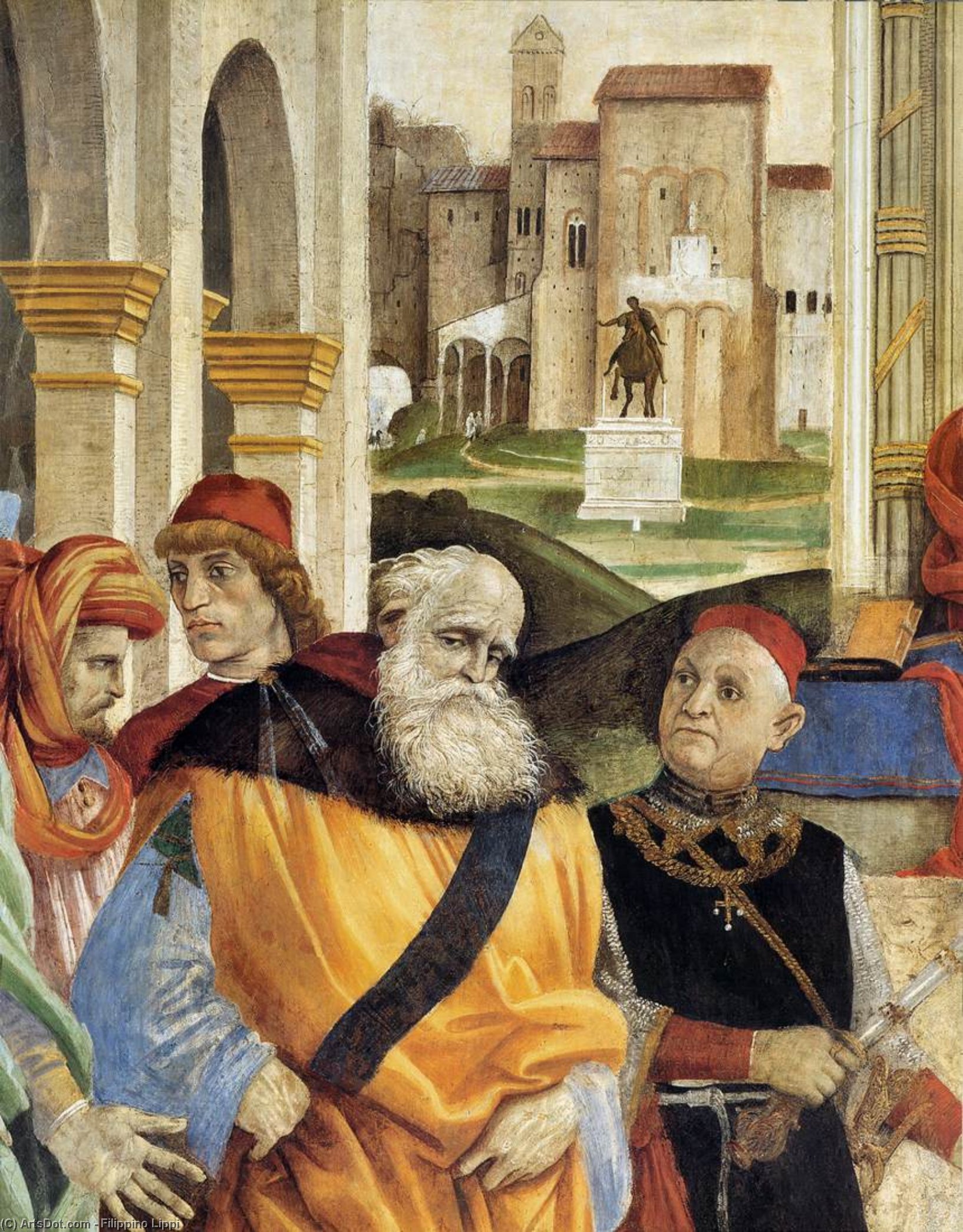
Triumph of St Thomas Aquinas over the Heretics (detail)


 詳細を見る
詳細を見る




P118B $10

P118H $10

P118W $10

P438Z $10

P508JH $12

P508YH $12

P805H $10

P805Z $10

P919BZ $10

P919G $10

P919XJ $10

P959ZH $10

P968JZ $12

W106C $8

W218G $10

W218JH $8

W218Y $10

W307PJ $10

W316G $10

W316PJ $8

W316Y $10

W398PJ $8

W4111J $10

W500HY $15

W500JH $15

W692G $12

W849H $8

W940BG $15

W953PJ $8




作品のオリジナル比率に合わせた、当店の規定サイズからお選びください。

特定のフレームやスペースに合わせて、ご希望のサイズをご入力いただけます。選択されたサイズが元の画像の比率と異なる場合、アートワークをトリミングするか、手描きで要素を追加して絵画を拡張いたします。デジタルモックアップ を制作し、制作開始前にご確認(承認)をいただきます。
画面上のプレビューは、実際のトリミングや拡張を正確に反映しているものではありません。最終的な構図は、モックアップによってのみ正確にご確認いただけます。
カスタムサイズもご利用いただけますが、元の比率を維持するためには、あらかじめ用意されたリストからサイズを選択することをお勧めいたします。
ご注文後、ArtsDot.com チームより詳細な指示をお送りするとともに、仕上がりイメージ(モックアップ)をご提供いたします。


 ガラスオプションは、110cm未満のサイズでのみご利用いただけます。

Triumph of St Thomas Aquinas over the Heretics (detail)
複製技法
複製画のサイズ
-


合計金額
$ 263
作品解説
Filippino Lippi’s Triumph of St Thomas Aquinas Over the Heretics: A Renaissance Vision of Faith and Reason
The fresco depicting “Triumph of St Thomas Aquinas Over the Heretics,” attributed to Filippino Lippi, stands as a monumental achievement of High Renaissance art—a testament to humanist ideals intertwined with profound theological contemplation. Executed in 1489 for the Carafa Chapel within Santa Maria sopra Minerva Basilica in Rome, this masterpiece transcends mere decoration; it embodies a complex dialogue between faith and reason, reflecting the intellectual ferment of its time and continuing to resonate with viewers today.A Synthesis of Classical Ideals and Christian Theology
Lippi’s composition draws heavily upon classical architectural principles—specifically, the use of Corinthian columns reminiscent of ancient temples—establishing a formal grandeur that underscores the importance of the depicted subject. The central figure, St Thomas Aquinas himself, dominates the scene, seated calmly amidst a swirling vortex of theological debate. Aquinas embodies the pinnacle of scholastic philosophy, representing the reconciliation between Aristotelian logic and Christian dogma – a crucial ambition for humanist thinkers grappling with reconciling pagan wisdom with divine revelation. Surrounding him are four female figures—Philosophy, Astronomy, Theology, and Grammar—each symbolizing essential disciplines underpinning intellectual understanding. These allegorical representations underscore Aquinas’s role as mediator between opposing viewpoints, highlighting the Renaissance commitment to balanced erudition.Detailed Technique and Artistic Innovation
Lippi employed tempera paint on plaster, a technique favored by artists of his era for its luminosity and durability. The fresco's vibrant colors—particularly reds and golds—were achieved through meticulous layering and glazing, demonstrating Lippi’s mastery of pigment manipulation. Close examination reveals an astonishing level of detail: the faces of the heretics are rendered with expressive realism, capturing their defiance and intellectual arrogance; St Thomas Aquinas’ gaze is serene yet penetrating, conveying unwavering conviction. The artist skillfully utilized perspective to create a convincing illusion of depth, enhancing the dramatic impact of the scene. Furthermore, Lippi's incorporation of grotesque figures—decorative sculptures representing monstrous creatures—adds an element of visual surprise and reinforces the overarching theme of triumph over evil.Symbolism and Historical Context: Challenging Orthodoxy
The fresco’s symbolism speaks to the broader intellectual debates unfolding in Renaissance Rome during Henry VIII’s reign. Aquinas's victory symbolizes the triumph of rational thought over heresy—specifically, the doctrines championed by Arius, Apollinarius, and Averroes, which questioned the divinity of Jesus Christ. The depiction reflects the humanist conviction that knowledge derived from observation and reason could illuminate theological truths. Lippi’s work served as a powerful visual affirmation of papal authority during a period marked by religious upheaval—a deliberate statement against those advocating for reform. Its placement within the Carafa Chapel, commissioned by Cardinal Carafa, underscores the chapel's patronage of humanist scholarship and its commitment to upholding orthodox Catholic doctrine.Emotional Resonance: A Timeless Reflection on Virtue and Wisdom
“Triumph of St Thomas Aquinas Over the Heretics” transcends its historical context to convey a timeless message about the importance of intellectual integrity and moral fortitude. The fresco’s serene composition invites contemplation, prompting viewers to consider the enduring struggle between faith and reason—a debate that continues to shape Western culture. Lippi's masterful execution captures not only the visual splendor of the Renaissance but also its profound philosophical convictions—making it an unforgettable artwork for anyone interested in exploring the intersection of art and intellect.関連作品
アーティストの略歴
フィリッピーノ・リッピの生涯と芸術的探求
1457年、イタリアのプラトで生まれたフィリッピーノ・リッピは、ルネサンス美術界に独自の輝きを放った画家です。父は名高い画家フラ・フィリッピーノ・リッピであり、非嫡子として誕生した彼の芸術への道は、幼少の頃から父の指導によって開かれました。父の影響を受けながらも、フィリッピーノは自身の才能を開花させ、初期ルネサンス様式から盛期ルネサンスへと移行する過渡期において重要な役割を果たしました。芸術的キャリアの発展
1475年から1480年頃にかけての初期の頃、フィリッピーノは主に聖母マリア像などの作品を手がけました。これらの初期作品は、まだ洗練されていない部分があり、「サンドロの友」という匿名の画家のもとに帰属されることもありました。しかし、1480年から1485年にかけて、彼はより個人的で効果的な表現方法を確立し始めます。『トビアスの旅』はその代表例であり、彼の才能が徐々に開花していく様子がうかがえます。そして、1485年から1504年までの成熟期には、『キリストの聖母への出現』に象徴されるように、盛期ルネサンス様式を完全に習得し、その卓越した技術と表現力を発揮しました。主要な作品と共同制作
フィリッピーノ・リッピは、ペルジーノ、ギルランダイオ、ボッティチェリといった同時代の画家たちと、ロレンツォ・デ・メディチの別荘におけるフレスコ画の制作に携わりました。また、マサッチョが未完のまま残したブロンキ教会礼拝堂の装飾をマゾリーノと共に完成させるという重要な任務も担いました。彼の代表的な作品としては、『聖母戴冠』、『トビアスと天使』、『聖ヒエロニモス』、『聖トマス・アクィナスの生涯より』などが挙げられます。これらの作品は、フィリッピーノの芸術的才能を今に伝える貴重な遺産となっています。影響と芸術様式
フィリッピーノの初期の芸術的影響源としては、サンドロ・ボッティチェリや父フラ・フィリッピーノ・リッピが挙げられます。彼の様式は、生き生きとしたフォルムと線、暖かく豊かな色彩、詳細に描き込まれた風景、そして表情豊かな人物描写を特徴としています。また、彼は遠近法の幾何学的な構造と親密な室内空間を巧みに融合させました。ローマ滞在中に古代の遺物を研究したことも彼の作品に影響を与え、古典的な要素を取り入れることで、より洗練された表現を実現しました。歴史的意義と遺産
フィリッピーノ・リッピは、フレスコ画サイクルの伝統を継承するフィレンツェを代表する画家の一人でした。彼の芸術は、盛期ルネサンスに多大な影響を与え、その功績は否定できません。彼の作品は世界中の美術館に所蔵されており、特にフィレンツェのウフィツィ美術館には多くの傑作が収蔵されています。彼は初期ルネサンス様式と、新たに台頭してきた盛期ルネサンス様式の橋渡し役となり、美術史において重要な位置を占めています。彼の作品は、見る者に深い感動を与え続け、今日でも多くの人々に愛されています。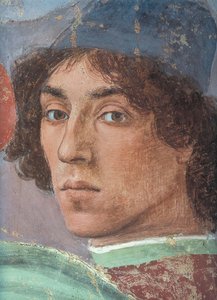
フィリッピーノ・リッピ
1457 - 1504 , イタリア
基本情報
- Artistic Movement Or Style: 盛期ルネサンス
- Artists Or Movements Influenced By This Artist: ['ラファエリーノ・デル・ガルボ']
- Artists Who Influenced This Artist:
- フラ・フィリッピーノ・リッピ
- サンドロ・ボッティチェリ
- Date Of Birth: 1457年4月
- Date Of Death: 1504年4月
- Full Name: フィリッピーノ・リッピ
- Nationality: イタリア人
- Notable Artworks (List Of Titles):
- 聖母戴冠
- トビアスの旅
- 聖ヒエロニモ
- 聖トマス・アクィナスの生涯
- Place Of Birth (City And Country): プラト、イタリア
関連記事

家族の遺産を壁画で彩る:伝統技法が紡ぐ、時を超越する美と記憶
古代から現代までの壁画の歴史と技法を解説。日本の壁画文化やカスタムオーダーによる家族の遺産表現、保存・修復技術まで網羅。専門家が時を超越する美と記憶を紡ぐ芸術的価値をご案内します。
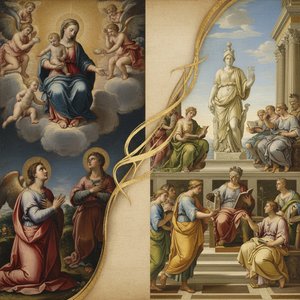
Filippino Lippi: Renaissance Innovation Bridging Faith & Humanism
Explore the captivating world of Filippino Lippi, a Renaissance master bridging faith & humanism through innovative art. Discover his key works, influences, and lasting legacy with ArtsDot.

The Enduring Legacy of Fresco Painting: Techniques, History & Contemporary Relevance
Explore the rich history & enduring artistry of fresco painting – from Giotto to Michelangelo! Discover techniques, conservation efforts, & modern applications. Learn how ArtsDot brings this timeless art form to your home.

The Enduring Legacy of Fresco: Technique, History & Artistic Expression Across Cultures
Explore the rich history & enduring legacy of fresco painting! Discover ancient techniques, Giotto's masterpieces, and modern applications. Expert insights for art lovers & professionals.

Art That Lives With You: The Emotional Power of a Custom Interior Fresco
Discover the emotional power & timeless beauty of custom interior frescoes. Explore history, design tips & expert guidance from – creating lasting legacies.

