

 プレビュー
プレビュー
 シェアする
シェアする シェアする
シェアする
 詳細を見る
詳細を見る

 ダウンロード
 似ている作品
 X線調査
X線調査 スライドショー
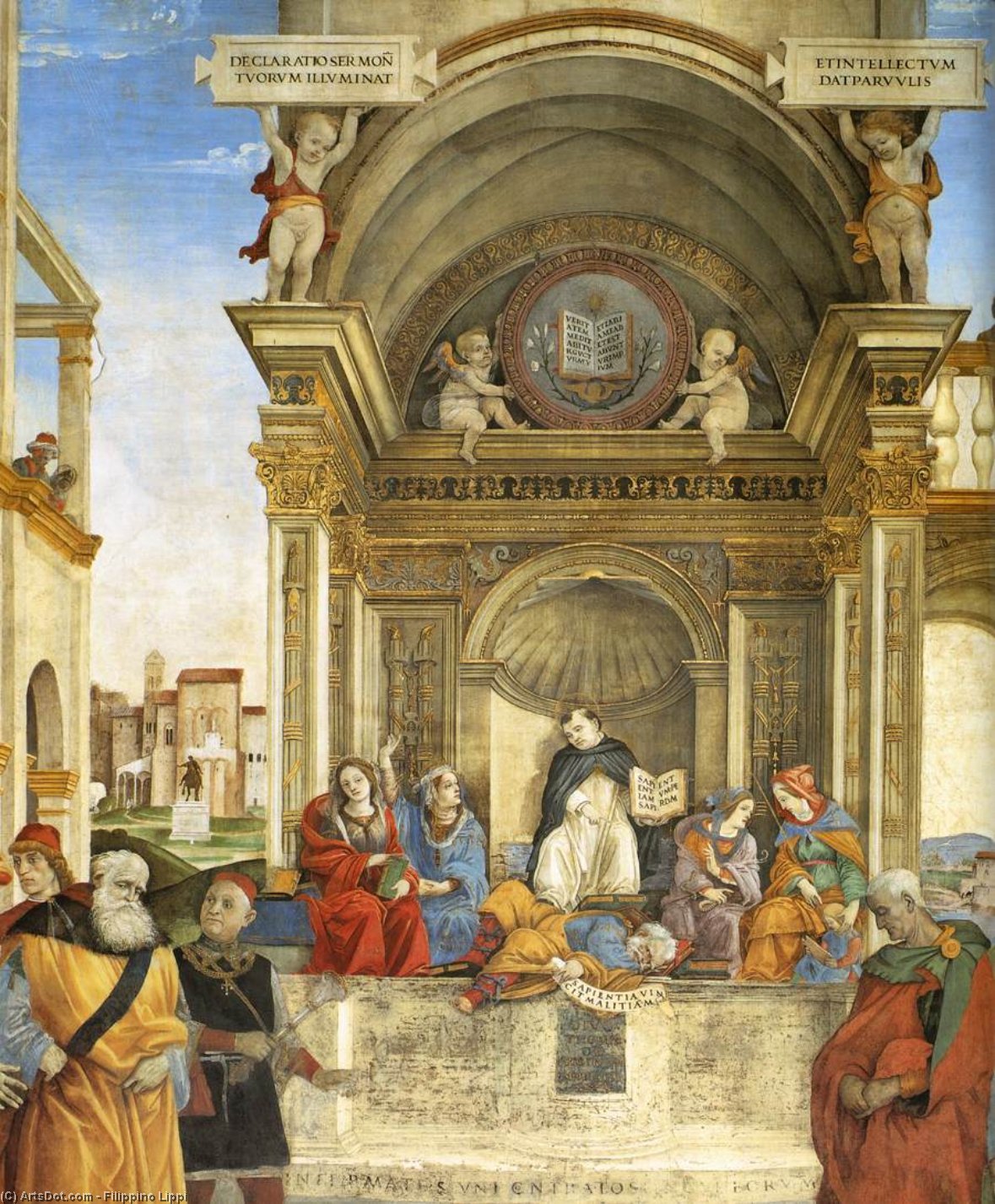
Triumph of St Thomas Aquinas over the Heretics (detail)


 詳細を見る
詳細を見る
ジークレー/アートプリント
迅速な制作と多彩な仕上げオプションを備えた、ミュージアムクオリティのジークレーまたはキャンバスプリント。 ( 手描きの絵画を購入 画像を購入)




P118B $10

P118H $10

P118W $10

P438Z $10

P508JH $12

P508YH $12

P805H $10

P805Z $10

P919BZ $10

P919G $10

P919XJ $10

P959ZH $10

P968JZ $12

W106C $8

W218G $10

W218JH $8

W218Y $10

W307PJ $10

W316G $10

W316PJ $8

W316Y $10

W398PJ $8

W4111J $10

W500HY $15

W500JH $15

W692G $12

W849H $8

W940BG $15

W953PJ $8




作品のオリジナル比率に合わせた、当店の規定サイズからお選びください。

特定のフレームやスペースに合わせて、ご自身でサイズを指定することも可能です。選択されたサイズが元の画像の比率と一致しない場合、作品をトリミングするか、鏡面反射または単色での塗りつぶしによって画像を拡張いたします。制作を開始する前に、ご確認用のデジタルモックアップをお送りいたします。
画面上のプレビューには、実際のトリミングや拡張は反映されませんのでご注意ください。最終的な構図を正確に確認できるのは、モックアップのみとなります。
カスタムサイズも承っておりますが、元の比率を維持するためには、あらかじめ用意されたリストからサイズを選択することをお勧めいたします。


 ガラスオプションは、110cm未満のサイズでのみご利用いただけます。

Triumph of St Thomas Aquinas over the Heretics (detail)
ジークレー/アートプリント
複製画のサイズ
-


合計金額
$ 62
作品詳細説明
The Grand Narrative: Filippino Lippi’s Vision of Faith and Reason
Filippino Lippi's “Triumph of St. Thomas Aquinas Over the Heretics” – a detail from this monumental fresco – isn’t merely a religious scene; it’s a carefully constructed dialogue between faith, reason, and the tumultuous intellectual landscape of 15th-century Europe. Painted in 1489, during his period at Rome, this work exemplifies Lippi's mastery of the High Renaissance style, blending meticulous detail with dramatic dynamism. The fresco, originally intended for the Carafa Chapel within Santa Maria sopra Minerva in Rome, depicts a pivotal moment in theological debate – Aquinas’s victory over dissenting heretical viewpoints. The sheer scale and complexity of the composition immediately draw the viewer into a world brimming with symbolism and intellectual fervor.

(Image: Detail from Filippino Lippi’s ‘Triumph of St Thomas Aquinas over the Heretics’)
A Hierarchical Stage: Composition and Symbolism
Lippi orchestrates a complex, hierarchical arrangement within the portico. At the heart stands St. Thomas Aquinas himself, radiating authority and intellectual prowess. He’s not simply presented as a saint; he embodies the synthesis of Aristotelian philosophy and Christian theology – a cornerstone of Renaissance humanism. Surrounding him are allegorical figures representing Philosophy, Theology, Grammar, and Dialectic, each holding symbolic objects—a scroll for Philosophy, a book for Theology, a pen for Grammar, and a scale for Dialectic—illustrating their roles in the pursuit of knowledge. The defeated heretics – Arius, Sabellius, and others – are positioned at the bottom of the scene, clutching books representing flawed logic and dissenting doctrines. The use of contrasting colors – the rich reds and golds of Aquinas’s robes against the muted tones of the heretics – further emphasizes his triumph over error.
Renaissance Technique: Light, Texture, and Perspective
Lippi's technical skill is immediately apparent in the meticulous rendering of textures. The drapery folds are sculpted with a remarkable sense of volume, achieved through impasto techniques—thickly applied paint that creates a tactile surface. The stonework of the portico is rendered with painstaking detail, capturing the play of light and shadow. The use of glazing layers – thin washes of translucent color applied over dried underpaintings – contributes to the painting’s luminous quality. Perspective is employed, though not entirely consistently, creating a sense of recession into the space while maintaining a clear, theatrical stage for the narrative. The dramatic lighting, originating from an unseen source above, casts strong shadows that enhance depth and volume, adding to the overall sense of drama.
Historical Context: Faith in a Time of Change
“Triumph of St. Thomas Aquinas Over the Heretics” was created during a period of intense intellectual and religious upheaval. The Renaissance witnessed a renewed interest in classical learning alongside a growing challenge to established dogma. The rise of humanism encouraged critical thinking, while figures like Martin Luther were beginning to question papal authority. Lippi’s fresco reflects this tension – celebrating the power of reason within a framework of Christian faith. The inclusion of figures like Aquinas, who sought to reconcile faith and philosophy, speaks to the intellectual currents of the era. The reference to the “Wisdom of the Wise” underscores the importance of discerning truth from falsehood—a central theme in both theology and philosophy.
A Timeless Masterpiece: Reproduction Possibilities
ArtsDot offers meticulously crafted, hand-painted reproductions of Filippino Lippi’s “Triumph of St. Thomas Aquinas Over the Heretics.” Our artists recreate the painting's rich textures, dramatic lighting, and intricate details with unparalleled accuracy. Whether you seek a stunning addition to your home or office, or are an art historian researching this pivotal work, our reproductions provide a faithful representation of Lippi’s masterpiece. Explore our options for custom sizes and framing to perfectly complement your space. Discover the full artwork here.
関連作品

アーティストの略歴
フィリッピーノ・リッピの生涯と芸術的探求
1457年、イタリアのプラトで生まれたフィリッピーノ・リッピは、ルネサンス美術界に独自の輝きを放った画家です。父は名高い画家フラ・フィリッピーノ・リッピであり、非嫡子として誕生した彼の芸術への道は、幼少の頃から父の指導によって開かれました。父の影響を受けながらも、フィリッピーノは自身の才能を開花させ、初期ルネサンス様式から盛期ルネサンスへと移行する過渡期において重要な役割を果たしました。芸術的キャリアの発展
1475年から1480年頃にかけての初期の頃、フィリッピーノは主に聖母マリア像などの作品を手がけました。これらの初期作品は、まだ洗練されていない部分があり、「サンドロの友」という匿名の画家のもとに帰属されることもありました。しかし、1480年から1485年にかけて、彼はより個人的で効果的な表現方法を確立し始めます。『トビアスの旅』はその代表例であり、彼の才能が徐々に開花していく様子がうかがえます。そして、1485年から1504年までの成熟期には、『キリストの聖母への出現』に象徴されるように、盛期ルネサンス様式を完全に習得し、その卓越した技術と表現力を発揮しました。主要な作品と共同制作
フィリッピーノ・リッピは、ペルジーノ、ギルランダイオ、ボッティチェリといった同時代の画家たちと、ロレンツォ・デ・メディチの別荘におけるフレスコ画の制作に携わりました。また、マサッチョが未完のまま残したブロンキ教会礼拝堂の装飾をマゾリーノと共に完成させるという重要な任務も担いました。彼の代表的な作品としては、『聖母戴冠』、『トビアスと天使』、『聖ヒエロニモス』、『聖トマス・アクィナスの生涯より』などが挙げられます。これらの作品は、フィリッピーノの芸術的才能を今に伝える貴重な遺産となっています。影響と芸術様式
フィリッピーノの初期の芸術的影響源としては、サンドロ・ボッティチェリや父フラ・フィリッピーノ・リッピが挙げられます。彼の様式は、生き生きとしたフォルムと線、暖かく豊かな色彩、詳細に描き込まれた風景、そして表情豊かな人物描写を特徴としています。また、彼は遠近法の幾何学的な構造と親密な室内空間を巧みに融合させました。ローマ滞在中に古代の遺物を研究したことも彼の作品に影響を与え、古典的な要素を取り入れることで、より洗練された表現を実現しました。歴史的意義と遺産
フィリッピーノ・リッピは、フレスコ画サイクルの伝統を継承するフィレンツェを代表する画家の一人でした。彼の芸術は、盛期ルネサンスに多大な影響を与え、その功績は否定できません。彼の作品は世界中の美術館に所蔵されており、特にフィレンツェのウフィツィ美術館には多くの傑作が収蔵されています。彼は初期ルネサンス様式と、新たに台頭してきた盛期ルネサンス様式の橋渡し役となり、美術史において重要な位置を占めています。彼の作品は、見る者に深い感動を与え続け、今日でも多くの人々に愛されています。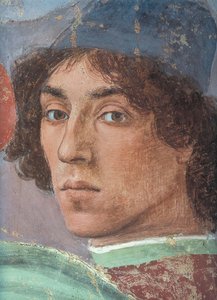
フィリッピーノ・リッピ
1457 - 1504 , イタリア
基本情報
- Artistic Movement Or Style: 盛期ルネサンス
- Artists Or Movements Influenced By This Artist: ['ラファエリーノ・デル・ガルボ']
- Artists Who Influenced This Artist:
- フラ・フィリッピーノ・リッピ
- サンドロ・ボッティチェリ
- Date Of Birth: 1457年4月
- Date Of Death: 1504年4月
- Full Name: フィリッピーノ・リッピ
- Nationality: イタリア人
- Notable Artworks (List Of Titles):
- 聖母戴冠
- トビアスの旅
- 聖ヒエロニモ
- 聖トマス・アクィナスの生涯
- Place Of Birth (City And Country): プラト、イタリア
関連記事
Filippino Lippi: Renaissance Innovation Bridging Faith & Humanism
Explore the captivating world of Filippino Lippi, a Renaissance master bridging faith & humanism through innovative art. Discover his key works, influences, and lasting legacy with ArtsDot.
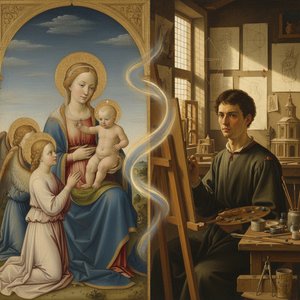
Filippo Lippi: Bridging Renaissance Devotion & Artistic Innovation
Explore the life & revolutionary art of Filippo Lippi, a pivotal Renaissance painter. Discover his masterpieces, influence on Botticelli, and investment potential. Expert analysis at ArtsDot.

Oil on Canvas: A Historical & Technical Exploration of a Timeless Artistic Medium
Explore the rich history & enduring techniques of oil painting on canvas. Discover the science behind its longevity, conservation practices, and contemporary relevance. Expert insights for art enthusiasts.

The Enduring Legacy of Oil on Canvas: Technique, History & Aesthetic Impact
Explore the rich history & techniques of oil painting – from Renaissance masters to Impressionism. Discover pigments, layering methods, and why this timeless medium endures. Expert insights for artists & art enthusiasts.

The Enduring Power of Painting: A Historical & Contemporary Exploration of Form and Emotion
Explore the rich history & enduring techniques of oil painting with ArtsDot. Discover masterpieces, learn about art collecting, and find authentic handmade reproductions crafted by skilled artists.

