 プレビュー
プレビュー
 シェアする
シェアする シェアする
シェアする
 詳細を見る
詳細を見る

 ダウンロード
 似ている作品
 X線調査
X線調査 スライドショー
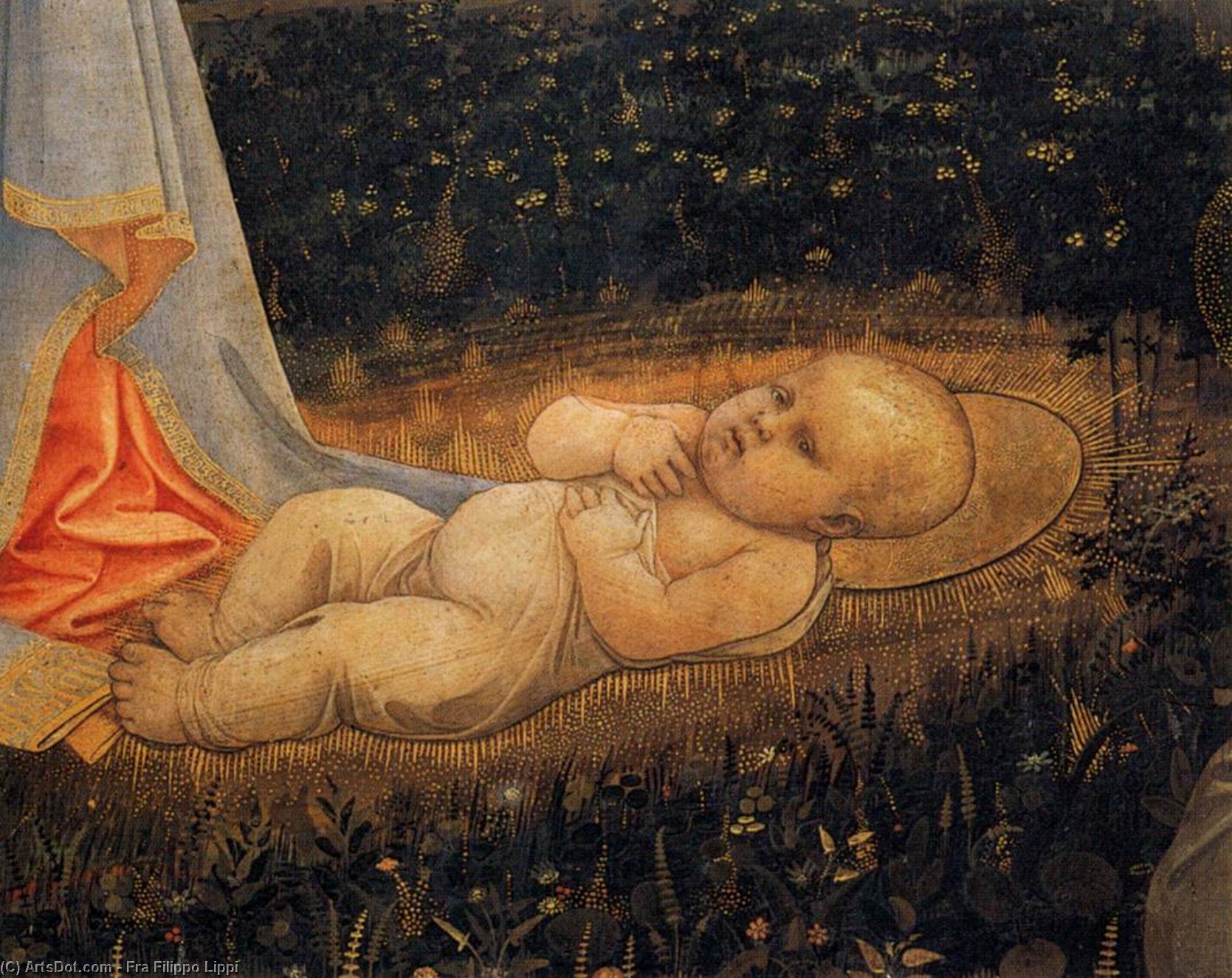
Adoration of the Child with Saints (detail)


 詳細を見る
詳細を見る
ジークレー/アートプリント
迅速な制作と多彩な仕上げオプションを備えた、ミュージアムクオリティのジークレーまたはキャンバスプリント。 ( 手描きの絵画を購入 画像を購入)




P118B $10

P118H $10

P118W $10

P438Z $10

P508JH $12

P508YH $12

P805H $10

P805Z $10

P919BZ $10

P919G $10

P919XJ $10

P959ZH $10

P968JZ $12

W106C $8

W218G $10

W218JH $8

W218Y $10

W307PJ $10

W316G $10

W316PJ $8

W316Y $10

W398PJ $8

W4111J $10

W500HY $15

W500JH $15

W692G $12

W849H $8

W940BG $15

W953PJ $8




作品のオリジナル比率に合わせた、当店の規定サイズからお選びください。

特定のフレームやスペースに合わせて、ご自身でサイズを指定することも可能です。選択されたサイズが元の画像の比率と一致しない場合、作品をトリミングするか、鏡面反射または単色での塗りつぶしによって画像を拡張いたします。制作を開始する前に、ご確認用のデジタルモックアップをお送りいたします。
画面上のプレビューには、実際のトリミングや拡張は反映されませんのでご注意ください。最終的な構図を正確に確認できるのは、モックアップのみとなります。
カスタムサイズも承っておりますが、元の比率を維持するためには、あらかじめ用意されたリストからサイズを選択することをお勧めいたします。


 ガラスオプションは、110cm未満のサイズでのみご利用いただけます。

Adoration of the Child with Saints (detail)
ジークレー/アートプリント
複製画のサイズ
-


合計金額
$ 62
The Enigmatic Beauty of Lippi’s “Adoration”
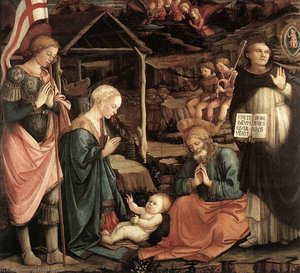
Filippo di Tommaso Lippi's "Adoration of the Child with Saints," a detail from his larger cycle, is not merely a depiction of a biblical scene; it’s an immersion into a world where spirituality and earthly beauty intertwine. Painted in 1463 during a pivotal period of artistic evolution in Florence, this tempera on panel work transcends simple religious iconography to become a profound meditation on faith, humility, and the divine presence within the natural world. Lippi, a figure both celebrated for his genius and shadowed by personal scandal, crafted an image that reflects his unique perspective – one shaped by his time as a Carmelite monk and his burgeoning humanist sensibilities.
The scene unfolds within a dark, evocative forest, a deliberate choice that immediately establishes a mood of mystery and introspection. At the heart of this shadowed realm kneels the Virgin Mary, not in regal splendor but seated upon the ground, embodying a profound sense of humility. Her gaze is fixed on her infant son, Jesus Christ, who lies peacefully amidst a bed of wildflowers – a deliberate contrast to the somber backdrop. The composition isn’t about grand pronouncements or heroic gestures; it's about quiet reverence and intimate connection.
A Symphony of Symbolism
Lippi masterfully employs symbolism throughout the painting, layering meaning beneath the surface beauty. The dark forest itself represents the earthly realm, a place of trials and tribulations where divine grace is sought. The golden rays emanating from above signify the illumination of faith and the presence of God. Notice the carefully chosen figures surrounding the central scene: Saint John the Baptist, identifiable by his flowing robes and staff topped with a cross, stands to the left, representing repentance and baptism – symbols crucial to understanding Christ’s sacrifice. A mysterious figure kneels in prayer on the right, adding an element of contemplative mystery.
The inclusion of elements like the translucent veil draped over the infant Jesus speaks volumes about his vulnerability and purity. The overall effect is one of profound serenity, inviting the viewer to contemplate the miracle of incarnation and the enduring power of faith. The painting’s emotional impact isn't forceful; it’s a gentle, almost meditative experience—a reminder of the sacredness inherent in everyday life.
Technique and Artistic Innovation
Lippi’s technique is characterized by its remarkable delicacy and luminous quality. He employed tempera on wood, a medium known for its rich colors and ability to create subtle gradations of tone. The artist's use of gold leaf adds an ethereal glow to the figures and background elements, enhancing the sense of divine presence. Notably, Lippi departed from traditional depictions by presenting Mary not as a queen enthroned but as a humble mother seated on the ground – a deliberate choice that emphasized her humanity and connection to the earthly realm.
Furthermore, Lippi’s composition is remarkably innovative for its time. He moved away from the rigid formality of earlier Renaissance paintings, embracing a more naturalistic approach while retaining a distinctly spiritual sensibility. His influence can be seen in the work of Botticelli and other artists who followed, solidifying his place as a pivotal figure in the development of Florentine art.
A Timeless Masterpiece – Perfect for Reproduction
“Adoration of the Child with Saints” remains a profoundly moving and visually stunning artwork. Its timeless beauty makes it an ideal subject for high-quality reproductions, allowing its serene atmosphere and intricate symbolism to grace homes and galleries alike. A meticulously crafted reproduction captures not only the visual details but also the emotional depth of Lippi’s original masterpiece—a testament to the enduring power of Renaissance art.
関連作品
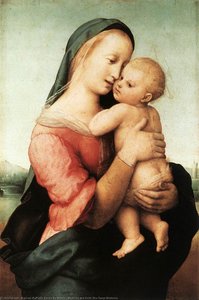
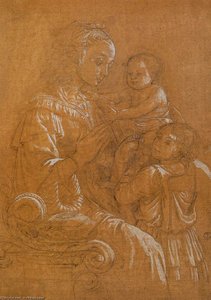
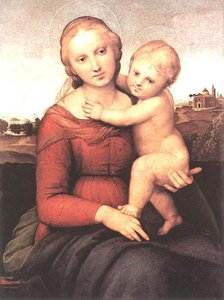
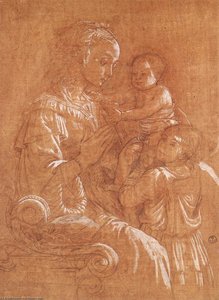
アーティストの略歴
フィリッポ・リッピの生涯と芸術:ルネサンスを彩った反逆者の軌跡
フィリッポ・ディ・トマッソ・リッピ、通称フラ・フィリッポ・リッピは、比類なき芸術的天賦に恵まれながらも、スキャンダルと型破りな選択に満ちた人生を送った人物である。1406年、フィレンツェの屠殺業者の家に生まれた彼は、幼少期に両親を失い、8歳という若さで修道院に預けられることになる。この環境が彼の芸術的才能を開花させるだけでなく、その複雑な人間性を形作る上でも決定的な役割を果たした。閉鎖された壁の中で、若いフィリッポは正式な教育を受け始め、そして何よりも絵画への情熱を発見するのだった。この修道院での経験は、彼の作品に深く根付いた精神的な献身と、高まりつつある人間主義的感覚との繊細なバランスを育んだ。宗教的な誓いから芸術革新へ
1420年にカルメル会に入会したリッピの決断は、単なる偶然ではなく、彼の中に熱烈な芸術への衝動を呼び起こしたようである。彼は16歳で誓いを立て、1425年頃に司祭に叙階され、1432年まで修道院にとどまった。この時期、美術史家ジョルジョ・ヴァザーリは、リッピがブランカッチ礼拝堂におけるマサッチョの画期的なフレスコ画に魅了されたと語っている。これは彼の初期作品に顕著に見られる影響であり、自然主義と革新的な光の使い方を特徴とするマサッチョの影響力は、例えば『タルクィーニアのマドンナ』のような初期作品において新たなリアリズムの萌芽として明らかである。しかし、リッピは単なる模倣者ではなかった。彼はすぐに独自のスタイルを発展させ、叙情的な優雅さ、繊細な色彩、そして同時代の人々とは異なる微妙な感情の深さを特徴とした。宗教的な場面に親密さと人間的なつながりを吹き込み、より厳格で形式的な初期の敬虔画から脱却していった。構成の妙と論争
リッピの芸術的キャリアはフィレンツェで花開き、メディチ家のような有力な家族からの依頼を集めた。例えば『受胎告知と七聖人』は、象徴的な意味と優雅な細部に満ちた複雑な構成を作り出す彼の能力を示している。1441年にサンタンブロージョ修道院の尼僧のために完成された『聖母戴冠』は特に注目に値する。この作品には、リッピ自身と思われる半身像が描かれており、宗教的な文脈における芸術的アイデンティティを大胆に主張していると言えるだろう。しかし彼の人生は平穏ではなかった。彼は頻繁に財政難、法的紛争、そして偽造の告発に巻き込まれた。最もセンセーショナルな事件は、プラートの修道女ルクレツィア・ブティとの略奪婚である。何年にもわたるスキャンダルと論争の後、彼は彼女と結婚することになった。この行為は当時の社会規範から逸脱しており、リッピの反逆的な精神と個人的な幸福を追求するために社会の慣習に挑戦する意志を示している。遺産と影響
激動の人生にもかかわらず、フィリッポ・リッピはルネサンス美術に消えない足跡を残した。彼は非常に人気のある画家であり、彼の工房は将来のマエストロを育む温床となった。彼の最も優れた弟子の一人にはサンドロ・ボッティチェリとフランチェスコ・ディ・ペセロ(ペセリーノ)がおり、彼らはどちらも独自の輝かしい功績を達成することになるだろう。リッピの影響は、後期クワトロチェントのフィレンツェ絵画に特徴的な叙情的な美しさと感情表現に見ることができる。彼はマサッチョの初期ルネサンス自然主義と、より洗練された高ルネサンスの美学との間の橋渡し役となり、次世代の芸術家が人間の形と感情の可能性を探求するための道を開いた。宗教的な敬虔さと世俗的なリアリズムを融合させる能力、革新的な構成、そして卓越した技術は、イタリア・ルネサンスにおける最も重要で魅力的な人物としての彼の地位を確固たるものにした。彼は1469年にスポレートで亡くなり、その遺産は今日に至るまで人々の畏敬と賞賛の念を引き起こし続けている。彼の芸術は、人間の創造性の力と、美しさの永続的な魅力を証明している。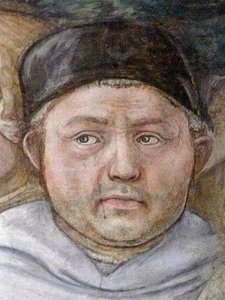
フィリッポ・リッピ
1406 - 1469 , イタリア
基本情報
- Artistic Movement Or Style: 初期ルネサンス
- Artists Or Movements Influenced By This Artist: ['サンドロ・ボッティチェリ']
- Artists Who Influenced This Artist: ['マザッチョ']
- Date Of Birth: 1406年
- Date Of Death: 1469年
- Full Name: フィリッポ・ディ・トマソ・リッピ
- Nationality: イタリア人
- Notable Artworks (List Of Titles):
- タルクィニアの聖母
- 受胎告知
- 天国の女王戴冠式
- Place Of Birth (City And Country): イタリア、フィレンツェ
関連記事
ラファエロ傑作25選:ルネサンス巨匠の物語と芸術の世界 | ArtsDot
ラファエロの傑作25選🎨 ルネサンス巨匠の物語と芸術の世界を紐解きます。美しい絵画複製や壁掛けアートで、お部屋に名画の彩りを。ArtsDot.comで、美術史に残る作品群をご覧ください✨
Filippo Lippi: Bridging Renaissance Devotion & Artistic Innovation
Explore the life & revolutionary art of Filippo Lippi, a pivotal Renaissance painter. Discover his masterpieces, influence on Botticelli, and investment potential. Expert analysis at ArtsDot.
フラ・アンジェリコの傑作25選:ルネサンス美術の神髄と至高の装飾 | ArtsDot
フラ・アンジェリコの傑作25選。ルネサンス美術の神髄を紐解き、天使のような静謐な色彩と宗教画の世界へ誘います。壁画やフレスコ画の技法、修道院に息づく祈りの絵…ArtsDotで至高のアートプリントをお手軽に。コレクションを探索する。
ウフィツィ美術館の至宝25選:ルネサンス巨匠たちの傑作とアートデコレーション
ウフィツィ美術館の至宝25選:ボッティチェリ、レオナルド・ダ・ヴィンチ…ルネサンス巨匠たちの傑作と感動的な物語を紐解きます。高品質な絵画複製やアートプリントで、お部屋に名画の輝きを。ArtsDot.comで芸術の世界へ。
Filippino Lippi: Renaissance Innovation Bridging Faith & Humanism
Explore the captivating world of Filippino Lippi, a Renaissance master bridging faith & humanism through innovative art. Discover his key works, influences, and lasting legacy with ArtsDot.