

 プレビュー
プレビュー
 シェアする
シェアする シェアする
シェアする
 詳細を見る
詳細を見る

 ダウンロード
 似ている作品
 X線調査
X線調査 スライドショー
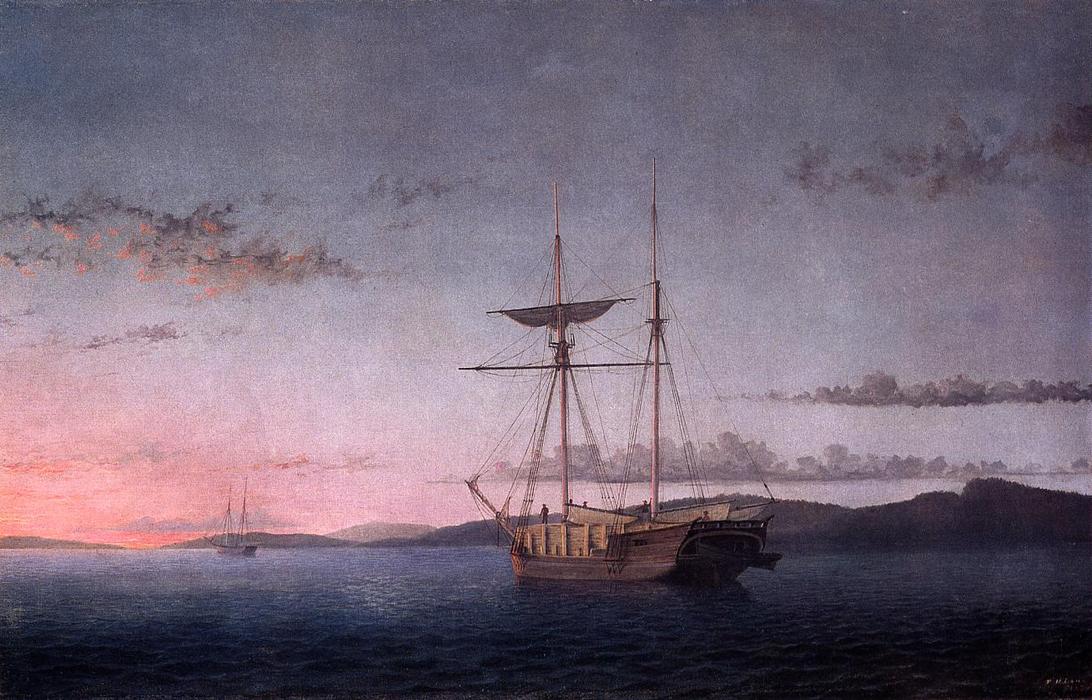
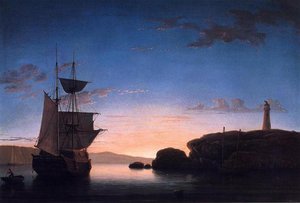
Lumber Schooners at Evening on Penobscot Bay


 詳細を見る
詳細を見る
ジークレー/アートプリント
迅速な制作と多彩な仕上げオプションを備えた、ミュージアムクオリティのジークレーまたはキャンバスプリント。 ( 手描きの絵画を購入 画像を購入)




P118B $10

P118H $10

P118W $10

P438Z $10

P508JH $12

P508YH $12

P805H $10

P805Z $10

P919BZ $10

P919G $10

P919XJ $10

P959ZH $10

P968JZ $12

W106C $8

W218G $10

W218JH $8

W218Y $10

W307PJ $10

W316G $10

W316PJ $8

W316Y $10

W398PJ $8

W4111J $10

W500HY $15

W500JH $15

W692G $12

W849H $8

W940BG $15

W953PJ $8




作品のオリジナル比率に合わせた、当店の規定サイズからお選びください。

特定のフレームやスペースに合わせて、ご自身でサイズを指定することも可能です。選択されたサイズが元の画像の比率と一致しない場合、作品をトリミングするか、鏡面反射または単色での塗りつぶしによって画像を拡張いたします。制作を開始する前に、ご確認用のデジタルモックアップをお送りいたします。
画面上のプレビューには、実際のトリミングや拡張は反映されませんのでご注意ください。最終的な構図を正確に確認できるのは、モックアップのみとなります。
カスタムサイズも承っておりますが、元の比率を維持するためには、あらかじめ用意されたリストからサイズを選択することをお勧めいたします。


 ガラスオプションは、110cm未満のサイズでのみご利用いただけます。

Lumber Schooners at Evening on Penobscot Bay
ジークレー/アートプリント
複製画のサイズ
-


合計金額
$ 62
作品詳細説明
Fitz Henry Lane’s “Lumber Schooners at Evening on Penobscot Bay”: A Luminist Masterpiece
Fitz Henry Lane's "Lumber Schooners at Evening on Penobscot Bay," painted in 1860, isn’t merely a depiction of a coastal scene; it’s a profound meditation on light, atmosphere, and the enduring spirit of New England maritime life. This remarkable work, now housed within the National Gallery of Art in Washington D.C., exemplifies the Luminist movement—a distinctly American style that prioritized capturing the subtle effects of natural light and creating an immersive sense of tranquility and observation. Lane’s ability to evoke a specific time of day, with its fading warmth and approaching twilight, is truly captivating, drawing the viewer into the heart of this evocative seascape.
The painting itself presents a carefully constructed vista of Penobscot Bay at dusk. Several lumber schooners, their sails furled for the evening, are anchored in the water, reflecting the last vestiges of sunlight. The boats themselves—robust and weathered—are rendered with meticulous detail, showcasing Lane’s mastery of capturing texture and form. However, it's not the precise rendering of the vessels that commands attention; rather, it is the way in which Lane utilizes light to create a sense of depth and atmosphere. Notice how the warm hues of orange and gold bleed across the sky, gradually softening into cooler blues and purples as they meet the water’s surface. This masterful use of color establishes a palpable mood—one of quiet contemplation and serene beauty.
The Luminist Vision: Light and Observation
Lane's work is deeply rooted in the principles of Luminism, an artistic movement that emerged in America during the mid-19th century. Unlike the more dramatic Romantic painters who favored bold contrasts and dynamic compositions, Luminists sought to capture the fleeting effects of light and atmosphere with a delicate hand. They were fascinated by the way light transformed landscapes at different times of day, and they aimed to create paintings that felt like intimate observations of nature. Lane’s “Lumber Schooners” perfectly embodies this approach—it's not an action-packed scene but rather a carefully observed moment in time, imbued with a sense of quiet beauty.
Lane’s background as a sailmaker profoundly influenced his artistic vision. He spent much of his youth immersed in the maritime world of Gloucester, Massachusetts, and this experience is evident in the painting's realistic depiction of ships and harbors. His understanding of sailing vessels—their construction, their movement, and their relationship to the sea—is translated into a remarkably accurate and evocative portrayal. Furthermore, his early life with a physical disability likely fostered a keen observational skill, as he sought alternative forms of expression through art.
Symbolism and Emotional Resonance
Beyond its technical brilliance, “Lumber Schooners at Evening” is rich in symbolism. The lumber schooners themselves represent the economic heart of Penobscot Bay—a vital industry that sustained the region for generations. Their presence evokes a sense of industriousness and resilience, while their stillness at dusk suggests a moment of respite after a long day’s work. The darkening sky and the fading light symbolize the passage of time and the inevitability of change. The painting, therefore, can be interpreted as a reflection on the cyclical nature of life—the ebb and flow of industry, the beauty of fleeting moments, and the enduring connection between humanity and the natural world.
Ultimately, “Lumber Schooners at Evening on Penobscot Bay” is more than just a painting; it’s an experience. It invites the viewer to slow down, to breathe deeply, and to contemplate the beauty of the natural world. Lane's masterful use of light, color, and composition creates a powerful emotional resonance—a sense of peace, tranquility, and connection to something larger than oneself. It remains a testament to the enduring power of Luminism and a captivating example of American art at its finest.
Historical Context and Artistic Legacy
Fitz Henry Lane’s career spanned several decades, during which he produced over 300 paintings—primarily coastal scenes and maritime subjects. He was a key figure in the development of Luminism, alongside artists like Asher B. Durand and Thomas Moran. His work was initially met with mixed reviews, but it gradually gained recognition for its unique qualities and its ability to capture the essence of American landscapes. Lane’s legacy is secured by his pioneering role in establishing Luminism as a distinct artistic style—one that continues to inspire artists today.
Reproductions of “Lumber Schooners at Evening” are available through various reputable art dealers, offering collectors an opportunity to own a piece of American art history. Consider the scale and framing carefully when selecting a reproduction; a larger format will undoubtedly enhance the painting’s immersive quality. This iconic work serves as a beautiful reminder of the power of observation, the beauty of light, and the enduring spirit of New England.
関連作品
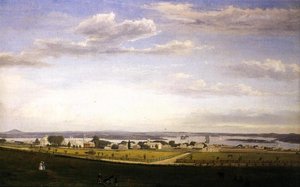
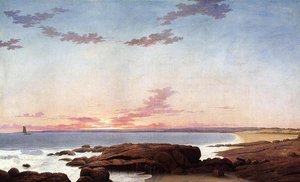
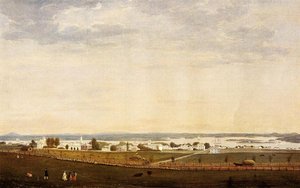
アーティストの略歴
生い立ちと運命的な境遇
- 生年月日: 1804年12月19日、マサチューセッツ州グロスター
- 没年月日: 1865年8月14日、マサホチューセッツ州グロスター
- 本名: ナサニエル・ロジャース・レーン(1832年にフィッツ・ヘンリー・レーンへ改名)
- 芸術運動: ルミニズム(光輝主義)
芸術的発展と研鑽の時代
- リトグラフの経験: 1832年から1847年まで、ボストンのペンドルトン・リソグラフィー・ショップにてリトグラファーとして従事。
- 初期作品: 水彩画「パケット船『ボストン』号の炎上」には、後の洗練された作風の前兆となる成長が見て取れる。
様式と代表作:ルミニズムの巨匠
レーンは、大気の影響、特に水面に反射する光を捉えることに重点を置いた「ルミニズム(光輝主義)」運動の先駆的な人物として知られています。彼の作品は、その明晰さと精密さ、そして海岸風景の静謐な描写において高く評価されています。- レーン様式の主な特徴:
- 大気遠近法:空気遠近法を巧みに操り、奥行きと距離感を見事に創出する。
- 緻密な観察眼:船、建造物、そして風景の細部に至るまで、極めて細やかな描写を行う。
- 光輝く光の効果:光の微妙なニュアンスと、水面に映し出されるその反射を驚異的な正確さで捉える。
- 代表的な作品群:
- 「サウスウェスト・ハーバーから見たソームズ・サウンドの入り口」(1852年) – 海岸風景の静寂を捉える卓越した能力を象徴する一作。
- 「マサチューセッツ州グロスター、フォート&テン・パウンド島」(1847年) - 地元のランドマークを詳細に描き出している。
- 「ペノブスコット湾、夕暮れ時の材木帆船」(1860年) – ドラマチックな光の条件下での描写技術を示している。
- 「カムデン港南口から望むカムデン山脈」(1859年) - 絵画的な海岸風景を鮮明な明晰さで捉えている。
- 「帆を畳んだ商船ブリッグ」(1863年)
- 「メイン州カムデンの灯台」(1851年)
- 「ノーマンズ・ウォーを伴うウェステン海岸」(1862年)
遺産と歴史的意義
フィッツ・ヘンリー・レーンの作品は、生前にも一定の評価を得ていましたが、その名声は20世紀から21世紀にかけて劇的な高まりを見せました。今日、彼はアメリカにおける最も重要なルミニズムの画家の一人とみなされており、ニューイングランドの海岸風景が持つ美しさと静謐さを捉える唯一無二の才能で称えられています。レーンの絵画は、19世紀のグロスターやその他の沿岸共同体における海洋生活の貴重な歴史的記録でもあります。細部への執拗なまでのこだわりと、光を操る卓越した技法は、時代を超えてアーティストたちにインスピレーションを与え続け、観る者を魅了して止みません。彼はまさに、アメリカ美術史における不朽の存在としてその地位を確立しているのです。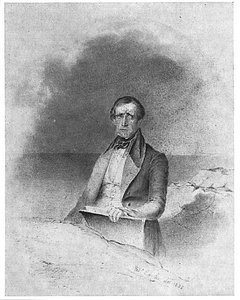
フィッツ・ヘンリー・レーン
1804 - 1865 , アメリカ合衆国
基本情報
- Artistic Movement Or Style: ルミニズム
- Date Of Birth: 1804年12月19日
- Date Of Death: 1865年8月14日
- Full Name: ナサニエル・ロジャース・レーン (フィッツ・ヘンリー・レーン)
- Nationality: アメリカ
- Notable Artworks:
- ソームズ・サウンドへの入り口
- フォート・アンド・テン・パウンド島
- 夕暮れ時の材木輸送船
- 南側から見たカムデン山脈
- トップセイルを縮めた商船のブリッグ船
- メイン州カムデンの灯台
- ノーマンズ・ウォーを望むウェステン海岸
- Place Of Birth: アメリカ合衆国、グロスター
関連記事
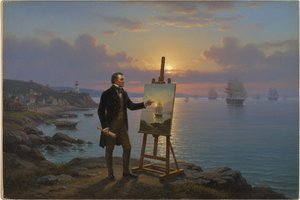
Fitz Henry Lane: Luminosity, Landscape & the American Maritime Tradition – A Collector’s Insight
Explore the luminous world of Fitz Henry Lane, a master of American maritime painting & Luminism. Discover his legacy, techniques, and investment potential for discerning art collectors. Expert insights at ArtsDot.
アンリ・マティスの傑作25選:色彩と情熱の軌跡|ArtsDot
アンリ・マティスの傑作25選🎨 色彩と情熱が織りなす世界を旅する。フォーヴィスム代表の巨匠、マティスの絵画の魅力と歴史を紐解きます。ArtsDotで高品質なアートプリントや複製画を見つけ、インテリアに芸術的な輝きを✨ Explore the full collection online
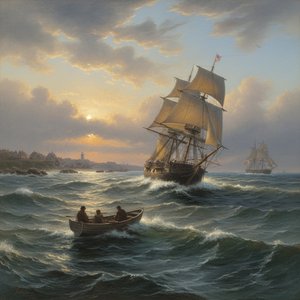
Robert W. Salmon: Navigating the Currents of Maritime Painting & American Realism
Explore the captivating maritime paintings of Robert W. Salmon, a pioneer of American Luminism. Discover his Boston Harbor scenes, legacy, and collecting guide at ArtsDot.
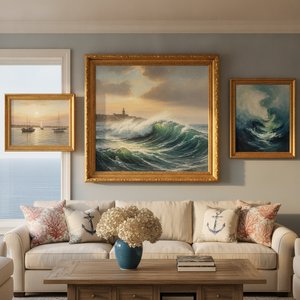
Bring the Ocean Home: Captivating Maritime Paintings to Transform Your Space with Timeless Elegance
Transform your home with breathtaking maritime oil paintings. From serene seascapes to dramatic nautical scenes, discover hand-painted reproductions that bring the ocean's soul to your space. Expertly crafted for collectors seeking timeless elegance and coastal tranquility.
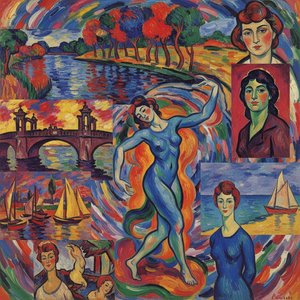
Fauvism's Boldest Visions: 10 Masterpieces That Revolutionized Modern Art | ArtsDot
Explore 10 Fauvist masterpieces by Matisse, Derain & Vlaminck that ignited Modern Art! Discover bold colors, expressionist landscapes & the history of this revolutionary movement. Find museum-quality prints at ArtsDot.com.

