

 プレビュー
プレビュー
 プリントを購入
 シェアする
シェアする シェアする
シェアする
 詳細を見る
詳細を見る

 ダウンロード
 似ている作品
 X線調査
X線調査 スライドショー
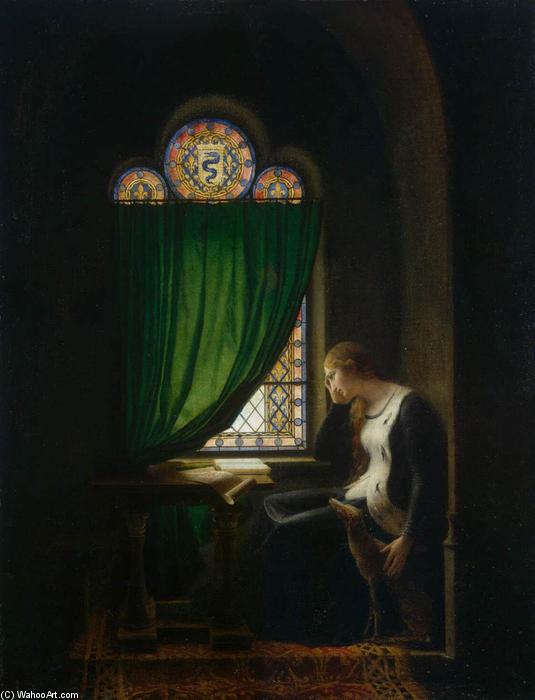
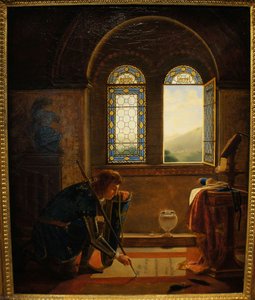
Valentine of Milan Mourning her Husband, the Duke of Orléans
 Oil On Canvas
- WallArt
- Romanticism
 1802
1802 55.0 x 43.0 cm
 エルミタージュ美術館
 詳細を見る
詳細を見る
オンラインプレビューをはるかに凌ぐ、高解像度で鮮明なデジタル画像をご購入いただけます。
各ファイルは、社内の専門家が高度なツールと熟練した手作業によるレタッチを用いて、細心の注意を払って準備されています。すべての画像において、卓越した鮮明度、正確な色彩再現性、そして繊細なディテールを保証いたします。
最終ファイルは、プロフェッショナルな編集・印刷環境ですぐにご利用いただけるよう最適化された状態で、72時間以内にメールにてお届けいたします。これは、一流のデザインスタジオ、出版社、ギャラリーから信頼されているものと同等の品質です。
デジタル画像のご注文に付随する特典
高品質なデジタル画像配信を、確かな品質で。
ArtsDot.com を選ぶことは、単に画像を手に入れることではありません。それは、プロの手によって精密に仕上げられ、満足保証が付いた高品質なデジタルアートワークを受け取ることを意味します。ご注文いただいた際に自動的に付随する内容は、以下の通りです:

メールですぐにお届け
ご注文から72時間以内に、高解像度のデジタル画像ファイルがメールでお手元に届きます。すぐにそのままご利用いただけます。

AI技術で最適化されたデジタルファイル
お客様の作品は、高度なAIツールと専門家による手作業の編集を組み合わせてプロフェッショナルに最適化されており、細部のディテール、鮮明さ、そして正確な色再現性を最大限に引き出しています。

一生涯無料の再送サービス
ファイルを誤って削除したり、紛失してしまったりしましたか?ご安心ください。いつでも無料で再送いたします。

輸入手数料は一切かかりません
関税や手数料、配送料を気にすることなく、お気に入りのアートワークをすぐにお楽しみいただけます。デジタルダウンロードは常に免税です。

色彩再現の保証
プロ仕様のツールとカラーマネジメント技術を用いることで、デジタル画像が元の色を最大限に忠実に再現することを保証いたします。

60日間満足保証
ご購入いただいたデジタル画像にご満足いただけない場合は、60日以内であれば、修正または100%の返金(理由を問う必要はありません)をさせていただきます。

100% 返金保証
ご満足いただけない場合は、デジタルファイルを受け取ってから60日以内であれば、理由を問わず全額返金いたします。

まとめ買い割引
3枚購入で10%OFF - 5枚購入で15%OFF - 10枚以上購入で20%OFF。クリエイティブなプロジェクト、ギャラリー、エージェンシーに最適です。
Valentine of Milan Mourning Her Husband, the Duke of Orléans
Fleury François Richard’s “Valentine of Milan” (1802) is a haunting Romantic oil painting depicting sorrow & contemplation. Explore this Lyon School masterpiece's dark palette, historical subject & evocative style. The artwork portrays Valentina Visconti, Duchess of Orléans, consumed by grief as she mourns the untimely demise of her husband, Duke of Orléans—a figure steeped in French history and emblematic of dynastic ambition. Painted during the Romantic era’s burgeoning fascination with emotion and dramatic narrative, Richard's canvas transcends mere representation; it strives to capture a profound psychological state, mirroring the anxieties and sensitivities characteristic of the period.Historical Context & Troubadour Style
Lyon itself was experiencing a renaissance in artistic fervor at this time, fueled by Enlightenment ideals yet firmly rooted in the traditions of its venerable past. Richard’s work exemplifies the “Troubadour” style—a distinctive movement that championed historical subjects rendered with poetic license and imbued with psychological depth. Unlike Neoclassical formalism, Troubadour painting prioritized atmosphere and emotional resonance over strict adherence to classical conventions. Influenced by poets like Wordsworth and Coleridge, artists sought to evoke feelings of sublime beauty and melancholy, mirroring the Romantic preoccupation with nature’s grandeur and human vulnerability. The Duke's assassination served as a catalyst for political intrigue and familial strife—themes powerfully conveyed through Richard’s masterful composition.Composition & Technique: A Symphony of Shadows
Richard skillfully employs vertical orientation to emphasize the height of the window and the Duchess’s posture, creating an image that feels both expansive and intensely personal. The painting utilizes a dramatic chiaroscuro technique – a hallmark of Romantic art—where stark contrasts between light and shadow dominate the scene. Light illuminates Valentina's face and the book she holds, highlighting her sorrowful gaze while plunging the room into deep darkness, symbolizing the overwhelming grief consuming her spirit. Loose brushstrokes contribute to a palpable sense of fabric texture, particularly on the drapery and rug beneath the table—details that heighten realism and invite viewers into the intimate space depicted. Geometric shapes – rectangular for the window and books – provide structural stability while softer curves define Valentina’s form and the folds of her dress, adding nuance to the overall aesthetic.Symbolism & Emotional Impact
The window serves as a potent symbol of connection to the outside world—a reminder of life continuing beyond the confines of grief—yet simultaneously represents isolation and introspection. The book symbolizes knowledge and perhaps an attempt to find solace in contemplation amidst despair. Richard’s deliberate use of color reinforces these thematic concerns; the predominant palette of blacks, browns, and muted greens evokes feelings of solemnity and melancholy, mirroring Valentina's emotional turmoil. Viewing “Valentine of Milan” is not merely observing a historical scene but experiencing a visceral portrayal of human sorrow—a testament to Richard’s artistic prowess and his ability to translate emotion into visual form.Provenance & Legacy
Currently residing in the Hermitage Museum in Saint Petersburg, this painting stands as an enduring emblem of Lyon's artistic heritage and Romantic idealism. Its influence can be seen in subsequent generations of artists who embraced expressive brushwork and psychological realism—solidifying Richard’s place as a cornerstone of French art history.関連作品

作家の略歴
Fleury François Richard: A Lyon Troubadour Capturing the Echoes of History
Fleury François Richard (1777-1852), a name perhaps less familiar than his contemporaries David or Ingres, stands as a pivotal figure in the vibrant and distinctly regional art scene of Lyon during the early 19th century. Born in Lyon, a city steeped in history and profoundly impacted by the French Revolution, Richard’s artistic journey reflects both the influence of Parisian academic training and a deeply rooted connection to his native landscape and its rich past. He was part of the Lyon School, a group of artists who developed a unique style—the “Troubadour” style—characterized by an intimate engagement with historical subjects, often drawn from medieval and Renaissance literature and legend, imbued with a poetic sensibility and a fascination for the romantic ideal.
Richard’s early artistic development was firmly rooted in the studio of Jacques-Louis David, the dominant figure of Neoclassicism. This training provided him with a solid foundation in technique and composition—a mastery of line, form, and light that would later inform his work. However, Richard quickly distinguished himself from his mentor, demonstrating an inclination towards subjects beyond the rigid confines of classical antiquity. He found inspiration not just in Roman history but also in the tales of chivalry, courtly love, and the dramatic narratives of medieval France—themes that resonated deeply with the spirit of the Troubadour style.
The Birth of a Troubadour Style
The Troubadour style emerged as a reaction against the prevailing Neoclassical aesthetic, seeking to capture a more emotional and subjective response to history. Artists like Richard and Pierre Révoil rejected the polished formality of David’s work in favor of a looser, more painterly approach. They were particularly drawn to the idea of “history painting” – depicting scenes from the past—but with a focus on capturing not just factual accuracy but also the emotional atmosphere and psychological nuances of the subjects. This involved a shift towards smaller canvases, intimate compositions, and a deliberate use of light and shadow to create mood and drama.
Richard’s early works, such as “Valentine of Milan Mourning her Husband, the Duke of Orléans” (1802), exemplify this new approach. The painting is not merely a historical record but a deeply felt meditation on grief and loss. The use of muted colors, dramatic lighting, and carefully rendered details—particularly in Valentine’s sorrowful expression—evokes a powerful sense of pathos. The scene itself, inspired by the tragic romance between Valentina Visconti and Ludovico Sforza, was chosen for its inherent drama and emotional resonance.
Key Works and Recurring Themes
Beyond “Valentine of Milan,” Richard’s oeuvre is marked by a series of compelling historical scenes. "Montaigne Visiting Torquato Tasso in Prison" (1821), perhaps his most famous work, offers a poignant glimpse into the intellectual and emotional lives of two great figures—the humanist Montaigne and the tormented poet Tasso. The painting’s setting – an imagined chapel within a prison – is deliberately ambiguous, creating a sense of mystery and psychological depth. The contrast between Montaigne's calm contemplation and Tasso’s agitated state powerfully conveys the themes of friendship, suffering, and the power of ideas.
Other notable works include “Vert-Vert” (1804), named after the parrot hero of Jean-Baptiste Gresset’s poem, which showcases Richard's ability to capture a sense of atmosphere and narrative through carefully chosen details. His depictions of historical figures like Agnès Sorel, the mistress of King Charles IX, reveal an interest in exploring themes of power, beauty, and intrigue.
Influence and Legacy
Fleury François Richard’s contribution to French art is often understated, overshadowed by the more celebrated figures of his time. However, he played a crucial role in shaping the development of the Troubadour style—a distinctive approach to historical painting that emphasized emotional resonance and poetic interpretation. His work influenced later artists, including Jacquand, who painted “Thomas Morus,” demonstrating the lasting impact of Richard’s innovative techniques and artistic vision.
Richard's connection to Lyon extended beyond his artistic practice; he was a member of the Scottish Rite Masonic Lodge of Isis in 1809. His life and work reflect the intellectual and cultural ferment of his time, making him a fascinating subject for art historians and a testament to the enduring power of historical painting.
A Painter’s Reflections
Fleury Richard's writings, particularly “Quelques réflexions sur l’enseignement de la peinture dans les villes de second ordre,” offer valuable insights into his artistic philosophy. He believed that painting was not merely a representation of reality but a form of symbolic expression—a means of conveying ideas and emotions through carefully chosen forms and colors. His emphasis on the importance of studying nature, archaeological remains, and literary sources reveals a deep commitment to understanding the historical context of his subjects and translating it into compelling visual narratives.
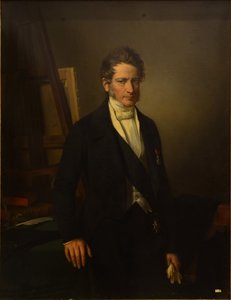
fleury françois richard
1777 - 1852 , France
プロフィール概要
- Artistic Movement Or Style: Troubadour style, Romanticism
- Artists Or Movements Influenced By This Artist: ['David']
- Artists Who Influenced This Artist: ['Jacques-Louis David']
- Date Of Birth: Feb 25, 1777
- Date Of Death: Mar 14, 1852
- Full Name: Fleury François Richard
- Nationality: French
- Notable Artworks:
- Montaigne Visiting Tasso
- Valentine de Milan
- Vert-Vert
- Place Of Birth: Lyon, France

