

 プレビュー
プレビュー
 プリントを購入
 シェアする
シェアする シェアする
シェアする
 詳細を見る
詳細を見る

 ダウンロード
 似ている作品
 X線調査
X線調査 スライドショー
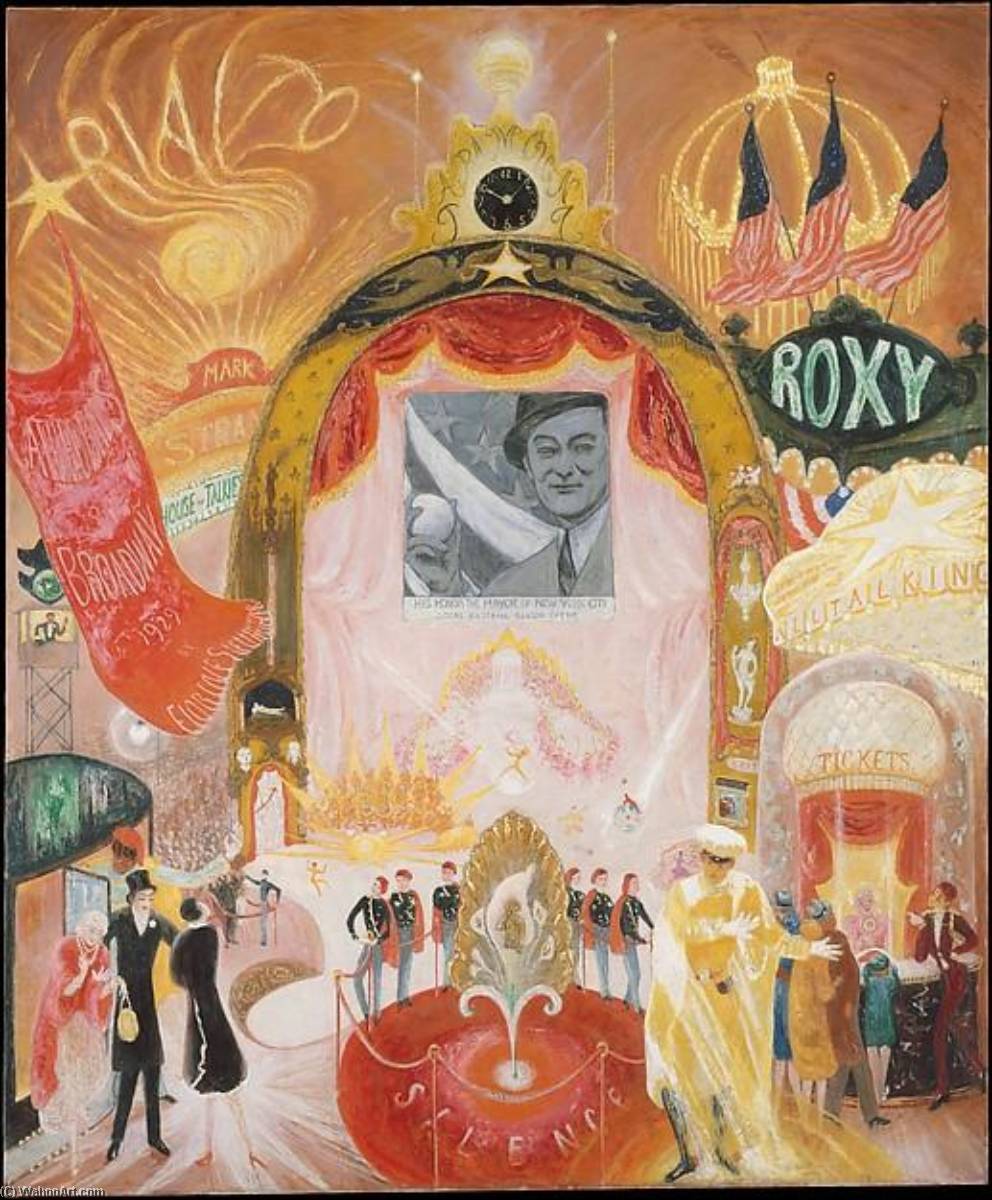
The Cathedrals of Broadway
 1929
1929 153.0 x 127.0 cm
 詳細を見る
詳細を見る
オンラインプレビューをはるかに凌ぐ、高解像度で鮮明なデジタル画像をご購入いただけます。
各ファイルは、社内の専門家が高度なツールと熟練した手作業によるレタッチを用いて、細心の注意を払って準備されています。すべての画像において、卓越した鮮明度、正確な色彩再現性、そして繊細なディテールを保証いたします。
最終ファイルは、プロフェッショナルな編集・印刷環境ですぐにご利用いただけるよう最適化された状態で、72時間以内にメールにてお届けいたします。これは、一流のデザインスタジオ、出版社、ギャラリーから信頼されているものと同等の品質です。
デジタル画像のご注文に付随する特典
高品質なデジタル画像配信を、確かな品質で。
ArtsDot.com を選ぶことは、単に画像を手に入れることではありません。それは、プロの手によって精密に仕上げられ、満足保証が付いた高品質なデジタルアートワークを受け取ることを意味します。ご注文いただいた際に自動的に付随する内容は、以下の通りです:

メールですぐにお届け
ご注文から72時間以内に、高解像度のデジタル画像ファイルがメールでお手元に届きます。すぐにそのままご利用いただけます。

AI技術で最適化されたデジタルファイル
お客様の作品は、高度なAIツールと専門家による手作業の編集を組み合わせてプロフェッショナルに最適化されており、細部のディテール、鮮明さ、そして正確な色再現性を最大限に引き出しています。

一生涯無料の再送サービス
ファイルを誤って削除したり、紛失してしまったりしましたか?ご安心ください。いつでも無料で再送いたします。

輸入手数料は一切かかりません
関税や手数料、配送料を気にすることなく、お気に入りのアートワークをすぐにお楽しみいただけます。デジタルダウンロードは常に免税です。

色彩再現の保証
プロ仕様のツールとカラーマネジメント技術を用いることで、デジタル画像が元の色を最大限に忠実に再現することを保証いたします。

100日間満足保証
ご購入いただいたデジタル画像にご満足いただけない場合は、100日以内であれば、理由を問わず修正または100%の返金対応をさせていただきます。

100% 返金保証
ご満足いただけない場合は、デジタルファイルを受け取ってから100日以内であれば、理由を問わず全額返金いたします。

まとめ買い割引
3枚購入で10%OFF - 5枚購入で15%OFF - 10枚以上購入で20%OFF。クリエイティブなプロジェクト、ギャラリー、エージェンシーに最適です。
関連作品


作家の略歴
A Life Illuminated: The World of Florine Stettheimer
Florine Stettheimer, a name that resonates with the spirit of early 20th-century American modernism, was an artist who defied easy categorization. Born in Rochester, New York, in 1871, she blossomed into a painter, poet, designer, and a central figure in the vibrant salon culture of New York City. Her life was one of deliberate artistic cultivation, shaped by both privilege and a determined independence that allowed her to forge a unique visual language. Stettheimer wasn’t merely *of* her time; she actively constructed a world within it, inviting fellow artists, writers, and intellectuals into a haven of creativity and intellectual exchange alongside her sisters, Carrie and Ettie. This familial triad created an environment where ideas flourished, and artistic boundaries were playfully challenged. The story of Florine Stettheimer is not simply the biography of an artist, but a portrait of a particular moment in American cultural history—a time of burgeoning modernism, shifting social norms, and the rise of a distinctly American aesthetic sensibility.European Influences and the Genesis of a Style
The foundations of Stettheimer’s artistic vision were laid during an extended period spent in Europe with her sisters between 1906 and 1914. Residing in cities like Berlin, Stuttgart, and Munich, she immersed herself in the diverse currents of European art. While formally trained at the Art Students League of New York from 1892 to 1895, it was this exposure to the avant-garde movements unfolding across Europe that truly ignited her artistic imagination. The influence of Symbolism and Post-Impressionism is subtly woven into the fabric of her work, yet Stettheimer never simply replicated these styles. Instead, she absorbed their lessons and began to synthesize them with her own burgeoning aesthetic—one characterized by a deliberate flattening of perspective, vibrant color palettes, and a playful embrace of decorative motifs. This period was crucial in fostering a cosmopolitan worldview that would inform both her art and the inclusive atmosphere of her later salons. It wasn’t about adopting a European identity, but rather using European artistic knowledge to create something distinctly *her own*.The Salon as Sanctuary: A Hub for Modernist Exchange
Upon returning to New York after World War I, Stettheimer and her sisters transformed their Manhattan home into a legendary salon. From 1915 to 1935, it became a vital center for modernist artists, writers, and expatriates—a space where Marcel Duchamp, Henry McBride, Carl Van Vechten, Georgia O'Keeffe, and countless others gathered to debate ideas, share work, and forge connections. This wasn’t merely a social gathering; it was an incubator of creativity. Stettheimer largely preferred exhibiting her art within the intimate setting of these salons, believing that a smaller, more engaged audience offered a richer experience than traditional gallery showings. Her only solo exhibition during her lifetime, held at Knoedler & Company in 1916, proved underwhelming—the “high-keyed, decorative paintings” were not well received by critics or buyers. This rejection solidified her preference for the salon as a space of artistic freedom and genuine appreciation. Despite this, she remained committed to engaging with the broader art world through regular submissions to the Society of Independent Artists, demonstrating a desire for dialogue even while maintaining her independence.Themes and Techniques: A Celebration of Modern Life
Stettheimer’s artistic style is immediately recognizable—a captivating blend of decorative elegance and theatrical composition. Her paintings often resemble elaborate stage sets, blurring the boundaries between reality and fantasy. Vibrant colors, intricate patterns, and a deliberate sense of artifice create a world that is both alluring and slightly unsettling. Recurring themes in her work include portraits of friends and family, scenes from New York City life, and explorations of androgyny and doubling. Her celebrated “Cathedral” series—depicting iconic landmarks like Wall Street, Fifth Avenue, and the city’s museums—are particularly noteworthy. These aren't straightforward depictions of architecture; they are allegorical representations of modern American culture, imbued with a subtle yet potent social commentary. Feminist undertones permeate much of her work, challenging societal norms through depictions of women in positions of power and agency. *Model (Nude Self-Portrait)* stands as a particularly striking example—a confident and autonomous self-representation that subverts traditional notions of the female nude. While influenced by European modernism and even Rococo aesthetics, Stettheimer developed a distinctly American style, reflecting her unique perspective and experiences. Her work is a testament to the power of individual vision, a celebration of the energy and contradictions of modern life.Legacy and Rediscovery: A Pioneer Recognized
Despite limited recognition during her lifetime, Florine Stettheimer’s reputation has grown significantly since her death in 1944. A pivotal moment came with a retrospective exhibition at the Museum of Modern Art in 1946, curated by Marcel Duchamp—a testament to his deep respect for her work and artistic vision. This exhibition helped solidify her place in art history, introducing her paintings to a wider audience and sparking renewed critical interest. Today, she is celebrated as a pioneering feminist artist who challenged conventional notions of femininity and artistic expression. Her work continues to inspire contemporary artists and scholars interested in the intersection of art, gender, and social change. The Stettheimer dollhouse—a whimsical miniature replica of their home filled with works by prominent artists—offers a fascinating glimpse into their artistic circle and aesthetic sensibilities. It stands as a tangible symbol of the creative energy that flourished within those walls, a legacy that continues to resonate today. Florine Stettheimer’s story is one of quiet determination, artistic innovation, and a profound understanding of the power of art to reflect—and reshape—the world around us.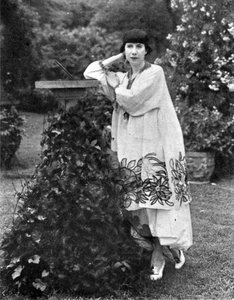
Florine Stettheimer
1871 - 1944