 プレビュー
プレビュー
 シェアする
シェアする シェアする
シェアする
 詳細を見る
詳細を見る

 ダウンロード
 似ている作品
 X線調査
X線調査 スライドショー
Liberating the Mother of Demons


 詳細を見る
詳細を見る
ジークレー/アートプリント
迅速な制作と多彩な仕上げオプションを備えた、ミュージアムクオリティのジークレーまたはキャンバスプリント。 ( 手描きの絵画を購入 画像を購入)




P118B $10

P118H $10

P118W $10

P438Z $10

P508JH $12

P508YH $12

P805H $10

P805Z $10

P919BZ $10

P919G $10

P919XJ $10

P959ZH $10

P968JZ $12

W106C $8

W218G $10

W218JH $8

W218Y $10

W307PJ $10

W316G $10

W316PJ $8

W316Y $10

W398PJ $8

W4111J $10

W500HY $15

W500JH $15

W692G $12

W849H $8

W940BG $15

W953PJ $8




作品のオリジナル比率に合わせた、当店の規定サイズからお選びください。

特定のフレームやスペースに合わせて、ご自身でサイズを指定することも可能です。選択されたサイズが元の画像の比率と一致しない場合、作品をトリミングするか、鏡面反射または単色での塗りつぶしによって画像を拡張いたします。制作を開始する前に、ご確認用のデジタルモックアップをお送りいたします。
画面上のプレビューには、実際のトリミングや拡張は反映されませんのでご注意ください。最終的な構図を正確に確認できるのは、モックアップのみとなります。
カスタムサイズも承っておりますが、元の比率を維持するためには、あらかじめ用意されたリストからサイズを選択することをお勧めいたします。


 ガラスオプションは、110cm未満のサイズでのみご利用いただけます。

Liberating the Mother of Demons
ジークレー/アートプリント
複製画のサイズ
-


合計金額
$ 62
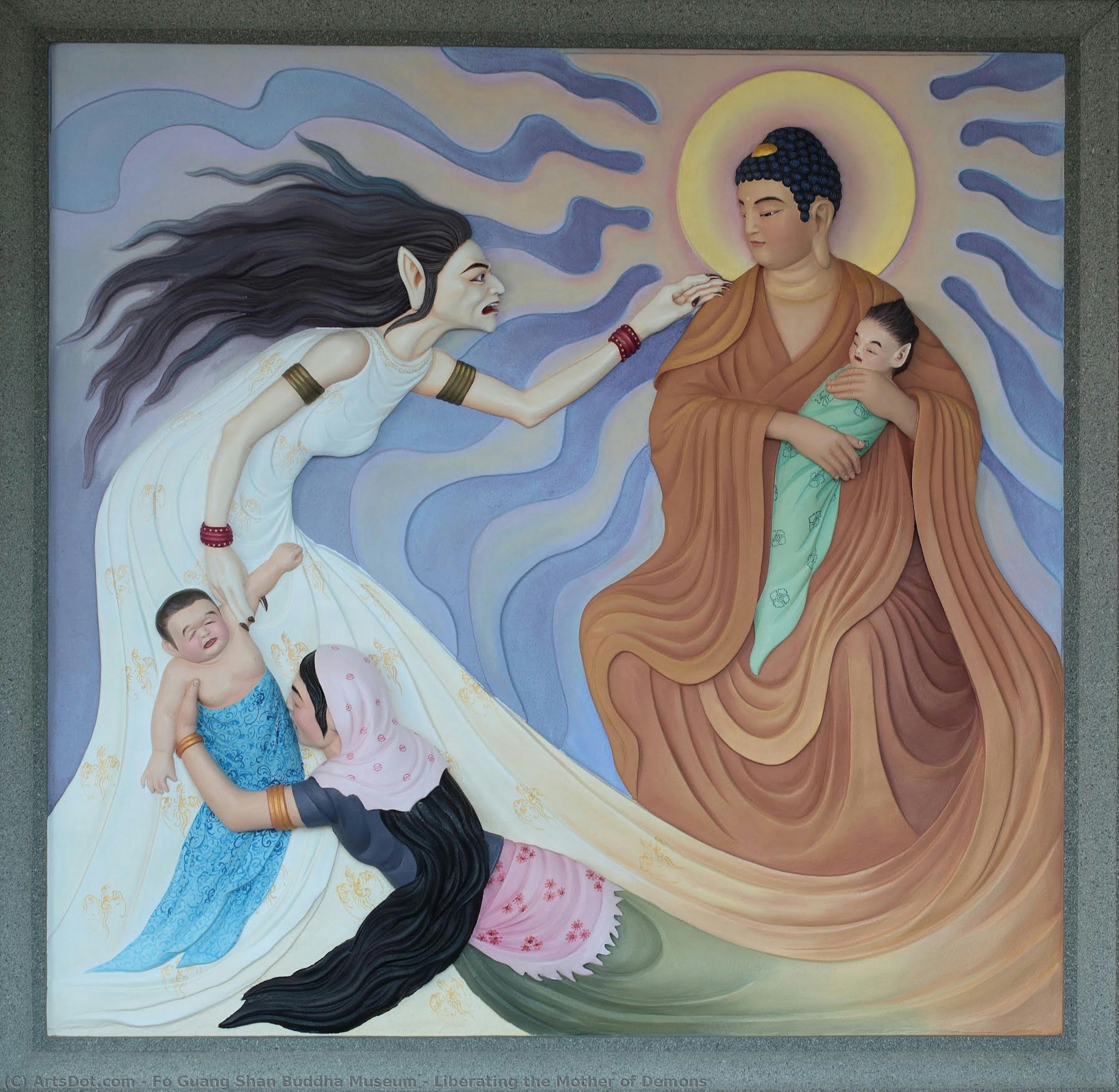
Liberating the Mother of Demons: A Vision from Fo Guang Shan
The artwork “Liberating the Mother of Demons,” created by the Fo Guang Shan Buddha Museum in 2011, is far more than a depiction of Buddhist iconography; it’s an immersive experience rendered in vibrant color and dynamic composition. This monumental painting immediately draws the viewer into a world where ancient mythology intertwines with profound spiritual themes, offering a glimpse into a narrative of redemption and compassion. The piece transcends simple illustration, becoming a powerful meditation on suffering, transformation, and the boundless mercy of the Buddha.
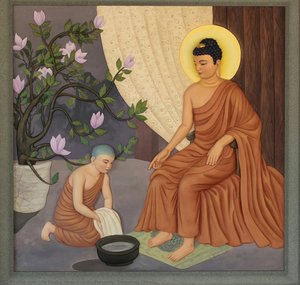
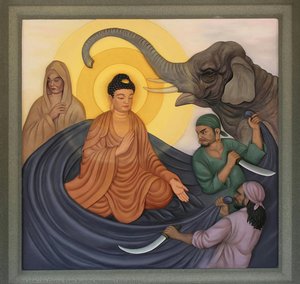
At its core, “Liberating the Mother of Demons” centers around Hariti, a figure often portrayed as a fearsome demoness in Buddhist lore. Traditionally depicted as violently consuming children, she represents primal chaos and the destructive forces inherent within human nature. However, this particular interpretation shifts the narrative dramatically. The painting doesn’t dwell on her monstrous past but instead focuses on her liberation – a process facilitated by the Buddha himself. The central image showcases Hariti being gently released from an alms bowl, symbolizing her release from her karmic cycle and offering a potent visual metaphor for spiritual rebirth.
A Symphony of Style and Technique
The artwork’s style is a captivating blend of traditional Buddhist aesthetics with elements of surrealism and fantasy. The composition employs a circular arrangement, reminiscent of mandalas – sacred diagrams used in meditation to represent the universe and facilitate spiritual understanding. Flowing lines dominate the scene, guiding the eye through a complex interplay of figures and symbols. These curvilinear forms create a sense of movement and energy, mirroring the dynamic process of transformation depicted within the painting. The use of rounded shapes, particularly in the depiction of the deities and drapery, contributes to an overall feeling of serenity and grace.
Technically, “Liberating the Mother of Demons” appears to be executed primarily in oil on canvas. The artist’s brushwork is evident – visible impasto creates a textured surface that adds depth and richness to the image. The color palette is remarkably vibrant, utilizing warm tones like gold and crimson alongside cooler shades of blue and green. This juxtaposition of colors enhances the painting's dramatic effect, highlighting both the intensity of Hariti’s past actions and the promise of her future redemption. The lighting, emanating from a central golden halo, casts strong shadows, creating a sense of depth and drama that further draws the viewer into the scene.
Symbolism and Spiritual Depth
Beyond its visual appeal, “Liberating the Mother of Demons” is laden with symbolic meaning. The Buddha himself serves as the catalyst for Hariti’s transformation, embodying wisdom, compassion, and the power to overcome suffering. The alms bowl, a traditional symbol of generosity and offering, represents the opportunity for redemption and spiritual growth. The inclusion of other deities and figures underscores the interconnectedness of all beings within the Buddhist cosmology – highlighting the potential for everyone to achieve enlightenment.
Notably, the painting’s narrative echoes a key Buddhist parable: the story of Hariti's transformation after she was shown that her own son was hidden in an alms bowl. This tale serves as a powerful reminder that even those who have committed terrible acts can be redeemed through compassion and understanding. The artwork thus becomes a testament to the transformative power of empathy and the possibility of spiritual rebirth for all.
A Timeless Masterpiece for Reflection and Inspiration
“Liberating the Mother of Demons” is more than just a beautiful painting; it’s a profound meditation on themes of redemption, compassion, and the cyclical nature of existence. Its captivating style, rich symbolism, and dynamic composition make it a truly remarkable work of art – one that invites viewers to contemplate their own capacity for transformation and the enduring power of the Buddha's teachings. Whether displayed in a museum or cherished within a private collection, this artwork offers a timeless source of inspiration and reflection.

アーティストの略歴
信仰と芸術の聖域:佛光山仏教博物館
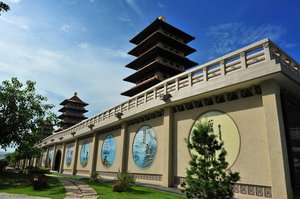
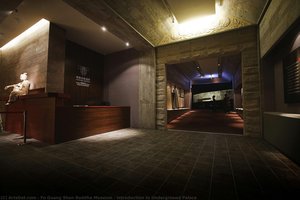
台湾、高雄市の大樹区に静かに佇む佛光山仏教博物館は、単なる聖なる遺物や芸術作品の収蔵庫ではありません。それは、仏教哲学が持つ不朽の力と、東アジア文化に与えた深い影響を鮮やかに物語る証なのです。台湾最大の仏教組織である佛光山の創始者、星雲大師のビジョンから生まれたこの博物館は、200 Seb8年に始まった長年の献身的な建設を経て、2011年12月にその扉を公式に開きました。大乗仏教の灯台として、芸術、文化、映画、人間学的な探求、そして国際交流を網羅した没入型の体験を通じて、法(ダルマ)を伝えるために細部まで緻密に設計されています。この博物館の誕生には、ある驚くべき物語が深く関わっています。1998年、星雲大師は、30年もの間その守護を続けてきたチベットの僧侶、クンガ・ドルジェ・リンポチェから釈迦牟尼仏の歯舎利を託されました。この神聖な贈り物が、その尊厳にふさわしく、仏教の知恵を世界へと分かち合うための空間を創り出す原動力となったのです。建築的象徴性と芸術の至宝
博物館のデザインには深い象徴性が込められており、仏教思想の核心的な教義を反映しています。建築的な旅は「円満門」から始まり、「解脱門」へと続きます。その両門には、力、知恵、そして守護の強力な象徴である威厳に満ちた獅子や象の像が飾られています。これらの入り口を通り抜けると、参拝者は広大な複合施設へと導かれ、そこでは瞑想の焦点となる圧倒的な存在感を放つ「佛光大仏」が鎮座しています。また、風景の中には、仏教の宇宙観においてそれぞれ異なる意味を持つ、独自のデザインを施された8つの塔が点在しています。これらの建造物や博物館のホールには、仏教を主軸とした、中国および台湾の文化的遺産を反映する多様な芸術作品が収められています。絵画、彫刻、インスタレーションは、伝統的な技法と現代的な解釈の両方を示す幅広い芸術様式を提示しています。この博物館は単に芸術を展示する場所ではなく、美的な表現を通じて仏教の真理を具現化しているのです。 <察注目のアーティストと名作たち
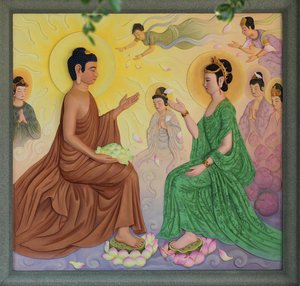
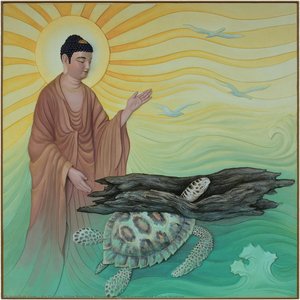
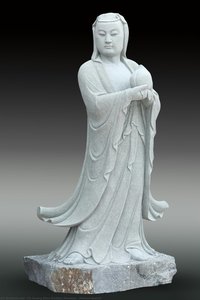
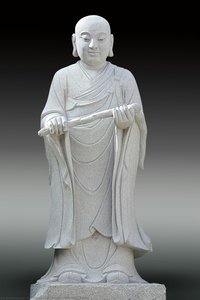
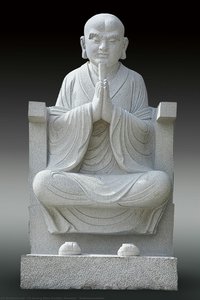
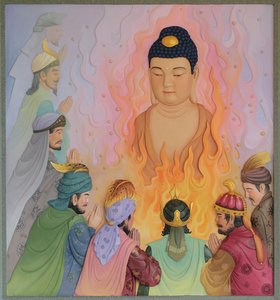
佛光山仏教博物館は、一般的な意味での個々のアーティストによって定義される存在というよりも、一つの機関として機能していますが、数多くの創造者たちがその芸術的景観に多大な貢献を果たしてきました。陳澄波は、情緒豊かな油彩画「夏の英国の街角」で知られ、繊細な美しさと瞑想的な静寂に満ちた日常の一端を私たちに見せてくれます。同様に、侯連欽による石彫作品は、仏教の図像学に触覚的な質をもたらし、精神的な概念を形あるものとして定着させています。こうした個々の貢献に加え、博物館のコレクションには、仏教芸術と文化への献身を象徴する魅力的な作品が並びます。写真によって捉えられた「釈迦の入滅」は、超越へと向かう決定的な瞬間を力強く伝えます。「須達供養」は、現実の本質を表現した見事な芸術作品です。「道教の儀式」は台湾の文化的慣習の魅力的な交差を示し、「阿那律陀のための三衣の縫製」は、繊細な技巧をもって慈悲と仏教的象徴を描き出しています。さらに、デジタル絵画「目連の母救済」のように、仏教説話の場面を鮮やかなディテールで描いた作品も収蔵されています。「父の棺を担ぐ」といった絵画は、東アジアの芸術伝統を通じて、敬虔さと精神的な超越を表現しています。保存、教育、そしてグローバルな対話への誓い
佛光山仏教博物館は、単に受動的に鑑賞するための場所ではありません。ここは、教育、文化交流、そして仏教遺産の保存のための能動的な拠点なのです。博物館は世界中の機関との対話と協力を促進するため、グローバルな博物館間プログラムに積極的に参加しています。また、「生命教育」の取り組みは、仏教の原理とその日常生活への応用についての理解を深めることを目的としており、ワークショップや講義、ガイド付きの瞑想を提供しています。仏教についてより深く学びたいと願う人々のために、公共サービスも整えられており、誰もがアクセスしやすいリソースが用意されています。このアクセシビリティへの献身は、博物館の無料入館政策によって裏付けられており、その至宝がすべての人に開かれていることを保証しています。品質と保存への取り組みにおいて国際的に認められたこの博物館は、国際博物館会議(ICOM)の会員であり、2015年からはISO 50001 2011認証を取得しており、博物館管理と環境責任に関する厳格な基準を遵守していることを証明しています。この博物館は、星雲大師のビジョンの生きた体現として存在しています。それは、絶えず変化し続ける世界において、仏の知恵が平和、慈悲、そして理解を呼び起こすための聖域なのです。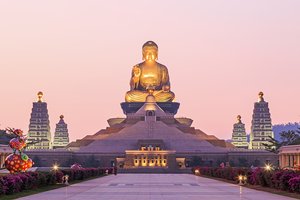
佛光山仏教博物館
台湾
基本情報
- Artistic Movement Or Style: 仏教美術
- Full Name: 佛光山仏教博物館
- Nationality: 台湾
- Notable Artworks:
- 釈迦涅槃入滅
- 須達多への教え
- 道教の儀式
- 三衣を縫う…
- Other Names: 仏陀記念館
- Place Of Birth: 台湾、大樹区
関連記事
Pale Turquoise Masterpieces: 10 Famous Paintings & Their Serene Beauty | ArtsDot
Dive into serenity with 10 famous paintings dominated by pale turquoise! Explore Monet, Renoir & Van Gogh's masterpieces. Discover the stories behind these iconic artworks and find museum-quality art reproductions for your home at ArtsDot.com.
ジェームズ・マクニール・ホイストラー:至高の25選 - 美と調和を求めた芸術家の軌跡 | ArtsDot
ジェームズ・マクニール・ホイストラーの至高の25選。ノクターン、印象派、美しい色彩に満ちた作品群を紐解きます。ArtsDotで高品質なアートプリントとインテリアをお楽しみください。名画の世界へ – ArtsDot.com
Mary Cassatt: Modernity, Motherhood & the Impressionist Gaze – A Timeless Legacy
Explore the life & art of Mary Cassatt, a pivotal American Impressionist renowned for intimate portrayals of women & children. Discover her unique style, legacy, and groundbreaking techniques at ArtsDot.
Whimsical Wonders: A Mother's Guide to Transforming Children's Rooms with Timeless Art Reproductions
Transform your child's room into a whimsical sanctuary with museum-quality art reproductions. Discover how hand-painted masterpieces and custom portraits can spark imagination and create a timeless, beautiful space for your little one.
Serene Visions: Exploring Tranquility in Art History & Contemporary Practice
Explore the history of serene art & discover how landscape paintings evoke tranquility. From Shan Shui to Ukiyo-e, find artwork for a peaceful home at ArtsDot.