 プリントを購入
 シェアする
シェアする シェアする
シェアする
 詳細を見る
詳細を見る

 ダウンロード
 似ている作品
 スライドショー
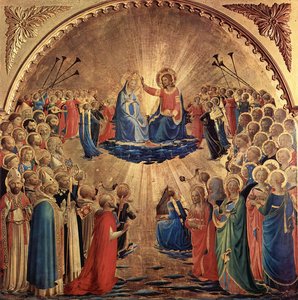
Christ Glorified in the Court of Heaven 1


 詳細を見る
詳細を見る




































作品のオリジナル比率に合わせた、当店の規定サイズからお選びください。

特定のフレームやスペースに合わせて、ご希望のサイズをご入力いただけます。選択されたサイズが元の画像の比率と異なる場合、アートワークをトリミングするか、手描きで要素を追加して絵画を拡張いたします。デジタルモックアップ を制作し、制作開始前にご確認(承認)をいただきます。
画面上のプレビューは、実際のトリミングや拡張を正確に反映しているものではありません。最終的な構図は、モックアップによってのみ正確にご確認いただけます。
カスタムサイズもご利用いただけますが、元の比率を維持するためには、あらかじめ用意されたリストからサイズを選択することをお勧めいたします。
ご注文後、ArtsDot.com チームより詳細な指示をお送りするとともに、仕上がりイメージ(モックアップ)をご提供いたします。


 ガラスオプションは、110cm未満のサイズでのみご利用いただけます。

Christ Glorified in the Court of Heaven 1
複製技法
複製画のサイズ
-


合計金額
$ 263
A Celestial Vision: The Divine Radiance of Fra Angelico
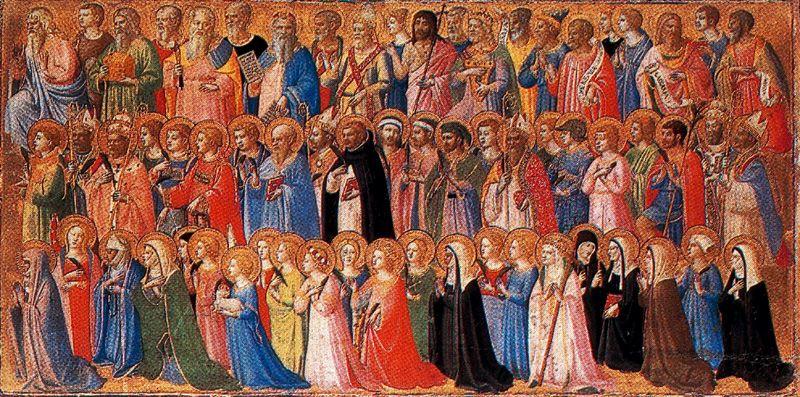
In the hallowed stillness of the Chapel of San Marco in Florence, there exists a window into the infinite. Fra Angelico’s “Christ Glorified in the Court of Heaven” is not merely a mural; it is a profound spiritual encounter captured in pigment and plaster. Painted between 1437 and 1440, this masterpiece serves as a breathtaking bridge between the earthly and the divine. As viewers approach this monumental work, they are invited into a celestial court where time seems to suspend itself. The scene unfolds with a sense of profound peace, depicting Christ presiding over a luminous assembly of saints and angels. This is not a static portrait but a living, breathing moment of prayerful contemplation, designed to lift the soul from the mundane struggles of life toward the eternal grace of the heavens.
The emotional resonance of the piece lies in its ability to evoke sublime serenity. For the collector or the interior designer, this artwork offers more than just visual splendor; it provides an atmosphere of tranquility and contemplative depth. The composition draws the eye through a gathering of holy figures, whose varied robes and postures create a rhythmic movement that guides the viewer toward the central figure of Christ. There is a palpable sense of community and togetherness within this heavenly assembly, making the painting an ideal centerpiece for spaces dedicated to reflection, study, or quiet luxury.
Mastery of Light and the Fresco Technique
To understand the enduring brilliance of this work, one must look to the meticulous hand of Fra Angelico. As a master of the fresco technique, the artist applied pigments directly onto wet plaster, a demanding process that requires both speed and absolute precision. This method allowed the colors to become an integral part of the wall itself, granting the mural a luminous quality that appears to glow from within. The artist’s palette is nothing short of extraordinary, most notably characterized by his use of ultramarine blue—a precious pigment imported from far-off Persia. This deep, celestial blue, paired with the soft, ethereal light of the Florentine Gothic style, creates a sense of depth and atmospheric perspective that was revolutionary for the Quattrocento.
The technique reflects the artist's own monastic devotion; every brushstroke was an act of worship. The subtle nuances of light hitting the folds of the saints' garments and the soft transitions of color in the background demonstrate a level of skill that transcends mere decoration. For those seeking a high-quality reproduction, capturing these delicate gradations is essential to preserving the "angelic" quality that gives Fra Angelico his name. A faithful recreation of this work brings the soft, diffused light of the Italian Renaissance into a modern setting, offering a sophisticated touch of historical grandeur.
Historical Significance and Symbolic Depth
Beyond its aesthetic beauty, “Christ Glorified in the Court of Heaven” stands as a pivotal milestone in the transition from the medieval Byzantine tradition to the burgeoning humanism of the Renaissance. While the subject matter is deeply rooted in traditional Christian iconography—specifically reflecting St. Augustine’s concepts of divine grace—the execution hints at the new interest in naturalism and human emotion. The figures, though divine, possess a tangible presence that resonates with the viewer on a human level. This delicate balance between the mystical and the natural is what makes the work so enduringly relevant.
Every element within the courtyard serves a symbolic purpose, from the arrangement of the holy figures to the specific hues used in their vestments. The painting acts as a visual sermon, intended to inspire holiness and remind the faithful of the ultimate reward of a life lived in devotion. For the discerning art lover, owning a reproduction of this masterpiece is an opportunity to surround oneself with the intellectual and spiritual heritage of Florence. It is an investment in a piece of history that continues to inspire awe, offering a timeless elegance that complements both classical and contemporary interior aesthetics.
関連作品
アーティストの略歴
初期の人生と霊的な形成
1395年頃、フィレンツェ共和国のトスカーナ地方の丘陵地帯にあるルペサーナで生まれたフラ・アンジェリコ(本名グイド・ディ・ピエトロ)の幼少期は、神秘的なベールに包まれています。彼の家族や子供時代についてほとんど知られていませんが、彼はしっかりとした教育を受け、謙虚なルペサーナの出身を超えた人生への準備をしたと考えられています。転換点は、若きグイドがフィソレーのドミニコ会に入り、宗教的な瞑想と奉仕に生涯を捧げたことです。修道会の壁の中で、彼は「兄弟アンジェリコ」という名前を受け取りました。これはすぐに彼の修道誓約だけでなく、彼の芸術に内在する天使のような性質も反映した愛称となりました。当初は写本を装飾するという任務を与えられ、精密さと鮮やかな色彩を要求される緻密な作業を通して、彼は後に息を呑むようなフレスコ画やパネル絵へと発展していく技術を磨きました。この初期の訓練は彼に細部への深い敬意、顔料の習熟、そして視覚的物語を通してどのように叙情を伝えるかを理解させました。ドミニコ会の神学研究への重点は、彼の芸術的なビジョンを形作り、信仰と目的意識という深い感覚をもって彼の作品に浸透しました。
独自のスタイルの開花
フラ・アンジェリコの芸術的発展は孤立したものではありませんでした。彼は当時のフィレンツェの絵画の流れを取り入れました。時代の主要な画家であり写本装飾家であったロレンツォ・モナコのエレガントな線形と装飾的なパターンは、彼の初期の作品に見られます。しかし、フラ・アンジェリコは単に前任者を模倣したわけではありませんでした。彼はこれらの影響を芽生えつつある自然主義と統合し始めました。これは、マサッチオの画期的なフレスコ画への露出によって引き起こされた可能性があります。マサッチオは劇的な視点の使用と人間の形の現実的な描写で絵画に革命をもたらしましたが、フラ・アンジェリコは別の道を選びました。彼は視点をその目的のためにではなく、より没入感のある精神的な体験を作り出す手段として受け入れました。彼の人物は優雅でしばしば理想化されていますが、単なる表現を超越する静かな尊厳と感情的な共鳴を持っています。重要なことに、彼の芸術は信仰と不可分であり、絵画を職業ではなく祈りの行為であると考えていました。それは神を瞑想し、他の人にそれを可視化する方法です。この深く持っている信念は、すべての筆致に敬虔さと誠実さを浸透させました。
信仰と色彩の傑作
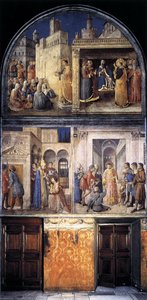
フラ・アンジェリコの芸術的遺産は、何世紀も経っても人々に畏敬の念を起こさせる、いくつかの記念碑的な作品によって支えられています。フィレンツェのサンマルコ修道院内のフレスコ画は、ルネサンス美術においてまれな静かな単純さと感情的な深さを体現しているため、広く彼の傑作と見なされています。キリストの生涯の各場面—受胎告知から十字架刑まで—は、静かな瞑想を誘い、視聴者を神聖な物語との個人的な出会いに招くような雰囲気で満たされています。サンマルコ以外にも、彼の*ペルージャ祭壇画*は、特に受胎告知の繊細な描写において、彼の進化するスタイルを示しています。受胎告知という繰り返されるテーマ自体が、彼の作品全体に現れ、それぞれが不気味な美しさと象徴的な豊かさで描かれています。聖ラウレンティウスが施しをするは、叙事構成のスキルと繊細さと優雅さをもって人間の感情を描写する能力を示しています。彼のパレットは、内側から輝いているように見える明るく鮮やかな色—青、金、赤—によって特徴付けられ、異世界の輝きの雰囲気を作り出しています。
遺産と永続的な影響
フラ・アンジェリコは、宗教的な献身と芸術的革新の融合を体現し、初期ルネサンスにおける重要な人物として立っています。彼は単なる画家ではありませんでした。彼は信仰を視覚的形式に翻訳した精神的なビジョナリーでした。彼の作品は、人間の尊厳と霊的な瞑想の可能性を強調する人間主義の理想を反映しています。著名な美術史家ジョルジョ・ヴァサリは、彼の*芸術家の生涯*の中でフラ・アンジェリコの才能を称賛し、彼の創造物の美しさを十分に捉えることは不可能であると宣言しました。これにより、西洋美術の規範における彼の地位が確固たるものとなりました。彼の影響力は彼自身の時代を超えて広がり、彼の献身的なスタイルと色彩の巧みな使用で何世代にもわたる芸術家にインスピレーションを与えました。1982年、教皇ヨハネ・パウロ2世はフラ・アンジェリコの生涯と業績に対する深い霊的な影響を証明する形で彼を祝福しました。
彼の芸術を体験できる場所
- サンマルコ美術館、フィレンツェ: この美術館には、修道院の息を呑むようなフレスコ画を含むフラ・アンジェリコの作品の中で最大かつ最も重要なコレクションが収蔵されています。
- ルーブル美術館(パリ): フラ・アンジェリコのいくつかの重要な絵画はルーブルの広大なコレクションの中にあります。
- ナショナル・ギャラリー(ロンドン): ナショナル・ギャラリーには彼の作品のセレクションがあり、訪問者に彼の芸術的な才能を垣間見ることができます。
- 世界中の他の多くの美術館も彼の芸術の例を表示し、彼の永続的な遺産に対するより広い感謝を可能にしています。
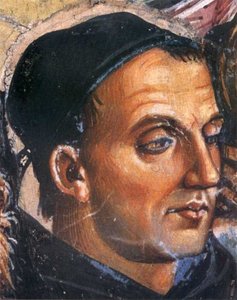
フラ・アンジェリコ
1395 - 1455 , イタリア
基本情報
- フルネーム: フラ・アンジェリコ(Fra Angelico)
- 主な作品:
- サン・マルコ修道院のフレスコ画
- ペルージャ祭壇画
- 受胎告知
- 出身地: ルペサーナ、イタリア
- 国籍: イタリア
- 影響を与えたアーティスト: ['初期ルネサンスの画家']
- 影響を受けたアーティスト:
- ロレンツォ・モナコ
- マザッチョ
- 死亡年月日: 1455年
- 生年月日: 1395年頃
- 芸術運動またはスタイル: 初期ルネサンス
関連記事

フラ・アンジェリコの傑作25選:ルネサンス美術の神髄と至高の装飾 | ArtsDot
フラ・アンジェリコの傑作25選。ルネサンス美術の神髄を紐解き、天使のような静謐な色彩と宗教画の世界へ誘います。壁画やフレスコ画の技法、修道院に息づく祈りの絵…ArtsDotで至高のアートプリントをお手軽に。コレクションを探索する。

Elevating Interiors: How Murals are Redefining Kitchens and Bathrooms
Transform your kitchen & bathroom with stunning murals! Explore design trends, durable materials & expert advice. Elevate your interiors with 's bespoke mural solutions.

家族の遺産を壁画で彩る:伝統技法が紡ぐ、時を超越する美と記憶
古代から現代までの壁画の歴史と技法を解説。日本の壁画文化やカスタムオーダーによる家族の遺産表現、保存・修復技術まで網羅。専門家が時を超越する美と記憶を紡ぐ芸術的価値をご案内します。
The Enduring Legacy of Fresco: Technique, History & Artistic Expression
Explore the rich history & enduring artistry of fresco painting. Discover techniques from Giotto to Michelangelo, conservation efforts, & modern applications. Learn how ArtsDot brings this timeless art form to your home.

The Enduring Legacy of Fresco: Technique, History & Artistic Expression Across Cultures
Explore the rich history & enduring legacy of fresco painting! Discover ancient techniques, Giotto's masterpieces, and modern applications. Expert insights for art lovers & professionals.