

 プリントを購入
 シェアする
シェアする シェアする
シェアする
 詳細を見る
詳細を見る

 ダウンロード
 似ている作品
 スライドショー
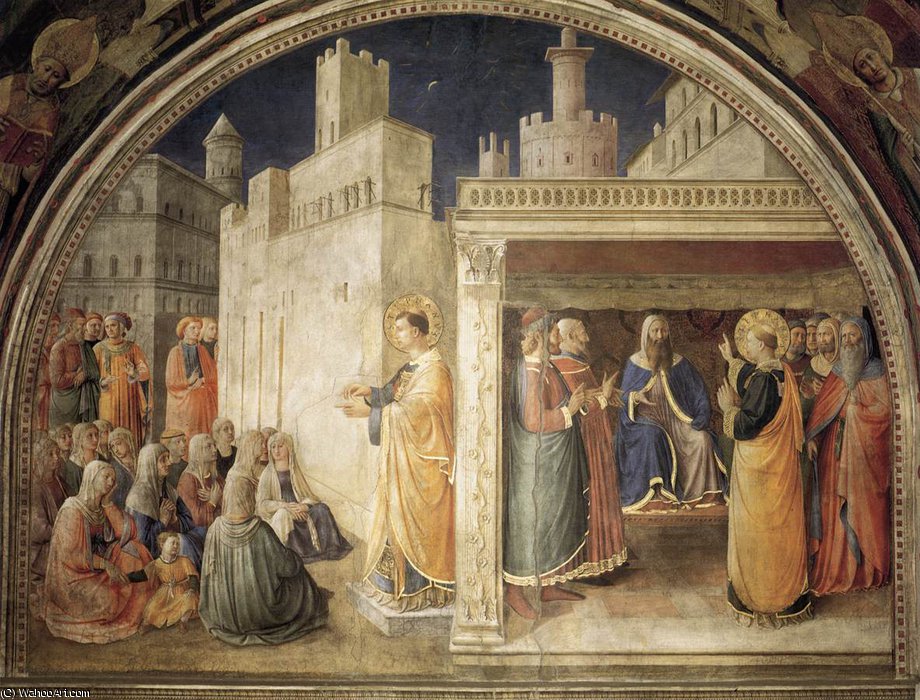
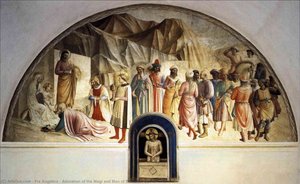
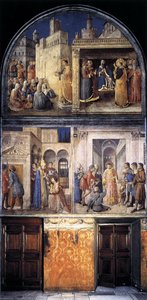
N,wall - Lunette of the north wall


 詳細を見る
詳細を見る
オンラインプレビューをはるかに凌ぐ、高解像度で鮮明なデジタル画像をご購入いただけます。
各ファイルは、社内の専門家が高度なツールと熟練した手作業によるレタッチを用いて、細心の注意を払って準備されています。すべての画像において、卓越した鮮明度、正確な色彩再現性、そして繊細なディテールを保証いたします。
最終ファイルは、プロフェッショナルな編集・印刷環境ですぐにご利用いただけるよう最適化された状態で、72時間以内にメールにてお届けいたします。これは、一流のデザインスタジオ、出版社、ギャラリーから信頼されているものと同等の品質です。
デジタル画像のご注文に付随する特典
高品質なデジタル画像配信を、確かな品質で。
ArtsDot.com を選ぶことは、単に画像を手に入れることではありません。それは、プロの手によって精密に仕上げられ、満足保証が付いた高品質なデジタルアートワークを受け取ることを意味します。ご注文いただいた際に自動的に付随する内容は、以下の通りです:

メールですぐにお届け
ご注文から72時間以内に、高解像度のデジタル画像ファイルがメールでお手元に届きます。すぐにそのままご利用いただけます。

AI技術で最適化されたデジタルファイル
お客様の作品は、高度なAIツールと専門家による手作業の編集を組み合わせてプロフェッショナルに最適化されており、細部のディテール、鮮明さ、そして正確な色再現性を最大限に引き出しています。

一生涯無料の再送サービス
ファイルを誤って削除したり、紛失してしまったりしましたか?ご安心ください。いつでも無料で再送いたします。

輸入手数料は一切かかりません
関税や手数料、配送料を気にすることなく、お気に入りのアートワークをすぐにお楽しみいただけます。デジタルダウンロードは常に免税です。

色彩再現の保証
プロ仕様のツールとカラーマネジメント技術を用いることで、デジタル画像が元の色を最大限に忠実に再現することを保証いたします。

60日間満足保証
ご購入いただいたデジタル画像にご満足いただけない場合は、60日以内であれば、修正または100%の返金(理由を問う必要はありません)をさせていただきます。

100% 返金保証
ご満足いただけない場合は、デジタルファイルを受け取ってから60日以内であれば、理由を問わず全額返金いたします。

まとめ買い割引
3枚購入で10%OFF - 5枚購入で15%OFF - 10枚以上購入で20%OFF。クリエイティブなプロジェクト、ギャラリー、エージェンシーに最適です。
作品の詳細
The Serene Echoes of Fra Angelico’s San Marco Frescoes
Within the walls of Florence's San Marco monastery lies a collection of frescoes by Fra Angelico, a testament to early Renaissance spirituality and artistic mastery. These aren’t merely decorative paintings; they are windows into a world of devout contemplation, offering glimpses of religious narratives interwoven with profound symbolism and an almost palpable sense of serenity. The most celebrated panels, particularly those adorning the lunettes – arched recesses above doorways – capture a unique blend of narrative storytelling and meditative atmosphere, inviting viewers to step into a realm where faith and beauty converge.
The frescoes themselves are remarkably restrained in their composition, eschewing the opulent detail often associated with Renaissance art. Instead, Angelico favors a deliberate simplicity, focusing on conveying essential elements through carefully considered lines and muted colors. The dominant palette—ochres, browns, blues, and greens—creates a harmonious, almost ethereal effect, reminiscent of monastic cells bathed in soft light. This restrained approach wasn’t born of austerity but rather a conscious decision to prioritize spiritual clarity over elaborate ornamentation, reflecting the core values of the Dominican Order.
The Lunettes: Scenes from Scripture and Spiritual Contemplation
The lunettes, painted between 1436 and 1440, depict two key scenes from the lives of St. Stephen and St. Lawrence. The central panel portrays the Sermon of St. Stephen, a pivotal moment in early Christian history where Stephen, stoned to death for his faith, delivers a powerful sermon before his demise. Angelico masterfully captures the intensity of the scene—the earnest faces of the onlookers, the dramatic gesture of Stephen’s arm, and the subtle suggestion of impending violence. The figures are rendered with an almost sculptural quality, their forms defined by strong lines and carefully modeled drapery. The background is deliberately vague, emphasizing the central drama rather than distracting from it.
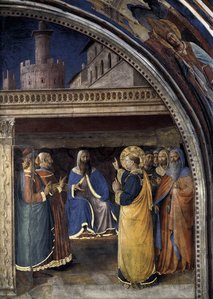
Alongside this depiction, a second lunette illustrates the Dispute before the Sanhedrin, where St. Lawrence defends his innocence against false accusations. This panel showcases Angelico’s skill in portraying complex interactions and emotional states. The faces of the council members are etched with suspicion and judgment, while St. Lawrence maintains an air of dignified composure. Notably, the architectural setting—a grand basilica with soaring arches and a distant apse—is meticulously rendered, demonstrating Angelico's deep understanding of perspective and spatial relationships. The use of light is particularly effective in this panel, casting dramatic shadows that heighten the sense of tension and drama.
Technique and Influences: A Synthesis of Styles
Angelico’s technique is a fascinating synthesis of influences. He drew upon the traditions of his predecessors, including Masaccio and Brunelleschi, incorporating elements of their styles into his own unique vision. The influence of Masaccio is particularly evident in the depiction of Christ's body on the Crucifixion panel—the anatomical accuracy and emotional intensity are reminiscent of Masaccio’s groundbreaking work. Brunelleschi’s mastery of perspective is also apparent in the lunettes, creating a convincing illusion of depth and space.
However, Angelico transcends mere imitation, imbuing his paintings with a distinctly personal style characterized by an exquisite sense of delicacy and spiritual grace. His use of color is subtle yet evocative, creating a luminous quality that enhances the overall mood of serenity. The frescoes were executed using the traditional technique of *fresco secco*, applying pigments to dry plaster—a method that requires meticulous planning and execution, demanding both technical skill and artistic sensitivity.
Symbolism and Spiritual Resonance
Beyond their narrative content, the San Marco frescoes are rich in symbolism. The figures themselves represent virtues such as faith, hope, and charity. The architectural setting—the basilica with its soaring arches—symbolizes the heavenly realm. The muted colors evoke a sense of humility and reverence. Angelico’s paintings were intended to inspire contemplation and uplift the spirits of those who beheld them, serving as a constant reminder of God's love and mercy.
Today, these frescoes continue to resonate with viewers, offering a glimpse into the spiritual world of Renaissance Florence. They are not merely beautiful works of art; they are windows into a timeless realm of faith, beauty, and contemplation—a testament to Fra Angelico’s enduring legacy as one of the greatest artists of all time.
関連作品

作家の略歴
初期の人生と霊的な形成
1395年頃、フィレンツェ共和国のトスカーナ地方の丘陵地帯にあるルペサーナで生まれたフラ・アンジェリコ(本名グイド・ディ・ピエトロ)の幼少期は、神秘的なベールに包まれています。彼の家族や子供時代についてほとんど知られていませんが、彼はしっかりとした教育を受け、謙虚なルペサーナの出身を超えた人生への準備をしたと考えられています。転換点は、若きグイドがフィソレーのドミニコ会に入り、宗教的な瞑想と奉仕に生涯を捧げたことです。修道会の壁の中で、彼は「兄弟アンジェリコ」という名前を受け取りました。これはすぐに彼の修道誓約だけでなく、彼の芸術に内在する天使のような性質も反映した愛称となりました。当初は写本を装飾するという任務を与えられ、精密さと鮮やかな色彩を要求される緻密な作業を通して、彼は後に息を呑むようなフレスコ画やパネル絵へと発展していく技術を磨きました。この初期の訓練は彼に細部への深い敬意、顔料の習熟、そして視覚的物語を通してどのように叙情を伝えるかを理解させました。ドミニコ会の神学研究への重点は、彼の芸術的なビジョンを形作り、信仰と目的意識という深い感覚をもって彼の作品に浸透しました。
独自のスタイルの開花
フラ・アンジェリコの芸術的発展は孤立したものではありませんでした。彼は当時のフィレンツェの絵画の流れを取り入れました。時代の主要な画家であり写本装飾家であったロレンツォ・モナコのエレガントな線形と装飾的なパターンは、彼の初期の作品に見られます。しかし、フラ・アンジェリコは単に前任者を模倣したわけではありませんでした。彼はこれらの影響を芽生えつつある自然主義と統合し始めました。これは、マサッチオの画期的なフレスコ画への露出によって引き起こされた可能性があります。マサッチオは劇的な視点の使用と人間の形の現実的な描写で絵画に革命をもたらしましたが、フラ・アンジェリコは別の道を選びました。彼は視点をその目的のためにではなく、より没入感のある精神的な体験を作り出す手段として受け入れました。彼の人物は優雅でしばしば理想化されていますが、単なる表現を超越する静かな尊厳と感情的な共鳴を持っています。重要なことに、彼の芸術は信仰と不可分であり、絵画を職業ではなく祈りの行為であると考えていました。それは神を瞑想し、他の人にそれを可視化する方法です。この深く持っている信念は、すべての筆致に敬虔さと誠実さを浸透させました。
信仰と色彩の傑作
フラ・アンジェリコの芸術的遺産は、何世紀も経っても人々に畏敬の念を起こさせる、いくつかの記念碑的な作品によって支えられています。フィレンツェのサンマルコ修道院内のフレスコ画は、ルネサンス美術においてまれな静かな単純さと感情的な深さを体現しているため、広く彼の傑作と見なされています。キリストの生涯の各場面—受胎告知から十字架刑まで—は、静かな瞑想を誘い、視聴者を神聖な物語との個人的な出会いに招くような雰囲気で満たされています。サンマルコ以外にも、彼の*ペルージャ祭壇画*は、特に受胎告知の繊細な描写において、彼の進化するスタイルを示しています。受胎告知という繰り返されるテーマ自体が、彼の作品全体に現れ、それぞれが不気味な美しさと象徴的な豊かさで描かれています。聖ラウレンティウスが施しをするは、叙事構成のスキルと繊細さと優雅さをもって人間の感情を描写する能力を示しています。彼のパレットは、内側から輝いているように見える明るく鮮やかな色—青、金、赤—によって特徴付けられ、異世界の輝きの雰囲気を作り出しています。
遺産と永続的な影響
フラ・アンジェリコは、宗教的な献身と芸術的革新の融合を体現し、初期ルネサンスにおける重要な人物として立っています。彼は単なる画家ではありませんでした。彼は信仰を視覚的形式に翻訳した精神的なビジョナリーでした。彼の作品は、人間の尊厳と霊的な瞑想の可能性を強調する人間主義の理想を反映しています。著名な美術史家ジョルジョ・ヴァサリは、彼の*芸術家の生涯*の中でフラ・アンジェリコの才能を称賛し、彼の創造物の美しさを十分に捉えることは不可能であると宣言しました。これにより、西洋美術の規範における彼の地位が確固たるものとなりました。彼の影響力は彼自身の時代を超えて広がり、彼の献身的なスタイルと色彩の巧みな使用で何世代にもわたる芸術家にインスピレーションを与えました。1982年、教皇ヨハネ・パウロ2世はフラ・アンジェリコの生涯と業績に対する深い霊的な影響を証明する形で彼を祝福しました。
彼の芸術を体験できる場所
- サンマルコ美術館、フィレンツェ: この美術館には、修道院の息を呑むようなフレスコ画を含むフラ・アンジェリコの作品の中で最大かつ最も重要なコレクションが収蔵されています。
- ルーブル美術館(パリ): フラ・アンジェリコのいくつかの重要な絵画はルーブルの広大なコレクションの中にあります。
- ナショナル・ギャラリー(ロンドン): ナショナル・ギャラリーには彼の作品のセレクションがあり、訪問者に彼の芸術的な才能を垣間見ることができます。
- 世界中の他の多くの美術館も彼の芸術の例を表示し、彼の永続的な遺産に対するより広い感謝を可能にしています。
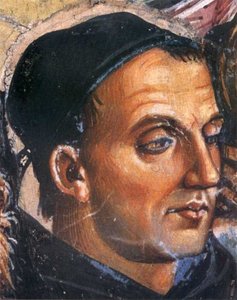
フラ・アンジェリコ
1395 - 1455 , イタリア
プロフィール概要
- フルネーム: フラ・アンジェリコ(Fra Angelico)
- 主な作品:
- サン・マルコ修道院のフレスコ画
- ペルージャ祭壇画
- 受胎告知
- 出身地: ルペサーナ、イタリア
- 国籍: イタリア
- 影響を与えたアーティスト: ['初期ルネサンスの画家']
- 影響を受けたアーティスト:
- ロレンツォ・モナコ
- マザッチョ
- 死亡年月日: 1455年
- 生年月日: 1395年頃
- 芸術運動またはスタイル: 初期ルネサンス

