 プレビュー
プレビュー
 プリントを購入
 シェアする
シェアする シェアする
シェアする
 詳細を見る
詳細を見る

 ダウンロード
 似ている作品
 X線調査
X線調査 スライドショー
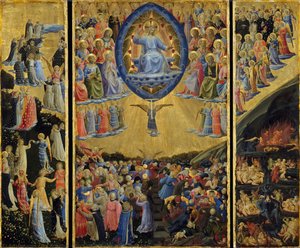
Scenes from the Life of Christ
 木パネルにテンペラ画
- Gothic Internationalism
 1451
1451- ルネサンス
 123.0 x 160.0 cm
 サン・マルコ修道院
 詳細を見る
詳細を見る




P118B $10

P118H $10

P118W $10

P438Z $10

P508JH $12

P508YH $12

P805H $10

P805Z $10

P919BZ $10

P919G $10

P919XJ $10

P959ZH $10

P968JZ $12

W106C $8

W218G $10

W218JH $8

W218Y $10

W307PJ $10

W316G $10

W316PJ $8

W316Y $10

W398PJ $8

W4111J $10

W500HY $15

W500JH $15

W692G $12

W849H $8

W940BG $15

W953PJ $8




作品のオリジナル比率に合わせた、当店の規定サイズからお選びください。

特定のフレームやスペースに合わせて、ご希望のサイズをご入力いただけます。選択されたサイズが元の画像の比率と異なる場合、アートワークをトリミングするか、手描きで要素を追加して絵画を拡張いたします。デジタルモックアップ を制作し、制作開始前にご確認(承認)をいただきます。
画面上のプレビューは、実際のトリミングや拡張を正確に反映しているものではありません。最終的な構図は、モックアップによってのみ正確にご確認いただけます。
カスタムサイズもご利用いただけますが、元の比率を維持するためには、あらかじめ用意されたリストからサイズを選択することをお勧めいたします。
ご注文後、ArtsDot.com チームより詳細な指示をお送りするとともに、仕上がりイメージ(モックアップ)をご提供いたします。


 ガラスオプションは、110cm未満のサイズでのみご利用いただけます。

Scenes from the Life of Christ
複製技法
複製画のサイズ
-


合計金額
$ 538
作品解説
A Renaissance Tapestry of Faith: Exploring Fra Angelico’s *Scenes from the Life of Christ*
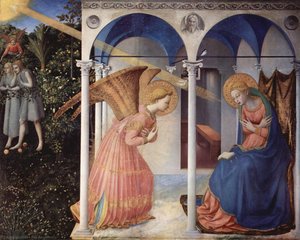
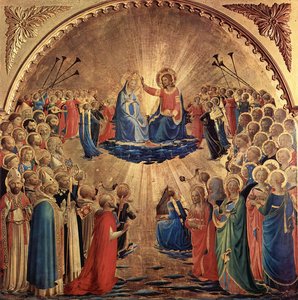
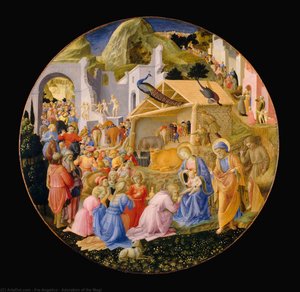
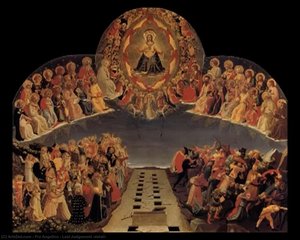
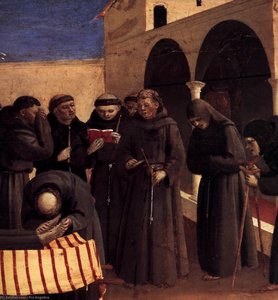
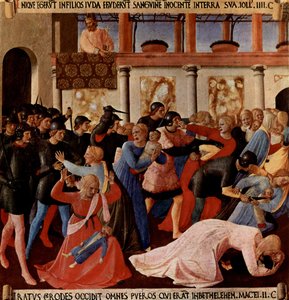
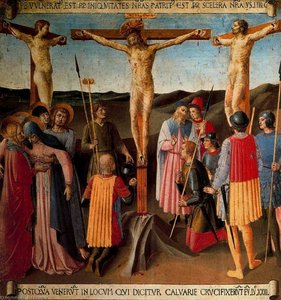
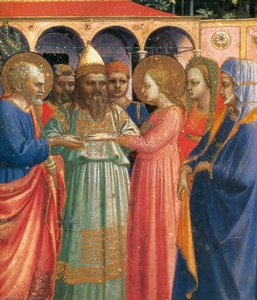
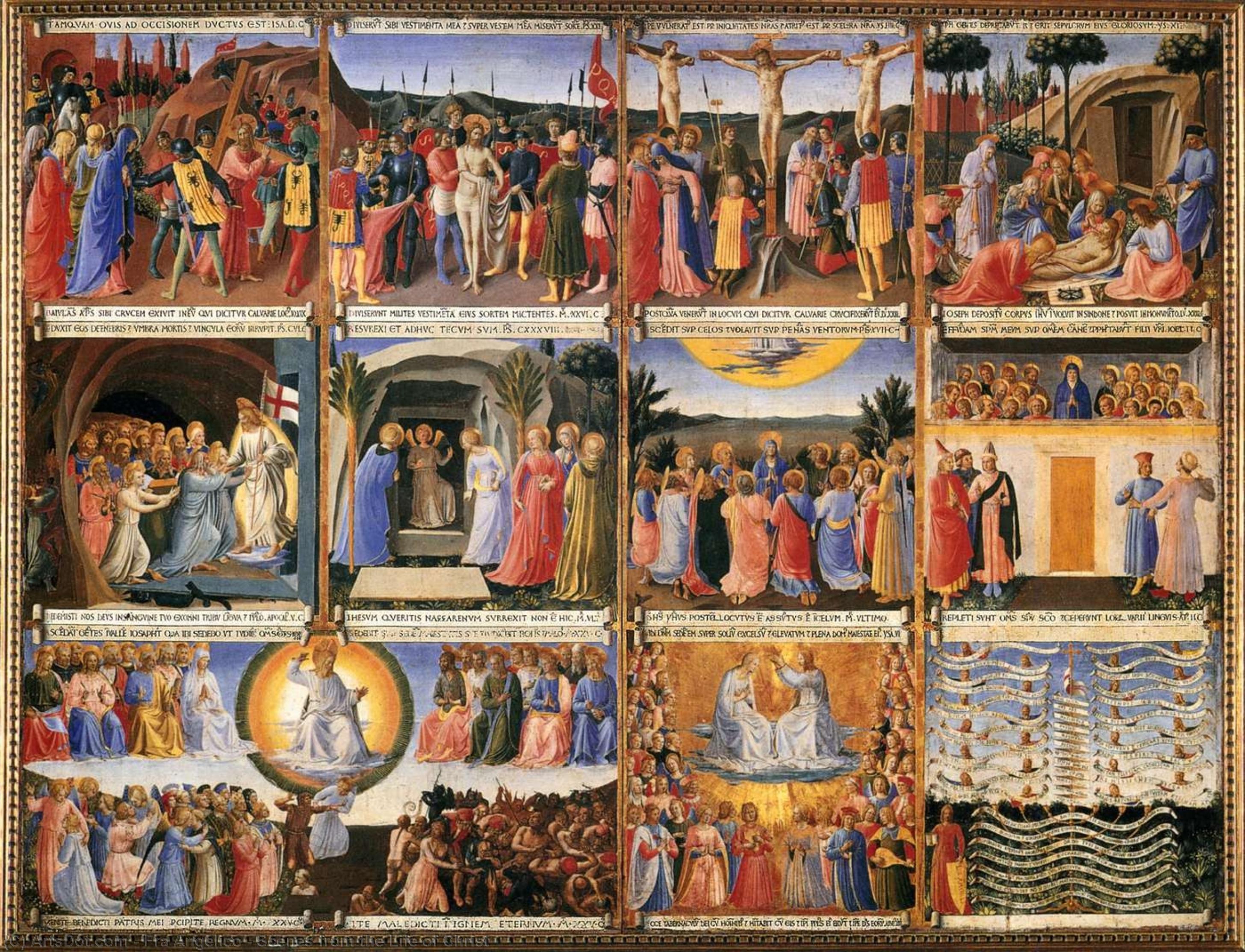
Fra Angelico's *Scenes from the Life of Christ*, completed in 1451, is not merely a painting; it’s a devotional panorama rendered with exquisite detail and profound spiritual sensitivity. Measuring 123 x 160 cm and currently housed within the serene walls of Florence’s Museo di San Marco, this tempera on panel masterpiece offers a captivating journey through the pivotal moments in Jesus' life – from his miraculous birth to his glorious ascension.Narrative Structure & Composition
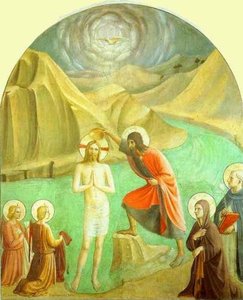
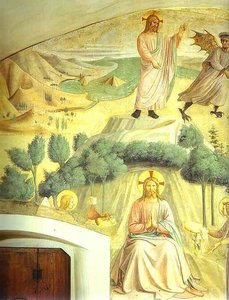
The artwork unfolds as a series of interconnected vignettes, thoughtfully arranged across multiple sections. Angelico masterfully guides the viewer’s eye through Christ’s story: we witness the tender Nativity with Mary and Joseph; the wonder of his childhood – including his presentation at the Temple and the visit of the Magi; the solemnity of his baptism by John the Baptist and the trials of temptation in the wilderness. The narrative builds to encompass Jesus' ministry, marked by miraculous healings and profound teachings, culminating in the dramatic events of the Crucifixion, Resurrection, and finally, his Ascension into Heaven surrounded by a celestial host. This sequential storytelling was common for altarpieces intended to educate and inspire contemplation.Artistic Style & Technique
Angelico’s style is quintessentially Early Renaissance, yet retains a distinctly *spiritual* quality that sets him apart. He employs tempera paint – a technique involving pigments mixed with egg yolk – which allows for meticulous detail and luminous color. The figures are delicately rendered, possessing an ethereal grace rather than strict anatomical realism. While perspective is present, it’s subtly employed; the emphasis lies not on creating illusionistic depth but on conveying symbolic meaning. The use of gold leaf highlights divine presence and adds to the artwork's overall sense of reverence. Notice how Angelico uses color symbolically: blues representing divinity, reds signifying sacrifice, and greens evoking hope and renewal.Historical Context & Religious Significance
Created during a period of intense religious fervor in Florence, *Scenes from the Life of Christ* reflects the Dominican Order’s emphasis on piety and contemplation – Fra Angelico himself was a devout friar. The work was originally created for a specific devotional context, likely an altar piece within a monastery or church. The painting served not only as a visual representation of biblical narratives but also as a tool for prayer and meditation. It’s important to remember that art in the 15th century wasn't simply decorative; it was integral to religious practice.Symbolism & Emotional Resonance
Beyond the literal depiction of events, *Scenes from the Life of Christ* is rich with symbolism. Halos denote sanctity, specific gestures convey meaning (e.g., hands raised in blessing), and architectural elements often allude to biblical locations or theological concepts. The overall emotional impact is one of profound serenity and spiritual upliftment. Angelico doesn’t dwell on the brutality of the Crucifixion; instead, he focuses on the hope offered by the Resurrection. The painting invites viewers into a space of quiet contemplation, encouraging them to reflect on their own faith and relationship with the divine.Fra Angelico: A Legacy of Divine Art
Fra Angelico (c. 1395-1455) was one of the most celebrated painters of the Early Renaissance. His work is characterized by its delicate beauty, spiritual depth, and technical mastery. Other notable works include:- *Mystic Wheel (The Vision of Ezekiel)* – a smaller but equally captivating depiction of religious vision.
- *Armadio degli Argenti* – an intricately painted cabinet showcasing his skill in decorative arts.
関連作品
アーティストの略歴
初期の人生と霊的な形成
1395年頃、フィレンツェ共和国のトスカーナ地方の丘陵地帯にあるルペサーナで生まれたフラ・アンジェリコ(本名グイド・ディ・ピエトロ)の幼少期は、神秘的なベールに包まれています。彼の家族や子供時代についてほとんど知られていませんが、彼はしっかりとした教育を受け、謙虚なルペサーナの出身を超えた人生への準備をしたと考えられています。転換点は、若きグイドがフィソレーのドミニコ会に入り、宗教的な瞑想と奉仕に生涯を捧げたことです。修道会の壁の中で、彼は「兄弟アンジェリコ」という名前を受け取りました。これはすぐに彼の修道誓約だけでなく、彼の芸術に内在する天使のような性質も反映した愛称となりました。当初は写本を装飾するという任務を与えられ、精密さと鮮やかな色彩を要求される緻密な作業を通して、彼は後に息を呑むようなフレスコ画やパネル絵へと発展していく技術を磨きました。この初期の訓練は彼に細部への深い敬意、顔料の習熟、そして視覚的物語を通してどのように叙情を伝えるかを理解させました。ドミニコ会の神学研究への重点は、彼の芸術的なビジョンを形作り、信仰と目的意識という深い感覚をもって彼の作品に浸透しました。
独自のスタイルの開花
フラ・アンジェリコの芸術的発展は孤立したものではありませんでした。彼は当時のフィレンツェの絵画の流れを取り入れました。時代の主要な画家であり写本装飾家であったロレンツォ・モナコのエレガントな線形と装飾的なパターンは、彼の初期の作品に見られます。しかし、フラ・アンジェリコは単に前任者を模倣したわけではありませんでした。彼はこれらの影響を芽生えつつある自然主義と統合し始めました。これは、マサッチオの画期的なフレスコ画への露出によって引き起こされた可能性があります。マサッチオは劇的な視点の使用と人間の形の現実的な描写で絵画に革命をもたらしましたが、フラ・アンジェリコは別の道を選びました。彼は視点をその目的のためにではなく、より没入感のある精神的な体験を作り出す手段として受け入れました。彼の人物は優雅でしばしば理想化されていますが、単なる表現を超越する静かな尊厳と感情的な共鳴を持っています。重要なことに、彼の芸術は信仰と不可分であり、絵画を職業ではなく祈りの行為であると考えていました。それは神を瞑想し、他の人にそれを可視化する方法です。この深く持っている信念は、すべての筆致に敬虔さと誠実さを浸透させました。
信仰と色彩の傑作
フラ・アンジェリコの芸術的遺産は、何世紀も経っても人々に畏敬の念を起こさせる、いくつかの記念碑的な作品によって支えられています。フィレンツェのサンマルコ修道院内のフレスコ画は、ルネサンス美術においてまれな静かな単純さと感情的な深さを体現しているため、広く彼の傑作と見なされています。キリストの生涯の各場面—受胎告知から十字架刑まで—は、静かな瞑想を誘い、視聴者を神聖な物語との個人的な出会いに招くような雰囲気で満たされています。サンマルコ以外にも、彼の*ペルージャ祭壇画*は、特に受胎告知の繊細な描写において、彼の進化するスタイルを示しています。受胎告知という繰り返されるテーマ自体が、彼の作品全体に現れ、それぞれが不気味な美しさと象徴的な豊かさで描かれています。聖ラウレンティウスが施しをするは、叙事構成のスキルと繊細さと優雅さをもって人間の感情を描写する能力を示しています。彼のパレットは、内側から輝いているように見える明るく鮮やかな色—青、金、赤—によって特徴付けられ、異世界の輝きの雰囲気を作り出しています。
遺産と永続的な影響
フラ・アンジェリコは、宗教的な献身と芸術的革新の融合を体現し、初期ルネサンスにおける重要な人物として立っています。彼は単なる画家ではありませんでした。彼は信仰を視覚的形式に翻訳した精神的なビジョナリーでした。彼の作品は、人間の尊厳と霊的な瞑想の可能性を強調する人間主義の理想を反映しています。著名な美術史家ジョルジョ・ヴァサリは、彼の*芸術家の生涯*の中でフラ・アンジェリコの才能を称賛し、彼の創造物の美しさを十分に捉えることは不可能であると宣言しました。これにより、西洋美術の規範における彼の地位が確固たるものとなりました。彼の影響力は彼自身の時代を超えて広がり、彼の献身的なスタイルと色彩の巧みな使用で何世代にもわたる芸術家にインスピレーションを与えました。1982年、教皇ヨハネ・パウロ2世はフラ・アンジェリコの生涯と業績に対する深い霊的な影響を証明する形で彼を祝福しました。
彼の芸術を体験できる場所
- サンマルコ美術館、フィレンツェ: この美術館には、修道院の息を呑むようなフレスコ画を含むフラ・アンジェリコの作品の中で最大かつ最も重要なコレクションが収蔵されています。
- ルーブル美術館(パリ): フラ・アンジェリコのいくつかの重要な絵画はルーブルの広大なコレクションの中にあります。
- ナショナル・ギャラリー(ロンドン): ナショナル・ギャラリーには彼の作品のセレクションがあり、訪問者に彼の芸術的な才能を垣間見ることができます。
- 世界中の他の多くの美術館も彼の芸術の例を表示し、彼の永続的な遺産に対するより広い感謝を可能にしています。
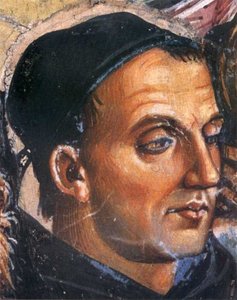
フラ・アンジェリコ
1395 - 1455 , イタリア
基本情報
- フルネーム: フラ・アンジェリコ(Fra Angelico)
- 主な作品:
- サン・マルコ修道院のフレスコ画
- ペルージャ祭壇画
- 受胎告知
- 出身地: ルペサーナ、イタリア
- 国籍: イタリア
- 影響を与えたアーティスト: ['初期ルネサンスの画家']
- 影響を受けたアーティスト:
- ロレンツォ・モナコ
- マザッチョ
- 死亡年月日: 1455年
- 生年月日: 1395年頃
- 芸術運動またはスタイル: 初期ルネサンス
関連記事
フラ・アンジェリコの傑作25選:ルネサンス美術の神髄と至高の装飾 | ArtsDot
フラ・アンジェリコの傑作25選。ルネサンス美術の神髄を紐解き、天使のような静謐な色彩と宗教画の世界へ誘います。壁画やフレスコ画の技法、修道院に息づく祈りの絵…ArtsDotで至高のアートプリントをお手軽に。コレクションを探索する。
Illuminating Surfaces: A Comprehensive Exploration of Tempera on Panel Painting Techniques & Historical Significance
Explore the rich history & techniques of tempera painting! Discover Renaissance masters like Botticelli & Fra Angelico, conservation insights, and the enduring legacy of this captivating art form. Learn more now!
Tempera's Timeless Legacy: 10 Masterpieces That Revolutionized Art | ArtsDot
Journey through 10 legendary tempera on panel masterpieces by Giotto, Duccio & Botticelli. Explore the history, symbolism & enduring beauty of these iconic artworks. Find museum-quality reproductions for your home at ArtsDot.com.
Illuminating History: A Comprehensive Exploration of Tempera Painting Techniques & Artistic Legacy
Explore the rich history & techniques of tempera painting! Discover Renaissance masters like Botticelli & Fra Angelico, conservation insights, and the enduring legacy of this captivating art form.
Oil on Panel Masters: 10 Paintings That Revolutionized Art |
Journey through 10 legendary 'Oil on Panel' masterpieces by Van Eyck, Bosch & Bruegel. Explore the stories behind these iconic Renaissance & Baroque paintings and find museum-quality art reproductions to elevate your home decor. Discover all masterpieces on !