 プレビュー
プレビュー
 プリントを購入
 シェアする
シェアする シェアする
シェアする
 詳細を見る
詳細を見る

 ダウンロード
 似ている作品
 X線調査
X線調査 スライドショー
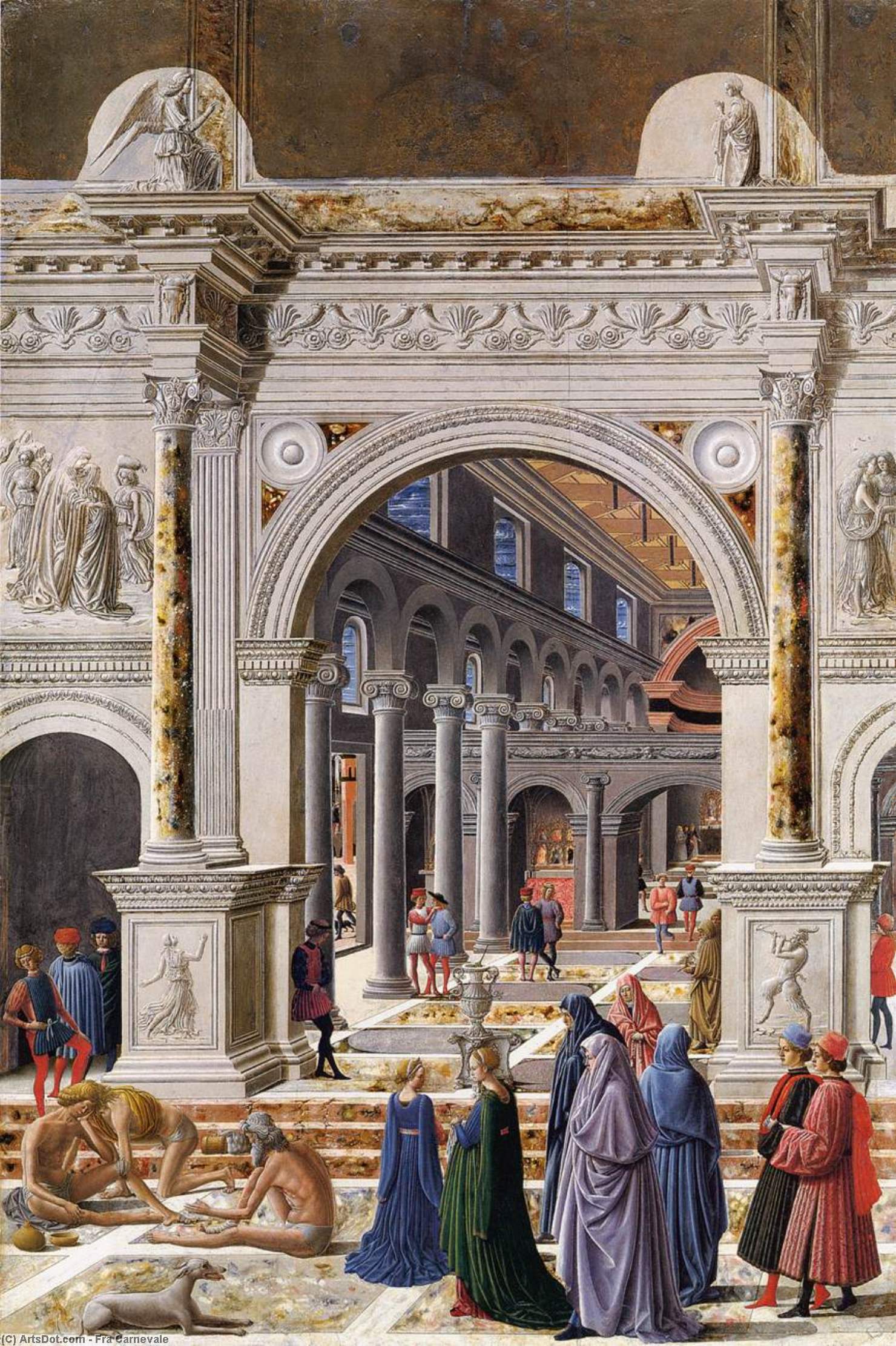
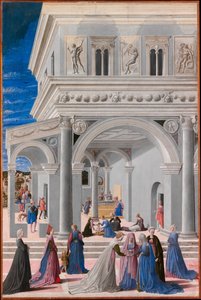
The Presentation of the Virgin in the Temple (.)
 Oil On Canvas
- WallArt
- Renaissance Early Renaissance
 1467
1467 147.0 x 97.0 cm
 ボストン美術館
 詳細を見る
詳細を見る




P118B $10

P118H $10

P118W $10

P438Z $10

P508JH $12

P508YH $12

P805H $10

P805Z $10

P919BZ $10

P919G $10

P919XJ $10

P959ZH $10

P968JZ $12

W106C $8

W218G $10

W218JH $8

W218Y $10

W307PJ $10

W316G $10

W316PJ $8

W316Y $10

W398PJ $8

W4111J $10

W500HY $15

W500JH $15

W692G $12

W849H $8

W940BG $15

W953PJ $8




作品のオリジナル比率に合わせた、当店の規定サイズからお選びください。

特定のフレームやスペースに合わせて、ご希望のサイズをご入力いただけます。選択されたサイズが元の画像の比率と異なる場合、アートワークをトリミングするか、手描きで要素を追加して絵画を拡張いたします。デジタルモックアップ を制作し、制作開始前にご確認(承認)をいただきます。
画面上のプレビューは、実際のトリミングや拡張を正確に反映しているものではありません。最終的な構図は、モックアップによってのみ正確にご確認いただけます。
カスタムサイズもご利用いただけますが、元の比率を維持するためには、あらかじめ用意されたリストからサイズを選択することをお勧めいたします。
ご注文後、ArtsDot.com チームより詳細な指示をお送りするとともに、仕上がりイメージ(モックアップ)をご提供いたします。


 ガラスオプションは、110cm未満のサイズでのみご利用いただけます。

The Presentation of the Virgin in the Temple (.)
複製技法
複製画のサイズ
-


合計金額
$ 263
The Enigmatic Presentation: Fra Carnevale’s Vision of Mary's Temple Journey
Fra Carnevale’s “The Presentation of the Virgin in the Temple,” painted around 1467, is not merely a religious depiction; it’s a profound meditation on faith, perspective, and the burgeoning humanist spirit of Renaissance Italy. This captivating work, currently residing within the Gallerie dell'Accademia in Venice, immediately draws the viewer into a meticulously constructed world—a world where architectural precision dances with intimate human emotion. The painting, executed primarily in tempera and oil on wood, showcases Carnevale’s unique approach to portraying biblical narratives, one that diverges significantly from the established conventions of his time.
Carnevale, a Dominican friar shrouded in mystery due to the scarcity of his known works, was a figure deeply rooted in Urbino's artistic landscape. He apprenticed under Jacopo Veneto, absorbing the master’s innovative use of perspective—a technique that would become central to Carnevale’s own distinctive style. Yet, unlike Veneto’s emphasis on naturalism, Carnevale infused his work with an architectural rigor, creating scenes that feel simultaneously grounded in reality and elevated into a realm of symbolic significance. The painting's composition is dominated by a precisely rendered temple interior, its columns echoing the grandeur of Roman architecture—a deliberate nod to the classical world that was experiencing a fervent revival during the Renaissance.
A Symphony of Perspective and Detail
What immediately captivates the eye is Carnevale’s masterful manipulation of perspective. The scene unfolds within a meticulously constructed space, where lines converge with astonishing accuracy, drawing the viewer's gaze towards the central figure: the three-year-old Virgin Mary. The use of mirror-image perspective—a technique rarely seen in this period—creates an illusion of depth and spaciousness, transforming a simple temple into a monumental architectural marvel. This isn’t merely a technical exercise; it’s a deliberate choice to elevate the sacred event, imbuing it with a sense of timeless grandeur.
Beyond the architectural precision, Carnevale demonstrates remarkable attention to detail. The figures surrounding Mary—her parents, attendants, and even the three humble beggars positioned at the altar—are rendered with a sensitivity that belies their secondary roles. Each face is meticulously sculpted, conveying a range of emotions – from reverence and devotion to quiet contemplation. The inclusion of these seemingly insignificant details adds layers of complexity to the scene, inviting viewers to contemplate the multifaceted nature of faith and human experience.
Symbolism and the Humanist Spirit
“The Presentation of the Virgin in the Temple” is rich with symbolic meaning. The temple itself represents God’s presence—a space of holiness and divine grace. The three beggars, a recurring motif in Carnevale's work, symbolize humility and charity – virtues central to Christian teachings. Their placement at the altar underscores the importance of service and compassion. Furthermore, the architectural elements—the columns, arches, and vaulted ceilings—allude to classical antiquity, reflecting the humanist fascination with the achievements of the ancient world.
Interestingly, Carnevale’s work also hints at a broader cultural context. The inclusion of figures engaged in everyday activities – chatting, resting, and walking about – suggests a desire to integrate religious narrative into the fabric of daily life. This reflects the growing interest in humanism during the Renaissance, which emphasized the value of earthly experience alongside spiritual contemplation. The painting is not simply a depiction of a biblical event; it’s an exploration of the relationship between faith, humanity, and the world around us.
A Timeless Masterpiece: Reproduction and Beyond
Fra Carnevale's “The Presentation of the Virgin in the Temple” remains one of the most enigmatic and compelling works of the early Renaissance. Its innovative use of perspective, meticulous detail, and profound symbolism continue to fascinate art historians and viewers alike. A high-quality reproduction captures not only the visual splendor of this masterpiece but also its emotional depth and intellectual richness. Whether adorning a grand salon or a more intimate space, this painting offers a window into the artistic and cultural currents of Renaissance Italy—a testament to the enduring power of art to inspire, provoke, and transport us across time.
関連作品

アーティストの略歴
ウルビーノ・ルネサンスの謎めいた建築家
クアトロチェント(15世紀)の影に潜む回廊において、フラ・カルネヴァレほど、見る者の心を捉えて離さない魅惑的な人物は他にいないでしょう。畏敬と謎を伴って語り継がれるその名は、修道士としての称号で歴史に刻まれたバルトロメオ・ディ・ジョヴァンニ・コラディーニのものです。イタリア・ルネサンスにおける最も捉えどころのない巨匠の一人である彼は、1420年頃にウルビーノで生まれました。その生涯は、精神的な献身と深遠な芸術的革新という二つの糸で織りなされた、繊細なタペストリーのようでした。ドミニコ会の一員として、カルネヴァレは修道院の瞑想的な静寂と、勃興しつつあった人文主義の知的な厳格さが交差する、比類なき場所に身を置いていました。今日、彼の筆によるものと断定できる作品はわずか九点に留まりますが、現存するその一つひとつが、神聖なるものと物理的世界の数学的な精密さを調和させようとした、彼の精神を覗き見る窓となっているのです。
カルネヴァレの芸術的軌跡は、当時の偉大な芸術的試練場によって形作られました。ウルビーノでの形成期、ジャコポ・ヴェネトの指導を受けたことで、彼は遠近法に対する初期の情熱を植え付けられました。この技術はやがて、彼の成熟した様式の代名なる特徴となります。しかし、彼の創造的精神に真の火を灯したのは、1445年頃のフィレンツェへの旅でした。活気あふれるフィレンツェの空気に浸りながら、彼は影響力のあるアントニオ・アルベルティに学び、そしてフィリッポ・リッピの権威ある工房へと足を踏み入れました。この徒弟修行は彼にとって変革的な経験となりました。リッピから、カルネヴァレは色彩に対する卓越した支配力と、構図への繊細なアプローチを継承したのです。微妙な色調の変化と感情的な深みを通じて、人物に生命を吹き込む術を、彼はこの時期に習得しました。
空間と聖なる物語の習熟
フラ・カルネヴァレの作品を同時代の画家たちから際立たせているのは、複雑な建築的背景と聖なる物語を統合させる、比類なき能力です。彼は単に背景を描いたのではありません。彼は「世界」を構築したのです。彼のキャンバスには、しばしば堂々たる古典主義的な構造物が描かれています。それらは、ウルビーノの公爵宮殿の壮麗さや、レオン・バッティスタ・アルベルティの理論書を反映しており、当時の人文主義的な理想を映し出しています。聖母の誕生といった作品においては、中世的な細部描写とルネサンス的な空間論理が見事な結婚を果たしているのが見て取れます。これらのパネルに実現された建築的な奥行きは、幾何学への深い理解を示唆しており、奇跡的な出来事が、手で触れられ、測定可能な現実の中にしっかりと根を下ろしているかのような舞台を作り出しています。
彼の技術的なレパートリーは、その影響を受けた源泉と同じく多岐にわたり、テンペラ画の光り輝く透明感から、油彩画の豊かな質感に至るまで広がっています。聖ペテロのような作品では、光と影を駆使して荘厳さと神聖な存在感を呼び起こし、一方で寓意的な場面においては、古典的な設定の中に裸体を描くという大胆な試みを見せ、再発見されたグレコ・ローマンの理想に対する当時の熱狂を反映しています。ドミニコ会の修道士としての敬虔な義務と、フェデリコ・モンテフェルトロのようなパトロンが求める洗練された審美的要求の間を自在に行き来するこの能力こそが、彼に、信心深くもありながら知的な刺激に満ちた芸術を生み出すことを可能にしたのです。
遺産と歴史的共鳴
現存する作品の少なさゆえに、学者の間で特定の作品の真贋論争が巻き起こることも少なくありませんが、フラ・カルネヴァレの歴史的重要性を過小評価することはできません。彼は、15世紀初頭の実験的な試みと、ブラマンテやラファエロといった巨匠たちが到達した盛期ルネサンスの完成度を結ぶ、極めて重要な架け橋としての役割を果たしました。建築的遠近法への執着と古典的モチーフの統合は、次世代のイタリア人芸術家たちにとっての基礎的な設計図となりました。カルネヴァレを研究することは、中世の精神的な強烈さが、ルネなサンスの構造化された人間中心のビジョンへと融合し始めた、まさにその瞬間を目撃することに他ならないのです。
今日、この謎めいた修道士の遺志は、現存する稀少で貴重な、彼のヴィジョンの断片を通じて生き続けています。彼は「建築的画家」の力の証として、そこに立ち続けています。聖人の顔の中に神性を見出すだけでなく、彼らが居住する空間そのものの比率の中にも神性を見出した芸術家として。彼の生涯は、歴史的な不確実性に包まれているものの、今なお畏敬の念を呼び起こし続けています。最も捉えどころのない人物であっても、美術史の魂に消えることのない足跡を残すことができるのだということを、私たちに思い出させてくれるのです。
フラ・カルネヴァレ
1420 - 1484 , イタリア
基本情報
- Artistic Movement Or Style: クアトロチェント
- Artists Or Movements Influenced By This Artist:
- フィリッポ・リッピ
- ピエロ・デラ・フランチェスカ
- Artists Who Influenced This Artist:
- アントニオ・アルベルティ
- ドミニコ・ヴェネツィアーノ
- Date Of Birth: 紀元1420年頃
- Date Of Death: 1484年
- Full Name: バルトロメオ・ディ・ジョヴァンニ・コラディーニ
- Nationality: イタリア人
- Notable Artworks:
- 受胎告知
- 男性の肖像
- Place Of Birth: ウルビーノ, イタリア
関連記事
Titian: Innovation, Technique & the Venetian Renaissance Portrait Tradition
Explore the revolutionary techniques & enduring legacy of Titian, the master of Venetian Renaissance portraiture. Discover insights for collectors & appreciate his impact on art history.

Jacob Henricus Maris: A Master of Dutch Atmospheric Realism & the Intimate Landscape
Explore the captivating world of Jacob Henricus Maris, a leading figure of the Dutch Hague School. Discover his atmospheric landscapes, signature brushstrokes & lasting influence on 19th-century art. Learn more at ArtsDot.

ジョット・ディ・ボンドーネ:至高の25選 - ルネサンスの夜明けを彩る傑作たち | ArtsDot
ジョット・ディ・ボンドーネの至高の25選。ルネサンス美術を牽引した巨匠の傑作と、その感動的な物語を紐解きます。高品質な絵画複製やインテリアアートで、名画の世界をあなたの空間に。ArtsDot.com でコレクションをご覧ください。

Mary Vaux Walcott: Botanical Precision & Artistic Vision in American Conservation
Discover the exquisite botanical watercolors of Mary Vaux Walcott, celebrated as the 'Audubon of Botany.' Explore her life, art, and lasting impact on American conservation through detailed illustrations & Smithsonian contributions.

フラ・アンジェリコの傑作25選:ルネサンス美術の神髄と至高の装飾 | ArtsDot
フラ・アンジェリコの傑作25選。ルネサンス美術の神髄を紐解き、天使のような静謐な色彩と宗教画の世界へ誘います。壁画やフレスコ画の技法、修道院に息づく祈りの絵…ArtsDotで至高のアートプリントをお手軽に。コレクションを探索する。