

 プレビュー
プレビュー
 プリントを購入
 シェアする
シェアする シェアする
シェアする
 詳細を見る
詳細を見る

 ダウンロード
 似ている作品
 X線調査
X線調査 スライドショー
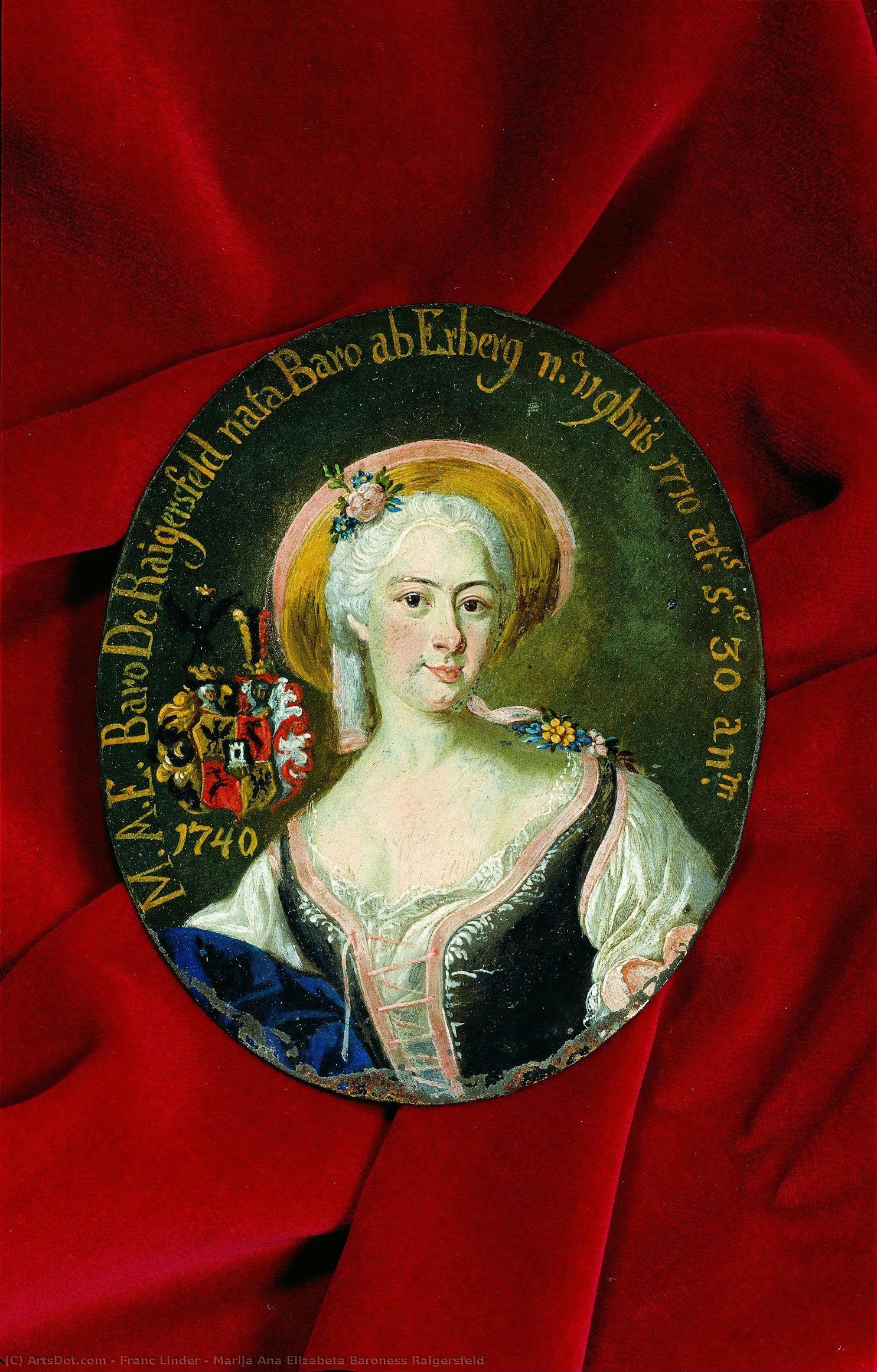
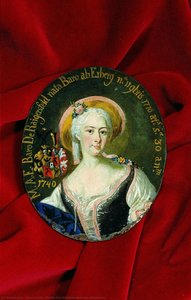
Marija Ana Elizabeta Baroness Raigersfeld
 1750
1750 12.0 x 10.0 cm
 National Museum of Slovenia
 詳細を見る
詳細を見る
オンラインプレビューをはるかに凌ぐ、高解像度で鮮明なデジタル画像をご購入いただけます。
各ファイルは、社内の専門家が高度なツールと熟練した手作業によるレタッチを用いて、細心の注意を払って準備されています。すべての画像において、卓越した鮮明度、正確な色彩再現性、そして繊細なディテールを保証いたします。
最終ファイルは、プロフェッショナルな編集・印刷環境ですぐにご利用いただけるよう最適化された状態で、72時間以内にメールにてお届けいたします。これは、一流のデザインスタジオ、出版社、ギャラリーから信頼されているものと同等の品質です。
デジタル画像のご注文に付随する特典
高品質なデジタル画像配信を、確かな品質で。
ArtsDot.com を選ぶことは、単に画像を手に入れることではありません。それは、プロの手によって精密に仕上げられ、満足保証が付いた高品質なデジタルアートワークを受け取ることを意味します。ご注文いただいた際に自動的に付随する内容は、以下の通りです:

メールですぐにお届け
ご注文から72時間以内に、高解像度のデジタル画像ファイルがメールでお手元に届きます。すぐにそのままご利用いただけます。

AI技術で最適化されたデジタルファイル
お客様の作品は、高度なAIツールと専門家による手作業の編集を組み合わせてプロフェッショナルに最適化されており、細部のディテール、鮮明さ、そして正確な色再現性を最大限に引き出しています。

一生涯無料の再送サービス
ファイルを誤って削除したり、紛失してしまったりしましたか?ご安心ください。いつでも無料で再送いたします。

輸入手数料は一切かかりません
関税や手数料、配送料を気にすることなく、お気に入りのアートワークをすぐにお楽しみいただけます。デジタルダウンロードは常に免税です。

色彩再現の保証
プロ仕様のツールとカラーマネジメント技術を用いることで、デジタル画像が元の色を最大限に忠実に再現することを保証いたします。

60日間満足保証
ご購入いただいたデジタル画像にご満足いただけない場合は、60日以内であれば、修正または100%の返金(理由を問う必要はありません)をさせていただきます。

100% 返金保証
ご満足いただけない場合は、デジタルファイルを受け取ってから60日以内であれば、理由を問わず全額返金いたします。

まとめ買い割引
3枚購入で10%OFF - 5枚購入で15%OFF - 10枚以上購入で20%OFF。クリエイティブなプロジェクト、ギャラリー、エージェンシーに最適です。
関連作品



作家の略歴
The Master of the Miniature: The Life and Legacy of Franz Linder
In the grand tapestry of eighteenth-century European art, certain names shimmer with the brilliance of gold leaf, while others provide the essential, intricate threads that hold the narrative together. Franz Linder (1738–1802) belongs to that profound class of masters whose work captures the very soul of an era. A pioneer of German portraiture, Linder emerged during the twilight of the Baroque period, a time when the dramatic shadows of the past were beginning to soften into the refined elegance of a new age. While history often reserves its loudest praises for titans like Rembrandt or Rubens, Linder carved out a specialized and deeply intimate niche, becoming one of the most vital chroniclers of the aristocratic spirit in Bavaria and beyond.
Linder’s artistic journey was rooted in the rigorous traditions of Munich. Though much of his early life remains shrouded in the mists of time, his formative years were defined by a prestigious apprenticeship under Johann Georg Baumgartner. It was within this studio that Linder mastered the complex language of Baroque aesthetics—learning to manipulate chiarosciente to create depth, and understanding how opulent ornamentation could serve to elevate the status of a sitter. This foundational training instilled in him a lifelong dedication to realism, yet he possessed a unique ability to temper cold accuracy with an unmistakable human warmth, ensuring that his subjects were never merely icons of wealth, but living, breathing individuals.
The Munich Atelier and the Art of Intimacy
By approximately 1765, Linder had established his own atelier in Munich, a sanctuary of creativity that soon became a magnet for the Bavarian nobility. His studio was not merely a place of commerce but a center of psychological exploration. Linder’s technique was characterized by subtle tonal gradations and a delicate modeling of form that allowed him to capture the fleeting nuances of expression. He possessed an uncanny sensitivity to the sitter's essence, moving beyond the rigid conventions of his contemporaries to find the quiet, often unspoken, character beneath the lace and velvet.
One of the most fascinating chapters of Linder’s career involves his connection to the illustrious Raigersfeld family. In 1757, he was invited to reside with the wealthy businessman and official Baron Franc Henrik Raigersfeld. This period of residence allowed Linder to engage in a prolific burst of creativity, producing an extraordinary collection of sixty miniature portraits for the family. These small-scale masterpieces, including poignant depictions of Marija Ana Elizabeta, Baroness Raigersfeld, demonstrate his mastery over the miniature format—a medium that requires immense precision and a command over minute details to convey grandeur within a tiny frame.
Historical Significance and Artistic Endurance
The significance of Franz Linder lies in his role as a bridge between eras. His work embodies the transition from the heavy, dramatic ornamentation of the Baroque to a more nuanced, observant style that prefigured the sensibilities of later centuries. Through his meticulous documentation of the Bavarian aristocracy, he provided a visual record of a social order on the cusp of profound change. His ability to blend the monumental with the miniature allowed him to serve both the public need for status-driven portraiture and the private desire for intimate remembrance.
Today, Linder’s legacy is preserved through the enduring charm of his portraits, which continue to captivate collectors and historians alike. His contributions can be summarized by several key artistic pillars:
- Psychological Depth: The ability to move past superficial likeness to capture the inner temperament of his subjects.
- Technical Precision: A mastery of both large-scale portraiture and the delicate, exacting demands of miniature painting.
- Cultural Documentation: Serving as a vital visual historian for the aristocratic families of Southern Germany and the Carniolan regions.
- Stylistic Synthesis: The seamless blending of Baumgartner’s Baroque influences with a burgeoning sense of classical refinement.
As we look upon the works of Franz Linder, we do not merely see faces from a bygone century; we witness the triumph of an artist who found beauty in the details and immortality in the ephemeral glance.
franc linder
1738 - 1802 , Germany
プロフィール概要
- Artistic Movement Or Style: Baroque
- Date Of Death: 1802
- Full Name: Franz Linder
- Nationality: German
- Notable Artworks:
- Portrait of a Gentleman
- Baroness Raigersfeld pain
- Place Of Birth: Germany

