

 プレビュー
プレビュー
 プリントを購入
 シェアする
シェアする シェアする
シェアする
 詳細を見る
詳細を見る

 ダウンロード
 似ている作品
 X線調査
X線調査 スライドショー
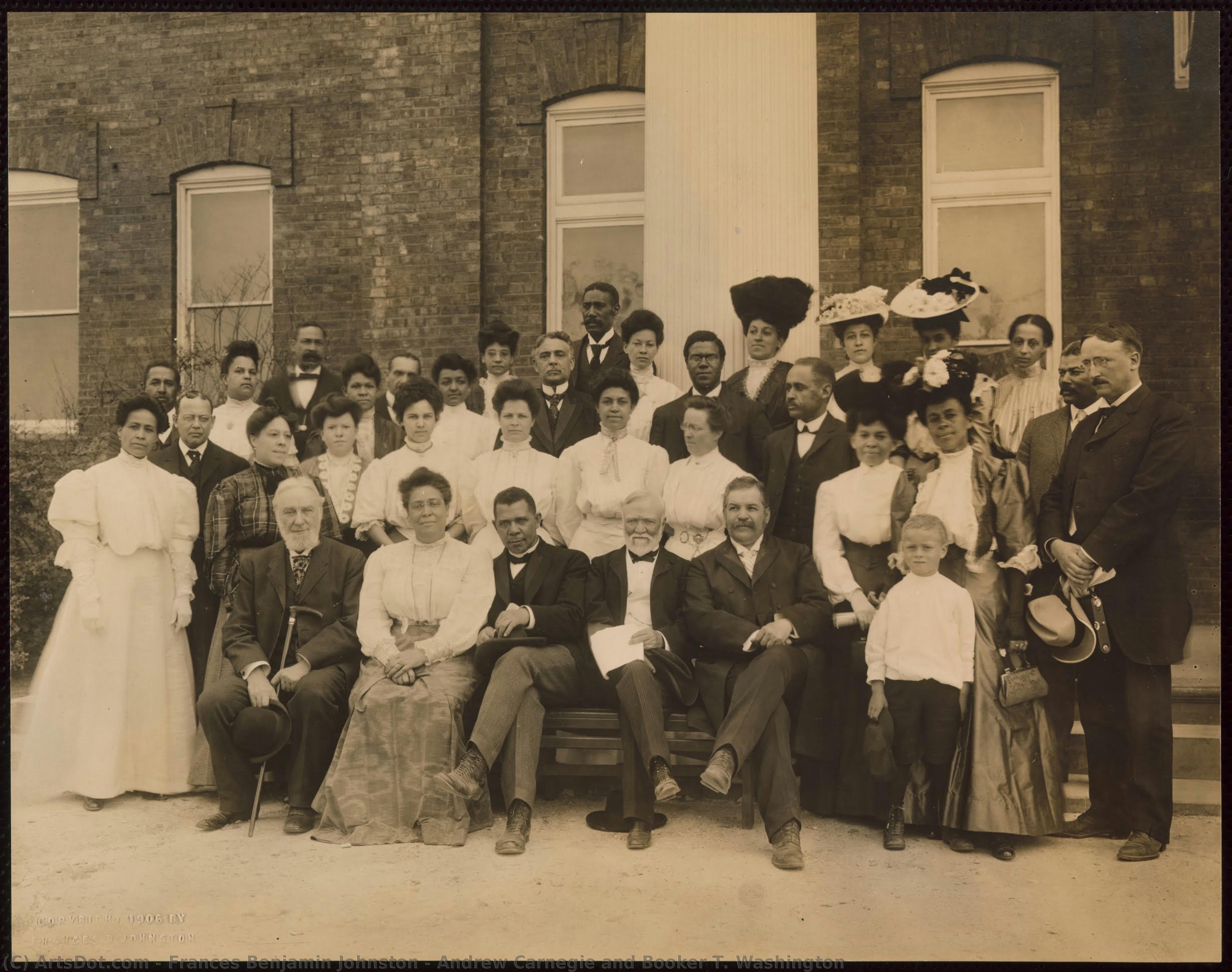
Andrew Carnegie and Booker T. Washington
 Acrylic On Canvas
- WallArt
- Early 20th Century Photography
 1906
1906 23.0 x 18.0 cm
 National Portrait Gallery
 詳細を見る
詳細を見る




P118B $10

P118H $10

P118W $10

P438Z $10

P508JH $12

P508YH $12

P805H $10

P805Z $10

P919BZ $10

P919G $10

P919XJ $10

P959ZH $10

P968JZ $12

W106C $8

W218G $10

W218JH $8

W218Y $10

W307PJ $10

W316G $10

W316PJ $8

W316Y $10

W398PJ $8

W4111J $10

W500HY $15

W500JH $15

W692G $12

W849H $8

W940BG $15

W953PJ $8




作品のオリジナル比率に合わせた、当店の規定サイズからお選びください。

特定のフレームやスペースに合わせて、ご希望のサイズをご入力いただけます。選択されたサイズが元の画像の比率と異なる場合、アートワークをトリミングするか、手描きで要素を追加して絵画を拡張いたします。デジタルモックアップ を制作し、制作開始前にご確認(承認)をいただきます。
画面上のプレビューは、実際のトリミングや拡張を正確に反映しているものではありません。最終的な構図は、モックアップによってのみ正確にご確認いただけます。
カスタムサイズもご利用いただけますが、元の比率を維持するためには、あらかじめ用意されたリストからサイズを選択することをお勧めいたします。
ご注文後、ArtsDot.com チームより詳細な指示をお送りするとともに、仕上がりイメージ(モックアップ)をご提供いたします。


 ガラスオプションは、110cm未満のサイズでのみご利用いただけます。

Andrew Carnegie and Booker T. Washington
複製技法
複製画のサイズ
-


合計金額
$ 263
作品解説
The Weight of Progress: A Study in Contrasts
Frances Benjamin Johnston’s 1906 photograph, “Andrew Carnegie and Booker T. Washington,” isn't merely a portrait; it’s a carefully constructed tableau of ambition, race relations, and the burgeoning spirit of industrial America. The image captures two titans – a self-made Scottish immigrant who reshaped American steel and a formerly enslaved educator who championed Black advancement – seated side-by-side before the imposing façade of Tuskegee Institute in Alabama. The composition immediately draws the eye to their shared posture, both men leaning slightly forward, suggesting a deliberate engagement with the viewer and a quiet assertion of presence. Yet, subtle visual cues reveal a complex interplay between them: Carnegie’s formal attire – a dark suit and tie – contrasts sharply with Washington's more modest, yet dignified, garb; his hands rest on the table while Washington’s are clasped together in a gesture of thoughtful contemplation. The photograph isn’t simply documenting these two men; it’s actively shaping our understanding of their relationship and the era they inhabited.
- Context: The year 1906 marked a pivotal moment in American history, a period grappling with the legacy of Reconstruction, Jim Crow laws, and the rise of industrial capitalism. Carnegie’s immense wealth and Washington's leadership at Tuskegee represented two distinct approaches to addressing these challenges – one rooted in individual enterprise and philanthropy, the other in community-based education and social uplift.
- Technique: Johnston’s mastery lies in her ability to capture not just likenesses but also atmosphere. The black and white medium lends a timeless quality to the image, emphasizing the textures of fabric, the shadows that define their faces, and the architectural details of the building behind them. The use of light is particularly effective, highlighting Carnegie's face while leaving Washington partially in shadow, subtly suggesting his position as a figure of less immediate prominence within the American narrative at the time.
Symbolism of Place: Tuskegee and the Promise of Opportunity
The backdrop – the brick building of Tuskegee Institute – is crucial to understanding the photograph’s significance. Founded in 1881 by Booker T. Washington, the institute served as a beacon of hope for African Americans seeking education and economic independence. It was a deliberate counterpoint to the prevailing narrative of racial inferiority, offering a space where Black students could develop skills and knowledge necessary to navigate a hostile society. The building itself, constructed largely by its own students under Carnegie’s generous support, symbolizes self-reliance and community empowerment – a testament to Washington's vision of uplifting his people through practical education. The photograph, therefore, isn’t just about two men; it’s about the institution that represented a tangible pathway to advancement for an entire community.
Note: The building’s construction itself is a remarkable feat – largely built by students under Washington's direction, showcasing the ingenuity and determination of the Black community during this period.The Complexities of Partnership
While the photograph presents Carnegie and Washington as seated together in an apparent partnership, it’s important to acknowledge the complexities underlying their relationship. Carnegie, a staunch believer in philanthropy, saw Tuskegee as a valuable investment – a means of improving society through education. However, his motives were often intertwined with a desire to maintain social order and avoid direct confrontation with white supremacists. Washington, while appreciative of Carnegie’s support, was wary of the limitations imposed by such patronage. The photograph captures this delicate balance: a moment of shared presence, yet hinting at unspoken reservations and differing philosophies. The subtle tension between them is palpable, inviting viewers to consider the nuances of their collaboration.
Emotional Resonance: A Legacy of Ambition
“Andrew Carnegie and Booker T. Washington” transcends its historical context to resonate with contemporary audiences. It’s a powerful meditation on ambition, race, and the enduring quest for opportunity. The photograph compels us to reflect on the legacies of these two figures – Carnegie as a symbol of industrial innovation and Washington as a champion of Black education and self-determination. It serves as a poignant reminder that progress is rarely linear or simple, and that even in moments of apparent unity, underlying tensions and competing visions can shape the course of history. The image’s enduring appeal lies in its ability to evoke both admiration and critical reflection – prompting us to grapple with the complexities of America's past and its ongoing struggle for equality.
関連作品
アーティストの略歴
レンズの向こう側にいた先駆者:フランシス・ベンジャミン・ジョンストンの生涯と遺産
南北戦争後の激動に揺れるアメリカ、1864年に生まれたフランシス・ベンジャミン・ジョンストンは、黎明期にあった写真という分野において、歴史を塗り替える存在として現れました。彼女の物語は、恵まれた環境にありながらも野心に突き動かされ、芸術への情熱によって社会的な期待に抗い続けた、一人の女性の軌跡です。そして何より、深い変革の中にあった国家の姿を捉え続ける、鋭い眼差しを持った記録者としての物語でもあります。多くの芸術家が名声を得るために苦闘した一方で、ジョンストンは安定した家庭環境に恵まれていました。母フランシス・アントワネット・ベンジャミンの「イオネ」という筆名で『バルチモア・サン』誌に寄稿するジャーナリストとしての活躍、そして父アンダーソン・ドニファン・ジョンストンの米国財務省での地位は、彼女に質の高い教育への道を開きました。1883年にノートルダム・オブ・メリーランド・カレッジ・インスティテュートを卒業した彼女は、パリのアカデミー・ジュリアンやワシントン・アート・スチューデンツ・リーグでの学びを通じて、国内外で芸術的な研鑽を積む機会を得たのです。しかし、彼女のフォトグラフィックな旅を真に燃え上がらせたのは、予期せぬ贈り主――ジョージ・イーストマン自身からの贈り物でした。それは初期のコダック・カメラの一つであり、彼女を、後に自らが再定義することとなる新しい世界へと誘ったのです。肖像画から社会への眼差しへ:深化するヴィジョン
ジョンストンの初期の活動は、ワシントンD.C.の社交界における友人や家族、著名人たちの姿を捉える肖像写真に重点が置かれていました。人物の個性や繊細なニュアンスを描き出すその卓越した手腕は瞬く間に認められ、スーザン・B・アンソニー、マーク・トウェイン、ブッカー・T・ワシントンといった時代の寵児たちの撮影依頼が舞い込むようになりました。この成功は、彼女に前例のない役割をもたらします。ハリソン、クリーブランド、マッキンリー、セオドア・ルーズベルト、そしてタフトといった歴代の大統領政権下で、ホワイトハウスの公式写真家という地位を確立したのです。しかし、ジョンストンの芸術的ヴィジョンは、政治的な肖像画の枠組みを遥かに超えて広がっていました。彼女はアメリカ社会のあらゆる側面に深い好奇心を抱いており、そのレンズは次第に、名もなき人々の経験を記録することへと向かい始めました。この転換こそが、熟練した肖像画家から先駆的なドキュメンタリー写真家へと彼女を変貌させた決定的な瞬間でした。彼女は炭鉱、製鉄所、紡績工場、さらには船上へと足を踏み入れ、主流の芸術やメディアが見過ごしがちであったアメリカの労働者階級の生活を、剥き出しのリアリズムとともに写し出しました。その社会的なメッセージへの献身は、1900年にホリス・バーク・フリスエルから依頼された、ハンプトン・ノーマル・アンド・アグリカルチュラル・インスティテュートの撮影において特に顕著に現れています。アフリカ系アメリカ人の学生たちの成功と日常を記録したこのシリーズは、人種的不平等が蔓延していた時代における彼らの強靭さと志を伝える、彼女の最も重要な業績の一つとして今なお輝きを放っています。芸術的影響と進化するスタイル
ジョンストンの写真様式は、決して孤立して形成されたものではありません。彼女は当時の芸術的な潮流を吸収し、自らのものにしていきました。当初は、芸術的な効果や情緒的なイメージを重視するピクトリアリスム(絵画主義)に惹かれていましたが、次第に、より直接的でドキュメンタリー的なアプローチへと移行していきました。加工を排し、自然主義的な写真を提唱したピーター・ヘンリー・エマーソンのような写真家たちの仕事は、真実味を追い求めていたジョンストンの高まる欲求と共鳴したのです。彼女の肖作は、たとえ著名な人物であっても、スタジオ写真特有の硬苦しい形式主義を避け、自然体な表情と細部への細やかな注意に特徴がありました。光と構図の革新的な活用により、美的な心地よさと感情的な響きを両立させたイメージを生み出したのです。おそらく彼女の最も象徴的な自画像の一つ――ビールジョッキを自信満々に掲げる「新しい女性(ニュー・ウーマン)」としての姿――は、彼女の独立心と社会の変化を凝縮したものです。それは従来のジェンダー・ロールに挑戦し、女性のエンパワーメントを祝福するものでした。このイメージは、20世紀初頭のアメリカ社会における女性の役割の変化を象徴するものとなったのです。永続的な影響:遺産と歴史的意義
フランシス・ベンジャミン・ジョンストンがアメリカ写真界に残した貢献は、計り知れません。彼女は写真家として商業的な成功と広範な認知を得た最初期の女性の一人であっただけでなく、ドキュメンタリー写真を一つの芸術形式へと昇華させる手助けをしました。その膨大な作品群は、19世紀後半から20世紀初頭のアメリカにおける社会、経済、政治の情勢を洞察するための、かけがえのない歴史的記録となっています。彼女の写真は現在、アメリカ議会図書館やスミソニアン協会を含む数多くの権威ある美術館に収蔵され、次世代へと受け継がれています。芸術的な達成を超えて、ジョンストンは後に続く無数の女性写真家たちの道を切り拓きました。レンズの向こう側でのキャリアが単に可能であるだけでなく、極めて大きな影響力を持てることを証明したのです。彼女は、写真は単に現実を記録するだけのものではないことを示しました。それは現実を解釈し、認識に挑戦し、最終的には私たちの周囲の世界に対する理解を形作るための手段なのです。 彼女の遺志は、視覚的な物語が持つ力と、共感、誠実さ、そして芸術的ヴィジョンを持って人間の経験を記録することの重要性を私たちに教え続け、今日の写真家たちにインスピレーションを与え続けています。さらなる探求
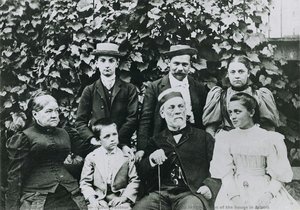
- 卒業生クラス 1900年: 20世紀初頭のアメリカ生活を捉えた魅惑的な一幕。手彩色の複製画として鑑賞いただけます。
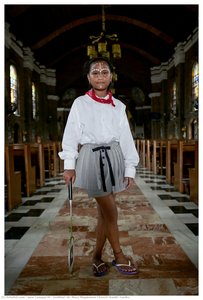
- 農業:乳の検査、乳糖計の使用: 産業の効率性と静かな勤勉さを描き出した、力強いドキュメンタリー様式の作品。
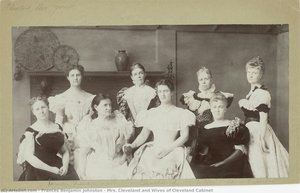
- 植物を学ぶ初等クラス、ウィッティア校: 過ぎ去った時代への郷愁を呼び起こす、田舎の生活と初期写真の情緒に満ちた一枚。
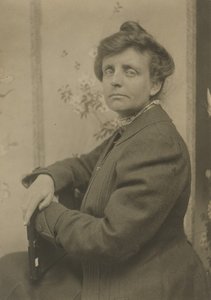
フランシス・ベンジャミン・ジョンストン
1866 - 1952 , アメリカ合衆国
基本情報
- Artistic Movement Or Style: ピクトリアリズム、ドキュメンタリー
- Artists Or Movements Influenced By This Artist: ['後の女性写真家たち']
- Artists Who Influenced This Artist: ['ピーター・ヘンリー・エマーソン']
- Date Of Birth: 1864年1月15日
- Date Of Death: 1952年5月16日
- Full Name: フランシス・ベンジャミン・ジョンストン
- Nationality: アメリカ
- Notable Artworks:
- 1900年度卒業生クラス
- 農業:牛乳の検査
- 植物を研究する初等級のクラス
- Place Of Birth: アメリカ合衆国、グラフトン
関連記事

Monochrome Visions: Exploring the Aesthetic & Historical Significance of Black & White Photography
Explore the rich history & artistic power of black and white photography. From early techniques to iconic masters like Ansel Adams, discover why monochrome continues to captivate art lovers today. Expert insights for collectors.

White on Canvas: 10 Masterpieces & Timeless Elegance for Your Home Decor
Explore 10 iconic white paintings by Monet, Whistler & Rothko! Discover the stories behind these serene masterpieces and their impact on art history. Find museum-quality reproductions for your home decor at .
Beyond the Lens: Photography's Enduring Influence on Modern & Contemporary Art
Explore photography's pivotal role in shaping modern & contemporary art. Discover key movements, influential artists like Stieglitz, and expert collecting advice from ArtsDot.
Gordon Parks: A Poetic Lens on American Life – Photography, Social Justice & Storytelling
Explore the profound work of Gordon Parks, a groundbreaking photographer who documented American life with unparalleled empathy and artistry. Discover his iconic images & lasting impact on social justice through Life magazine & beyond.
Witnessing History Through Lens & Light: Documentary Photography's Enduring Legacy
Explore the powerful history of documentary photography – from its origins to contemporary masters like Gordon Parks & W. Eugene Smith. Discover how this art form shapes our understanding of society and witness pivotal moments in time.

