

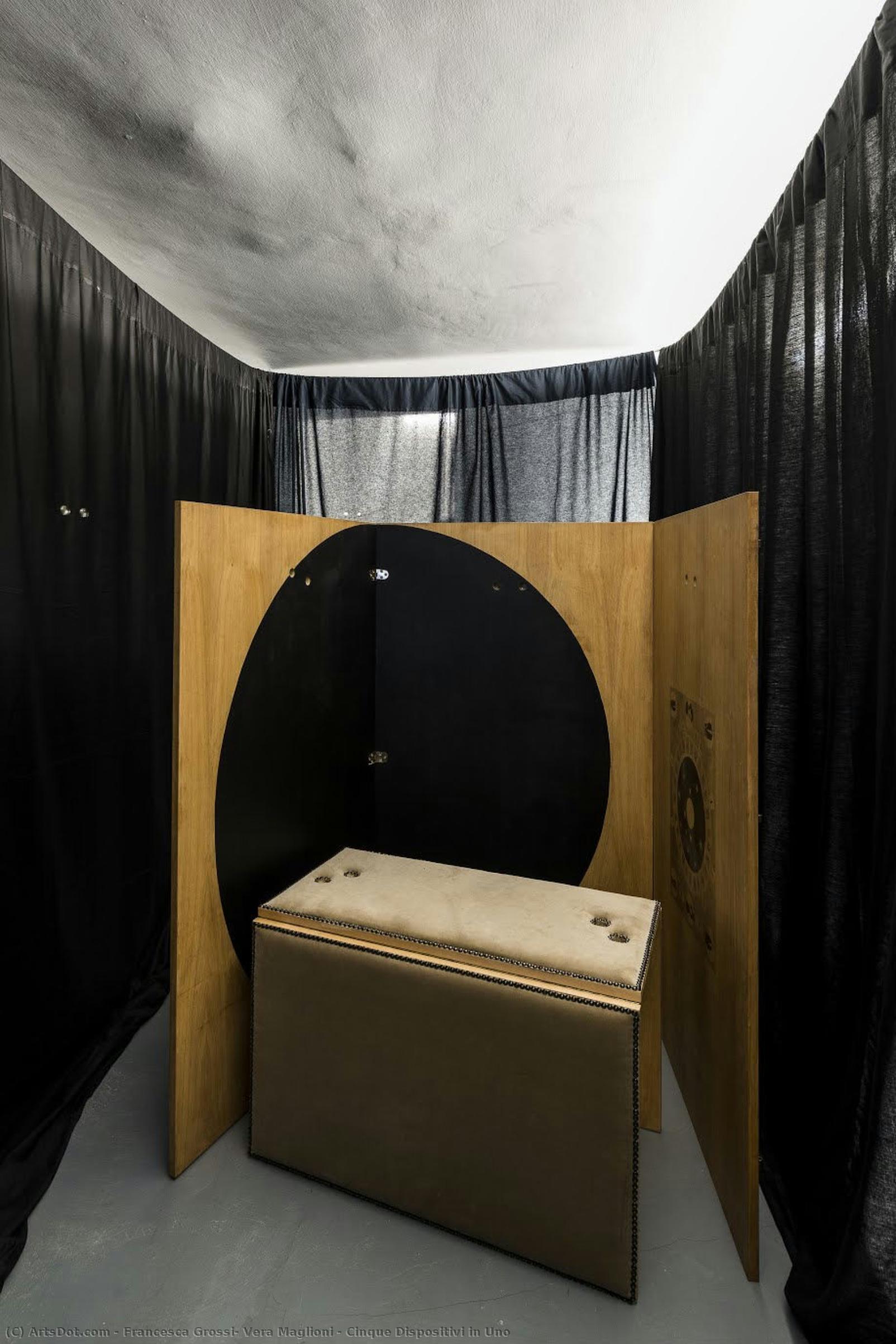
 プレビュー
プレビュー
 シェアする
シェアする シェアする
シェアする
 詳細を見る
詳細を見る

 ダウンロード
 似ている作品
 X線調査
X線調査 スライドショー
 統計情報
統計情報Cinque Dispositivi in Uno


 詳細を見る
詳細を見る
オンラインプレビューをはるかに凌ぐ、高解像度で鮮明なデジタル画像をご購入いただけます。
各ファイルは、社内の専門家が高度なツールと熟練した手作業によるレタッチを用いて、細心の注意を払って準備されています。すべての画像において、卓越した鮮明度、正確な色彩再現性、そして繊細なディテールを保証いたします。
最終ファイルは、プロフェッショナルな編集・印刷環境ですぐにご利用いただけるよう最適化された状態で、72時間以内にメールにてお届けいたします。これは、一流のデザインスタジオ、出版社、ギャラリーから信頼されているものと同等の品質です。
デジタルアート
個人での鑑賞、印刷、クリエイティブなプロジェクト用に、高解像度ファイルをダウンロードできます。 ( プリント版に切り替え 手描きの絵画を購入)
デジタル画像のご注文に付随する特典
高品質なデジタル画像配信を、確かな品質で。
ArtsDot.com を選ぶことは、単に画像を手に入れることではありません。それは、プロの手によって精密に仕上げられ、満足保証が付いた高品質なデジタルアートワークを受け取ることを意味します。ご注文いただいた際に自動的に付随する内容は、以下の通りです:

メールですぐにお届け
ご注文から72時間以内に、高解像度のデジタル画像ファイルがメールでお手元に届きます。すぐにそのままご利用いただけます。

AI技術で最適化されたデジタルファイル
お客様の作品は、高度なAIツールと専門家による手作業の編集を組み合わせてプロフェッショナルに最適化されており、細部のディテール、鮮明さ、そして正確な色再現性を最大限に引き出しています。

一生涯無料の再送サービス
ファイルを誤って削除したり、紛失してしまったりしましたか?ご安心ください。いつでも無料で再送いたします。

輸入手数料は一切かかりません
関税や手数料、配送料を気にすることなく、お気に入りのアートワークをすぐにお楽しみいただけます。デジタルダウンロードは常に免税です。

色彩再現の保証
プロ仕様のツールとカラーマネジメント技術を用いることで、デジタル画像が元の色を最大限に忠実に再現することを保証いたします。

100日間満足保証
ご購入いただいたデジタル画像にご満足いただけない場合は、100日以内であれば、理由を問わず修正または100%の返金対応をさせていただきます。

100% 返金保証
ご満足いただけない場合は、デジタルファイルを受け取ってから100日以内であれば、理由を問わず全額返金いたします。

まとめ買い割引
3枚購入で10%OFF - 5枚購入で15%OFF - 10枚以上購入で20%OFF。クリエイティブなプロジェクト、ギャラリー、エージェンシーに最適です。
関連作品
作家の略歴
A Collaborative Exploration of Body, Space, and Time: The World of Grossi Maglioni
Francesca Grossi and Vera Maglioni, a dynamic duo hailing from Rome, Italy, have been forging a unique path in the contemporary art landscape since their collaboration began in 2006. Their work isn’t easily categorized; it exists as a fluid interplay between performance, photography, installation, and workshop-based practices—a testament to their restless curiosity and commitment to exploring the fundamental relationships between the body, space, and time. Born in 1982, both artists bring individual strengths that coalesce into a singular artistic vision, one deeply rooted in research and often imbued with a subtle yet powerful political consciousness. They don’t simply *create* art; they initiate experiences, inviting audiences to question their own perceptions of physicality, environment, and the passage of time itself.Early Influences and Artistic Development
The foundation of Grossi Maglioni's practice lies in a shared fascination with anthropology and education, disciplines that inform their long-term projects and participatory approach. Their early work focused on how public and private spaces are occupied—not merely physically, but also emotionally and psychologically. This initial investigation, beginning around 2014, evolved into an exploration of the very act of occupation and its power to generate new kinds of space, revealing narratives about inhabitation and belonging. It’s a process that inherently challenges traditional notions of artistic authorship, as their work often relies on collaboration with communities and experts from diverse fields—historians, sociologists, poets, even local mothers and children. This collaborative spirit isn't simply a stylistic choice; it’s integral to their methodology, reflecting a belief in the power of shared experience and collective storytelling. The name “Grossi Maglioni” itself – literally translating to "warm sweaters" in Italian – hints at this desire for connection and comfort, suggesting an artistic practice that seeks to envelop and engage rather than distance or alienate.Performance, Installation, and the Body as Medium
Central to Grossi Maglioni’s oeuvre is the use of their own bodies as a primary medium. This isn't about self-expression in a conventional sense; it’s a deliberate act of investigation—a way to explore the limits and possibilities of physicality within specific spaces and contexts. Their performances are often minimalist, relying on subtle gestures and interactions to create moments of heightened awareness. Installations frequently incorporate manipulable objects that invite participation, fostering workshops and public events designed to break down barriers between artist and audience. A key theme emerging in their recent work is the relationship with “the other,” particularly the dynamics of two-person interaction. This exploration extends into a profound consideration of representation—how gestures are perceived, interpreted, and ultimately embodied. The 2017 exhibition "Campo Grossi Maglioni" at AlbumArte in Rome marked a turning point, introducing the concept of a “nursing tent” – a space that not only acknowledged the practical needs of artist mothers but also became a site for performative exchange and community building.Themes of Care, Motherhood, and Gender Politics
The artists’ personal experiences—Francesca Grossi becoming a mother in 2015 and subsequent pregnancies—have profoundly shaped their artistic trajectory. This led to an open exploration of care and motherhood, culminating in the powerful letter “We are the real exhibitions!” co-written with Sara Basta in response to the gender gap experienced by artist mothers in Italy. This work isn’t simply autobiographical; it's a pointed critique of societal structures that often marginalize female artists and undervalue the labor of caregiving. Their installations began incorporating "nests" and "shelters," providing physical spaces for nurturing children while simultaneously challenging conventional notions of artistic productivity. The 2018 residency at “Magic Carpets” in Serbia further deepened this exploration, involving workshops with local women to create a narrative centered around a “Mother Beast”—a figure that subverted traditional representations of motherhood and war, offering a heroic image distinct from the seductive or animalistic tropes often found in Serbian culture.Historical Significance and Contemporary Relevance
Grossi Maglioni’s work occupies a unique space within contemporary art—one that bridges performance art, installation, social practice, and feminist theory. Their commitment to long-term projects, participatory methodologies, and exploration of politically charged themes sets them apart. They are not merely commenting on societal issues; they are actively creating spaces for dialogue, challenging established norms, and fostering a sense of collective agency.- Minimalist Aesthetic: Their work often employs a restrained visual language, focusing attention on subtle gestures and interactions.
- Participatory Approach: Collaboration with communities is central to their process, blurring the lines between artist and audience.
- Focus on Body & Space: The body serves as a primary medium for exploring physicality, environment, and time.
- Feminist Perspective: Their work addresses issues of care, motherhood, and the gender gap in the art world.
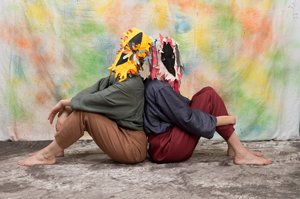
francesca grossi, vera maglioni
1982 - , Italy
プロフィール概要
- Artistic Movement Or Style: Contemporary Art
- Date Of Birth: 1982
- Full Name: Francesca Grossi & Vera Maglioni
- Nationality: Italian
- Notable Artworks:
- Cinque Dispositivi in Uno
- The Zigzag Woman, Magic box
- Place Of Birth: Rome, Italy