

 シェアする
シェアする シェアする
シェアする
 詳細を見る
詳細を見る

 ダウンロード
 似ている作品
 スライドショー
 統計情報
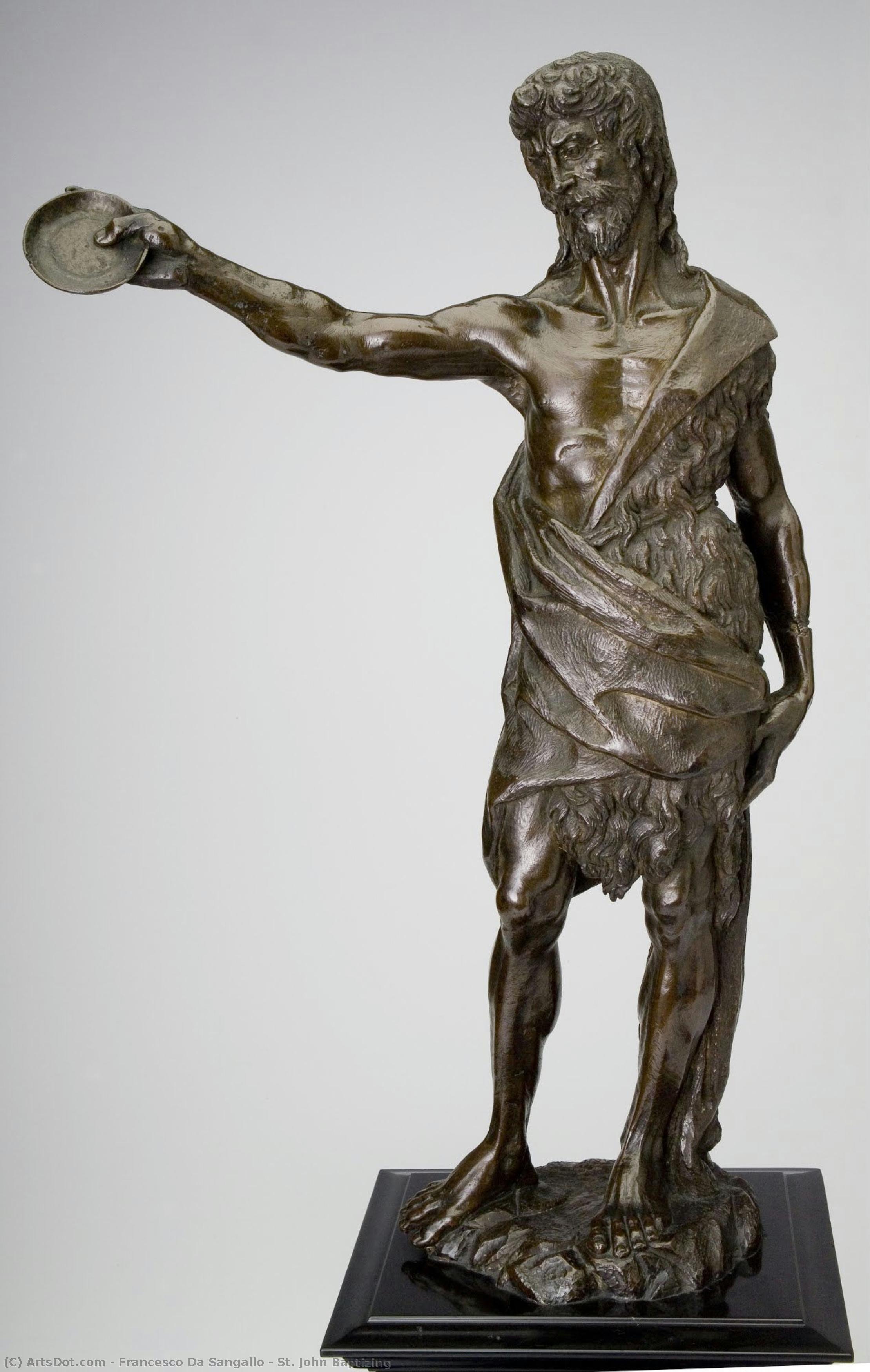
統計情報St. John Baptizing


 詳細を見る
詳細を見る
オンラインプレビューをはるかに凌ぐ、高解像度で鮮明なデジタル画像をご購入いただけます。
各ファイルは、社内の専門家が高度なツールと熟練した手作業によるレタッチを用いて、細心の注意を払って準備されています。すべての画像において、卓越した鮮明度、正確な色彩再現性、そして繊細なディテールを保証いたします。
最終ファイルは、プロフェッショナルな編集・印刷環境ですぐにご利用いただけるよう最適化された状態で、72時間以内にメールにてお届けいたします。これは、一流のデザインスタジオ、出版社、ギャラリーから信頼されているものと同等の品質です。
デジタルアート
個人での鑑賞、印刷、クリエイティブなプロジェクト用に、高解像度ファイルをダウンロードできます。 ( プリント版に切り替え 手描きの絵画を購入)
デジタル画像のご注文に付随する特典
高品質なデジタル画像配信を、確かな品質で。
ArtsDot.com を選ぶことは、単に画像を手に入れることではありません。それは、プロの手によって精密に仕上げられ、満足保証が付いた高品質なデジタルアートワークを受け取ることを意味します。ご注文いただいた際に自動的に付随する内容は、以下の通りです:

メールですぐにお届け
ご注文から72時間以内に、高解像度のデジタル画像ファイルがメールでお手元に届きます。すぐにそのままご利用いただけます。

AI技術で最適化されたデジタルファイル
お客様の作品は、高度なAIツールと専門家による手作業の編集を組み合わせてプロフェッショナルに最適化されており、細部のディテール、鮮明さ、そして正確な色再現性を最大限に引き出しています。

一生涯無料の再送サービス
ファイルを誤って削除したり、紛失してしまったりしましたか?ご安心ください。いつでも無料で再送いたします。

輸入手数料は一切かかりません
関税や手数料、配送料を気にすることなく、お気に入りのアートワークをすぐにお楽しみいただけます。デジタルダウンロードは常に免税です。

色彩再現の保証
プロ仕様のツールとカラーマネジメント技術を用いることで、デジタル画像が元の色を最大限に忠実に再現することを保証いたします。

100日間満足保証
ご購入いただいたデジタル画像にご満足いただけない場合は、100日以内であれば、理由を問わず修正または100%の返金対応をさせていただきます。

100% 返金保証
ご満足いただけない場合は、デジタルファイルを受け取ってから100日以内であれば、理由を問わず全額返金いたします。

まとめ買い割引
3枚購入で10%OFF - 5枚購入で15%OFF - 10枚以上購入で20%OFF。クリエイティブなプロジェクト、ギャラリー、エージェンシーに最適です。
A Divine Encounter in Bronze
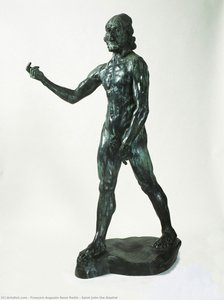
In the heart of the Italian Renaissance, where the spirit of humanism met the profound devotion of the Catholic faith, Francesco da Sangallo breathed life into metal with his masterpiece, St. John Baptizing. Created in 1534, this bronze sculpture serves as a powerful testament to the era's obsession with anatomical perfection and spiritual narrative. The figure of St. John stands captured in a moment of sacred duty, his muscular form rendered with such precision that one can almost sense the warmth of skin beneath the cool, dark patina of the bronze. As the patron saint of Florence, John is presented not merely as a religious icon, but as a civic hero, standing alongside the legendary Hercules and the biblical David to represent the strength and sanctity of the Florentine identity.
The sculpture’s composition is a masterclass in Renaissance balance and movement. St. John is depicted with one arm raised, poised in the very act of baptismal grace. In his hands, he holds a partially open shell—a profound symbol of purification and the flowing waters of life—alongside a plate that suggests the ritualistic anointing of the faithful. The artist’s ability to manipulate bronze to mimic the softness of flesh and the heavy, rhythmic folds of drapery creates a sensory experience that transcends the medium. Every line, from the tension in the saint's bicep to the delicate wrinkles on his skin, directs the viewer's eye toward the central act of spiritual cleansing, making the statue feel less like a static object and more like a living presence.
The Mastery of Form and Light
For the discerning collector or interior designer, the allure of this work lies in its incredible textural depth and the way it interacts with light. The bronze surface possesses a subtle sheen that catches ambient illumination, creating deep shadows within the musculature and bright highlights along the contours of the saint's body. This interplay of light and shadow—a technique known as chiaroscuro applied to three-dimensional form—lends the piece an extraordinary sense of weight and permanence. The dark, rectangular base provides a grounding geometric contrast to the organic, flowing curves of the figure, ensuring that the sculpture commands attention in any setting, whether it be a grand library, a private gallery, or a sophisticated study.
Beyond its physical beauty, St. John Baptizing carries an emotional resonance that is both humbling and inspiring. It evokes a sense of timelessness, reminding us of the Renaissance pursuit of harmony between the human and the divine. To possess a high-quality reproduction of this work is to invite a piece of Florentine history into one's space—a piece that speaks of resilience, purity, and the enduring power of classical artistry. It is an ideal centerpiece for those seeking to infuse their surroundings with a sense of intellectual depth and historical grandeur.
関連作品


作家の略歴
The Sculptor of Renaissance Splendor
In the vibrant, sun-drenched heart of Florence, a city where the rebirth of classical antiquity breathed new life into every stone and bronze, Francesco da Sangallo emerged as a vital architect of the human spirit. Often known by his alternative name, Francesco Giamberti, he was not merely an artist but a scion of a profound artistic lineage. Born into a family where the chisel and the compass were the primary languages of expression—his father, Giovanni da Sangallo, being a notable sculptor and architect himself—Francesco was destined to weave his own name into the very fabric of the Italian Renaissance. His early years were defined by an immersion in the humanist ideals that were then reshaping Europe, a period where the mathematical precision of geometry met the profound emotional depth of religious devotion.
The development of Francesco’s artistic soul was nurtured by the giants of his era. To study under Filippo Brunelleschi and Leon Battista Alberti was to undergo a transformation, learning to see the world through the lens of classical proportion and structural harmony. These masters instilled in him a reverence for the ancient Roman aesthetic, teaching him that true beauty resided in the perfect balance between strength and elegance. This rigorous training allowed him to move beyond simple ornamentation, enabling him to conceive structures and figures that possessed an inherent, organic vitality. His work became a dialogue between the weight of stone and the lightness of divine grace, a characteristic that would define his most celebrated contributions to the Florentine landscape.
A Legacy in Stone and Bronze
The trajectory of Francesco’s career was inextricably linked to the powerful patrons who sought to immortalize their influence through art. His unwavering service to Lorenzo de' Medici placed him at the epicenter of Renaissance innovation. It was under this prestigious patronage that he contributed to monumental projects such as the Villa Medici, a breathtaking sanctuary overlooking the Arno River. In this architectural triumph, one can observe his mastery of classical design principles, where harmonious geometric forms and refined ornamentation create a sense of timeless grandeur. His ability to translate the humanist philosophy of the Medici court into physical form made him an indispensable figure in the cultural flowering of Florence.
Beyond the walls of private villas, Francesco’s reach extended into the sacred realms of the Papacy. Serving under Pope Julius II and Leo X, he undertook commissions that demanded both technical brilliance and spiritual sensitivity. One of his most profound architectural legacies is the design of Santa Maria delle Carceri in Prato. This basilica, envisioned as a monument to penitence and divine grace, stands as a masterpiece of the era, beautifully integrating elements like Ghirlandaio’s stunning stained glass windows into a cohesive spiritual experience. His sculptural work, too, captured the era's obsession with anatomical perfection. In works such as St. John Baptizing, he breathed life into bronze, rendering the muscular tension and the soft, rhythmic folds of drapery with such precision that the cold metal seems to pulse with a living presence.
Historical Significance and Enduring Influence
The historical significance of Francesco da Sangallo lies in his role as a bridge between the early Renaissance masters and the burgeoning complexity of the High Renaissance. He was a craftsman who understood that art was both a civic duty and a spiritual vessel. His contributions to the Accademia delle Arti del Disegno and his active presence in major religious centers like St. Peter's Basilica in Rome underscore his status as a pillar of the artistic community. Through his work, the classical ideals of antiquity were not merely imitated but were revitalized and adapted for a new age of humanism.
As we reflect on his life, we see an artist whose impact was felt through generations. His family name became synonymous with architectural excellence, as his descendants continued to shape the urban fabric of Italy. Francesco’s ability to manipulate medium—whether it be the heavy permanence of stone or the fluid potential of bronze—ensured that his vision would endure long after the passing of the Medici era. He remains a testament to the power of tradition, training, and the relentless pursuit of beauty in an age of profound transformation.
francesco da sangallo
1516 , Italy
プロフィール概要
- Artistic Movement Or Style: Renaissance
- Artists Or Movements Influenced By This Artist: ['Villa Medici']
- Artists Who Influenced This Artist:
- Leon Battista Alberti
- Filippo Brunelleschi
- Date Of Birth: (Florence)
- Date Of Death: 1516
- Full Name: Francesco da Sangallo
- Nationality: Italian
- Notable Artworks:
- St. John Baptizing
- Study for the Lunette with Vertumnus and Pomona
- Place Of Birth: Florence, Italy