

 プレビュー
プレビュー
 シェアする
シェアする シェアする
シェアする
 詳細を見る
詳細を見る

 ダウンロード
 似ている作品
 X線調査
X線調査 スライドショー
 統計情報
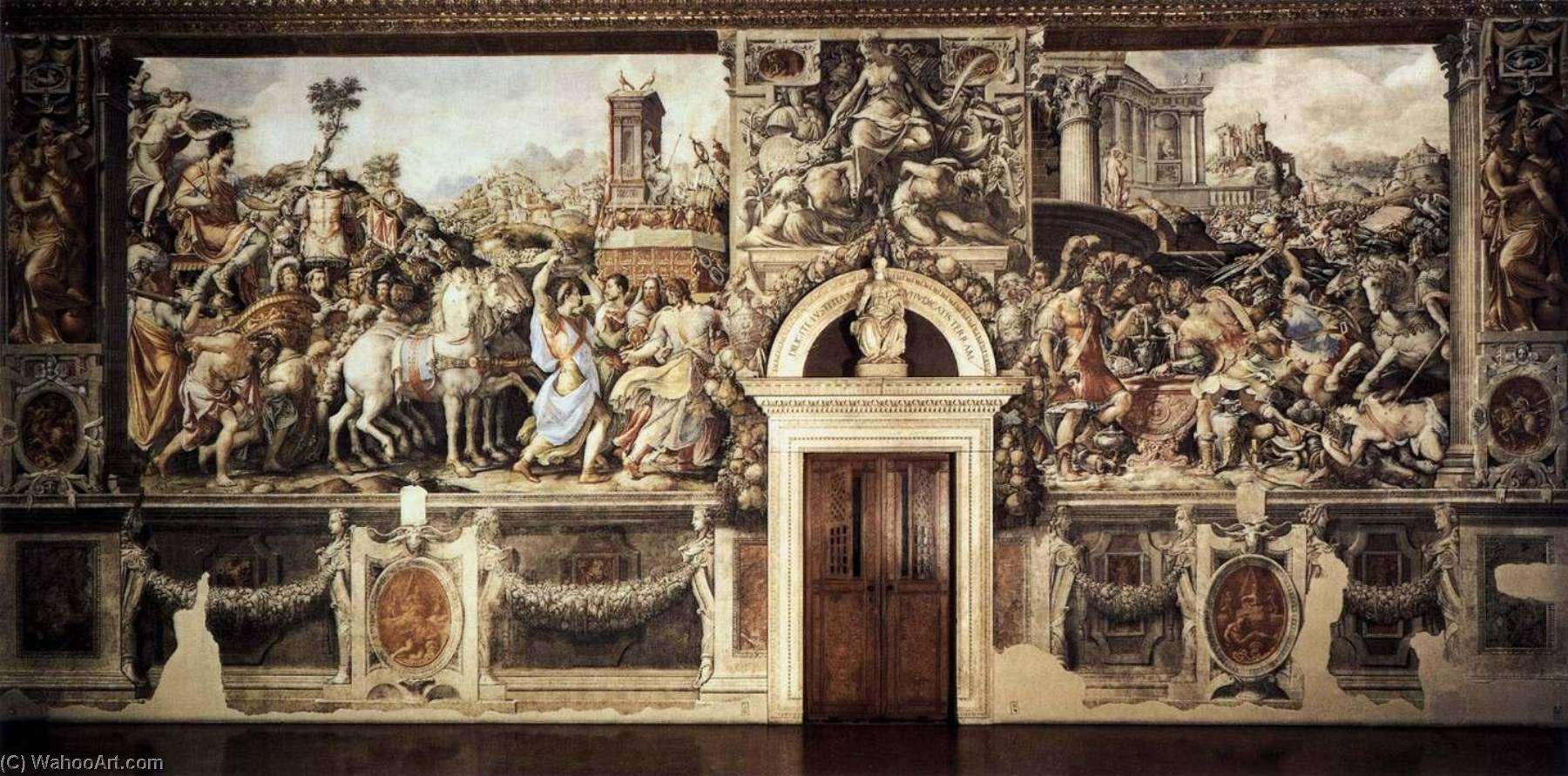
統計情報Scenes from the Life of Furius Camillus


 詳細を見る
詳細を見る
オンラインプレビューをはるかに凌ぐ、高解像度で鮮明なデジタル画像をご購入いただけます。
各ファイルは、社内の専門家が高度なツールと熟練した手作業によるレタッチを用いて、細心の注意を払って準備されています。すべての画像において、卓越した鮮明度、正確な色彩再現性、そして繊細なディテールを保証いたします。
最終ファイルは、プロフェッショナルな編集・印刷環境ですぐにご利用いただけるよう最適化された状態で、72時間以内にメールにてお届けいたします。これは、一流のデザインスタジオ、出版社、ギャラリーから信頼されているものと同等の品質です。
デジタルアート
個人での鑑賞、印刷、クリエイティブなプロジェクト用に、高解像度ファイルをダウンロードできます。 ( プリント版に切り替え 手描きの絵画を購入)
デジタル画像のご注文に付随する特典
高品質なデジタル画像配信を、確かな品質で。
ArtsDot.com を選ぶことは、単に画像を手に入れることではありません。それは、プロの手によって精密に仕上げられ、満足保証が付いた高品質なデジタルアートワークを受け取ることを意味します。ご注文いただいた際に自動的に付随する内容は、以下の通りです:

メールですぐにお届け
ご注文から72時間以内に、高解像度のデジタル画像ファイルがメールでお手元に届きます。すぐにそのままご利用いただけます。

AI技術で最適化されたデジタルファイル
お客様の作品は、高度なAIツールと専門家による手作業の編集を組み合わせてプロフェッショナルに最適化されており、細部のディテール、鮮明さ、そして正確な色再現性を最大限に引き出しています。

一生涯無料の再送サービス
ファイルを誤って削除したり、紛失してしまったりしましたか?ご安心ください。いつでも無料で再送いたします。

輸入手数料は一切かかりません
関税や手数料、配送料を気にすることなく、お気に入りのアートワークをすぐにお楽しみいただけます。デジタルダウンロードは常に免税です。

色彩再現の保証
プロ仕様のツールとカラーマネジメント技術を用いることで、デジタル画像が元の色を最大限に忠実に再現することを保証いたします。

100日間満足保証
ご購入いただいたデジタル画像にご満足いただけない場合は、100日以内であれば、理由を問わず修正または100%の返金対応をさせていただきます。

100% 返金保証
ご満足いただけない場合は、デジタルファイルを受け取ってから100日以内であれば、理由を問わず全額返金いたします。

まとめ買い割引
3枚購入で10%OFF - 5枚購入で15%OFF - 10枚以上購入で20%OFF。クリエイティブなプロジェクト、ギャラリー、エージェンシーに最適です。
関連作品









作家の略歴
The Architect of Mannerist Drama
Francesco de' Rossi, known to history by the more evocative name Francesco Salviati, was a master weaver of dreams and shadows who stood at the precipultice of the High Renaissance and the burgeoning Baroque. Born in the vibrant cradle of Florence around 1510, his life was an odyssey through the most prestigious artistic circles of 16th-century Italy. To understand Salviati is to understand the very essence of Mannerism—a movement that sought to transcend the balanced harmony of the previous era in favor of tension, artifice, and psychological depth. He did not merely paint scenes; he engineered visual experiences, meticulously crafting compositions that breathed with a sense of theatricality and restless energy.
His artistic journey began within the prestigious workshops of Florence, where his lineage as the son of a sculptor and architect provided him with an innate understanding of form and structure. His early training was a rigorous immersion into the masters of disegno. Under the watchful eye of Andrea del Sarto, Salviati mastered the classical principles of anatomical precision and graceful representation. However, his spirit was too restless for mere imitation. The monumental presence of Michelangelo and the rhythmic elegance of Raphael acted as catalysts, pushing him to explore more exaggerated, elongated, and complex arrangements. This period of apprenticeship was not merely about learning technique, but about absorbing the foundational language of the Renaissance so that he might eventually learn how to deconstruct it.
A Journey Through Rome and the Mastery of Style
The year 1531 marked a transformative epoch in Salviati's career when his relocation to Rome turned a promising Florentine apprentice into a dynamic force within the papal artistic scene. In the shadow of the Vatican, he encountered the burgeoning Mannerist style in its most potent form. His work began to reflect the characteristic hallmarks of this new aesthetic: distorted perspectives, unusual anatomical proportions, and an unsettling sense of movement. This was a period where his ability to synthesize classical grandeur with modern complexity truly flourished. His frescoes, such as those found in the Oratory of San Giovanni Battista Decollato, showcased a mastery of swirling drapery and exaggerated gestures that left viewers breathless.
As his reputation grew, so did the scale of his ambitions. Salviati became an architect of visual narrative, capable of handling massive fresco cycles that demanded both technical stamina and intellectual depth. His ability to navigate the complex political and religious landscapes of the time allowed him to secure prestigious commissions from the most powerful patrons in Italy, including the Medici family and various high-ranking Cardinals. Whether he was depicting the History of Paul III or creating allegorical triumphs like the English Allegory of Peace Burning Arms, his work always maintained a signature tension—a deliberate rejection of serene beauty in favor of a more profound, often unsettling, emotional truth.
Legacy and the Bridge to the Baroque
The significance of Francesco de' Rossi extends far beyond the borders of his era. While he is celebrated as a titan of Mannerism, his true historical importance lies in his role as a stylistic bridge. By pushing the boundaries of composition and color, he laid the groundwork for the dramatic intensity and emotional exuberance that would define the Baroque period. His use of bold lines and vibrant, often acidic palettes challenged the viewer to look beyond the surface of the canvas, inviting an engagement with the psychological complexities of the human condition.
Even today, his works remain captivating studies in movement and light. To gaze upon The Three Fates or his intricate depictions of biblical triumphs is to witness a mind that refused to be bound by the constraints of naturalism. His legacy is preserved in the great museums of the world, from the Uffizi Gallery to the Pitti Palace, serving as a testament to an artist who dared to transform the stability of the Renaissance into the magnificent, swirling drama of a new age.
francesco de' rossi
1510 - 1562
プロフィール概要
- Artistic Movement Or Style: Mannerist Painting
- Artists Or Movements Influenced By This Artist: ['Caravaggio']
- Artists Who Influenced This Artist: ['Andrea Palladio']
- Date Of Death: 1562
- Full Name: Francesco Salviati
- Nationality: Italian
- Notable Artworks:
- The Martyrdom of Saint Cecilia
- The Visitation
- The Triumph of Saint Peter
- Place Of Birth: Florence, Italy