

 プレビュー
プレビュー
 プリントを購入
 シェアする
シェアする シェアする
シェアする
 詳細を見る
詳細を見る

 ダウンロード
 似ている作品
 X線調査
X線調査 スライドショー
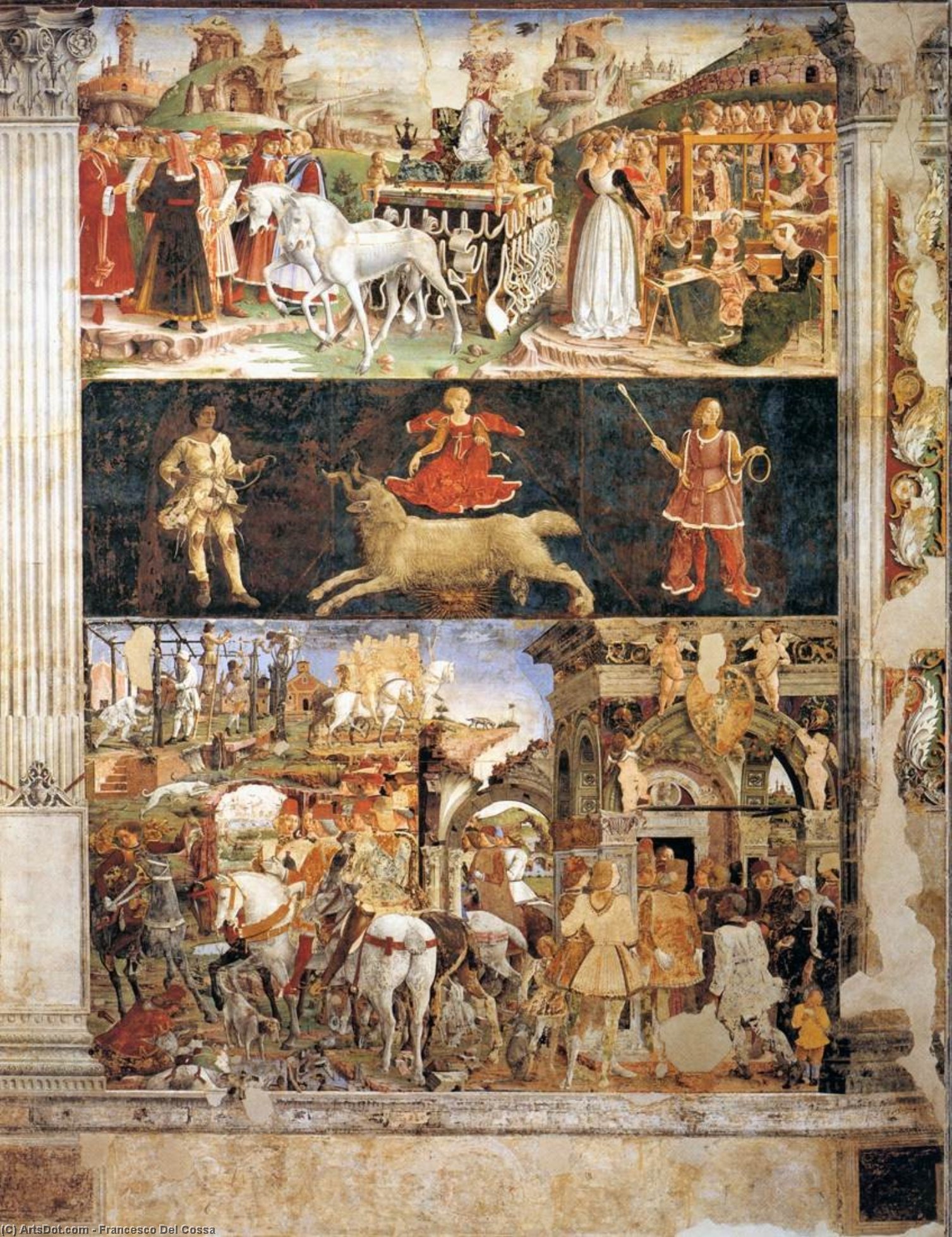
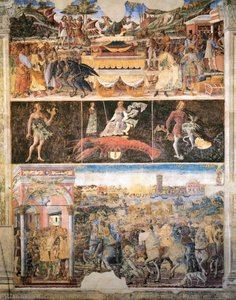
Allegory of March: Triumph of Minerva
 Oil On Canvas
- WallArt
- Early Renaissance
 1476
1476- Renaissance
 500.0 x 320.0 cm
 Palazzo Schifanoia
 詳細を見る
詳細を見る
オンラインプレビューをはるかに凌ぐ、高解像度で鮮明なデジタル画像をご購入いただけます。
各ファイルは、社内の専門家が高度なツールと熟練した手作業によるレタッチを用いて、細心の注意を払って準備されています。すべての画像において、卓越した鮮明度、正確な色彩再現性、そして繊細なディテールを保証いたします。
最終ファイルは、プロフェッショナルな編集・印刷環境ですぐにご利用いただけるよう最適化された状態で、72時間以内にメールにてお届けいたします。これは、一流のデザインスタジオ、出版社、ギャラリーから信頼されているものと同等の品質です。
デジタル画像のご注文に付随する特典
高品質なデジタル画像配信を、確かな品質で。
ArtsDot.com を選ぶことは、単に画像を手に入れることではありません。それは、プロの手によって精密に仕上げられ、満足保証が付いた高品質なデジタルアートワークを受け取ることを意味します。ご注文いただいた際に自動的に付随する内容は、以下の通りです:

メールですぐにお届け
ご注文から72時間以内に、高解像度のデジタル画像ファイルがメールでお手元に届きます。すぐにそのままご利用いただけます。

AI技術で最適化されたデジタルファイル
お客様の作品は、高度なAIツールと専門家による手作業の編集を組み合わせてプロフェッショナルに最適化されており、細部のディテール、鮮明さ、そして正確な色再現性を最大限に引き出しています。

一生涯無料の再送サービス
ファイルを誤って削除したり、紛失してしまったりしましたか?ご安心ください。いつでも無料で再送いたします。

輸入手数料は一切かかりません
関税や手数料、配送料を気にすることなく、お気に入りのアートワークをすぐにお楽しみいただけます。デジタルダウンロードは常に免税です。

色彩再現の保証
プロ仕様のツールとカラーマネジメント技術を用いることで、デジタル画像が元の色を最大限に忠実に再現することを保証いたします。

60日間満足保証
ご購入いただいたデジタル画像にご満足いただけない場合は、60日以内であれば、修正または100%の返金(理由を問う必要はありません)をさせていただきます。

100% 返金保証
ご満足いただけない場合は、デジタルファイルを受け取ってから60日以内であれば、理由を問わず全額返金いたします。

まとめ買い割引
3枚購入で10%OFF - 5枚購入で15%OFF - 10枚以上購入で20%OFF。クリエイティブなプロジェクト、ギャラリー、エージェンシーに最適です。
Allegory of March: Triumph of Minerva – A Renaissance Masterpiece
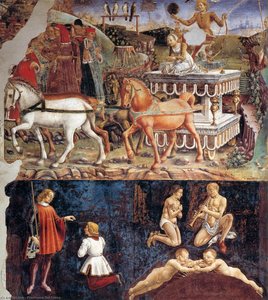
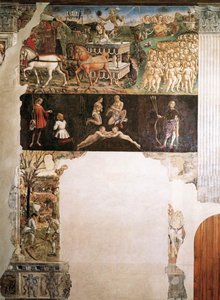
Francesco del Cossa’s “Allegory of March: Triumph of Minerva,” completed in 1476, is more than just a fresco; it's a vibrant embodiment of the Ferrarese school’s artistic spirit during the High Renaissance. Measuring an impressive 500 x 320 cm, this work transports the viewer to a moment of potent allegory – the victory of Minerva, goddess of wisdom and strategic warfare, over the chaotic forces represented by March. The scene unfolds with a dynamic energy, capturing the essence of celebration and triumph that defined much of Renaissance art.
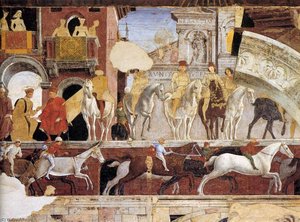
Del Cossa’s masterful technique is immediately apparent in the fresco's rich color palette and remarkably detailed execution. He employs *buon fresco* – a method involving pigments mixed directly into wet plaster – to achieve an unparalleled luminosity and depth. The figures, particularly Minerva herself, are rendered with meticulous attention to anatomical accuracy and drapery, hallmarks of the Ferrarese style which often prioritized elegance and refined detail over the more austere forms favored in Florence. Notice the subtle gradations of color used to depict the horses’ musculature and the shimmering effect on Minerva's chariot – a testament to the artist’s command of light and shadow.
Symbolism and Narrative
The painting is steeped in classical symbolism, reflecting the humanist ideals prevalent at the time. Minerva, depicted as a powerful warrior goddess driving a chariot pulled by horses, represents reason, strategy, and victory over chaos. The surrounding figures – soldiers, attendants, and even natural elements – contribute to this narrative. The horses themselves are not merely decorative; they symbolize untamed forces that Minerva is tasked with controlling. The presence of various individuals engaged in conversation or observation suggests the importance of civic participation and intellectual discourse within the context of the allegory.
Del Cossa’s choice of subject matter – the “Allegory of March” – was a common theme in Renaissance art, often commissioned for public spaces to commemorate significant events or celebrate civic virtues. The month of March, associated with renewal and warfare, provided a perfect framework for depicting Minerva's triumph.
Historical Context and Artistic Influences
Created in 1476, this fresco stands as a pivotal work within Francesco del Cossa’s oeuvre and the broader artistic landscape of Ferrara. The Ferrarese school, under the patronage of the Este family, was renowned for its distinctive style – characterized by elegance, refined detail, and a focus on narrative clarity. Del Cossa's training likely involved exposure to the works of artists like Andrea Mantegna, whose influence can be seen in the composition’s balanced perspective and dramatic use of space. The painting reflects the growing interest in classical antiquity that fueled Renaissance artistic innovation.
Emotional Impact and Artistic Value
"Allegory of March: Triumph of Minerva" continues to resonate with viewers today due to its dynamic energy, masterful execution, and profound symbolism. It’s a powerful reminder of the enduring values of wisdom, strategy, and triumph over adversity – themes that remain relevant across centuries. This hand-painted reproduction offers an exceptional opportunity to experience the beauty and intellectual depth of this Renaissance masterpiece in your own space.
関連作品
作家の略歴
Francesco del Cossa: フェラーラが誇るルネサンスの巨匠
フランチェスコ・デル・コッサ(1436年頃 – 1477年)は、フェラーラ派を代表するイタリア・ルネサンス期の極めて重要な画家です。イタリアのフェラーラに生を受けた彼の生涯や経歴は、歴史の霧の中に一部が隠されていることもあり、非常に神秘的な人物として語り継がれています。しかし、彼が遺した芸術的貢献、とりわけその壮麗なフレスコ画は、胎動期にあったルネサンス様式における彼の卓越した技術と革新的なアプローチを今に伝える、揺るぎない証となっています。
幼少期と修業の道
デル・コッサは、石工であり芸術家でもあったクリストファーノ・デル・コッサの息子として生まれました。フランチェスコがどのような初期教育を受けたのか、確かな記録は多く残されていません。しかし、1456年頃にはフェラーラの司教館にある礼拝堂の装飾画において、父の仕事を手伝っていたと考えられています。この幼少期からの芸術的実践への接触が、彼の初期の才能を形作る決定的な要因となったことは疑いようもありません。また、彼は20代後半から30代にかけてフェラーラ国外へと旅に出ていた様子が見て取れ、その過程で新たな経験を積み、未知なる芸術的刺激に触れていた可能性が高いのです。
主要な作品と芸術的様式
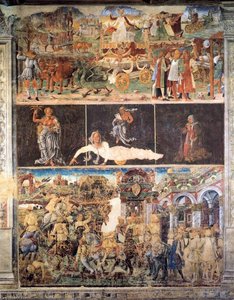
デル・コッサの名を最も高めたのは、フェラーラの城門すぐ外に位置する夏の宮殿、スキファノイア宮殿を彩るフレスコ画の連作です。彼はコジモ・トゥーラと協力し、黄道十二星座や四季の月を描いた精緻な寓意的な装飾を完成させました。彼の代表作として挙げられる「五月の寓意 — アポロンの凱旋」は、視覚的に強烈な印象を与える、無数の裸の幼児たちが独特の配置で描かれていることで知られています。また、「四月の寓意」には、ボッティチェリの有名な作品に先駆けて、三美神の初期の表現が見て取れます。これらのフレスコ画は、遠近法、細部へのこだわり、そして物語を紡ぎ出す叙事的な力において、彼の卓越した技量を示しています。
- スキファノイア宮殿のフレスコ画:古典神話とルネサンス的写実主義が融合した、黄道十二星座の寓意画。
- 五月の寓意 — アポロンの凱旋:数多くの裸の子供たちを描いた、他に類を見ない独創的な描写で名高い。
- 四月の寓意:三美神の初期の描写を含み、古典的な主題に対する彼の深い理解を示している。
スキファノイア宮殿以外にも、デル・コッサは数々の重要な作品を遺しています。
- 聖母子と二人の聖人(ボローニャ)
- アルベルト・デ・カタネイの肖像(ボローニャ)
- フレスコ画 マドンナ・デル・バラカーノ(ボローニャ):聖母子とともに、ジョヴァンニ・ベンティヴォリオとマリア・ヴィンジグエラの肖像が描かれている。
- サン・ジョヴァンニ・イン・モンテのステンドグラス(ボローニャ、署名あり)。
発展と影響
デル・コッサの様式は、フェラーラ・ルネサンス特有の多様な影響を反映しています。その根底には初期ゴシックの伝統が息づいていながらも、彼の作品は古典的な形態やヒューマニズム(人文主義)の理想への、ますます強まる傾倒を示しています。特に布地や質感の描写における細部への執着は、鋭い観察眼の賜物です。また、その緻密なディテールの表現には、初期ネーデルラント絵画の影響も見て取ることができます。ボローニャにおいてベンティヴォリオ家の庇護の下で過ごした短くも濃密な時期は、彼のスタイルをさらに洗練させ、彼が遺した最も称賛される肖像画の数々を生み出すこととなりました。
歴史的意義
フランチェスコ・デル・コッサの遺産は、フェラーラ・ルネサンス美術への貢献と、その比類なき芸術的ヴィジョンに集約されています。彼の画業は比較的短期間であったものの、その作品群には、この時代のダイナミズムと革新性が鮮やかに刻まれています。スキファノイア宮殿のフレスコ画は、15世紀の宮廷生活や芸術的パトロネージュを知る上で、かけがえのない歴史的資料です。三美神に代表される古典的主題の描写は、人文主義的な理想への初期の関わりを証明しています。近年では、アリ・スミスによる小説『How to Be Both』での言及や、Google Earthを用いた宝探し企画との関連によって、これまで見過ごされがちであったこのルネサンスの巨匠に、再び世界中の注目が集まっています。
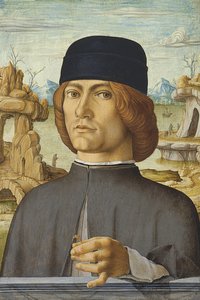
フランチェスコ・デル・コッサ
1436 - 1477 , イタリア
プロフィール概要
- Artistic Movement Or Style: イタリア・ルネサンス
- Artists Or Movements Influenced By This Artist: ['レオナルド・スカレッティ']
- Date Of Birth: 1436年
- Date Of Death: 1477年
- Full Name: フランチェスコ・デル・コッサ
- Nationality: イタリア
- Notable Artworks:
- 5月の寓意
- 4月の寓意
- 男の肖像
- 聖母子
- 聖ヴィンセンツ・フェレール
- Place Of Birth (City And Country): イタリア、フェラーラ

