 プレビュー
プレビュー
 プリントを購入
 シェアする
シェアする シェアする
シェアする
 詳細を見る
詳細を見る

 ダウンロード
 似ている作品
 X線調査
X線調査 スライドショー
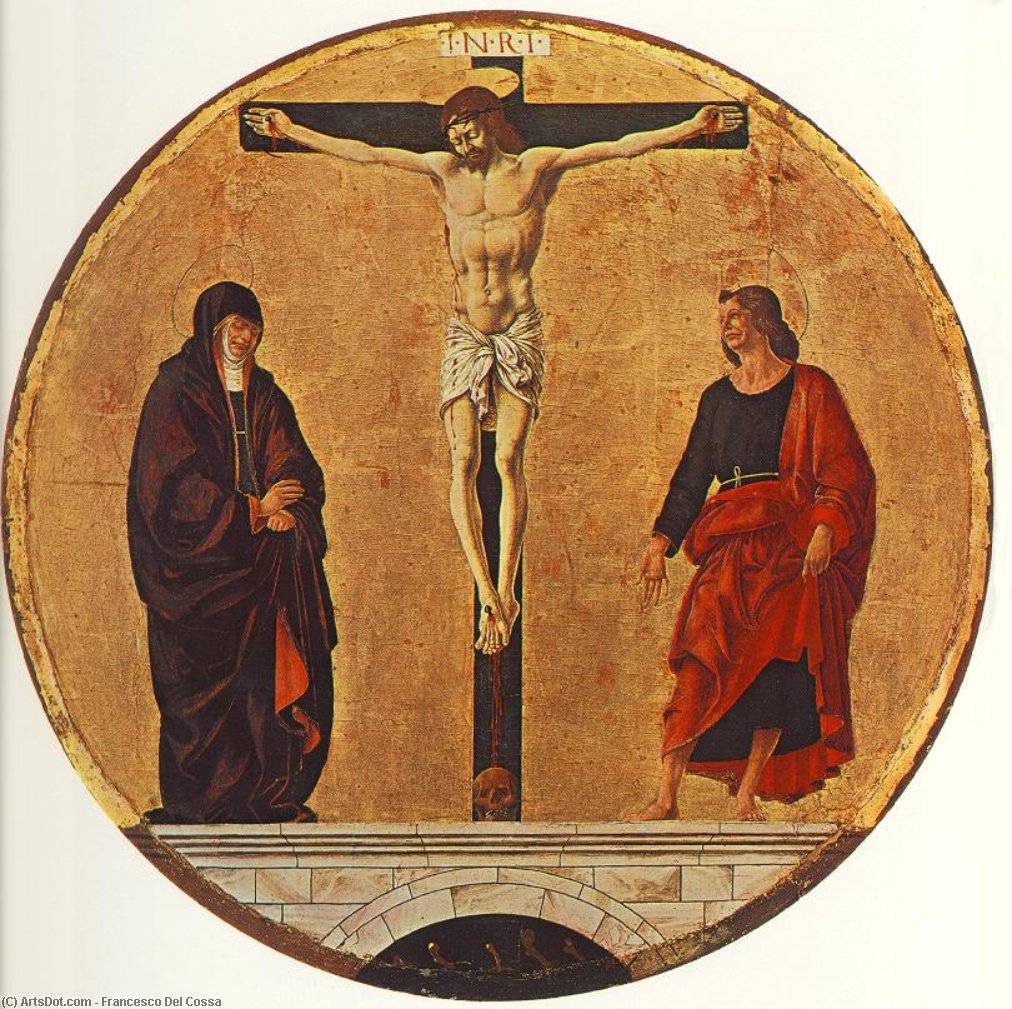
Griffoni Polyptych: The Crucifixion
 Oil On Canvas
- WallArt
- Renaissance Early Renaissance
 1473
1473 63.0 x 63.0 cm
 ナショナル・ギャラリー・オブ・アート
 詳細を見る
詳細を見る




P118B $10

P118H $10

P118W $10

P438Z $10

P508JH $12

P508YH $12

P805H $10

P805Z $10

P919BZ $10

P919G $10

P919XJ $10

P959ZH $10

P968JZ $12

W106C $8

W218G $10

W218JH $8

W218Y $10

W307PJ $10

W316G $10

W316PJ $8

W316Y $10

W398PJ $8

W4111J $10

W500HY $15

W500JH $15

W692G $12

W849H $8

W940BG $15

W953PJ $8




作品のオリジナル比率に合わせた、当店の規定サイズからお選びください。

特定のフレームやスペースに合わせて、ご希望のサイズをご入力いただけます。選択されたサイズが元の画像の比率と異なる場合、アートワークをトリミングするか、手描きで要素を追加して絵画を拡張いたします。デジタルモックアップ を制作し、制作開始前にご確認(承認)をいただきます。
画面上のプレビューは、実際のトリミングや拡張を正確に反映しているものではありません。最終的な構図は、モックアップによってのみ正確にご確認いただけます。
カスタムサイズもご利用いただけますが、元の比率を維持するためには、あらかじめ用意されたリストからサイズを選択することをお勧めいたします。
ご注文後、ArtsDot.com チームより詳細な指示をお送りするとともに、仕上がりイメージ(モックアップ)をご提供いたします。


 ガラスオプションは、110cm未満のサイズでのみご利用いただけます。

Griffoni Polyptych: The Crucifixion
複製技法
複製画のサイズ
-


合計金額
$ 263
作品解説
The Griffoni Polyptych: A Ferrarese Masterpiece of Suffering and Grace
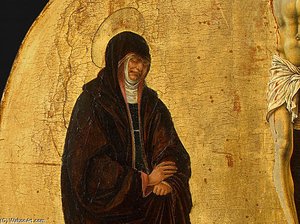
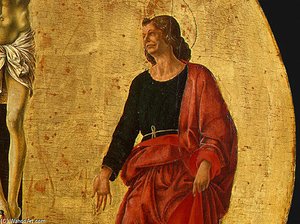
The Griffoni Polyptych, specifically its arresting depiction of “The Crucifixion,” stands as a poignant testament to the artistic prowess of Francesco del Cossa during the late 15th century. Painted in 1473 for the wealthy Florentine family of Floriano Griffoni, this altarpiece transcends mere religious iconography; it’s a deeply felt meditation on sacrifice, grief, and the enduring power of faith. Delivered to the church of San Petronio in Bologna, its subsequent journey through private collections speaks volumes about its lasting appeal – a quality rooted not just in technical skill but in an emotional resonance that continues to captivate viewers centuries later.
Cossa’s style is firmly embedded within the Ferrarese school, a movement characterized by a rich palette, meticulous detail, and a dramatic use of light and shadow. He skillfully employs tempera on panel, a technique favored for its luminosity and ability to capture subtle gradations of color – qualities particularly evident in the drapery and the flesh tones of Christ and his tormentors. The composition is carefully balanced, drawing the eye towards the central figure of Jesus, yet simultaneously incorporating elements that create a sense of unease and drama. Notice how the figures are not simply arranged; they’re placed within a meticulously rendered architectural setting – a stark contrast to the more ethereal depictions common in earlier religious art.
A Study in Contrasts: Figures and Space
The painting is immediately striking for its masterful use of contrasting elements. The foreground, dominated by the figures of the Roman soldiers and onlookers, is rendered with a palpable sense of urgency and brutality. Their faces are etched with sorrow and disbelief, reflecting the horror of the event unfolding before them. Del Cossa’s attention to detail extends even to the smallest gestures – the clenched fists, the averted gazes, the expressions of anguish – conveying a profound understanding of human emotion. Juxtaposed against this is the serene suffering of Christ himself, presented with an almost sculptural quality. His body, draped in flowing robes, appears both vulnerable and powerfully dignified.
The architectural setting further enhances this contrast. The rough-hewn stone walls and simple furnishings of the Roman scene stand in stark opposition to the more refined details of the background – a suggestion of a distant landscape hinting at the broader context of Christ’s sacrifice. This spatial arrangement isn't merely decorative; it serves to underscore the thematic tension between earthly suffering and divine grace.
Symbolism and Emotional Impact
Beyond its technical brilliance, the Griffoni Polyptych is rich in symbolic meaning. The presence of the onlookers – a diverse group representing various social classes – underscores the universality of Christ’s sacrifice. The soldiers, armed with spears and swords, represent the forces of opposition, while the women weeping symbolize compassion and grief. The positioning of these figures creates a dynamic narrative, inviting viewers to contemplate the events leading up to and following the crucifixion.
Perhaps most powerfully, the painting evokes a profound sense of empathy. Christ’s suffering is not presented as a distant theological abstraction but as a deeply human experience – one that resonates with our own capacity for pain and loss. The artist's skillful rendering of his physical agony, combined with the expressions of sorrow on the faces of those around him, creates an emotional impact that transcends time and culture. It’s a scene designed to provoke reflection, not just admiration.
A Legacy of Beauty and Emotion
The Griffoni Polyptych remains a remarkable achievement in Renaissance art, showcasing Del Cossa's mastery of tempera technique and his profound understanding of human emotion. Its journey through history—from its original commission to its current presence in collections around the world—testifies to its enduring value as both an artistic masterpiece and a powerful expression of faith. Reproductions offer a chance to experience this emotional depth, allowing viewers to connect with the scene's timeless themes of sacrifice, suffering, and redemption.
関連作品
アーティストの略歴
Francesco del Cossa: フェラーラが誇るルネサンスの巨匠
フランチェスコ・デル・コッサ(1436年頃 – 1477年)は、フェラーラ派を代表するイタリア・ルネサンス期の極めて重要な画家です。イタリアのフェラーラに生を受けた彼の生涯や経歴は、歴史の霧の中に一部が隠されていることもあり、非常に神秘的な人物として語り継がれています。しかし、彼が遺した芸術的貢献、とりわけその壮麗なフレスコ画は、胎動期にあったルネサンス様式における彼の卓越した技術と革新的なアプローチを今に伝える、揺るぎない証となっています。
幼少期と修業の道
デル・コッサは、石工であり芸術家でもあったクリストファーノ・デル・コッサの息子として生まれました。フランチェスコがどのような初期教育を受けたのか、確かな記録は多く残されていません。しかし、1456年頃にはフェラーラの司教館にある礼拝堂の装飾画において、父の仕事を手伝っていたと考えられています。この幼少期からの芸術的実践への接触が、彼の初期の才能を形作る決定的な要因となったことは疑いようもありません。また、彼は20代後半から30代にかけてフェラーラ国外へと旅に出ていた様子が見て取れ、その過程で新たな経験を積み、未知なる芸術的刺激に触れていた可能性が高いのです。
主要な作品と芸術的様式
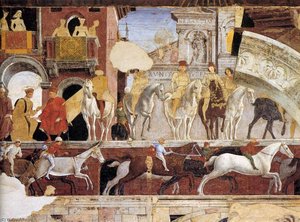
デル・コッサの名を最も高めたのは、フェラーラの城門すぐ外に位置する夏の宮殿、スキファノイア宮殿を彩るフレスコ画の連作です。彼はコジモ・トゥーラと協力し、黄道十二星座や四季の月を描いた精緻な寓意的な装飾を完成させました。彼の代表作として挙げられる「五月の寓意 — アポロンの凱旋」は、視覚的に強烈な印象を与える、無数の裸の幼児たちが独特の配置で描かれていることで知られています。また、「四月の寓意」には、ボッティチェリの有名な作品に先駆けて、三美神の初期の表現が見て取れます。これらのフレスコ画は、遠近法、細部へのこだわり、そして物語を紡ぎ出す叙事的な力において、彼の卓越した技量を示しています。
- スキファノイア宮殿のフレスコ画:古典神話とルネサンス的写実主義が融合した、黄道十二星座の寓意画。
- 五月の寓意 — アポロンの凱旋:数多くの裸の子供たちを描いた、他に類を見ない独創的な描写で名高い。
- 四月の寓意:三美神の初期の描写を含み、古典的な主題に対する彼の深い理解を示している。
スキファノイア宮殿以外にも、デル・コッサは数々の重要な作品を遺しています。
- 聖母子と二人の聖人(ボローニャ)
- アルベルト・デ・カタネイの肖像(ボローニャ)
- フレスコ画 マドンナ・デル・バラカーノ(ボローニャ):聖母子とともに、ジョヴァンニ・ベンティヴォリオとマリア・ヴィンジグエラの肖像が描かれている。
- サン・ジョヴァンニ・イン・モンテのステンドグラス(ボローニャ、署名あり)。
発展と影響
デル・コッサの様式は、フェラーラ・ルネサンス特有の多様な影響を反映しています。その根底には初期ゴシックの伝統が息づいていながらも、彼の作品は古典的な形態やヒューマニズム(人文主義)の理想への、ますます強まる傾倒を示しています。特に布地や質感の描写における細部への執着は、鋭い観察眼の賜物です。また、その緻密なディテールの表現には、初期ネーデルラント絵画の影響も見て取ることができます。ボローニャにおいてベンティヴォリオ家の庇護の下で過ごした短くも濃密な時期は、彼のスタイルをさらに洗練させ、彼が遺した最も称賛される肖像画の数々を生み出すこととなりました。
歴史的意義
フランチェスコ・デル・コッサの遺産は、フェラーラ・ルネサンス美術への貢献と、その比類なき芸術的ヴィジョンに集約されています。彼の画業は比較的短期間であったものの、その作品群には、この時代のダイナミズムと革新性が鮮やかに刻まれています。スキファノイア宮殿のフレスコ画は、15世紀の宮廷生活や芸術的パトロネージュを知る上で、かけがえのない歴史的資料です。三美神に代表される古典的主題の描写は、人文主義的な理想への初期の関わりを証明しています。近年では、アリ・スミスによる小説『How to Be Both』での言及や、Google Earthを用いた宝探し企画との関連によって、これまで見過ごされがちであったこのルネサンスの巨匠に、再び世界中の注目が集まっています。
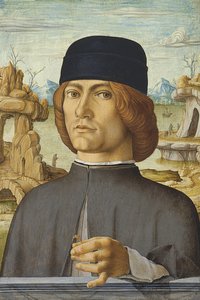
フランチェスコ・デル・コッサ
1436 - 1477 , イタリア
基本情報
- Artistic Movement Or Style: イタリア・ルネサンス
- Artists Or Movements Influenced By This Artist: ['レオナルド・スカレッティ']
- Date Of Birth: 1436年
- Date Of Death: 1477年
- Full Name: フランチェスコ・デル・コッサ
- Nationality: イタリア
- Notable Artworks:
- 5月の寓意
- 4月の寓意
- 男の肖像
- 聖母子
- 聖ヴィンセンツ・フェレール
- Place Of Birth (City And Country): イタリア、フェラーラ
関連記事
Andrea del Sarto: Florentine Grace, Technical Mastery & Artistic Ambition
Explore the life & art of Andrea del Sarto, a Florentine Renaissance master renowned for harmonious compositions & technical brilliance. Discover his frescoes, portraits, and lasting influence on art history.
Cecco del Caravaggio: Rediscovering the Shadowy Genius of Francesco Buoneri
Explore the captivating world of Cecco del Caravaggio (Francesco Buoneri), a pivotal Baroque artist. Discover his dramatic realism, mysterious life, and lasting legacy with ArtsDot's expert analysis.
Sacred Narratives on Canvas: Exploring Religious Painting Through History
Explore the rich history of religious painting with ArtsDot.com! Discover iconic artworks, symbolism & techniques from antiquity to the Renaissance. Enhance your art appreciation today.
Sacred Narratives Embodied: A Comprehensive Exploration of Religious Iconography in Art History
Explore the rich history of religious iconography in art! Discover symbolism, movements & masterpieces from Byzantine to Renaissance periods. Expert insights for collectors and enthusiasts at ArtsDot.
Sacred Narratives on Canvas: Exploring Religious Scenes & Their Enduring Influence
Explore the rich history of religious art from Giotto to the Renaissance masters with ArtsDot. Discover symbolism, techniques & enduring legacies. Museum-quality reproductions available.