 プレビュー
プレビュー
 シェアする
シェアする シェアする
シェアする
 詳細を見る
詳細を見る

 ダウンロード
 似ている作品
 X線調査
X線調査 スライドショー
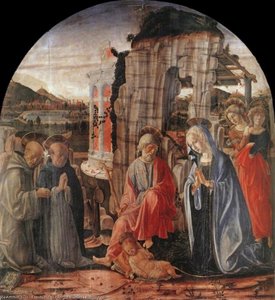
Madonna with Child and Two Saints


 詳細を見る
詳細を見る
ジークレー/アートプリント
迅速な制作と多彩な仕上げオプションを備えた、ミュージアムクオリティのジークレーまたはキャンバスプリント。 ( 手描きの絵画を購入 画像を購入)




P118B $10

P118H $10

P118W $10

P438Z $10

P508JH $12

P508YH $12

P805H $10

P805Z $10

P919BZ $10

P919G $10

P919XJ $10

P959ZH $10

P968JZ $12

W106C $8

W218G $10

W218JH $8

W218Y $10

W307PJ $10

W316G $10

W316PJ $8

W316Y $10

W398PJ $8

W4111J $10

W500HY $15

W500JH $15

W692G $12

W849H $8

W940BG $15

W953PJ $8




作品のオリジナル比率に合わせた、当店の規定サイズからお選びください。

特定のフレームやスペースに合わせて、ご自身でサイズを指定することも可能です。選択されたサイズが元の画像の比率と一致しない場合、作品をトリミングするか、鏡面反射または単色での塗りつぶしによって画像を拡張いたします。制作を開始する前に、ご確認用のデジタルモックアップをお送りいたします。
画面上のプレビューには、実際のトリミングや拡張は反映されませんのでご注意ください。最終的な構図を正確に確認できるのは、モックアップのみとなります。
カスタムサイズも承っておりますが、元の比率を維持するためには、あらかじめ用意されたリストからサイズを選択することをお勧めいたします。


 ガラスオプションは、110cm未満のサイズでのみご利用いただけます。

Madonna with Child and Two Saints
ジークレー/アートプリント
複製画のサイズ
-


合計金額
$ 62
作品詳細説明
A Symphony of Faith and Form: Francesco di Giorgio Martini’s Madonna with Child
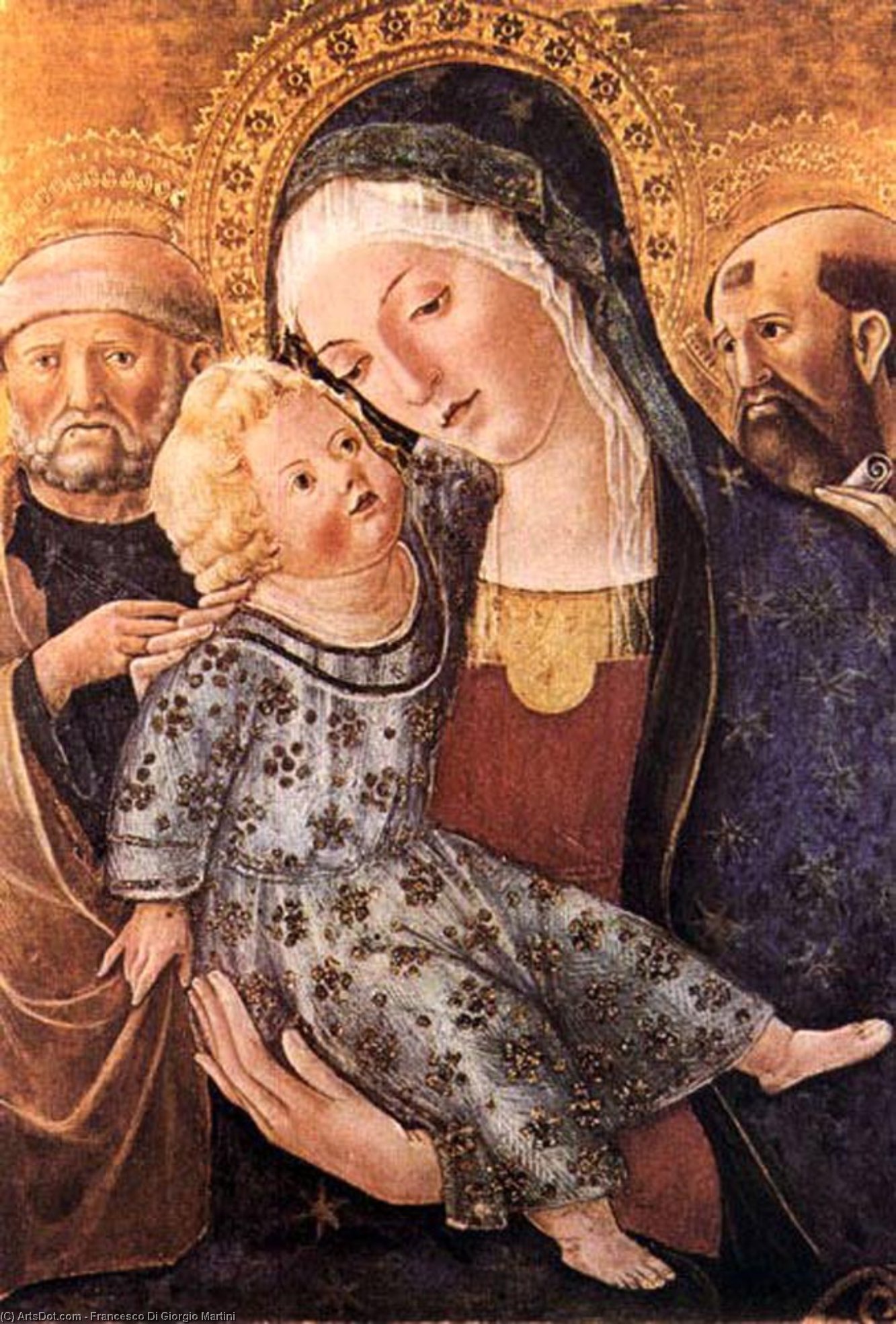
Francesco di Giorgio Martini's *Madonna with Child and Two Saints*, painted around 1469, stands as a testament to the burgeoning humanist spirit of the Florentine Renaissance while simultaneously grounding itself in deeply rooted Christian iconography. More than just a depiction of Mary cradling Jesus—a motif ubiquitous throughout European art—this painting embodies a complex interplay of artistic innovation and spiritual contemplation that continues to resonate with audiences today. Martini’s Siena workshop produced works that defied convention, prioritizing expressive dynamism over the static grandeur favored by earlier generations. This Madonna exemplifies precisely this approach.Style and Technique: Breaking Boundaries
Unlike many artists of his time who adhered rigidly to established stylistic formulas, Martini championed a distinctive visual language characterized by bold compositional arrangements and vibrant color palettes. The frieze-like structure—inherited from Vecchietta’s celebrated wedding processions—creates an illusion of depth and movement, pulling the viewer into the scene with an immediacy rarely achieved in Renaissance painting. Martini skillfully employed tempera paint on wood panel, a technique known for its luminosity and durability. However, he pushed beyond mere replication; meticulous attention to detail—particularly evident in the drapery folds and facial expressions—reveals a profound understanding of human anatomy and psychological realism. The artist’s masterful brushwork contributes to an overall impression of palpable energy, conveying not just piety but also a sense of joyous celebration.Historical Context: Renaissance Humanism Takes Root
The painting emerged during a period marked by significant intellectual upheaval – the humanist movement—which championed reason and observation alongside faith. Artists like Martini sought inspiration from classical ideals, incorporating elements of Greek sculpture into their depictions of religious figures. The Madonna’s serene gaze and gentle posture reflect the humanist emphasis on human dignity and compassion. Simultaneously, the painting adheres to traditional Christian symbolism: Mary represents purity and grace, Jesus embodies divine sonship and redemption, while the saints serve as intercessors between heaven and earth—a common visual shorthand for conveying spiritual truths. The inclusion of angelic figures reinforces this theological framework, elevating the scene beyond earthly concerns into a realm of transcendent beauty.Symbolism: Layers of Meaning
Beyond its formal qualities, *Madonna with Child and Two Saints* is laden with symbolic significance. The golden halo surrounding Mary and Jesus signifies divine holiness, mirroring halos adorning saints throughout Christendom. The radiant light emanating from the Madonna’s figure symbolizes God's grace illuminating humanity. The flowers delicately woven into the drapery—a motif prevalent in Renaissance art—represent fertility and resurrection – emblems of hope amidst earthly suffering. Even the positioning of the saints—one on the left bearing a palm frond symbolizing victory over death, the other holding a lance representing Christ’s crucifixion—contributes to a narrative tapestry that speaks to fundamental Christian beliefs.Emotional Impact: A Moment Frozen in Time
Ultimately, Martini's Madonna transcends mere representation; it evokes profound emotion. The painting captures a palpable sense of tenderness and devotion – reflecting the spiritual fervor of its era. Its harmonious balance between color, form, and composition creates an atmosphere of serenity and contemplation that invites viewers to pause and reflect on themes of faith, compassion, and divine grace. It remains a powerful reminder of the enduring beauty and significance of Christian iconography—a masterpiece crafted with both artistic brilliance and heartfelt sincerity.関連作品

アーティストの略歴
ルネサンスの万能天才:フランチェスコ・ディ・ジョルジョ・マルティーニの生涯とビジョン
イタリア・クワトロチェント(15世紀)という鮮やかな織物の中で、フランチェスコ・ディ・ジョルジョ・マルティーニほど、大きく、そして多面的な存在感を放つ人物は稀です。真のhomo universalis(万能人)であった彼の知性は、美術の空想的な美しさと、工学の厳格な精密さという境界を軽やかに越えていました。1439年にシエナで生まれたマルティーニは、中世の影が人文主義の光によって追い払われようとしていた、深い文化的変革の時代にその姿を現しました。彼の生涯は単なる芸術家としての歩みにとどまりませんでした。それは、聖母の繊細な筆致から理想都市の堅固な城壁に至るまで、宇宙の根底にある幾何学的な理を解き明かそうとする、生涯をかけた探求の旅だったのです。
マルティーニの芸術的旅路は、シエナ派の巨匠であり、リズム感のある帯状の構図を得意としたヴェッキエッタの厳格な指導の下で始まりました。初期の修練を通じて、彼は宗教的な図像学やシエナの優美な伝統に対して深い敬意を抱くようになりましたが、同時にフランチェスコの内面には、革新への抑えがたい渇望が宿っていました。彼は地元の伝統に安住することなく、線遠近法や古典古代への関心が高まっていたフィレンツェの新たな潮流へと目を向けたのです。この知的な好奇心こそが、先人たちの装飾的な様式を超越させ、彼の作品に新たな心理的深みと、後にレオナルド・ダ・ヴィンチの天才にも通じるような、洗練された空間把握能力をもたらしたのです。
精神と構造の融合
マルティーニが遺した創造的成果の広がりは、驚嘆に値します。画家として、彼は神聖なものと形あるものを結びつける稀有な才能を持っていました。『聖人と天使を伴う聖母子』のような傑作には、深い慈しみと、厳格な構造的明晰さが共存しています。また、シエナ大聖堂のために制作された記念碑的な『聖母戴冠』をはじめとする宗教画においては、古典的な壮大さと、聖なる芸術に求められる感情的な力を見事に融合させています。彼は単に聖なる人物を描いたのではありません。彼らは、建築学的に理に適い、物理的な実在感を感じさせる世界の中に、確かな足取りで配置されていたのです。
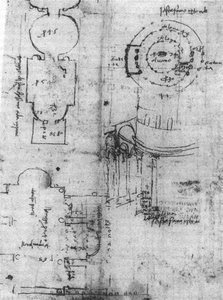
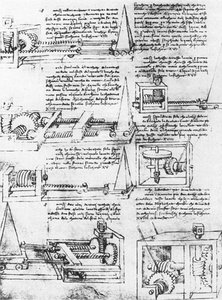
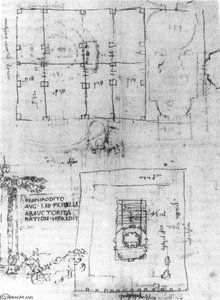
しかし、マルティーニを画家という一面的な視点だけで捉えることは、彼の真の天才性の鼓動を見逃すことにつながります。建築や軍事工学における彼の貢献もまた、同様に革新的なものでした。著書『建築論(Trattato di architettura)』を通じて、彼は単なる技術的な図面以上のもの、すなわちcittà ideale(理想都市)への先見的な設計図を提示しました。詳細な挿絵や手稿からは、比率の調和と防御における戦略的必要性に執着した彼の精神が読み取れます。これらのスケッチには、美と実用性が繊細かつ計算された均衡の中に存在する、現代の都市計画の種が宿っているのです。
建築的先見者の遺産
フランチェスコ・ディ・ジョルジョ・マルティーニの歴史的な重要性は、芸術家の直感と技術者の論理との間に架け橋を築いた点にあります。彼は、彫刻された肢体の優美さと、石造りの砦の強固さの間に、いかなる差異も見出さない人物でした。彼の及ぼした影響はルネサンス全域に波及し、後世の世代が「デザイン」という概念を統合的な学問として捉える道筋を作りました。1502年にシエナでその生涯を閉じた彼が遺したレガシーは、美術史と建築理論の両分野において、今なお響き続けています。
彼の不朽の影響力を振り返る際、その偉大さを支える以下の柱に注目することができるでしょう。
- 遠近法の習熟:シエナの芸術を、装飾的な伝統から盛期ルネサンスの空間的奥行きへと移行させた役割。
- 建築的革新:数世紀にわたる工学に影響を与えた、都市設計と要塞化のための理論的枠組みの構築。
- 人文主義的な統合:古典的な解剖学的研究と、宗教的献身および科学的探求とのシームレスな融合。
- 万能人の理想像:芸術、科学、そして知性が分かちがたく結びついた、ルネサンス的創造者の決定的なモデルとしての存在。
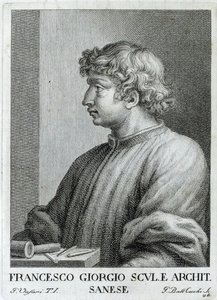
フランチェスコ・ディ・ジョルジョ・マルティーニ
1439 - 1502 , イタリア
基本情報
- Artistic Movement Or Style: ルネサンス
- Artists Or Movements Influenced By This Artist: ['レオナルド・ダ・ヴィンチ']
- Artists Who Influenced This Artist: ['アンドレア・デル・ヴェロッキオ']
- Date Of Birth: 1439年9月23日
- Full Name: フランチェスコ・マウリツィオ・ディ・ジョルジョ・マルティーニ
- Nationality: イタリア
- Notable Artworks:
- 降誕
- 聖母戴冠
- Place Of Birth: イタリア、シエナ
関連記事
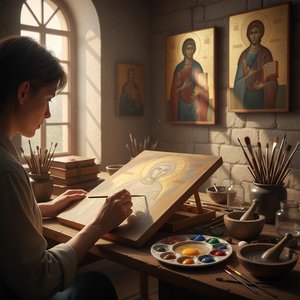
Illuminating Surfaces: A Comprehensive Exploration of Tempera on Panel Painting Techniques & Historical Significance
Explore the rich history & techniques of tempera painting! Discover Renaissance masters like Botticelli & Fra Angelico, conservation insights, and the enduring legacy of this captivating art form. Learn more now!
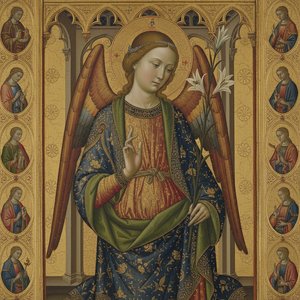
Simone Martini: Innovation, Spirituality & Courtly Refinement in Sienese Painting
Explore the captivating world of Simone Martini, a pivotal figure in Sienese painting & the International Gothic style. Discover his innovative techniques, spiritual depth, and lasting influence on early Renaissance art.
Illuminating History: A Comprehensive Exploration of Tempera Painting Techniques & Artistic Legacy
Explore the rich history & techniques of tempera painting! Discover Renaissance masters like Botticelli & Fra Angelico, conservation insights, and the enduring legacy of this captivating art form.
ラファエロ傑作25選:ルネサンス巨匠の物語と芸術の世界 | ArtsDot
ラファエロの傑作25選🎨 ルネサンス巨匠の物語と芸術の世界を紐解きます。美しい絵画複製や壁掛けアートで、お部屋に名画の彩りを。ArtsDot.comで、美術史に残る作品群をご覧ください✨
ウフィツィ美術館の至宝25選:ルネサンス巨匠たちの傑作とアートデコレーション
ウフィツィ美術館の至宝25選:ボッティチェリ、レオナルド・ダ・ヴィンチ…ルネサンス巨匠たちの傑作と感動的な物語を紐解きます。高品質な絵画複製やアートプリントで、お部屋に名画の輝きを。ArtsDot.comで芸術の世界へ。