

 プレビュー
プレビュー
 シェアする
シェアする シェアする
シェアする
 詳細を見る
詳細を見る

 ダウンロード
 似ている作品
 X線調査
X線調査 スライドショー
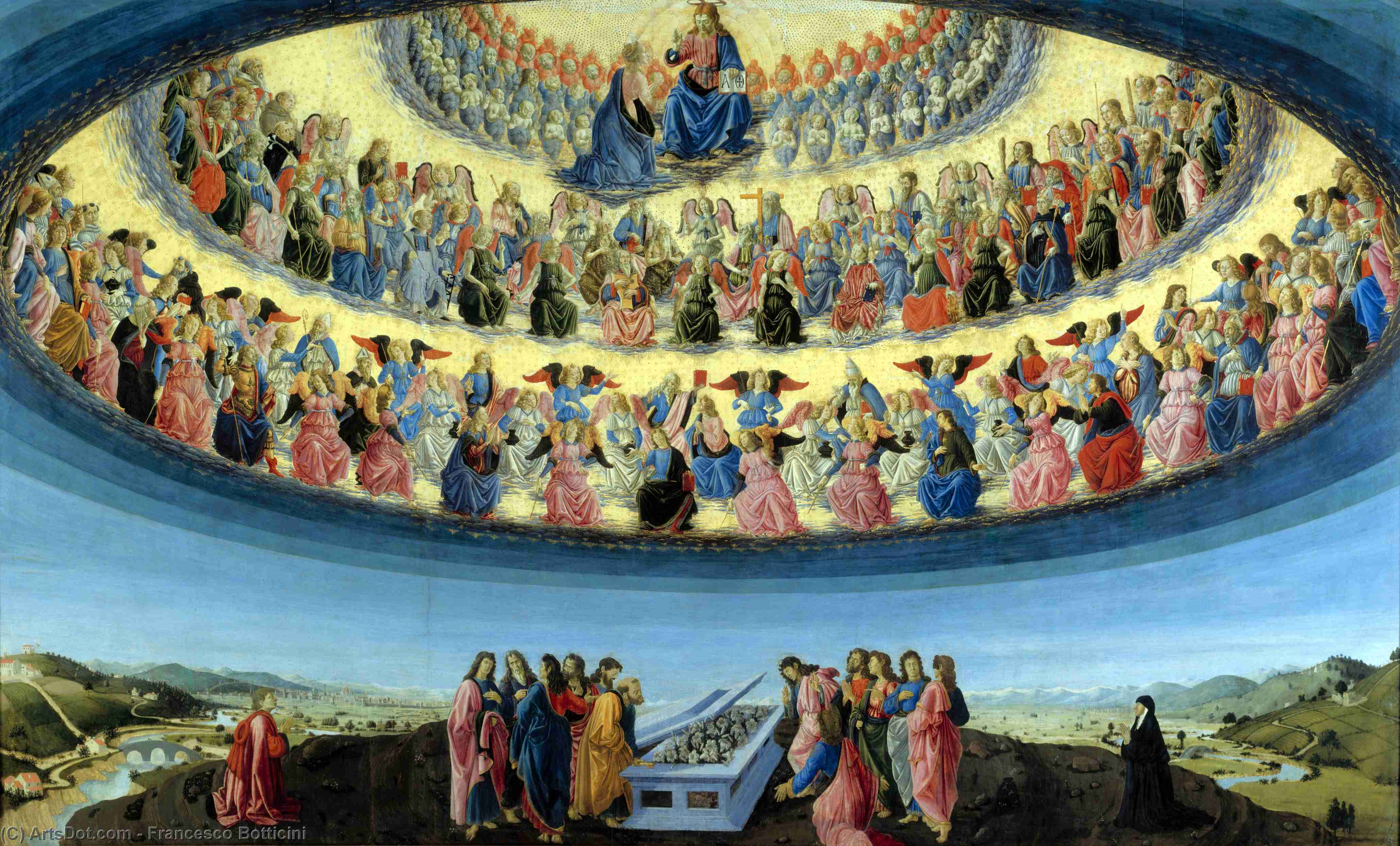
The Assumption of the Virgin
 詳細を見る
詳細を見る
ジークレー/アートプリント
迅速な制作と多彩な仕上げオプションを備えた、ミュージアムクオリティのジークレーまたはキャンバスプリント。 ( 手描きの絵画を購入 画像を購入)




































作品のオリジナル比率に合わせた、当店の規定サイズからお選びください。

特定のフレームやスペースに合わせて、ご自身でサイズを指定することも可能です。選択されたサイズが元の画像の比率と一致しない場合、作品をトリミングするか、鏡面反射または単色での塗りつぶしによって画像を拡張いたします。制作を開始する前に、ご確認用のデジタルモックアップをお送りいたします。
画面上のプレビューには、実際のトリミングや拡張は反映されませんのでご注意ください。最終的な構図を正確に確認できるのは、モックアップのみとなります。
カスタムサイズも承っておりますが、元の比率を維持するためには、あらかじめ用意されたリストからサイズを選択することをお勧めいたします。


 ガラスオプションは、110cm未満のサイズでのみご利用いただけます。

The Assumption of the Virgin
ジークレー/アートプリント
複製画のサイズ
-


合計金額
$ 62
作品詳細説明
The Artist and His Style
Francesco Di Giovanni Botticini was born in Florence in 1446 and remained active as a painter until his death in 1498. He studied in the workshops of Neri di Becci, Cosimo Rosselli, and Andrea del Verrocchio. His style was influenced by these artists, as well as others such as Filippino Lippi and Botticelli. The National Gallery in London is home to this magnificent painting, which measures 228.6 x 377.2 cm.Key Features of the Painting
The Assumption of the Virgin features a number of key elements that make it a standout work of art. Some of the most notable include:- The use of tempera on wood panel, which gives the painting its unique texture and appearance.
- The depiction of numerous angels surrounding the Virgin Mary as she ascends to heaven.
- The inclusion of various figures in the background, adding depth and complexity to the painting.
The Assumption of the Virgin is a truly breathtaking work of art that showcases the skill and craftsmanship of Francesco Di Giovanni Botticini. As a leading online platform specializing in handmade oil paintings reproductions and print on canvas of famous artwork, https://ArtsDot.com offers a wide range of artworks, including the Assumption of the Virgin. Visit their website to explore their collection and discover more about this incredible painting.
関連作品
アーティストの略歴
The Florentine Master: The Life and Legacy of Francesco Botticini
In the vibrant, sun-drenched streets of 15th-century Florence, amidst the burgeoning intellect of the Early Renaissance, lived a painter whose brush captured the profound spiritual essence of an era. Francesco di Giovanni Botticini, born around 1446, was far more than a mere contemporary to the giants of his age; he was a vital thread in the rich tapestry of Florentine art. While history often casts the spotlight on the monumental shadows of Leonardo da Vinci or Michelangelo, Botticini’s work offers a window into a period of exquisite transition, where the rigid structures of medieval devotion began to melt into the humanistic grace of the Renaissance.
Botticini’s journey into the heart of artistry was predestined by his lineage. Born into a family steeped in the traditions of the craft, he was the son of Giovanni di Domenico di Piero, a skilled painter of playing cards. This early exposure to the meticulous demands of pigment and design laid the groundwork for a career defined by precision and devotion. His formal education began in the prestigious workshop of Neri di Bicci, where, as an apprentice in 1459, he absorbed the foundational principles of fresco and the collaborative spirit of the Florentine studio system. However, it was his subsequent immersion in the atelier of the legendary Andrea del Verrocchio that truly transformed his vision. Within Verrocchio’s workshop—the same crucible that nurtured Leonardo da Vinci—Botticini learned to marry the sculptural depth of three-dimensional form with the ethereal beauty of tempera painting.
A Symphony of Devotion and Technique
The oeuvre of Botticini is a testament to his ability to evoke the divine through the tangible. His style, heavily influenced by the lyrical elegance of Botticelli and the structural clarity of Filippino Lippi, often centered on religious narratives that invited deep contemplation. One cannot discuss his mastery without reflecting on his monumental achievement, "The Assumption of the Virgin." This large-scale tempera on wood panel, now housed in the National Gallery in London, serves as a breathtaking display of his technical prowess. In this work, the heavens open to reveal a celestial hierarchy of angels, while the earthly realm is populated by disciples and donors, all rendered with a delicate balance of movement and stillness.
Botticini’s talent extended beyond grand altarpieces into the intimate realm of small-scale religious panels and portraits. His ability to manipulate light and shadow allowed him to create scenes of profound intimacy, such as his "Virgin and Child Enthroned," where the boundaries between the sacred and the human seem to dissolve. His technique often utilized the traditional medium of tempera, which lent a luminous, almost translucent quality to the skin of his holy figures, making them appear as though they were radiating an inner, spiritual light. Whether depicting the scholarly weight of Saint Jerome or the tender grace of the Madonna, Botticini possessed a unique gift for capturing the emotional gravity of his subjects.
Historical Significance and Rediscovery
The historical trajectory of Francesco Botticini is as poignant as the art he produced. For centuries, much of his contribution was obscured by the overwhelming legacies of his more famous peers. Many of his works were once attributed to other masters, lost in the shifting tides of art historical attribution. It is only through the meticulous efforts of modern scholars—reconstructing his oeuvre through stylistic analysis and archival research—that Botticini has been reclaimed as a significant voice of the Quattrocento.
Today, we recognize Botticini not merely as a student of Verrocchio or a follower of the Florentine tradition, but as an artist who contributed a distinct sense of serenity and spiritual depth to the Renaissance. His legacy resides in:
- The integration of sculptural form: Bringing a sense of weight and presence to religious figures through his training under Verrocchio.
- Mastery of the Florentine style: Contributing to the aesthetic language of grace, line, and luminosity that defined the era.
- Spiritual storytelling: Creating works that served as both educational tools for the faithful and profound objects of meditation.
As we gaze upon his surviving panels, we see more than just paint on wood; we see the enduring spirit of a master who, though he lived in the shadow of giants, left an indelible mark upon the soul of Florence.
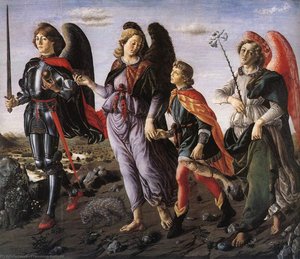
francesco di giovanni botticini
1446 - 1498
基本情報
- Artistic Movement Or Style: Early Renaissance
- Artists Who Influenced This Artist:
- Neri di Bicci
- Andrea del Verrocchio
- Date Of Death: 1498
- Full Name: Francesco di Giovanni Botticini
- Nationality: Italian
- Notable Artworks:
- Assumption of the Virgin
- Sacrament Tabernacle
- Saint Sebastian
- Saint Cecilia Between Saint Valerian and Saint Tiburtius with a Donor
- Place Of Birth: Florence, Italy

