

 プレビュー
プレビュー
 プリントを購入
 シェアする
シェアする シェアする
シェアする
 詳細を見る
詳細を見る

 ダウンロード
 似ている作品
 X線調査
X線調査 スライドショー
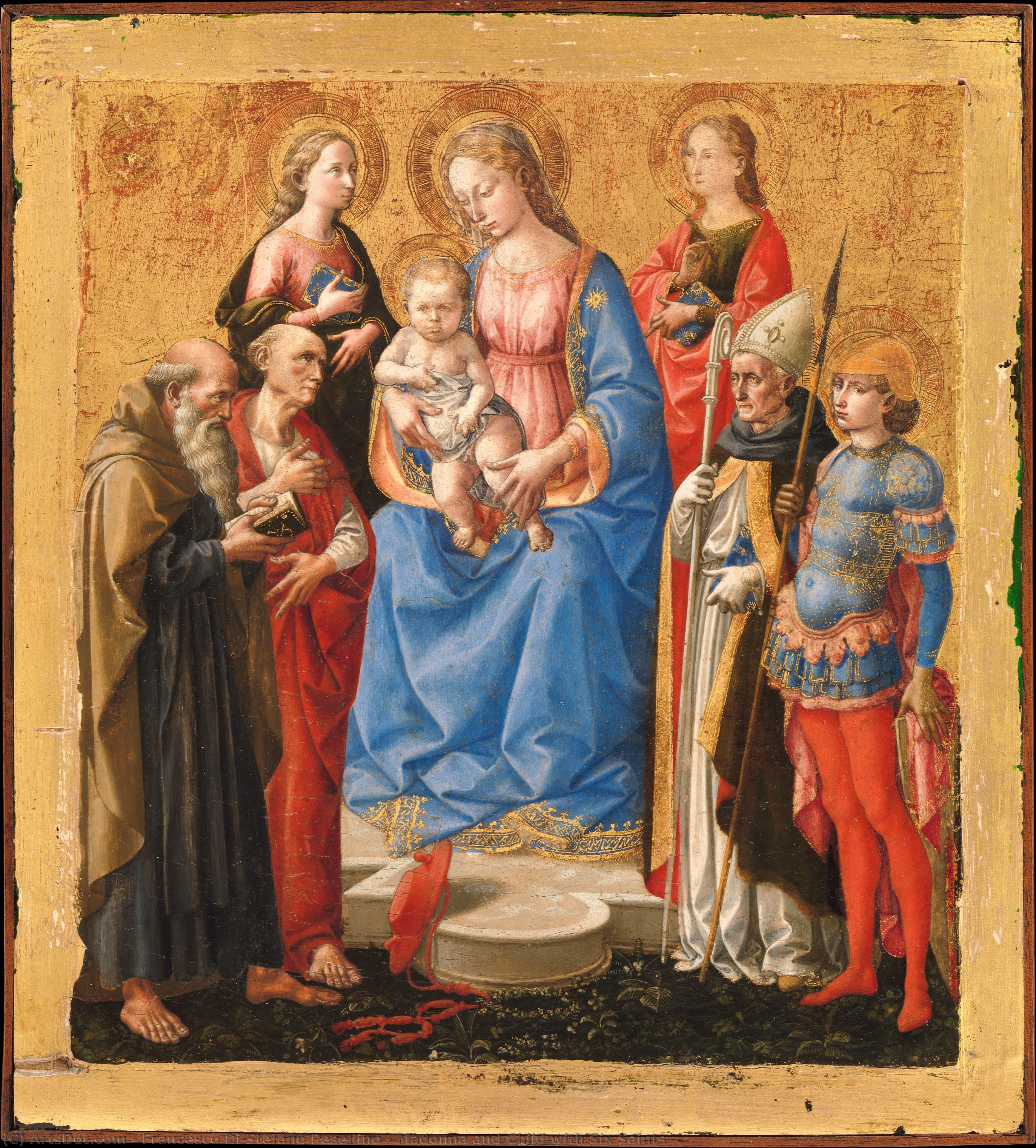
Madonna and Child with Six Saints
 Oil On Panel
- Early Renaissance
 1440
1440- Renaissance
 23.0 x 20.0 cm
 メトロポリタン美術館
 詳細を見る
詳細を見る




P118B $10

P118H $10

P118W $10

P438Z $10

P508JH $12

P508YH $12

P805H $10

P805Z $10

P919BZ $10

P919G $10

P919XJ $10

P959ZH $10

P968JZ $12

W106C $8

W218G $10

W218JH $8

W218Y $10

W307PJ $10

W316G $10

W316PJ $8

W316Y $10

W398PJ $8

W4111J $10

W500HY $15

W500JH $15

W692G $12

W849H $8

W940BG $15

W953PJ $8




作品のオリジナル比率に合わせた、当店の規定サイズからお選びください。

特定のフレームやスペースに合わせて、ご希望のサイズをご入力いただけます。選択されたサイズが元の画像の比率と異なる場合、アートワークをトリミングするか、手描きで要素を追加して絵画を拡張いたします。デジタルモックアップ を制作し、制作開始前にご確認(承認)をいただきます。
画面上のプレビューは、実際のトリミングや拡張を正確に反映しているものではありません。最終的な構図は、モックアップによってのみ正確にご確認いただけます。
カスタムサイズもご利用いただけますが、元の比率を維持するためには、あらかじめ用意されたリストからサイズを選択することをお勧めいたします。
ご注文後、ArtsDot.com チームより詳細な指示をお送りするとともに、仕上がりイメージ(モックアップ)をご提供いたします。


 ガラスオプションは、110cm未満のサイズでのみご利用いただけます。

Madonna and Child with Six Saints
複製技法
複製画のサイズ
-


合計金額
$ 263
作品解説
A Whisper of Florentine Devotion: Madonna and Child with Six Saints
To gaze upon this exquisite panel is to step directly into the intimate, devotional world of early Quattrocento Florence. This Madonna and Child with Six Saints by Francesco di Stefano Pesellino captures a moment suspended in time—a confluence of divine grace and earthly piety. The painting’s very existence speaks to the profound role art played in private life during the Renaissance; it was not merely decoration, but a portable conduit for prayer and contemplation. Pesellino, whose diminutive nickname suggests an almost delicate touch, masterfully rendered figures that possess a surprising depth, defying the small scale of this 1440 masterpiece.
Mastery in Miniature: Technique and Influence
Pesellino’s technique is characterized by a breathtaking subtlety, allowing him to achieve monumental emotional resonance within a compact format measuring approximately 23 x 20 cm. One can immediately sense the influence of his mentor, Fra Filippo Lippi; there is a lyrical quality to the drapery and an inherent humanity in the gestures that speaks directly to this lineage. Yet, Pesellino imbues the scene with his own unique breath—a delicate precision that elevates the depiction from mere portraiture to profound narrative art. Observe the handling of light: it seems to emanate softly from within the group itself, highlighting the serene expressions on Mary’s face as she cradles the Christ Child. The meticulous detail applied to every fold of cloth and every strand of hair invites the viewer into an almost tactile appreciation of the artist's skill.
The Sacred Gathering: Symbolism Among the Figures
The composition is a carefully orchestrated gathering, featuring Mary, Jesus, and six venerated saints arranged with thoughtful balance. From left to right, we encounter Anthony Abbot, Jerome, Cecilia, Catherine of Alexandria, Augustine, and George. These figures are not simply placed; they are interconnected by shared devotion. The inclusion of animals—the dogs near the center and the one in the lower corner—adds a layer of symbolic richness, often representing fidelity or guardianship within Christian iconography. Furthermore, the presence of birds, perched above Mary and to the right, frequently symbolizes the soul or the Holy Spirit, weaving an ethereal thread through the earthly gathering.
An Echo for the Modern Sanctuary
For the contemporary collector or designer, this piece offers more than just historical beauty; it provides a focal point of quiet contemplation. Its intimate scale makes it perfectly suited to adorn a private study, a mantelpiece, or a niche where moments of reflection are cherished. Owning a reproduction allows one to bring home not just paint on wood, but the very atmosphere of Renaissance devotion—a harmony achieved through meticulous artistry and deep spiritual connection. It is an object that whispers stories of faith, genius, and enduring human grace.
関連作品

アーティストの略歴
Francesco di Stefano Pesellino: A Florentine Master of Subtle Detail
Francesco di Stefano Pesellino, a name often whispered in the halls of Renaissance art history, remains a figure of captivating mystery and profound influence. Born in Florence around 1422, he emerged from a lineage steeped in artistic talent – his father, Stefano di Francesco, and his maternal grandfather, Giuliano Pesello, both renowned painters. The diminutive nickname “pesellino,” derived from his grandfather’s name, became inextricably linked to his identity, reflecting not just his familial connection but also the distinctive style he would ultimately forge. His tragically short life, ending in Florence in 1457 at the young age of thirty-five, cut short a career brimming with promise and left behind a legacy characterized by exquisite detail and an uncanny ability to capture the essence of human emotion.
Pesellino’s early artistic development was profoundly shaped by his apprenticeship under Filippo Lippi, one of Florence's most celebrated painters. This association proved pivotal, exposing him to Lippi’s innovative techniques and humanist sensibilities. However, it was his time spent in Giuliano Pesello’s studio that truly molded his unique approach. Pesello, a master of miniature painting and portraiture, instilled in Pesellino a meticulousness and an appreciation for the subtle nuances of form and color – qualities that would become hallmarks of his work. The influence of this apprenticeship is evident in Pesellino's preference for small-scale panels and his remarkable ability to render textures with astonishing realism.
A Style Defined by Precision and Intimacy
Pesellino’s artistic style is immediately recognizable, distinguished by its exceptional refinement and a deliberate avoidance of grand gestures. Unlike the more flamboyant styles prevalent during the early Renaissance, Pesellino favored a restrained elegance, focusing on precise detailing and a profound sense of intimacy. His panels rarely depict large-scale narratives; instead, he excelled at capturing small devotional scenes – predellas for altarpieces, intimate depictions of the Madonna and Child, or portraits of saints – each imbued with a quiet dignity and emotional depth. He was particularly adept at rendering fabrics, jewels, and other decorative elements with breathtaking accuracy, imbuing his works with a tactile quality that invites close examination.
Vasari, in his *Lives of the Most Excellent Painters*, Painter, Sculptors, and Architects*, famously noted Pesellino’s contribution to Lippi's altarpiece for Santa Croce. These predella scenes, now dispersed among the Uffizi Gallery in Florence, the Louvre in Paris, and the Bergamo Civic Museum, offer a compelling glimpse into Pesellino’s artistic vision. They demonstrate his mastery of composition, color harmony, and psychological realism – qualities that set him apart from his contemporaries.
The Trinity Altarpiece: A Monumental Undertaking
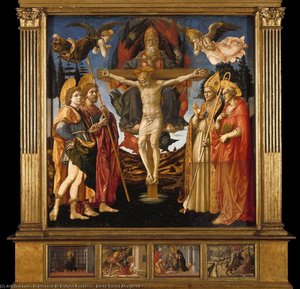
Perhaps Pesellino's most significant surviving work is the magnificent altarpiece with predella of the Trinity, commissioned by the confraternity of priests at Pistoia in 1455. This ambitious project, though only partially completed at his death, reveals the full extent of Pesellino’s artistic capabilities. The main panel depicts the Holy Trinity in the iconic throne of mercy motif, flanked by four standing saints and a host of angels. The sheer scale of the work – nearly square at over 1.8 meters per side – is remarkable for an artist working in the mid-fifteenth century. The meticulous detail evident in every brushstroke, from the folds of the drapery to the expressions on the faces of the saints, speaks volumes about Pesellino’s dedication and skill.
The commission itself provides a fascinating insight into the artistic patronage system of Renaissance Florence. Records unearthed by art historians document a protracted legal dispute between Pesellino's widow and his business partner over the outstanding payment for the unfinished work – a testament to the complexities of commercial transactions in that era. These records, meticulously preserved, offer a rare glimpse into the practical realities of an artist’s life and career.
Legacy and Influence
Despite his tragically short life, Francesco Pesellino left an indelible mark on the Florentine art world. His style, characterized by its meticulous detail, subtle color harmonies, and intimate emotionality, anticipated the developments of later Florentine painters such as Verrocchio and the Pollaiuoli family. He demonstrated a remarkable ability to synthesize influences from his predecessors – Lippi’s humanist sensibility, Pesello’s miniature techniques, and the emerging trends in naturalistic representation – creating a distinctly original artistic voice.
His work continues to captivate viewers today, not only for its technical brilliance but also for its profound sense of human dignity and spiritual contemplation. The surviving panels and altarpieces offer a poignant reminder of an artist whose potential was tragically cut short, yet whose legacy endures as one of the most intriguing and accomplished figures of the early Renaissance.
francesco di stefano pesellino
1422 - 1457
基本情報
- Artistic Movement Or Style: Early Renaissance, Florentine
- Artists Or Movements Influenced By This Artist:
- Verrocchio
- Pollaiuolo
- Artists Who Influenced This Artist:
- Stefano di Francesco
- Giuliano Pesello
- Filippo Lippi
- Date Of Birth: 1422
- Date Of Death: 1457
- Full Name: Francesco di Stefano Pesellino
- Nationality: Italian (Florentine)
- Notable Artworks:
- Santa Trinità Altarpiece
- Madonna and Child
- The Annunciation
- Place Of Birth: Florence, Italy
関連記事

ラファエロ傑作25選:ルネサンス巨匠の物語と芸術の世界 | ArtsDot
ラファエロの傑作25選🎨 ルネサンス巨匠の物語と芸術の世界を紐解きます。美しい絵画複製や壁掛けアートで、お部屋に名画の彩りを。ArtsDot.comで、美術史に残る作品群をご覧ください✨
ボッティチェリの至宝25選:ルネサンス美術の華麗なる世界 | ArtsDot
ボッティチェリの至宝25選。ルネサンス美術を代表する「春」「ヴィーナスの誕生」など、名画の物語と芸術史を紐解きます。ArtsDotで高品質な複製画やインテリアアートを見つけ、お部屋に永遠の美を。今すぐコレクションをご覧ください。

ウフィツィ美術館の至宝25選:ルネサンス巨匠たちの傑作とアートデコレーション
ウフィツィ美術館の至宝25選:ボッティチェリ、レオナルド・ダ・ヴィンチ…ルネサンス巨匠たちの傑作と感動的な物語を紐解きます。高品質な絵画複製やアートプリントで、お部屋に名画の輝きを。ArtsDot.comで芸術の世界へ。
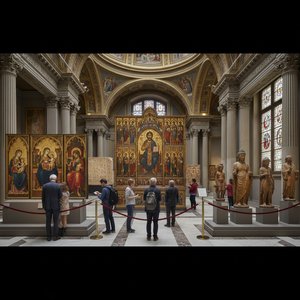
Sacred Narratives Embodied: A Comprehensive Exploration of Religious Iconography in Art History
Explore the rich history of religious iconography in art! Discover symbolism, movements & masterpieces from Byzantine to Renaissance periods. Expert insights for collectors and enthusiasts at ArtsDot.
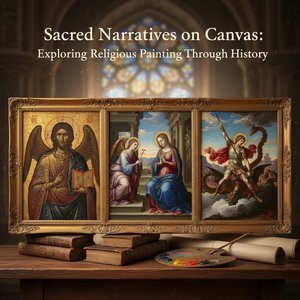
Sacred Narratives on Canvas: Exploring Religious Painting Through History
Explore the rich history of religious painting with ArtsDot.com! Discover iconic artworks, symbolism & techniques from antiquity to the Renaissance. Enhance your art appreciation today.

