

 プレビュー
プレビュー
 プリントを購入
 シェアする
シェアする シェアする
シェアする
 詳細を見る
詳細を見る

 ダウンロード
 似ている作品
 X線調査
X線調査 スライドショー
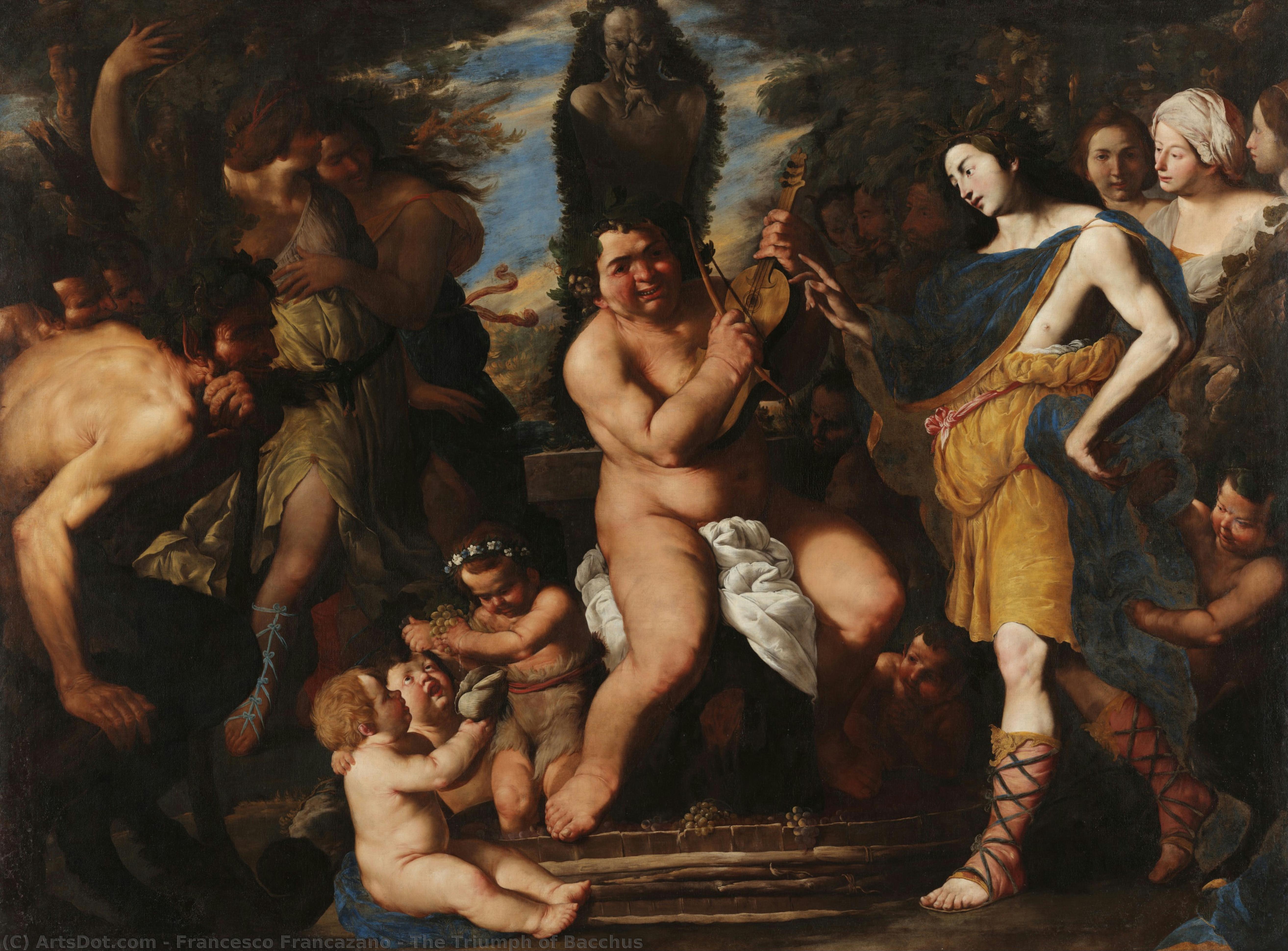
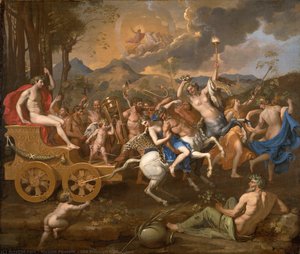
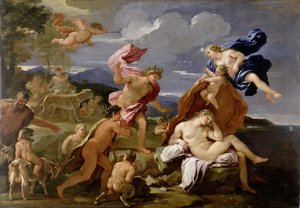
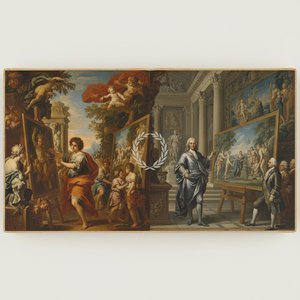
The Triumph of Bacchus


 詳細を見る
詳細を見る




































作品のオリジナル比率に合わせた、当店の規定サイズからお選びください。

特定のフレームやスペースに合わせて、ご希望のサイズをご入力いただけます。選択されたサイズが元の画像の比率と異なる場合、アートワークをトリミングするか、手描きで要素を追加して絵画を拡張いたします。デジタルモックアップ を制作し、制作開始前にご確認(承認)をいただきます。
画面上のプレビューは、実際のトリミングや拡張を正確に反映しているものではありません。最終的な構図は、モックアップによってのみ正確にご確認いただけます。
カスタムサイズもご利用いただけますが、元の比率を維持するためには、あらかじめ用意されたリストからサイズを選択することをお勧めいたします。
ご注文後、ArtsDot.com チームより詳細な指示をお送りするとともに、仕上がりイメージ(モックアップ)をご提供いたします。


 ガラスオプションは、110cm未満のサイズでのみご利用いただけます。

The Triumph of Bacchus
複製技法
複製画のサイズ
-


合計金額
$ 388
アーティストの略歴
The Dramatic Voice of Baroque Naples
Francesco Francazano, often recognized by his name Cesare, was a luminous figure within the Neapolitan Baroque school, a painter whose brush captured the very essence of seventeenth-century spiritual fervor and theatrical intensity. Born in 1605 in the Italian town of Bisceglie, he emerged from a lineage steeped in artistic tradition; his father, Alessandro, was a nobleman from Verona with Mannerist inclinations, ensuring that Francesco’s early years were saturated with the language of form and light. As a pivotal artist of the Neapolitan era, Francazano did not merely observe the world around him but sought to dramatize it, utilizing the profound emotional depth and technical mastery that defined the golden age of Italian Baroque painting.
The trajectory of his career was shaped by a series of profound encounters with the masters of his time. His formative training was deeply rooted in the study of Spagnoletto (Jusepe de Ribera), whose uncompromising naturalism and mastery of light provided the foundation for Francaziente's early explorations. This connection to the Caravaggist tradition allowed him to experiment with tenebrism—that striking, almost violent contrast between shadow and illumination—to create works that felt immediate and physically present. However, his vision was never confined to the darkness of a single style; he possessed a remarkable ability to synthesize the rugged realism of Ribera with the sweeping grandeur and idealized grace found in the works of Tintoretto, the Carracci brothers, and Guido Reni.
A Synthesis of Light and Grace
As his career progressed, Francazano’s palette and technique underwent a fascinating evolution, moving from the starker influences of his youth toward a more disciplined and academic elegance. In his earlier years, particularly during his time in Naples around 1630, one can observe a fascination with vibrant colors—brilliant reds and warm ochres—that suggest an awareness of the glowing, atmospheric qualities championed by artists like Van Dyck. His works from this period, such as his depictions of saints, often balance a sense of physical weight with a celestial luminosity, creating a tension between the earthly and the divine.
Later in life, particularly after 1640, his art began to reflect a more structured and refined sensibility. The influence of Massimo Stanzione brought a newfound discipline to his compositions, while the lyrical beauty of Guido Reni infused his later religious subjects with a sense of classical poise. This transition from the raw, emotive power of Caravaggism to a more sophisticated, academic style demonstrates an artist who was constantly in dialogue with the changing currents of European art. Whether working on large-scale frescoes for the vaults of Neapolitan churches or intimate canvases for noble palaces, his ability to command both scale and detail remained unparalleled.
Legacy and Artistic Significance
The historical significance of Francesco Francazano lies in his role as a bridge between the revolutionary naturalism of the early seventeenth century and the more refined, classical Baroque that followed. His legacy is preserved not only in the great collections of Naples and Rome but also in international institutions such as the Museo del Prado in Madrid, which houses his evocative depictions of human struggle. Through his work, we witness the transformation of Neapolitan art from a movement of shadow and grit into one of light, color, and sophisticated grace.
To reflect on the breadth of his contribution, one might consider the following pillars of his artistic identity:
- Mastery of Chiaroscuro: His ability to use dramatic light to sculpt form and evoke psychological depth.
- Stylistic Versatility: The seamless integration of Ribera’s realism with the elegance of Reni and the grandeur of Tintoretto.
- Cultural Impact: His role in enriching the artistic landscape of both Apulia and Naples, leaving a permanent mark on the churches and palaces of Southern Italy.
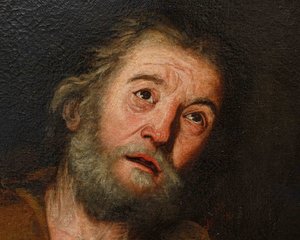
francesco francazano
1605 - 1651 , Italy
基本情報
- Artistic Movement Or Style: Caravaggism
- Artists Or Movements Influenced By This Artist: ['Van Dyck']
- Artists Who Influenced This Artist:
- Spagnoletto
- Ribera
- Tintoretto
- Carracci
- René
- Date Of Birth: 1605 Bisceglie, Italy
- Date Of Death: 1651 Barletta, Italy
- Full Name: Francesco Francazano
- Nationality: Italian
- Notable Artworks:
- Two Wrestlers
- St John the Baptist
- Place Of Birth: Bisceglie
関連記事

Cultivating Ambiance: A Curatorial Guide to Art Selection for Wine Cellars and Tasting Rooms – Enhancing Oenological Experience Through Landscape, Symbolism, and Interior Harmony
Elevate your wine cellar or tasting room with curated art! Expert guidance on landscape paintings, symbolism & lighting to enhance the oenological experience. Discover how art transforms spaces and tells your winery's story.

バロックのドラマ:現代のインテリアに壮麗さと情感を取り込む
バロック様式の歴史、絵画、家具の魅力をご紹介。ArtsDotでは、高品質な油絵複製やカスタムポートレートをご提供し、現代のインテリアに壮麗さと情感を取り入れます。アートコンサルテーションも承ります。

バロック美術を極めた至宝:時代を彩る10大名作の世界
バロック美術の華!カラヴァッジョ、ベルニーニら巨匠が創り上げた10大名作を徹底解剖。ドラマチックな色彩と豪華絢爛の世界観に触れ、至宝のアートプリントで空間を彩ろう。ArtsDot.comで美術館品質の複製と洗練されたインテリアを見つけましょう!
Simon Vouet: A Baroque Master's Journey from Italian Influence to French Classicism
Explore the life & art of Simon Vouet, a pivotal French Baroque painter who introduced Italian styles to France. Discover his masterpieces and lasting influence on 17th-century art.

The Dramatic Flourish: Exploring the Baroque Movement's Enduring Legacy in Art History
Explore the dramatic world of Baroque art! Discover iconic artists like Caravaggio & Rubens, defining techniques, and its lasting impact on art history. Expert insights for collectors & enthusiasts at ArtsDot.

