

 プレビュー
プレビュー
 シェアする
シェアする シェアする
シェアする
 詳細を見る
詳細を見る

 ダウンロード
 似ている作品
 X線調査
X線調査 スライドショー
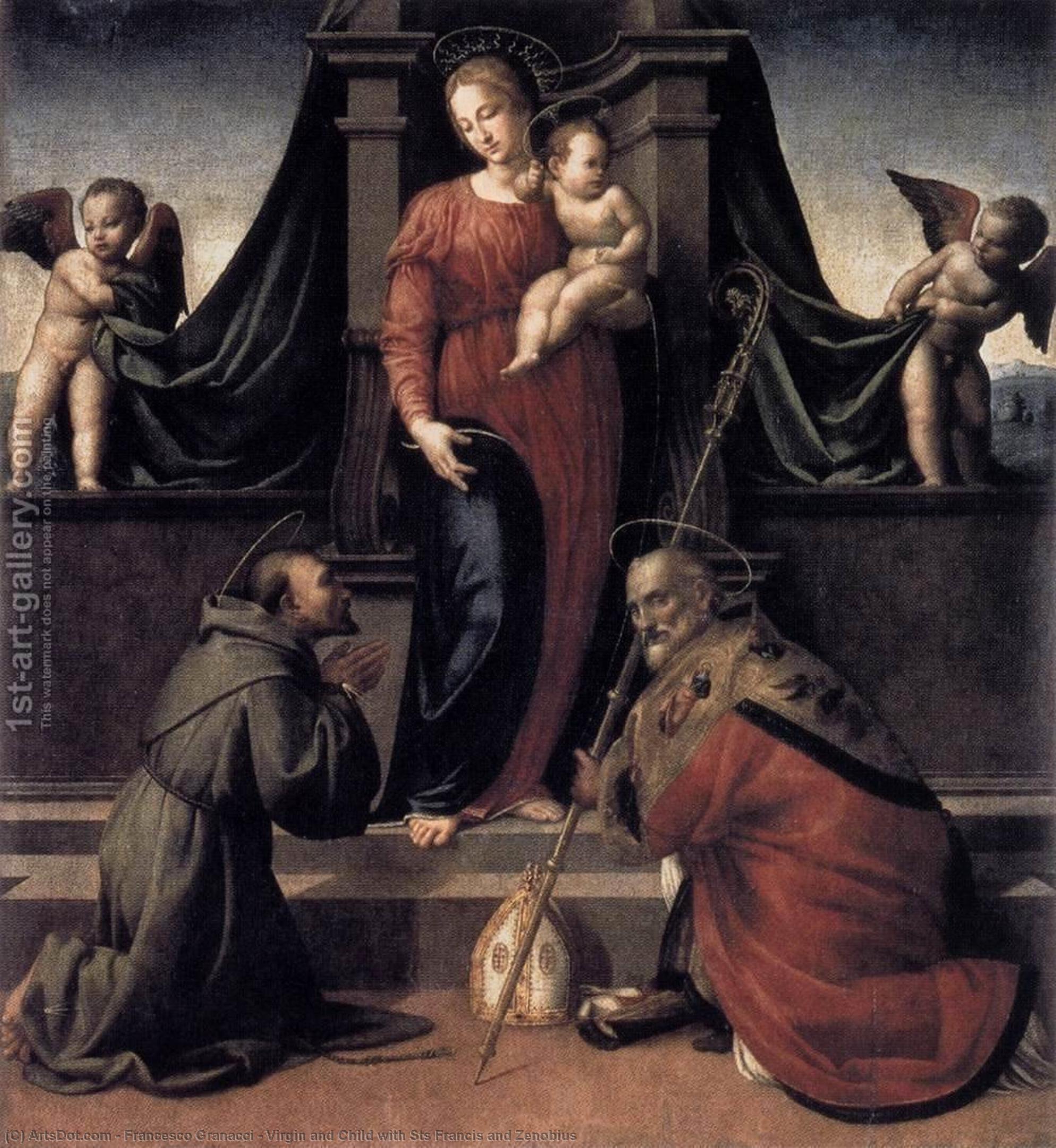
Virgin and Child with Sts Francis and Zenobius
 Oil On Canvas
- WallArt
- Renaissance Early
 1515
1515- Renaissance
 193.0 x 174.0 cm
 アカデミア美術館
 詳細を見る
詳細を見る
ジークレー/アートプリント
迅速な制作と多彩な仕上げオプションを備えた、ミュージアムクオリティのジークレーまたはキャンバスプリント。 ( 手描きの絵画を購入 画像を購入)




P118B $10

P118H $10

P118W $10

P438Z $10

P508JH $12

P508YH $12

P805H $10

P805Z $10

P919BZ $10

P919G $10

P919XJ $10

P959ZH $10

P968JZ $12

W106C $8

W218G $10

W218JH $8

W218Y $10

W307PJ $10

W316G $10

W316PJ $8

W316Y $10

W398PJ $8

W4111J $10

W500HY $15

W500JH $15

W692G $12

W849H $8

W940BG $15

W953PJ $8




作品のオリジナル比率に合わせた、当店の規定サイズからお選びください。

特定のフレームやスペースに合わせて、ご自身でサイズを指定することも可能です。選択されたサイズが元の画像の比率と一致しない場合、作品をトリミングするか、鏡面反射または単色での塗りつぶしによって画像を拡張いたします。制作を開始する前に、ご確認用のデジタルモックアップをお送りいたします。
画面上のプレビューには、実際のトリミングや拡張は反映されませんのでご注意ください。最終的な構図を正確に確認できるのは、モックアップのみとなります。
カスタムサイズも承っておりますが、元の比率を維持するためには、あらかじめ用意されたリストからサイズを選択することをお勧めいたします。


 ガラスオプションは、110cm未満のサイズでのみご利用いただけます。

Virgin and Child with Sts Francis and Zenobius
ジークレー/アートプリント
複製画のサイズ
-


合計金額
$ 62
作品詳細説明
A Serene Vision of Faith: Francesco Granacci’s “Virgin and Child with Sts Francis and Zenobius”
Francesco Granacci's "Virgin and Child with Sts Francis and Zenobius," painted around 1515, is more than just a devotional image; it’s a window into the burgeoning artistic landscape of Renaissance Florence. This captivating work, currently housed in the Girolami Chapel of San Gallo, offers a glimpse of profound piety interwoven with subtle stylistic influences – most notably, echoes of Michelangelo's revolutionary Sistine Chapel frescoes. Granacci, having been exposed to these groundbreaking works during his time in Rome, skillfully adapted their dynamic compositions and dramatic use of light into this intimate portrayal of the Virgin Mary cradling the infant Jesus.
The painting’s composition is remarkably balanced, drawing the eye towards the central figures while simultaneously establishing a sense of serene depth. The muted palette—dominated by earthy browns, soft blues, and delicate creams—creates an atmosphere of quiet contemplation. Granacci masterfully employs sfumato, a technique perfected by Leonardo da Vinci, to soften edges and create a hazy, almost ethereal quality around Mary’s face and the baby Jesus. This blurring effect contributes significantly to the painting's overall sense of grace and spirituality.
The Saints: Echoes of Spiritual Leadership
Adding layers of meaning are the inclusion of St. Francis of Assisi and St. Zenobius, both revered figures within the Franciscan order. Their presence isn’t merely decorative; it underscores the painting's theological message. St. Francis, known for his simple life and profound connection to nature, represents humility and compassion, while St. Zenobius, a key figure in establishing monasticism, embodies spiritual leadership and devotion. Their placement flanking Mary and Jesus suggests a harmonious triad of faith – mother, child, and guiding figures – reinforcing the central theme of divine grace.
The details surrounding the saints are particularly noteworthy. St. Francis is depicted with his characteristic simple robe and barefoot stance, while St. Zenobius wears the habit of a monk, emphasizing his role as a spiritual guide. Granacci’s attention to their gestures—St. Francis offering a blessing and St. Zenobius pointing upwards—adds a dynamic element to the composition, suggesting an active engagement with the divine.
Technique and Artistic Influences
Granacci's technique demonstrates a sophisticated understanding of Renaissance painting principles. He skillfully utilizes *chiaroscuro*, the dramatic contrast between light and shadow, to sculpt the figures and create a sense of volume. The way he renders Mary’s drapery—allowing it to flow and drape naturally around her form—is particularly impressive. Furthermore, as previously noted, the influence of Michelangelo's Sistine Chapel is evident in the dynamic poses and the use of light to highlight key elements within the scene.
The painting’s surface texture is smooth and refined, indicative of Granacci’s meticulous attention to detail. The artist employed a layering technique, building up thin glazes of paint to achieve rich colors and luminous effects. This careful approach contributes significantly to the painting's enduring beauty and visual impact.
A Timeless Expression of Devotion
"Virgin and Child with Sts Francis and Zenobius" transcends its historical context to offer a timeless expression of faith, love, and spiritual connection. Granacci’s masterful composition, refined technique, and evocative symbolism combine to create an image that continues to resonate with viewers centuries later. It serves as a poignant reminder of the enduring power of art to capture the essence of human experience and convey profound theological truths. Reproductions of this work offer a remarkable opportunity to bring this serene vision into any setting, fostering contemplation and inspiring a sense of peace.
関連作品



アーティストの略歴
Early Life and Florentine Beginnings
Francesco Granacci, born in the Tuscan village of Villamagna in 1469, emerged during a period of extraordinary artistic ferment in Florence. His early life was deeply intertwined with the city’s burgeoning Renaissance spirit, and his formative years were spent within the esteemed workshop of Domenico Ghirlandaio—a master renowned for his clarity of line, balanced compositions, and vibrant narrative frescoes. It was here that Granacci absorbed the foundational principles of Florentine painting, honing his skills alongside a cohort of talented apprentices. However, it wasn’t solely Ghirlandaio who shaped the young artist's trajectory; a particularly close friendship with Michelangelo Buonarroti blossomed during this time. The two shared a passion for classical sculpture and frequented Lorenzo de’ Medici’s renowned garden, immersing themselves in the study of ancient forms—an experience that would subtly yet profoundly influence Granacci’s artistic development. Early works like the Madonna and Child with Saints Michael and John the Baptist, now housed in Berlin's Staatliche Museen, and the Adoration of the Child at the Honolulu Museum of Art reveal a nascent talent already demonstrating Ghirlandaio’s influence, yet hinting at a unique sensibility beginning to emerge.A Collaborative Spirit and Roman Interlude
Granacci’s artistic path wasn't solely defined by solitary practice; collaboration played a significant role in his growth. He frequently worked alongside Filippino Lippi, whose style also left an indelible mark on his early paintings. Vasari recounts that Granacci even served as a model for the nude figure in Lippi’s celebrated Raising of Theophilus within the Brancacci Chapel—a testament to the close working relationship between the two artists. In 1508, a pivotal moment arrived when Granacci journeyed to Rome. There, he joined Michelangelo and other skilled painters assisting with the monumental task of decorating the Sistine Chapel ceiling. While his direct contribution remains debated, this experience exposed him to the sheer scale and ambition of High Renaissance art, broadening his artistic horizons and instilling a greater sense of sculptural form in his compositions. Upon returning to Florence, Granacci’s work began to exhibit a newfound dynamism, evident in pieces like Rest on the Flight into Egypt, where figures possess a more robust physicality and are set within exotic landscapes rendered with radiant color.Religious Themes and Florentine Commissions
The majority of Granacci's oeuvre centers around religious subjects—frescoes, altarpieces, and devotional paintings that reflect the piety and artistic tastes of his time. He secured numerous commissions throughout Florence, working for various churches and convents. Notable examples include the Madonna with Child with Saints Francesco and Jerome, originally created for the Augustinian convent of San Gallo, and the Assumption of the Virgin commissioned for Santi Girolamo e Francesco sulla Costa—both now residing in the Galleria dell'Accademia. In 1515, he participated in a large-scale decorative project celebrating Pope Leo X’s visit to Florence, collaborating with prominent artists such as Andrea del Sarto and Jacopo Pontormo. This period saw him create Joseph Presents his Father and his Brothers to the Pharaoh, now gracing the Uffizi Gallery—a work that showcases his skill in narrative clarity and detailed composition.Later Years and Artistic Synthesis
As Granacci matured, his style underwent a subtle yet significant evolution. He began incorporating influences from artists like Fra Bartolomeo and Pietro Perugino, absorbing elements of Umbrian painting characterized by its soft modeling and harmonious color palettes. This synthesis of diverse artistic currents resulted in works that balanced the clarity of Florentine tradition with a more nuanced emotional depth. While he never achieved the widespread renown of his contemporaries, Granacci was consistently regarded as a dependable and skilled craftsman—a painter whose work stood at an important juncture between the older Florentine manner and the emerging aesthetics of the High Renaissance. He passed away in Florence in 1543, buried within the Church of Sant’Ambrogio, leaving behind a legacy of devotional paintings that continue to offer glimpses into the artistic life of Renaissance Italy.Historical Significance
Francesco Granacci's historical significance lies not in radical innovation but in his embodiment of the collaborative spirit and evolving stylistic trends of Florentine painting during the High Renaissance. He was a skilled artisan who successfully navigated the complex interplay of influences—from Ghirlandaio and Lippi to Michelangelo, Fra Bartolomeo, and Perugino—creating works that reflect the artistic diversity of his time. Though often overshadowed by more celebrated figures, Granacci’s paintings provide valuable insights into the religious sensibilities and aesthetic preferences of 16th-century Florence. His ability to blend narrative clarity with a growing emotional depth makes him a compelling figure in the broader context of Renaissance art history—a testament to the enduring power of artistic synthesis and dedicated craftsmanship.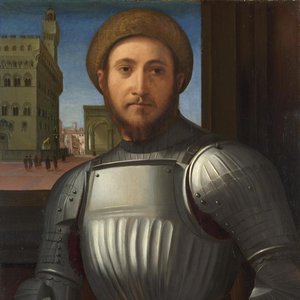
Francesco Granacci
1469 - 1543 , Italy
基本情報
- Artistic Movement Or Style: Renaissance
- Artists Or Movements Influenced By This Artist: ['Botticelli']
- Artists Who Influenced This Artist: ['Andrea del Verrocchio']
- Date Of Birth: 1452-04-15
- Date Of Death: 1519-05-02
- Full Name: Leonardo di ser Piero da Vinci
- Nationality: Italian
- Notable Artworks:
- Mona Lisa
- The Last Supper
- Vitruvian Man
- Place Of Birth: Florence, Italy
関連記事

Sacred Narratives on Canvas: Exploring Devotional Imagery Across Art History
Explore the rich history of devotional art! Discover iconic masterpieces, symbolism & techniques from antiquity to the Renaissance. Expert insights for collectors & enthusiasts at ArtsDot.
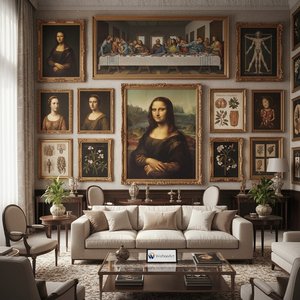
レオナルド・ダ・ヴィンチ:至高の25選 - 芸術、科学、そして不朽の名作の世界
レオナルド・ダ・ヴィンチの至宝25選。モナリザ、最後の晩餐…ルネサンス美術を代表する名画の世界へ。芸術史、技法、そして感動の物語を紐解き、お部屋に飾る高級複製画で特別な空間を。ArtsDot.comで全コレクションをご覧ください。

フラ・アンジェリコの傑作25選:ルネサンス美術の神髄と至高の装飾 | ArtsDot
フラ・アンジェリコの傑作25選。ルネサンス美術の神髄を紐解き、天使のような静謐な色彩と宗教画の世界へ誘います。壁画やフレスコ画の技法、修道院に息づく祈りの絵…ArtsDotで至高のアートプリントをお手軽に。コレクションを探索する。
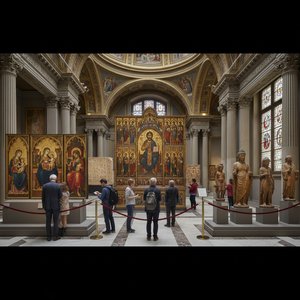
Sacred Narratives Embodied: A Comprehensive Exploration of Religious Iconography in Art History
Explore the rich history of religious iconography in art! Discover symbolism, movements & masterpieces from Byzantine to Renaissance periods. Expert insights for collectors and enthusiasts at ArtsDot.
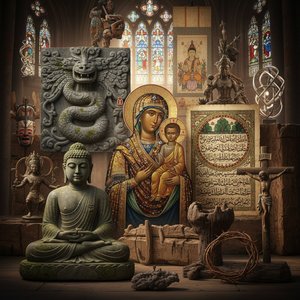
Sacred Expressions: A Journey Through Devotional Art Across Cultures & Eras
Explore the rich history of devotional art across cultures & eras. Discover iconic masterpieces, symbolism, and artistic techniques. Expert insights for collectors & enthusiasts.

