

 プレビュー
プレビュー
 プリントを購入
 シェアする
シェアする シェアする
シェアする
 詳細を見る
詳細を見る

 ダウンロード
 似ている作品
 X線調査
X線調査 スライドショー
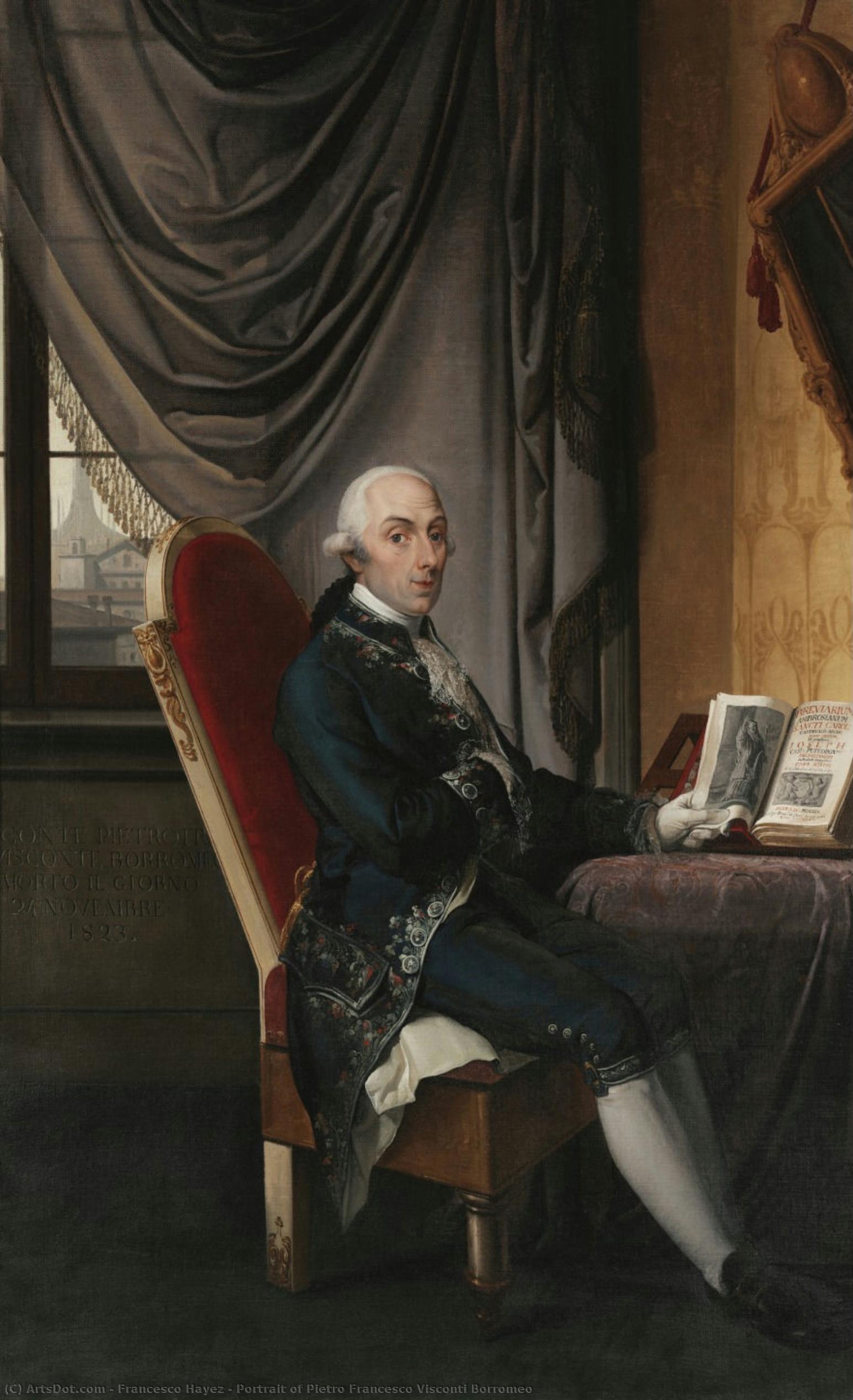
Portrait of Pietro Francesco Visconti Borromeo
 Oil On Canvas
- WallArt
- Neoclassicism
 1824
1824 205.0 x 125.0 cm
 Ca’ Granda – Ospedale Maggiore Policlinico
 詳細を見る
詳細を見る




P118B $10

P118H $10

P118W $10

P438Z $10

P508JH $12

P508YH $12

P805H $10

P805Z $10

P919BZ $10

P919G $10

P919XJ $10

P959ZH $10

P968JZ $12

W106C $8

W218G $10

W218JH $8

W218Y $10

W307PJ $10

W316G $10

W316PJ $8

W316Y $10

W398PJ $8

W4111J $10

W500HY $15

W500JH $15

W692G $12

W849H $8

W940BG $15

W953PJ $8




作品のオリジナル比率に合わせた、当店の規定サイズからお選びください。

特定のフレームやスペースに合わせて、ご希望のサイズをご入力いただけます。選択されたサイズが元の画像の比率と異なる場合、アートワークをトリミングするか、手描きで要素を追加して絵画を拡張いたします。デジタルモックアップ を制作し、制作開始前にご確認(承認)をいただきます。
画面上のプレビューは、実際のトリミングや拡張を正確に反映しているものではありません。最終的な構図は、モックアップによってのみ正確にご確認いただけます。
カスタムサイズもご利用いただけますが、元の比率を維持するためには、あらかじめ用意されたリストからサイズを選択することをお勧めいたします。
ご注文後、ArtsDot.com チームより詳細な指示をお送りするとともに、仕上がりイメージ(モックアップ)をご提供いたします。


 ガラスオプションは、110cm未満のサイズでのみご利用いただけます。

Portrait of Pietro Francesco Visconti Borromeo
複製技法
複製画のサイズ
-


合計金額
$ 263
A Glimpse into Aristocratic Life: Francesco Hayez's Portrait of Pietro Francesco Visconti Borromeo
Francesco Hayez’s “Portrait of Pietro Francesco Visconti Borromeo,” painted in 1824, offers a captivating window into the world of 19th-century Italian aristocracy. This striking neoclassical masterpiece transcends mere representation; it is a carefully constructed statement of status, intellect, and lineage. The subject, Count Pietro Francesco Visconti Borromeo, emerges from the canvas with an air of dignified composure, his gaze directed slightly to the left as if engaged in thoughtful contemplation. Hayez masterfully captures the textures of the opulent setting – the rich fabric of the man’s coat, the supple leather of the ornate chair, and the crisp pages of the open book he holds—all rendered with a meticulous realism characteristic of the era's finest oil painting techniques. The overall impression is one of refined elegance and understated power, inviting viewers to step into a world of privilege and intellectual pursuit.Neoclassical Grandeur and Symbolic Depth
The portrait’s style firmly aligns with Neoclassicism, an artistic movement that championed order, reason, and the ideals of classical antiquity. Hayez's composition is remarkably balanced and symmetrical, placing Count Borromeo centrally within a lavishly decorated interior. The formal arrangement, coupled with the precise rendering of details, reflects the Neoclassical emphasis on clarity and structure. However, beyond its aesthetic appeal, the painting is rich in symbolic meaning. The open book held by the Count speaks to his intellectual pursuits and commitment to knowledge—a common symbol of enlightenment and learning during this period. The presence of a second portrait hanging discreetly on the wall behind him subtly hints at family history and social connections, reinforcing Borromeo’s place within a distinguished lineage. Even the luxurious setting itself – the richly draped curtains, the cityscape visible through the window, and the decorative vase—serve as visual cues to his affluence and elevated position in society.Hayez's Technique: Light, Shadow, and Texture
Hayez was a master of oil painting techniques, evident in every brushstroke of this portrait. The dramatic lighting plays a crucial role, illuminating Count Borromeo’s face and upper body while casting subtle shadows across the background. This skillful use of light creates depth and draws the viewer's eye to the subject's expression, conveying a sense of intelligence and quiet authority. The artist employed glazing and scumbling techniques—layers of translucent paint applied over one another—to achieve remarkable luminosity and create a nuanced interplay of colors. The textures are particularly noteworthy; Hayez’s ability to render the softness of fabric, the smoothness of leather, and the crispness of paper is truly exceptional. The color palette, dominated by dark blues, browns, and creams, contributes to the painting's somber yet dignified atmosphere, further enhancing its overall sense of gravitas.A Legacy in Portraiture: Hayez and His Time
Francesco Hayez (1791-1882) was a leading figure in Italian Romanticism, renowned for his historical paintings, political allegories, and exceptional portraits. Born in Venice, he received formal training at the Academy of Fine Arts in Milan and later studied in Rome, absorbing influences from various artistic traditions. “Portrait of Pietro Francesco Visconti Borromeo” exemplifies Hayez’s skill in capturing not only physical likeness but also the character and social standing of his subjects. The painting reflects a broader cultural context—a time when portraiture served as an important means of documenting aristocratic identity and preserving family legacies. It stands as a testament to Hayez's artistic prowess and provides valuable insight into the values and aesthetics of 19th-century Italian society, offering viewers a compelling glimpse into a bygone era of elegance and refinement.関連作品
アーティストの略歴
生い立ちと初期の修練
フランチェスコ・アジェッツは、1791年2月10日、イタリアのヴェネツィアで生まれました。彼の父ジョヴァンニはフランス出身であり、母キアラ・トルチェッラはムラーノ島のご出身です。幼い頃から絵を描く才能を示し、叔父によって美術修復師の見習いとして才能が開花しました。しかし、アジェッツの芸術的探求心はすぐにヴェネツィアの伝統的な様式を超え、より革新的な表現を求めるようになりました。1806年、彼はミラノの新設されたアカデミア・ディ・ベッレ・アルティ(美術アカデミー)に入学し、テオドロ・マッテイニに師事します。この時期のアジェッツは古典主義の基礎を学びながらも、自身の内なる情熱と感情を表現することへの強い欲求を抱き始めました。1809年にはコンクールで優勝し、ローマのサン・ルカ美術アカデミーでの一年間の留学の機会を得ます。この経験が彼の芸術的スタイルを形成する上で重要な役割を果たし、後のイタリア・ロマン主義の先駆者としての道を歩むことになります。芸術的キャリアと様式
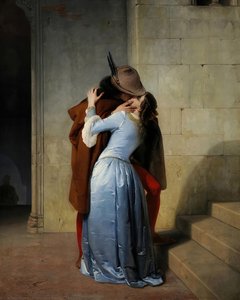
ローマでの研鑽を経て、アジェッツは歴史画、政治的な寓意画、そして卓越した肖像画を描き始めました。彼の作品は、壮大なスケールとドラマティックな表現が特徴であり、当時のイタリア美術界に大きな衝撃を与えました。特に注目すべきは、「接吻」です。この作品は同時代の人々から高く評価され、今日でもアジェッツの代表作として広く知られています。また、「クレモナ広場での教皇ウルスルスの説教」も重要な作品であり、彼の歴史的叙述能力を示す傑作と言えるでしょう。肖像画においても、被写体の内面を深く捉え、その個性を際立たせる卓越した技術を発揮しました。アジェッツの様式は、古典主義的な正確さとロマン主義的な感情表現が融合したものであり、イタリア美術における独自の地位を確立しました。彼は単なる技巧家ではなく、作品を通して社会や政治に対する自身の考えを表現しようと試みた芸術家でした。代表作とその象徴性
アジェッツの作品群は、単なる美しい絵画にとどまらず、深い象徴性とメッセージを含んでいます。「接吻」は、愛と秘密、そして政治的な陰謀といった多層的な意味合いを持つ作品として解釈されています。この絵画に描かれた情熱的なキスは、単なる恋愛感情だけでなく、イタリア統一を求める人々の隠れた希望や決意を表しているとも言われています。「教皇ウルスルスの説教」もまた、歴史的事件を通して当時の社会状況や政治的な緊張を描き出した作品です。アジェッツは、これらの作品を通して、観る者に様々な解釈の余地を与え、深い思索を促しました。彼の肖像画においても、被写体の表情や身振り手振りに込められた意味を探ることで、その人物の内面や社会的な背景を知ることができます。アジェッツの作品は、常に時代と社会に寄り添い、人々の心に響く普遍的なテーマを描き出したものでした。影響と遺産
フランチェスコ・アジェッツは、イタリア・ロマン主義に多大な影響を与えました。彼の作品は、その後の芸術家たちに大きな刺激を与え、新たな表現の可能性を切り開きました。特に、歴史画におけるドラマティックな構図や感情表現は、多くの画家たちの模範となりました。また、政治的な寓意画においては、社会批判的な視点を取り入れることで、美術界に新たな潮流をもたらしました。アジェッツの影響は、絵画だけでなく、文学や音楽など、様々な分野にも及んでいます。彼の作品は、今日でも多くの研究者や芸術愛好家によって研究され、その価値が再評価されています。ミラノのチヴィカ・ガレリア・ダルテ・モデーナ(現代美術館)には、アジェッツの貴重なコレクションが収蔵されており、彼の芸術的遺産を後世に伝える役割を果たしています。アジェッツは、イタリア美術史において重要な位置を占める芸術家であり、その作品はこれからも多くの人々に感動とインスピレーションを与え続けるでしょう。主要な日付
- 1791年2月10日:ヴェネツィアで生まれる
- 1806年:ミラノの新設されたアカデミア・ディ・ベッレ・アルティに入学
- 1809年:ローマのサン・ルカ美術アカデミーへの留学
- 1882年12月21日:イタリア美術界に多大な遺産を残し、逝去
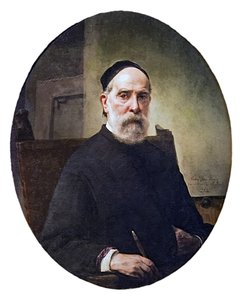
フランチェスコ・アジェッツ
1791 - 1882 , イタリア
基本情報
- Artistic Movement Or Style: ロマン主義
- Artists Or Movements Influenced By This Artist: ['新古典主義']
- Artists Who Influenced This Artist: ['テオドロ・マッティエイニ']
- Date Of Birth: 1791年2月10日
- Date Of Death: 1882年12月21日
- Full Name: フランチェスコ・アジェッツ
- Nationality: イタリア人
- Notable Artworks (List Of Titles):
- 「接吻」
- 教皇ウルス2世の説教
- Place Of Birth (City And Country): イタリア、ヴェネツィア
関連記事
至高の芸術:新古典主義を象徴する10選 – 華麗なる巨匠と時代を彩る傑作の世界
新古典主義を代表する10選!ダビッド、アンジェリカーら巨匠の傑作を紐解き、時代を超えた美と知性を探求。油絵、版画など高精細なアートプリントで、お部屋を華やかに彩りませんか?ArtsDot.comで至高の芸術を体験してください。
Dark Gray Masterpieces: 10 Iconic Paintings & Timeless Home Decor Ideas
Explore 10 iconic paintings dominated by dark gray tones, from Rembrandt & Caravaggio to Goya. Discover the stories behind these masterpieces and find museum-quality art reproductions for your home at . Explore the full collection online.
Mario Sironi: A Poetic of Modern Italian Identity Through Symbolism & Social Commentary
Explore the profound works of Mario Sironi, a key figure in Italian Modernism. Discover his evolution from Futurism to Metaphysical painting and his powerful social commentary. Learn about his legacy at ArtsDot.
Giovanni Fattori: Realism, Identity & the Tuscan Landscape – A Macchiaioli Master
Explore the life & art of Giovanni Fattori, a leading figure of the Macchiaioli movement. Discover his revolutionary realism, captivating Tuscan landscapes, and lasting impact on Italian painting. Learn more at ArtsDot.

The Revival of Antiquity: Exploring Neoclassical Art's Ideals & Enduring Legacy
Explore the revival of classical ideals in Neoclassical art! Discover Jacques-Louis David & the movement's impact on painting, sculpture & architecture. Expert insights & high-quality reproductions at ArtsDot.

