

 プレビュー
プレビュー
 プリントを購入
 シェアする
シェアする シェアする
シェアする
 詳細を見る
詳細を見る

 ダウンロード
 似ている作品
 X線調査
X線調査 スライドショー
Sicilian Vespers scene 3


 詳細を見る
詳細を見る




P118B $10

P118H $10

P118W $10

P438Z $10

P508JH $12

P508YH $12

P805H $10

P805Z $10

P919BZ $10

P919G $10

P919XJ $10

P959ZH $10

P968JZ $12

W106C $8

W218G $10

W218JH $8

W218Y $10

W307PJ $10

W316G $10

W316PJ $8

W316Y $10

W398PJ $8

W4111J $10

W500HY $15

W500JH $15

W692G $12

W849H $8

W940BG $15

W953PJ $8




作品のオリジナル比率に合わせた、当店の規定サイズからお選びください。

特定のフレームやスペースに合わせて、ご希望のサイズをご入力いただけます。選択されたサイズが元の画像の比率と異なる場合、アートワークをトリミングするか、手描きで要素を追加して絵画を拡張いたします。デジタルモックアップ を制作し、制作開始前にご確認(承認)をいただきます。
画面上のプレビューは、実際のトリミングや拡張を正確に反映しているものではありません。最終的な構図は、モックアップによってのみ正確にご確認いただけます。
カスタムサイズもご利用いただけますが、元の比率を維持するためには、あらかじめ用意されたリストからサイズを選択することをお勧めいたします。
ご注文後、ArtsDot.com チームより詳細な指示をお送りするとともに、仕上がりイメージ(モックアップ)をご提供いたします。


 ガラスオプションは、110cm未満のサイズでのみご利用いただけます。

Sicilian Vespers scene 3
複製技法
複製画のサイズ
-


合計金額
$ 263
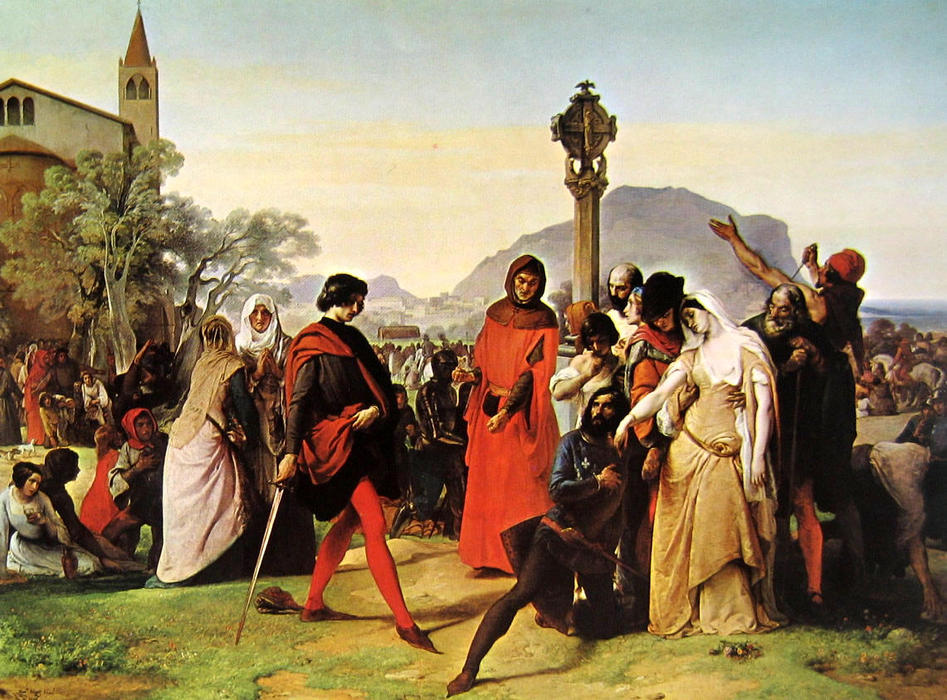
A Tempestuous Vision: Hayez’s “Sicilian Vespers”
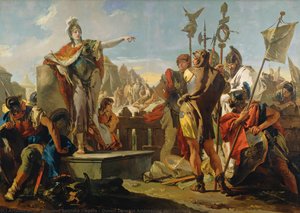
Francesco Hayez's "Sicilian Vespers" (1846) isn’t merely a historical painting; it’s a visceral eruption of conflict, a meticulously crafted tableau of political intrigue and simmering rebellion. The canvas explodes with the energy of a sudden uprising, capturing not just an event but the very essence of chaos and determination. It's a scene ripped from the annals of 13th-century Sicily, where dynastic ambitions collided with papal authority, resulting in a protracted and bloody struggle for control. More than a chronicle of events, Hayez delivers a potent allegory about power, loyalty, and the volatile nature of governance – themes that resonate powerfully even today.
The painting immediately commands attention through its dramatic composition. The central figure, clad in scarlet, leads a charge against a wall of defenders, his posture radiating both aggression and a desperate urgency. Around him, a swirling mass of soldiers, nobles, and commoners – all rendered with remarkable detail – surge forward, their faces contorted in expressions of fury and resolve. Hayez masterfully employs diagonal lines to create a sense of dynamic movement, pulling the viewer directly into the heart of the fray. The use of light is particularly striking; it illuminates the advancing figures while casting deep shadows over the retreating defenders, further amplifying the painting’s dramatic intensity.
Romanticism and Historical Narrative
Hayez was a pivotal figure in the Italian Romantic movement, and “Sicilian Vespers” exemplifies this style perfectly. Rejecting the cool detachment of Neoclassicism, Romantic artists sought to evoke strong emotions through vivid imagery and dynamic compositions. Hayez’s work is characterized by its theatricality, heightened drama, and focus on emotionally charged subjects – a hallmark of the era. He wasn't interested in simply depicting historical events; he aimed to capture their emotional core, translating them into a powerful visual narrative.
The painting draws heavily on medieval chronicles detailing the Sicilian Vespers revolt, which saw a group of Sicilian nobles overthrow King Peter III and demand the deposition of Pope Innocent IV. This event was fueled by resentment over papal interference in local affairs and a desire to restore Sicily’s independence. Hayez skillfully weaves together historical fact with elements of dramatic license, creating a compelling narrative that transcends mere documentation.
Technique and Symbolism
Hayez's technical skill is evident in every brushstroke. He employs a rich, dark palette dominated by reds, browns, and blacks, which contribute to the painting’s somber mood. The figures are rendered with meticulous detail, capturing their individual expressions and gestures with remarkable accuracy. The artist utilizes a technique of *sfumato*, subtly blurring edges and creating a sense of atmospheric depth, particularly in the background, adding to the overall feeling of chaos and uncertainty.
Beyond its historical subject matter, “Sicilian Vespers” is laden with symbolism. The scarlet garment worn by the leader represents courage, passion, and perhaps even rebellion against established authority. Conversely, the defenders’ armor symbolizes loyalty, tradition, and the weight of the past. The very act of fighting – a brutal, chaotic melee – speaks to the destructive consequences of political conflict and the erosion of social order. The inclusion of the papal banner amongst the defeated highlights the central role of the papacy in this tumultuous episode.
Emotional Resonance and Legacy
“Sicilian Vespers” is not simply a historical painting; it’s an emotionally resonant work that continues to captivate viewers today. Hayez masterfully conveys the sense of urgency, conflict, and human drama inherent in the subject matter. The painting's depiction of a passionate struggle for power—a theme that has resonated throughout history—makes it timeless and universally relatable.
Reproductions of this iconic artwork offer a stunning way to bring Hayez’s dramatic vision into any space. Whether adorning a grand salon or a more intimate setting, “Sicilian Vespers” serves as a powerful reminder of the complexities of human ambition, loyalty, and the enduring legacy of historical conflict. Its vibrant colors and dynamic composition make it an exceptional choice for collectors and interior designers seeking to infuse their surroundings with both beauty and intellectual depth.
関連作品


アーティストの略歴
生い立ちと初期の修練
フランチェスコ・アジェッツは、1791年2月10日、イタリアのヴェネツィアで生まれました。彼の父ジョヴァンニはフランス出身であり、母キアラ・トルチェッラはムラーノ島のご出身です。幼い頃から絵を描く才能を示し、叔父によって美術修復師の見習いとして才能が開花しました。しかし、アジェッツの芸術的探求心はすぐにヴェネツィアの伝統的な様式を超え、より革新的な表現を求めるようになりました。1806年、彼はミラノの新設されたアカデミア・ディ・ベッレ・アルティ(美術アカデミー)に入学し、テオドロ・マッテイニに師事します。この時期のアジェッツは古典主義の基礎を学びながらも、自身の内なる情熱と感情を表現することへの強い欲求を抱き始めました。1809年にはコンクールで優勝し、ローマのサン・ルカ美術アカデミーでの一年間の留学の機会を得ます。この経験が彼の芸術的スタイルを形成する上で重要な役割を果たし、後のイタリア・ロマン主義の先駆者としての道を歩むことになります。芸術的キャリアと様式
ローマでの研鑽を経て、アジェッツは歴史画、政治的な寓意画、そして卓越した肖像画を描き始めました。彼の作品は、壮大なスケールとドラマティックな表現が特徴であり、当時のイタリア美術界に大きな衝撃を与えました。特に注目すべきは、「接吻」です。この作品は同時代の人々から高く評価され、今日でもアジェッツの代表作として広く知られています。また、「クレモナ広場での教皇ウルスルスの説教」も重要な作品であり、彼の歴史的叙述能力を示す傑作と言えるでしょう。肖像画においても、被写体の内面を深く捉え、その個性を際立たせる卓越した技術を発揮しました。アジェッツの様式は、古典主義的な正確さとロマン主義的な感情表現が融合したものであり、イタリア美術における独自の地位を確立しました。彼は単なる技巧家ではなく、作品を通して社会や政治に対する自身の考えを表現しようと試みた芸術家でした。代表作とその象徴性
アジェッツの作品群は、単なる美しい絵画にとどまらず、深い象徴性とメッセージを含んでいます。「接吻」は、愛と秘密、そして政治的な陰謀といった多層的な意味合いを持つ作品として解釈されています。この絵画に描かれた情熱的なキスは、単なる恋愛感情だけでなく、イタリア統一を求める人々の隠れた希望や決意を表しているとも言われています。「教皇ウルスルスの説教」もまた、歴史的事件を通して当時の社会状況や政治的な緊張を描き出した作品です。アジェッツは、これらの作品を通して、観る者に様々な解釈の余地を与え、深い思索を促しました。彼の肖像画においても、被写体の表情や身振り手振りに込められた意味を探ることで、その人物の内面や社会的な背景を知ることができます。アジェッツの作品は、常に時代と社会に寄り添い、人々の心に響く普遍的なテーマを描き出したものでした。影響と遺産
フランチェスコ・アジェッツは、イタリア・ロマン主義に多大な影響を与えました。彼の作品は、その後の芸術家たちに大きな刺激を与え、新たな表現の可能性を切り開きました。特に、歴史画におけるドラマティックな構図や感情表現は、多くの画家たちの模範となりました。また、政治的な寓意画においては、社会批判的な視点を取り入れることで、美術界に新たな潮流をもたらしました。アジェッツの影響は、絵画だけでなく、文学や音楽など、様々な分野にも及んでいます。彼の作品は、今日でも多くの研究者や芸術愛好家によって研究され、その価値が再評価されています。ミラノのチヴィカ・ガレリア・ダルテ・モデーナ(現代美術館)には、アジェッツの貴重なコレクションが収蔵されており、彼の芸術的遺産を後世に伝える役割を果たしています。アジェッツは、イタリア美術史において重要な位置を占める芸術家であり、その作品はこれからも多くの人々に感動とインスピレーションを与え続けるでしょう。主要な日付
- 1791年2月10日:ヴェネツィアで生まれる
- 1806年:ミラノの新設されたアカデミア・ディ・ベッレ・アルティに入学
- 1809年:ローマのサン・ルカ美術アカデミーへの留学
- 1882年12月21日:イタリア美術界に多大な遺産を残し、逝去
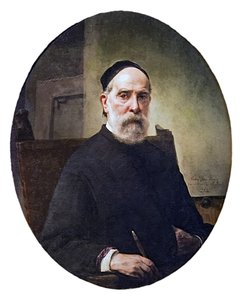
フランチェスコ・アジェッツ
1791 - 1882 , イタリア
基本情報
- Artistic Movement Or Style: ロマン主義
- Artists Or Movements Influenced By This Artist: ['新古典主義']
- Artists Who Influenced This Artist: ['テオドロ・マッティエイニ']
- Date Of Birth: 1791年2月10日
- Date Of Death: 1882年12月21日
- Full Name: フランチェスコ・アジェッツ
- Nationality: イタリア人
- Notable Artworks (List Of Titles):
- 「接吻」
- 教皇ウルス2世の説教
- Place Of Birth (City And Country): イタリア、ヴェネツィア
関連記事
High Medieval Art: 10 Masterpieces That Shaped an Era | ArtsDot
Journey through High Medieval Art! Explore 10 iconic masterpieces – from Giotto's frescoes to stunning Gothic cathedrals. Discover the stories behind these timeless paintings, sculptures & illuminated manuscripts. Find museum-quality art reproductions at ArtsDot.com.

Late Medieval Masterpieces: 10 Artworks That Defined an Era | ArtsDot
Journey through 10 defining Late Medieval masterpieces – from Giotto's frescoes to Jan van Eyck’s realism. Explore the stories, techniques & vibrant colors of Gothic art. Find museum-quality reproductions and elevate your home decor with ArtsDot.com! Discover all masterpieces on ArtsDot.com
Timeless Elegance: How to Integrate High Medieval Art into Your Modern Interior Design
Discover how to infuse your modern home with the divine light of High Medieval art. From gilded illuminated manuscripts to Gothic-inspired textures, learn expert tips for integrating timeless elegance and historical grandeur into contemporary interior design.
Early Medieval Art: 10 Masterpieces That Shaped a New World | ArtsDot
Journey through 10 stunning Early Medieval masterpieces – from the Book of Kells to Carolingian mosaics. Explore art history, symbolism & find museum-quality reproductions for your home at ArtsDot.com. Discover all masterpieces online!
The Evocative Brushstroke: Exploring Emotion, Individuality & the Sublime in Romanticism's Artistic Landscape
Explore the passionate world of Romanticism! Discover masterpieces by Friedrich & Goya, delve into the sublime, and understand the movement's lasting impact on art history. Expert analysis & insights at ArtsDot.

