 プレビュー
プレビュー
 シェアする
シェアする シェアする
シェアする
 詳細を見る
詳細を見る

 ダウンロード
 似ている作品
 X線調査
X線調査 スライドショー
Triumphal Arch of Alfonso I (detail)


 詳細を見る
詳細を見る
ジークレー/アートプリント
迅速な制作と多彩な仕上げオプションを備えた、ミュージアムクオリティのジークレーまたはキャンバスプリント。 ( 手描きの絵画を購入 画像を購入)




P118B $10

P118H $10

P118W $10

P438Z $10

P508JH $12

P508YH $12

P805H $10

P805Z $10

P919BZ $10

P919G $10

P919XJ $10

P959ZH $10

P968JZ $12

W106C $8

W218G $10

W218JH $8

W218Y $10

W307PJ $10

W316G $10

W316PJ $8

W316Y $10

W398PJ $8

W4111J $10

W500HY $15

W500JH $15

W692G $12

W849H $8

W940BG $15

W953PJ $8




作品のオリジナル比率に合わせた、当店の規定サイズからお選びください。

特定のフレームやスペースに合わせて、ご自身でサイズを指定することも可能です。選択されたサイズが元の画像の比率と一致しない場合、作品をトリミングするか、鏡面反射または単色での塗りつぶしによって画像を拡張いたします。制作を開始する前に、ご確認用のデジタルモックアップをお送りいたします。
画面上のプレビューには、実際のトリミングや拡張は反映されませんのでご注意ください。最終的な構図を正確に確認できるのは、モックアップのみとなります。
カスタムサイズも承っておりますが、元の比率を維持するためには、あらかじめ用意されたリストからサイズを選択することをお勧めいたします。


 ガラスオプションは、110cm未満のサイズでのみご利用いただけます。

Triumphal Arch of Alfonso I (detail)
ジークレー/アートプリント
複製画のサイズ
-


合計金額
$ 62
A Monumental Echo: The Triumphal Arch of Alfonso I by Francesco Laurana
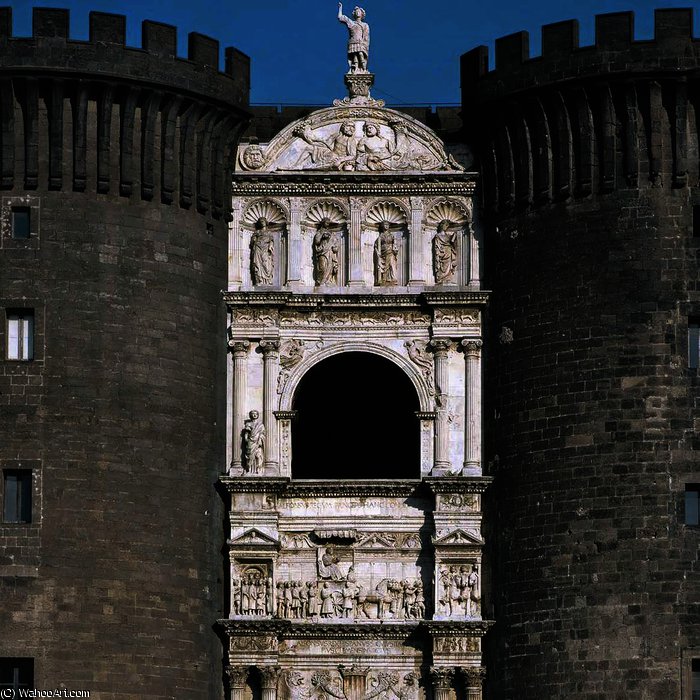
The painting before us, “Triumphal Arch of Alfonso I (detail),” offers a captivating glimpse into the artistic and political landscape of 15th-century Croatia. Executed in 1453 by the renowned Italian artist Francesco Laurana, this intricate work transcends mere architectural representation; it’s a potent symbol of power, faith, and the burgeoning Renaissance spirit. Laurana, born in Vrana in 1430, was a pivotal figure bridging the stylistic divides between the late Gothic and early Renaissance movements, a characteristic evident powerfully within this piece.
- Subject Matter: The central focus is undeniably the imposing triumphal arch, a structure designed to commemorate victory – likely a military triumph or perhaps a significant civic achievement.
- Architectural Detail: Laurana’s meticulous attention to architectural detail is remarkable. The archway itself is rendered with an almost photographic precision, showcasing the complex stonework and decorative elements characteristic of the period.
- Statuary & Symbolism: Surrounding the arch are a series of statues, each imbued with symbolic meaning. The figure holding the cross represents Christian faith and divine authority, while other figures likely embody civic leaders or military heroes.
The Hand of a Master: Laurana’s Technique
Laurana's style is immediately recognizable – a harmonious blend of Italian Renaissance precision with the emotional depth and narrative richness associated with Northern European painting. His use of color is particularly noteworthy; rich, saturated hues—deep reds, blues, and golds—create a sense of opulence and grandeur. The artist’s brushwork demonstrates a mastery of linear perspective, subtly guiding the viewer's eye through the complex architectural space. The level of detail suggests a workshop environment, likely employing skilled assistants to execute the numerous figures and intricate carvings.
- Oil on Panel: Laurana almost certainly employed oil paints on a wooden panel, a technique that allowed for greater luminosity, richer colors, and more subtle gradations than tempera.
- Linear Perspective: The careful application of linear perspective creates a convincing illusion of depth, drawing the viewer into the scene.
- Foreshortening & Modeling: Laurana skillfully utilizes foreshortening and modeling to give the statues a sense of three-dimensionality, enhancing their realism.
Historical Context & Symbolic Resonance
Created in 1453, this artwork exists within a pivotal moment in European history – the year of the Fall of Constantinople. The arch likely served as a potent reminder of Christian triumph over perceived enemies and reinforced the authority of Alfonso I of Naples, whose emblem it represented. Laurana’s work reflects the broader cultural trends of the time: a renewed interest in classical antiquity, a growing emphasis on humanism, and an evolving understanding of perspective and spatial representation. The piece stands as a testament to the ambition and artistic prowess of the late medieval period.
- Late Gothic Influence: Despite his Renaissance leanings, Laurana retains elements of Late Gothic style in his use of elongated figures and decorative motifs.
- Political Significance: The arch’s creation was undoubtedly linked to political power and the assertion of authority.
- Religious Symbolism: The prominent cross underscores the importance of Christianity in the lives of people during this era.
A Timeless Masterpiece – Recreated for Today
ArtsDot offers a meticulously crafted hand-painted reproduction of “Triumphal Arch of Alfonso I (detail),” allowing you to bring this remarkable artwork into your home or office. Each reproduction is created using the same techniques and materials as the original, ensuring an authentic representation of Laurana’s vision. This piece isn't just a decoration; it's an investment in art history, a conversation starter, and a celebration of human creativity. Experience the power and beauty of this monumental echo.
関連作品




アーティストの略歴
ハンス・メムリン:ゴシックとルネサンスの隔たりを繋ぐ者
1430年頃にラインラントの中心地で生まれ、悲劇的な運命により1494年に歴史から姿を消したハンス・メムリンという名は、ヨーロッパ美術における魅惑的な交差点を示しています。しばしば初期ネーデルラント派の画家として分類されますが、メムリンのキャリアは単純な枠組みに収まりません。彼は、ゴシック様式の繊細な感性と、勃興しつつあったルネサンスの人文主義的理想や自然主義が見事に融合した存在だったのです。彼の人生物語は、彼が生きた時代の芸術的な潮流と深く結びついています。そこは、イタリアの巨匠たちと北方の同業者たちの激しいライバル関係が特徴であり、最終的にヨーロッパ絵画のあり方を永遠に変えることになる、芸術的優先順位の緩やかな移行期でした。
メムリンの初期の修行については、今なおいくつかの謎に包まれていますが、マインツかケルンで、おそらくマティス・ニタルト師のもとで徒弟制度を始めたことは広く受け入れられています。この経験は彼をドイツ美術の豊かな伝統に触れさせました。そこには、細部への徹底したこだわりと象徴的な表現を好む傾向が見られました。しかし、1455年から1460年頃、メムリンは北へブリュッセルへと旅立ちます。そこで彼は数年間、同時代で最も影響力のある画家の一人であるロヒール・ファン・デル・ウェイデン師の工房で働き、その貴重な年月を過ごしました。特に衣褶や人体描写におけるファン・デル・ウェイデンのリアリズムの熟練度は、間違いなくメムリンの芸術的発展を形作りました。この時期にメムリンは技術を磨き上げ、驚くほどの正確さで複雑な構図を描き出す術を習得し、さらにファン・デル・ウェイデンが駆使した光と影の洗練された使い方を取り入れていったのです。
1465年までにブリュッセルに拠点を確立すると、メムリンは瞬く間にこの街で最も求められる芸術家の一人へと上り詰めました。交易と商業が栄える活気ある中心地であったブリュッセルは、この時代において芸術活動のるつぼであり、豪華な宗教画や献身的な作品を依頼したいと願う裕福なパトロンたちを引き寄せました。メムリンの工房は繁栄し、多くの助手を抱え、彼の多才さと技術力を反映した膨大な作品を生み出しました。その題材は、ブリュッセルの聖ヨハネ病院のために制作された記念碑的な最後の審判(1470年~1473年頃)のような壮大な祭壇画から、幼子イエスを抱く聖母マリアを描いた親密な献身のパネル、そしてしばしば著名な寄進者たちが描かれたものまで多岐にわたりました。これらの寄進者の肖像画はメムリン様式の代名詞であり、特に注目に値します。それらは単なる信仰心の表明としてだけでなく、富と社会的地位をさりげなく示す役割も果たしていたのです。
様式の融合:ゴシックの根源とルネサンスの影響
メムリンの芸術を際立たせているのは、後期ゴシック様式の要素と台頭しつつあるルネサンスの原理を見事に融合させる驚異的な能力です。彼は先人たちの慣習――特にドイツ絵画特有の緻密な細部描写、豊かな象徴性、そして豪華な装飾性を深く尊重しつつも、ルネサンスが重視する自然主義、遠近法、そして人間の感情という側面に積極的に取り入れました。彼の描く人物たちは、穏やかな威厳と、ほとんど触れられるかのような静けさを湛えており、初期ゴシック美術に多く見られた様式化されすぎた、感情過剰な描写から脱却していることを示しています。作品の衣褶は驚異的なリアリズムで描き出され、布地のひだや質感を目覚ましい正確さで捉えています。さらに、メムリンが用いる光と影の効果は、奥行きと立体感を生み出し、彼の絵画に幻想的な質感を加えていたのです。
メムリンの影響は、後世の芸術家たちの作品からも見て取ることができます。彼の細部への徹底したこだわりと、ゴシック様式とルネサンス様式の要素をシームレスに統合する能力は、盛期ルネサンス期における北ヨーロッパ絵画の発展の道を切り開きました。特に彼の工房は、後に独自のキャリアを築いていく多くの才能ある画家たちにとっての訓練場となり、それはメムリンが教師であり指導者として持っていた卓越した技能の証左と言えるでしょう。
主要作品:技術とパトロンシップの証
メムリンのいくつかの絵画は、彼の芸術様式と彼が受けた庇護について説得力のある洞察を与えてくれます。ブリュッセルの聖ヨハネ病院からの依頼による最後の審判は、構図の熟練度と、複雑な神学的主題を明晰さと優雅さをもって伝える能力を示す記念碑的作品です。この絵画の劇的なスケールと鮮やかな色彩は見る者を即座に魅了し、堕罪者の渦巻くローブから救われた者たちの穏やかな表情に至るまで、その精緻な細部描写はメムリンの徹底した観察眼を物語っています。
その他の注目すべき作品には、天使ガブリエルがマリアの身ご臨孕を告げる繊細で精巧な描写である受胎告知(1437年~1446年頃)、そして三賢者が幼子イエスを訪れる聖書の物語を祝う豪華に装飾されたパネルである三博士の礼拝(1488年~1490年頃)があります。また、穏やかな威厳をもって宗教的な人物を描くメムリンの技術を示すもう一つの傑作が聖ヤコブと聖ドミニコを伴う聖母子像(1480年~1489年頃)であり、彼のキリストの受難の場面(1470年~1473年頃)は、イエスの生涯における重要な出来事を感動的で感情豊かに描き出しています。
遺産と歴史的重要性
その並外れた才能と多作な作品にもかかわらず、ハンス・メムリンの功績は1494年の死後、何世紀もの間ほとんど忘れ去られていました。学者が彼がヨーロッパ絵画の発展における極めて重要な人物であることを認識し始めたのは、19世紀後半になってからです。今日、メムリンはゴシック時代とルネサンス時代の架け橋としてますます高く評価されています。彼は両伝統の様式的要素を見事に統合し、永続的な美しさと技術的な輝きを兼ね備えた作品を生み出した芸術家なのです。彼の絵画は、15世紀ヨーロッパの芸術的・文化的な風景への貴重な窓を提供し、西洋美術史の流れを形作った影響の複雑な相互作用を明らかにしているのです。
メムリンの物語は、芸術的な天才が予期せぬ場所から生まれることがあるということを思い出させてくれます。この場合、それはブリュッセルの著名な巨匠の工房からでした。彼の生涯と作品は今なお、芸術家や美術史家たちを魅了し、刺激し続けており、初期ネーデルラント絵画史上最も重要な人物の一人としての地位を確固たるものにしているのです。
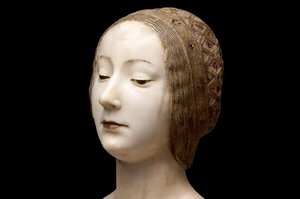
フランチェスコ・ラウラーナ
1430 - 1502 , 空欄
基本情報
- Artistic Movement Or Style: 初期ネーデルラント絵画
- Artists Or Movements Influenced By This Artist: ['初期ネーデルラント絵画']
- Artists Who Influenced This Artist: ['ロヒール・ファン・デア・ウェイデン']
- Date Of Birth: 1430年頃
- Date Of Death: 1494年8月11日
- Full Name: ハンス・メムリング
- Nationality: フランドル人
- Notable Artworks:
- 最後の審判
- 受難の場面
- 三賢者の礼拝
- 受胎告知
- 聖母子
- Place Of Birth: ドイツ、ツィリーゲンシュタット
関連記事

Bronze Sculptures That Defined Art History | ArtsDot
Journey through art history with our Top 10 bronze sculptures! Explore masterpieces by Rodin, Michelangelo & more. Discover stories behind iconic statues and find museum-quality reproductions for your home decor at ArtsDot.com.

The Enduring Form: Exploring Themes & Techniques in Sculpture Across Historical Periods
Explore the rich history of sculpture from ancient masterpieces to contemporary innovations. Discover key techniques, influential artists & investment potential for discerning art collectors.

Bronze Age to Modern Masters: 10 Sculptures That Redefined Art | ArtsDot
Journey through art history with 10 legendary bronze sculptures – from Michelangelo's David to Rodin’s Thinker. Explore the stories, techniques & timeless beauty of these masterpieces. Find museum-quality reproductions & elevate your home decor on ArtsDot.com.

The Enduring Form: Sculpture Across History, Technique & Emotional Resonance
Explore the rich history of sculpture with ArtsDot. Discover key techniques, influential artists & investment potential for discerning collectors. Expert insights into valuing and collecting timeless masterpieces.
青銅彫刻の永続的遺産:歴史、技法、そして現代における解釈
青銅彫刻の歴史、技法、現代における解釈を専門家が解説。古代から現代までの貴重な作品群を深く理解し、コレクションや投資に役立つ情報を提供します。美術品鑑定、修復についてもご紹介。