

 プレビュー
プレビュー
 プリントを購入
 シェアする
シェアする シェアする
シェアする
 詳細を見る
詳細を見る

 ダウンロード
 似ている作品
 X線調査
X線調査 スライドショー
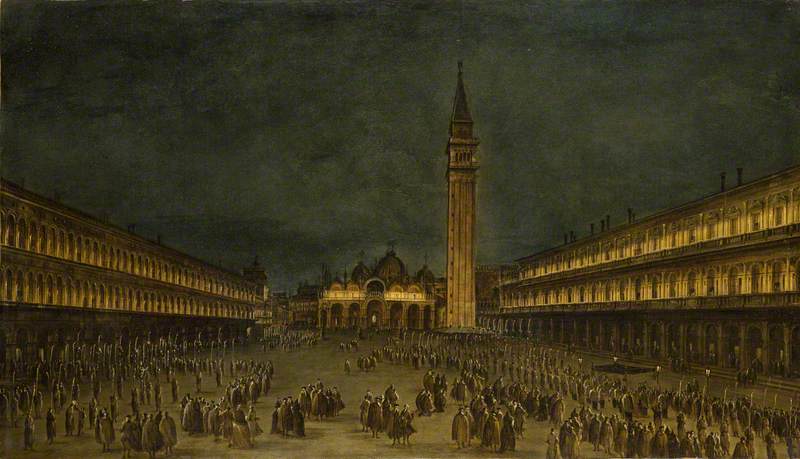
A Night Procession in the Piazza San Marco
 Oil On Canvas
- WallArt
- Impressionistic Venetian Style
 1755
1755- Early Modern
 48.0 x 85.0 cm
 アシュモリアン美術館
 詳細を見る
詳細を見る




P118B $10

P118H $10

P118W $10

P438Z $10

P508JH $12

P508YH $12

P805H $10

P805Z $10

P919BZ $10

P919G $10

P919XJ $10

P959ZH $10

P968JZ $12

W106C $8

W218G $10

W218JH $8

W218Y $10

W307PJ $10

W316G $10

W316PJ $8

W316Y $10

W398PJ $8

W4111J $10

W500HY $15

W500JH $15

W692G $12

W849H $8

W940BG $15

W953PJ $8




作品のオリジナル比率に合わせた、当店の規定サイズからお選びください。

特定のフレームやスペースに合わせて、ご希望のサイズをご入力いただけます。選択されたサイズが元の画像の比率と異なる場合、アートワークをトリミングするか、手描きで要素を追加して絵画を拡張いたします。デジタルモックアップ を制作し、制作開始前にご確認(承認)をいただきます。
画面上のプレビューは、実際のトリミングや拡張を正確に反映しているものではありません。最終的な構図は、モックアップによってのみ正確にご確認いただけます。
カスタムサイズもご利用いただけますが、元の比率を維持するためには、あらかじめ用意されたリストからサイズを選択することをお勧めいたします。
ご注文後、ArtsDot.com チームより詳細な指示をお送りするとともに、仕上がりイメージ(モックアップ)をご提供いたします。


 ガラスオプションは、110cm未満のサイズでのみご利用いただけます。

A Night Procession in the Piazza San Marco
複製技法
複製画のサイズ
-


合計金額
$ 263
A Window Into Venetian Twilight: Exploring Francesco Guardi’s “Nighttime Procession in Piazza San Marco”
Francesco Lazzaro Guardi's "Nighttime Procession in Piazza San Marco," completed in 1750, isn’t merely a depiction of a Venetian street scene; it’s a distillation of the city’s soul—a poignant testament to its fading glory and an enduring emblem of artistic brilliance. Painted during a period marked by political instability and economic decline following the Seven Years' War, Guardi captured not just what was visible but also what lingered in the air – the quiet melancholy of a city grappling with change, yet stubbornly clinging to its traditions. This masterpiece resides within the Venetian School’s canon, representing a crucial juncture where Baroque grandeur yielded to Impressionistic sensitivity.- Subject Matter: The painting portrays a bustling Piazza San Marco at night during Corpus Christi celebrations. A procession of pilgrims winds its way through the square, illuminated by flickering lanterns and punctuated by the solemn chants of priests. Alongside the devout figures are merchants, citizens, and entertainers, creating a microcosm of Venetian life.
- Style: Guardi’s style defies easy categorization. While rooted in Baroque principles—particularly the use of chiaroscuro—he eschewed rigid formalism, favoring loose brushwork and atmospheric perspective that would foreshadow Impressionism's groundbreaking approach to capturing light and color. This deliberate blurring of lines distinguishes him from his contemporaries and elevates “Nighttime Procession” beyond a simple topographical record.
Technique: Guardi’s Masterful Brushstrokes – A Legacy of Atmospheric Illusion
Guardi's technique is characterized by an astonishing level of detail achieved through remarkably subtle brushstrokes. He employed a layering process—applying thin glazes over thicker underpaintings—to build up tonal gradations that convey the ethereal quality of nighttime illumination. The artist’s masterful manipulation of light and shadow isn’t merely decorative; it's integral to conveying the emotional resonance of the scene. Notice how Guardi captures the diffused glow emanating from the lanterns, casting long shadows across the piazza and imbuing the figures with a sense of movement and immediacy. This technique exemplifies the Venetian School’s commitment to realism tempered by artistic imagination.- Color Palette: The painting utilizes a muted color palette dominated by blues, browns, and ochres—colors that reflect the subdued hues of twilight and contribute to the overall atmosphere of solemn contemplation. However, Guardi skillfully employs highlights of gold and crimson to accentuate key elements within the procession, drawing the viewer’s eye toward the central figures and emphasizing the grandeur of the religious observance.
- Historical Context: Corpus Christi processions were a cornerstone of Venetian Catholic piety during the Baroque era. They served as a powerful expression of faith and civic pride—a reaffirmation of Venice's identity amidst turbulent geopolitical currents. Guardi’s depiction captures not only the visual spectacle but also the spiritual significance of these rituals, offering us a glimpse into the beliefs and values of his time.
Symbolism & Emotional Impact: Beyond Representation – Capturing the Essence of Venetian Spirit
“Nighttime Procession” transcends mere representation; it embodies the spirit of Venice itself—a city striving to preserve its traditions while acknowledging the inexorable march of progress. The procession symbolizes faith, devotion, and communal solidarity—values that underpinned Venetian society for centuries. Furthermore, Guardi’s atmospheric perspective evokes a profound sense of melancholy – a recognition of beauty fading into darkness. The painting invites contemplation on themes of mortality, remembrance, and the enduring power of art to transcend time. It remains an unforgettable image of Venetian twilight, resonating with viewers today as powerfully as it did in 1750.This stunning reproduction captures Guardi’s artistic vision with exceptional fidelity, allowing you to experience the beauty and emotion of Piazza San Marco at night – a timeless masterpiece worthy of any discerning collector or interior designer.
関連作品
アーティストの略歴
ヴェネツィアの黄昏:フランチェスコ・グアルディの生涯と芸術
1712年10月5日、ヴェネツィアで生まれたフランチェスコ・ラッツァーロ・グアルディは、輝かしいヴェネツィア派絵画の終焉を象徴する人物として存在感を放つ。彼の人生は、かつて商業と文化の中心地であったが、政治的衰退と経済的苦難に直面していたヴェネツィアそのものの変遷を映し出していた。グアルディは単なる画家ではなく、この黄昏の時代の美しさと根底にある憂鬱を、後に印象派に深く共鳴する独特な感性で描き出した記録者であった。彼の父ドメニコが設立したグアルディ家のアトリエは、活気あふれる芸術制作の中心地であり、フランチェスコは当初、兄ジャン・アントニオと共に宗教画の制作に関わっていた。この初期の共同作業は確かな技術的基盤を提供したが、1760年にジャン・アントニオが亡くなった後、フランチェスコは真に独自の表現を見出し、彼が名声を博すことになる*ヴェドゥータ*—魅惑的な都市風景画—へと焦点を移していった。協働から個性の開花へ
当初、グアルディの作品には、紛れもなくヴェドゥータの巨匠カナレットの影響が色濃く見られた。両者の絵画は、ヴェネツィアの運河、宮殿、賑やかな広場を詳細に描き出していた。しかしながら、カナレットが地形的な正確性を重視したのに対し、グアルディは徐々に、より表現的で想像力豊かなアプローチへと移行していった。彼は写真のような写実性よりも、ヴェネツィアの*感覚*—きらめく光、大気中の霞、そしてその美しさに浸透する儚さ—を伝えることに心を注いだ。この変化は、活気に満ちた筆致と自由な発想で描かれた建築細部に顕著に表れている。彼の空は特に注目され、劇的な雲の描写が迫り来る変化を示唆していた。この厳密な表現からの逸脱は、カナレットの技術を否定するものではなく、むしろより個人的で感情的な共鳴を生み出すスタイルへの進化であった。家族の遺産も重要な役割を果たしており、妹マリア・チェチーリアがジョヴァンバッティスタ・ティエポロと結婚したことは、彼を当時の主要な芸術家たちとの交流を深め、豊かなアイデアの交換を促進することになった。ドージェの饗宴と*ピットゥーラ・ディ・トッコ*
グアルディが最も野心的な試みとして取り組んだのは、1763年に依頼された『ドージェの饗宴』であった。これは、アルヴィゼ4世モチェニゴの選挙を記念する12枚の大作からなる連作である。これらの絵画は単なる記録ではなく、活気に満ちた人物と鮮やかな細部で溢れる壮大な劇場的なスペクタクルであった。それらはグアルディの構成力と、ヴェネツィア市民生活のエネルギーと華やかさを捉える能力を示していた。この時期に、彼のシグネチャーである*ピットゥーラ・ディ・トッコ*(タッチによる絵画)という技法が完全に開花した。この技法は、小さな断片的な筆致で絵具を塗布し、光と動きで振動するように見える表面を作り出すことを特徴とする。その効果は精密な細部描写ではなく、むしろ形態と大気の印象的な表現であった。この革新的なアプローチは彼を同時代の人々から際立たせ、数十年後にフランスで展開される芸術的革命を予見させた。雰囲気の遺産と影響
フランチェスコ・グアルディは1793年1月1日にカンナレージョ地区のマドンピエッロで亡くなり、今日まで観客を魅了し続ける作品群を残した。彼の絵画は単なる都市の描写ではなく、あるムード—過ぎ去った時代への郷愁と美しさの脆弱性に対する意識—の喚起であった。カナレットが明るい太陽光の中でヴェネツィアを描くことが多かったのに対し、グアルディはしばしば薄暮に包まれたり雲に覆われた空の下で都市を描き、その憂鬱な魅力を強調した。この大気的な質は、クロード・モネやエドガー・ドガといったフランス印象派たちに特にアピールし、彼らは彼の作品の中に親和性を見出し—厳密な表現よりも感覚と感情を優先する芸術家—を発見した。グアルディの影響は、彼ら自身の光、色彩、大気の探求に見ることができる。グアルディの再発見:永続的な印象
生前カナレットほどの名声を得られなかったフランチェスコ・グアルディの名声は、世紀を経て着実に高まっている。今日彼は、古典的伝統と現代的な感性の間に架け橋を築いたヴェネツィア美術の重要な人物として認められている。彼の絵画は、リアリズムと想像力のユニークな融合、喚起的な雰囲気、そして変化の瀬戸際に立つ都市の痛切な描写のために高く評価されている。彼の作品を探求することは、18世紀のヴェネツィアを垣間見るだけでなく、時代を超えて観客に共鳴する場所と時間の本質をとらえる芸術の永続的な力を理解することにもつながる。- 主要な日付: 1712年10月5日:誕生; 1793年1月1日:没
- スタイル: *ヴェドゥータ*、*ピットゥーラ・ディ・トッコ*(タッチによる絵画)
- 影響を受けた芸術家: カナレット、ヴェネツィア派の伝統。
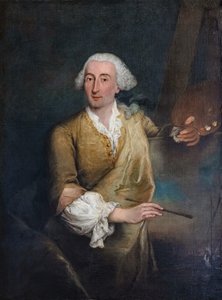
フランチェスコ・ラッツァーロ・グアルディ
1712 - 1793 , イタリア
基本情報
- Artistic Movement Or Style: ヴェドゥータ派、ヴェネツィア派
- Artists Or Movements Influenced By This Artist: ['フランス印象派']
- Artists Who Influenced This Artist: ['カナルエット']
- Date Of Birth: 1712年10月5日
- Date Of Death: 1793年1月1日
- Full Name: フランチェスコ・ラッザロ・グアルディ
- Nationality: イタリア人
- Notable Artworks:
- 運河の風景
- サン・ジョルジョ・マッジョーレ
- ドージェの饗宴
- Place Of Birth (City And Country): イタリア、ヴェネツィア
関連記事

ジャコポ・ティンコレット:至高の25選 – ヴェネツィア巨匠のドラマと光の世界 | ArtsDot
ジャコポ・ティンコレットの至高の25選。ドラマと光の世界を彩るヴェネツィア派巨匠の名画を紐解きます。ルネサンス絵画からバロック絵画まで、ArtsDotで高品質な複製画やインテリアアートを見つけましょう。傑作コレクションをオンラインで探求してください。
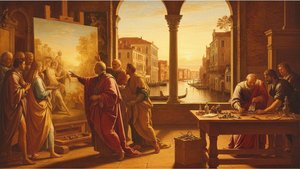
The Golden Light of Innovation: Exploring the Venetian Renaissance Art Movement (1430–1580)
Explore the Golden Age of Venetian art (1430–1580). Discover Giorgione, Titian & Tintoretto's techniques, the 'colorito' revolution, and lasting influence. Expert insights for collectors & enthusiasts.
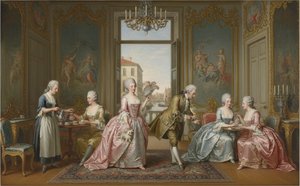
Pietro Longhi's Venetian Scenes: A Study of Rococo Society & Domestic Life
Explore the captivating world of Pietro Longhi's Venetian scenes! Discover insightful analysis of his Rococo masterpieces & social commentary on 18th-century life. Learn about this 'Venetian Hogarth' and his lasting artistic legacy.
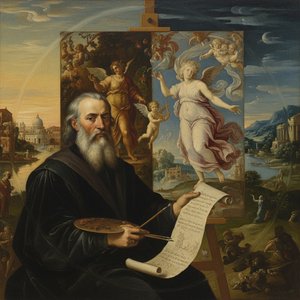
Jacopo Palma il Giovane: A Venetian Master's Poetic Evolution
Explore the captivating world of Jacopo Palma il Giovane, a pivotal Venetian Renaissance master. Discover his unique style, influenced by Titian & Tintoretto, and learn about key works perfect for discerning collectors.
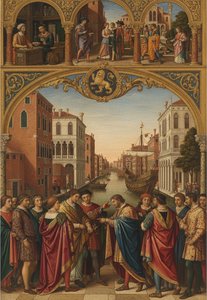
Vittore Carpaccio: Venetian Renaissance Narrative & the Poetics of Detail
Explore the captivating world of Vittore Carpaccio, a master storyteller of the Venetian Renaissance. Discover his intricate details, narrative cycles like 'The Legend of St. Ursula,' and unique artistic style.

