

 プレビュー
プレビュー
 プリントを購入
 シェアする
シェアする シェアする
シェアする
 詳細を見る
詳細を見る

 ダウンロード
 似ている作品
 X線調査
X線調査 スライドショー
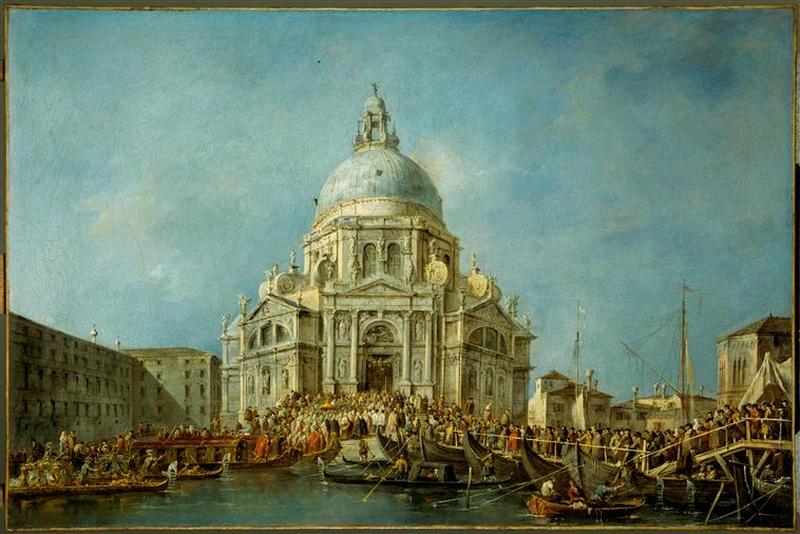
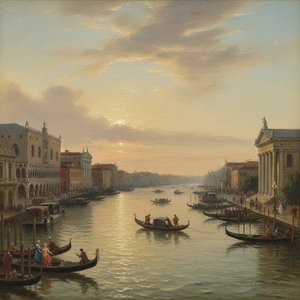
LE DOGE DE VENISE SE REND A LA SALUTE, LE 21 NOVEMBRE JOUR DE LA COMMEMORATION DE LA FIN DE LA PESTE DE 1630


 詳細を見る
詳細を見る




P118B $10

P118H $10

P118W $10

P438Z $10

P508JH $12

P508YH $12

P805H $10

P805Z $10

P919BZ $10

P919G $10

P919XJ $10

P959ZH $10

P968JZ $12

W106C $8

W218G $10

W218JH $8

W218Y $10

W307PJ $10

W316G $10

W316PJ $8

W316Y $10

W398PJ $8

W4111J $10

W500HY $15

W500JH $15

W692G $12

W849H $8

W940BG $15

W953PJ $8




作品のオリジナル比率に合わせた、当店の規定サイズからお選びください。

特定のフレームやスペースに合わせて、ご希望のサイズをご入力いただけます。選択されたサイズが元の画像の比率と異なる場合、アートワークをトリミングするか、手描きで要素を追加して絵画を拡張いたします。デジタルモックアップ を制作し、制作開始前にご確認(承認)をいただきます。
画面上のプレビューは、実際のトリミングや拡張を正確に反映しているものではありません。最終的な構図は、モックアップによってのみ正確にご確認いただけます。
カスタムサイズもご利用いただけますが、元の比率を維持するためには、あらかじめ用意されたリストからサイズを選択することをお勧めいたします。
ご注文後、ArtsDot.com チームより詳細な指示をお送りするとともに、仕上がりイメージ(モックアップ)をご提供いたします。


 ガラスオプションは、110cm未満のサイズでのみご利用いただけます。

LE DOGE DE VENISE SE REND A LA SALUTE, LE 21 NOVEMBRE JOUR DE LA COMMEMORATION DE LA FIN DE LA PESTE DE 1630
複製技法
複製画のサイズ
-


合計金額
$ 263
作品解説
A Venetian Twilight Captured: Francesco Guardi’s “The Doge at the Basilica of La Salute”
Francesco Lazzaro Guardi's "The Doge at the Basilica of La Salute" isn’t merely a depiction of a cityscape; it’s a poignant distillation of Venice itself – a city poised on the precipice of decline, yet stubbornly clinging to its fading grandeur. Painted around 1775-80, this oil on canvas offers a breathtakingly atmospheric glimpse into the twilight years of the Venetian Republic, a period marked by economic hardship and political instability, but also imbued with an undeniable beauty and melancholic grace. Guardi, born in 1712 and dying in 1793, wasn’t simply a painter; he was a chronicler of his era, meticulously capturing the subtle shifts in light, color, and mood that defined Venice's slow surrender to modernity.
The scene unfolds before us – a bustling canal view dominated by the imposing Basilica di Santa Maria della Salute. The Doge’s Palace, recognizable by its distinctive dome, stands proudly in the background, a testament to Venice’s former power and prestige. Yet, the overall impression isn't one of triumphant celebration; rather, it’s imbued with a quiet solemnity, a sense of reflection on the passage of time. The composition is deliberately loose and suggestive, prioritizing atmosphere over precise detail – a hallmark of Guardi’s distinctive style, heavily influenced by the Venetian colorist tradition but pushing beyond mere imitation to create something uniquely his own.
The Language of Light and Color
Guardi's mastery lies in his manipulation of light and color. He employs a technique known as “sfumato,” derived from Leonardo da Vinci’s methods, creating soft, hazy outlines that blur the edges of forms and dissolve details into an ethereal atmosphere. The colors are muted and subtly layered – ochres, browns, blues, and greys dominate, reflecting the dampness and shadows characteristic of a Venetian afternoon. Notice how the light catches on the water's surface, shimmering with reflected hues, while the buildings recede into a hazy distance, their forms softened by atmospheric perspective.
The artist’s brushstrokes are loose and expressive, conveying movement and dynamism without resorting to sharp lines or precise rendering. This deliberate lack of detail isn’t a sign of carelessness; rather, it's a conscious choice that emphasizes the *feeling* of the scene – the sense of bustling activity, the coolness of the air, the weight of history.
Symbolism and Historical Context
The painting’s title, “The Doge at the Basilica of La Salute,” provides crucial context. The Doge was Venice's elected ruler, a position symbolic of the city’s republican heritage. His presence within the Basilica, a magnificent baroque church built to commemorate the end of the plague in 1630, underscores the enduring faith and resilience of the Venetian people even as their political power waned. The event itself – the commemoration of the plague's end – is subtly referenced through the painting’s composition, suggesting a reflection on mortality and the fragility of human existence.
Furthermore, the scene captures Venice at a critical juncture in its history. The 18th century witnessed a gradual decline in Venetian trade and influence, as rival European powers asserted their dominance. Guardi's work serves as a visual elegy to this lost era, a poignant reminder of Venice’s former glory and its inevitable transformation.
A Legacy of Atmospheric Impressionism
While Guardi predates the formal emergence of Impressionism, his innovative use of light, color, and atmospheric perspective profoundly influenced later artists. His emphasis on capturing fleeting moments and subjective impressions paved the way for movements like Monet’s and Renoir’s explorations of light and atmosphere. “The Doge at the Basilica of La Salute” stands as a testament to Guardi's artistic vision – a timeless masterpiece that continues to resonate with viewers today, offering a captivating glimpse into the soul of Venice and the enduring power of art to evoke emotion and memory.
関連作品
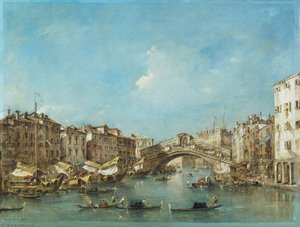
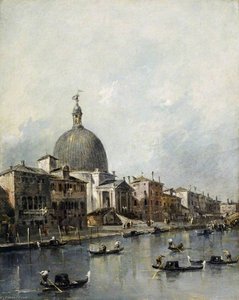
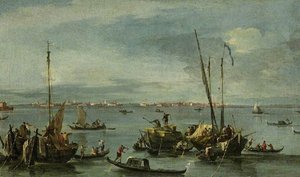
アーティストの略歴
ヴェネツィアの黄昏:フランチェスコ・グアルディの生涯と芸術
1712年10月5日、ヴェネツィアで生まれたフランチェスコ・ラッツァーロ・グアルディは、輝かしいヴェネツィア派絵画の終焉を象徴する人物として存在感を放つ。彼の人生は、かつて商業と文化の中心地であったが、政治的衰退と経済的苦難に直面していたヴェネツィアそのものの変遷を映し出していた。グアルディは単なる画家ではなく、この黄昏の時代の美しさと根底にある憂鬱を、後に印象派に深く共鳴する独特な感性で描き出した記録者であった。彼の父ドメニコが設立したグアルディ家のアトリエは、活気あふれる芸術制作の中心地であり、フランチェスコは当初、兄ジャン・アントニオと共に宗教画の制作に関わっていた。この初期の共同作業は確かな技術的基盤を提供したが、1760年にジャン・アントニオが亡くなった後、フランチェスコは真に独自の表現を見出し、彼が名声を博すことになる*ヴェドゥータ*—魅惑的な都市風景画—へと焦点を移していった。協働から個性の開花へ
当初、グアルディの作品には、紛れもなくヴェドゥータの巨匠カナレットの影響が色濃く見られた。両者の絵画は、ヴェネツィアの運河、宮殿、賑やかな広場を詳細に描き出していた。しかしながら、カナレットが地形的な正確性を重視したのに対し、グアルディは徐々に、より表現的で想像力豊かなアプローチへと移行していった。彼は写真のような写実性よりも、ヴェネツィアの*感覚*—きらめく光、大気中の霞、そしてその美しさに浸透する儚さ—を伝えることに心を注いだ。この変化は、活気に満ちた筆致と自由な発想で描かれた建築細部に顕著に表れている。彼の空は特に注目され、劇的な雲の描写が迫り来る変化を示唆していた。この厳密な表現からの逸脱は、カナレットの技術を否定するものではなく、むしろより個人的で感情的な共鳴を生み出すスタイルへの進化であった。家族の遺産も重要な役割を果たしており、妹マリア・チェチーリアがジョヴァンバッティスタ・ティエポロと結婚したことは、彼を当時の主要な芸術家たちとの交流を深め、豊かなアイデアの交換を促進することになった。ドージェの饗宴と*ピットゥーラ・ディ・トッコ*
グアルディが最も野心的な試みとして取り組んだのは、1763年に依頼された『ドージェの饗宴』であった。これは、アルヴィゼ4世モチェニゴの選挙を記念する12枚の大作からなる連作である。これらの絵画は単なる記録ではなく、活気に満ちた人物と鮮やかな細部で溢れる壮大な劇場的なスペクタクルであった。それらはグアルディの構成力と、ヴェネツィア市民生活のエネルギーと華やかさを捉える能力を示していた。この時期に、彼のシグネチャーである*ピットゥーラ・ディ・トッコ*(タッチによる絵画)という技法が完全に開花した。この技法は、小さな断片的な筆致で絵具を塗布し、光と動きで振動するように見える表面を作り出すことを特徴とする。その効果は精密な細部描写ではなく、むしろ形態と大気の印象的な表現であった。この革新的なアプローチは彼を同時代の人々から際立たせ、数十年後にフランスで展開される芸術的革命を予見させた。雰囲気の遺産と影響
フランチェスコ・グアルディは1793年1月1日にカンナレージョ地区のマドンピエッロで亡くなり、今日まで観客を魅了し続ける作品群を残した。彼の絵画は単なる都市の描写ではなく、あるムード—過ぎ去った時代への郷愁と美しさの脆弱性に対する意識—の喚起であった。カナレットが明るい太陽光の中でヴェネツィアを描くことが多かったのに対し、グアルディはしばしば薄暮に包まれたり雲に覆われた空の下で都市を描き、その憂鬱な魅力を強調した。この大気的な質は、クロード・モネやエドガー・ドガといったフランス印象派たちに特にアピールし、彼らは彼の作品の中に親和性を見出し—厳密な表現よりも感覚と感情を優先する芸術家—を発見した。グアルディの影響は、彼ら自身の光、色彩、大気の探求に見ることができる。グアルディの再発見:永続的な印象
生前カナレットほどの名声を得られなかったフランチェスコ・グアルディの名声は、世紀を経て着実に高まっている。今日彼は、古典的伝統と現代的な感性の間に架け橋を築いたヴェネツィア美術の重要な人物として認められている。彼の絵画は、リアリズムと想像力のユニークな融合、喚起的な雰囲気、そして変化の瀬戸際に立つ都市の痛切な描写のために高く評価されている。彼の作品を探求することは、18世紀のヴェネツィアを垣間見るだけでなく、時代を超えて観客に共鳴する場所と時間の本質をとらえる芸術の永続的な力を理解することにもつながる。- 主要な日付: 1712年10月5日:誕生; 1793年1月1日:没
- スタイル: *ヴェドゥータ*、*ピットゥーラ・ディ・トッコ*(タッチによる絵画)
- 影響を受けた芸術家: カナレット、ヴェネツィア派の伝統。
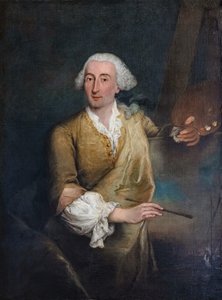
フランチェスコ・ラッツァーロ・グアルディ
1712 - 1793 , イタリア
基本情報
- Artistic Movement Or Style: ヴェドゥータ派、ヴェネツィア派
- Artists Or Movements Influenced By This Artist: ['フランス印象派']
- Artists Who Influenced This Artist: ['カナルエット']
- Date Of Birth: 1712年10月5日
- Date Of Death: 1793年1月1日
- Full Name: フランチェスコ・ラッザロ・グアルディ
- Nationality: イタリア人
- Notable Artworks:
- 運河の風景
- サン・ジョルジョ・マッジョーレ
- ドージェの饗宴
- Place Of Birth (City And Country): イタリア、ヴェネツィア
関連記事
Francesco Guardi: Venetian Light, Atmospheric Perspective & the Rococo to Neoclassical Transition
Explore the captivating world of Francesco Guardi, master of Venetian light and atmosphere. Discover his transition from Rococo to Neoclassicism, influence on Impressionism & investment potential with ArtsDot.

バロック美術を極めた至宝:時代を彩る10大名作の世界
バロック美術の華!カラヴァッジョ、ベルニーニら巨匠が創り上げた10大名作を徹底解剖。ドラマチックな色彩と豪華絢爛の世界観に触れ、至宝のアートプリントで空間を彩ろう。ArtsDot.comで美術館品質の複製と洗練されたインテリアを見つけましょう!
From Initial Sketch to Enduring Legacy: A Comprehensive Exploration of the Oil Painting Reproduction Process
Discover the art of museum-quality oil painting reproduction. Explore our expert process, skilled artists & authentic replicas. Elevate your home with timeless beauty – handcrafted and customized to your vision.
写真プリントによるカスタムデジタル絵画:オリジナル作品の情感と耐久性を超える表現力
オリジナル作品の情感を損なわずに、高解像度で耐久性に優れたカスタムデジタル絵画を制作します。プロのアーティストによる手作業仕上げ。ArtsDot.comで、特別なアート体験を。
油彩、キャンバス、紙による芸術的再現:技法と鑑賞の深淵を探る
油彩、キャンバス、紙を用いた芸術的再現の技法を深く探求。古典絵画の材料研究からオールドマスターの視点まで、ArtsDotが美術史と実践的な知識を提供します。高品質な手描き複製やカスタムポートレートも承ります。

