 プレビュー
プレビュー
 プリントを購入
 シェアする
シェアする シェアする
シェアする
 詳細を見る
詳細を見る

 ダウンロード
 似ている作品
 X線調査
X線調査 スライドショー
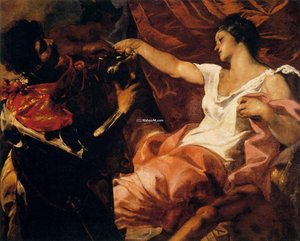
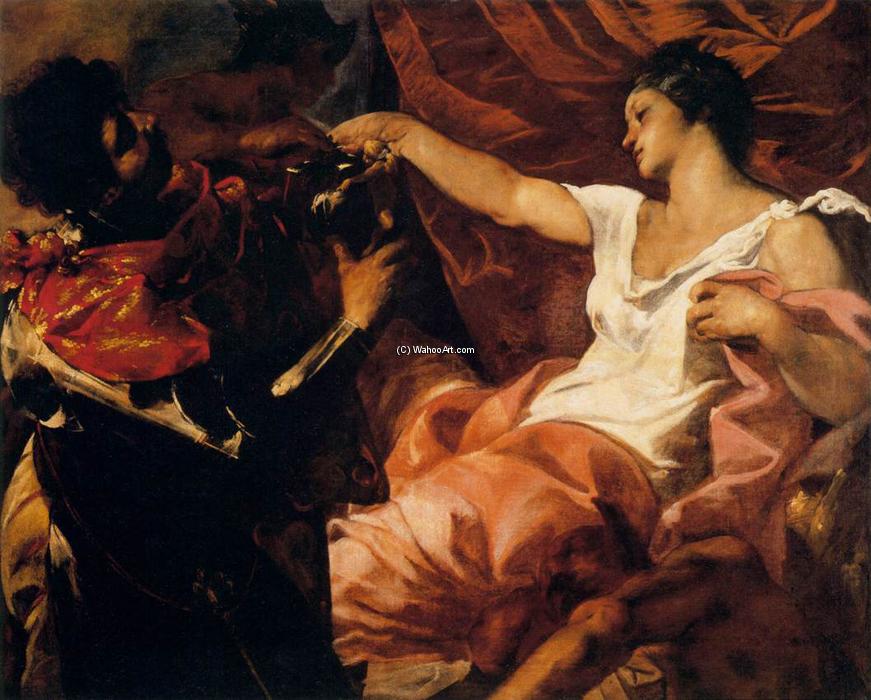
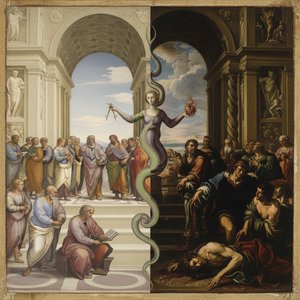
ミフォイの神話的な場面
 キャンバスにアクリル絵具
- ウォールアート
- Baroque Mannerism
 1650
1650 130.0 x 161.0 cm
 Gallerie dell’Accademia
 詳細を見る
詳細を見る




P118B $10

P118H $10

P118W $10

P438Z $10

P508JH $12

P508YH $12

P805H $10

P805Z $10

P919BZ $10

P919G $10

P919XJ $10

P959ZH $10

P968JZ $12

W106C $8

W218G $10

W218JH $8

W218Y $10

W307PJ $10

W316G $10

W316PJ $8

W316Y $10

W398PJ $8

W4111J $10

W500HY $15

W500JH $15

W692G $12

W849H $8

W940BG $15

W953PJ $8




作品のオリジナル比率に合わせた、当店の規定サイズからお選びください。

特定のフレームやスペースに合わせて、ご希望のサイズをご入力いただけます。選択されたサイズが元の画像の比率と異なる場合、アートワークをトリミングするか、手描きで要素を追加して絵画を拡張いたします。デジタルモックアップ を制作し、制作開始前にご確認(承認)をいただきます。
画面上のプレビューは、実際のトリミングや拡張を正確に反映しているものではありません。最終的な構図は、モックアップによってのみ正確にご確認いただけます。
カスタムサイズもご利用いただけますが、元の比率を維持するためには、あらかじめ用意されたリストからサイズを選択することをお勧めいたします。
ご注文後、ArtsDot.com チームより詳細な指示をお送りするとともに、仕上がりイメージ(モックアップ)をご提供いたします。


 ガラスオプションは、110cm未満のサイズでのみご利用いただけます。

ミフォイの神話的な場面
複製技法
複製画のサイズ
-


合計金額
$ 263
作品解説
フランチェスコ・マッフェイのミトス的な風景:静謐さと情熱の織りなすイタリアバロック絵画の世界
この作品は、イタリアバロクスの傑作画家フランチェスコ・マッフェイが描いたミトス的な風景です。ベッドに横たわる女性と彼女を見守る男性二人の姿が印象的で、左側の男性はリングを握りしめ、右側の男性は近く立ちしています。女性は彼らの会話や遊び心のあるやり取りを楽しんでいるように見えます。赤いカーテンが部屋を飾り付け、優雅さと温かさを添えています。ベッドには二冊の本があり、人物たちが読書や文学について話し合っていることを示唆しています。全体的に見てこの絵画は、人々との親密さと繋がりを感じさせます。 バロック美術におけるマッフェイの作品は、その繊細な筆致と神経質な表現が特徴です。彼はピーター・エアツェンの工房で初期の訓練を受け、フランドルの伝統的な芸術に触れました。この経験は彼の構図に対する理解を深め、そして絵画技法を洗練させました。特に彼の作品における赤いカーテンの使用は、当時のバロック美術において一般的な手法であり、豪華さと情熱を象徴しています。これは単なる美しい色彩の組み合わせではありません。むしろ、宗教的な物語や神話的な場面を描いたマッフェイの絵画に共通する要素です。彼はイタリアで活躍し、特にメディチ家の宮廷でその才能を発揮しました。彼の作品は当時のヨーロッパ社会において大きな影響を与え、芸術家としての地位を確立しました。 このミトス的な風景は、愛と信仰というテーマを表現しています。女性の優美さと男性たちの力強さが対比されながらも、互いに惹かれ合う関係が描かれています。リングは結婚や誓いの象徴であり、男性たちの間で愛情と絆を表しています。本の存在は知性と哲学への関心を反映しており、絵画全体に深い意味を与えています。マッフェイの作品は見る人に感動とインスピレーションを与える力を持っています。彼の絵画は単なる美術品ではなく、歴史的な背景と文化的価値を持つ芸術遺産です。このミトス的な風景を鑑賞する際には、当時のバロクスの精神と美意識を理解することが重要となります。それはイタリア文化における宗教的熱情と芸術への献身の象徴であり、今なお多くの人々を魅了しています。- 技法:油絵
- サイズ:130 x 161 cm
- 制作年代:1650年頃
関連作品

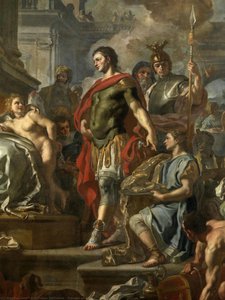
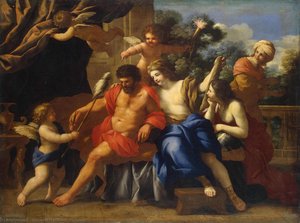
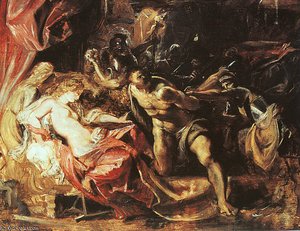
アーティストの略歴
Johannes Stradanus: A Florentine Master of the Sixteenth Century
Born in Bruges around 1523 and passing away in Florence in 1605, Johannes Stradanus – also known as Jan van der Straet or Giovanni Stradano – stands as a pivotal figure bridging the artistic currents of the Northern Renaissance with the burgeoning dynamism of Italian Mannerism. His life was one of constant movement, a testament to his ambition and intellectual curiosity, ultimately establishing him as a remarkably versatile artist active across Flanders, Italy, and beyond. Stradanus wasn’t merely a painter; he was a designer, printmaker, tapestry weaver, and even a decorator for the Medici court – a true polymath whose influence resonated throughout Europe.
Stradanus's early training occurred within the workshop of his father, a Flemish painter, followed by studies with Pieter Aertsen in Antwerp. This exposure to the established artistic traditions of Flanders instilled in him a solid foundation in composition and technique. However, it was his relocation to Florence that truly ignited his creative spirit and propelled him towards a distinctly Mannerist style. The vibrant atmosphere of the Florentine art scene, coupled with his encounters with leading artists like Rosso Fiorentino and Pontormo, profoundly shaped his artistic vision. He embraced the Italian penchant for elongated figures, complex spatial arrangements, and an emphasis on emotional expression – characteristics that distinguished him from the more restrained Northern Renaissance aesthetic.
A Court Artist and Designer of Grandeur
Stradanus quickly established himself as a sought-after artist within the Florentine court. His talent was recognized by the Medici family, who commissioned him for numerous projects, including elaborate altarpieces for prominent churches like Santa Felicita and San Lorenzo. These monumental works showcased his mastery of fresco painting, employing intricate designs and dramatic narratives to convey religious themes. Beyond painting, Stradanus’s skills extended to tapestry design – a highly valued profession at the time – creating opulent fabrics adorned with mythological scenes and allegorical representations for the Medici palace. His ability to seamlessly blend these diverse artistic disciplines cemented his position as a leading figure in Florentine courtly culture.
His influence wasn't limited to Florence; Stradanus traveled extensively, working on commissions throughout Italy, including Rome and Naples. He became involved with the Accademia e Compagnia delle Arti del Disegno, one of the earliest artistic academies established in Florence, reflecting his commitment to professionalizing art practice. He also played a crucial role in the development of printmaking, collaborating with engravers and publishers to disseminate his designs across Europe. His innovative approach to combining engraving and etching on a single plate became increasingly popular, contributing significantly to the spread of Mannerist imagery.
Style and Technique: A Synthesis of Influences
Stradanus’s artistic style is characterized by a sophisticated synthesis of Northern and Italian influences. He retained elements of Flemish realism – particularly in his rendering of figures and details – while embracing the dynamism, elegance, and psychological depth associated with Mannerism. His compositions are often complex and layered, featuring elongated figures, dramatic gestures, and intricate decorative patterns. He skillfully employed color to create a sense of atmosphere and emotional intensity, utilizing subtle gradations and contrasting hues to heighten visual impact.
His printmaking was equally innovative. Stradanus’s engravings were renowned for their precision, detail, and expressive quality. He demonstrated a remarkable ability to capture the nuances of human emotion and movement in his prints, often drawing inspiration from classical mythology and religious subjects. He wasn't simply reproducing existing images; he was actively shaping artistic trends through his designs.
Legacy and Historical Significance
Johannes Stradanus’s legacy extends far beyond his individual works. He served as a crucial bridge between the Northern and Southern Renaissance, facilitating the exchange of ideas and techniques across Europe. His versatility as an artist – encompassing painting, tapestry design, printmaking, and decorative arts – exemplifies the interconnectedness of artistic practices during the 16th century. Stradanus’s contributions to the development of Mannerism and printmaking are particularly noteworthy, shaping the course of European art history. He remains a testament to the dynamism and intellectual curiosity that defined the era, leaving behind a rich body of work that continues to captivate viewers today.
francesco maffei
1605 - 1660 , Italy
基本情報
- Artistic Movement Or Style: Renaissance, Baroque
- Artists Or Movements Influenced By This Artist: ['Romanists']
- Artists Who Influenced This Artist: ['Pieter Aertsen']
- Date Of Birth: 1523
- Date Of Death: 1605
- Full Name: Johannes Stradanus
- Nationality: Flemish
- Notable Artworks:
- Landscape with fishermen
- Portrait of Cardinal Agucchi
- A Virgin with a Unicorn
- Place Of Birth: Bruges, Flanders
関連記事
Mannerism: Bridging Renaissance Harmony & Baroque Drama – A Study of Style & Affectation
Explore the fascinating world of Mannerism! Discover its key characteristics, pioneering artists like Pontormo & Bronzino, and its pivotal role in bridging Renaissance harmony to Baroque drama. A comprehensive guide for art enthusiasts.

バロックのドラマ:現代のインテリアに壮麗さと情感を取り込む
バロック様式の歴史、絵画、家具の魅力をご紹介。ArtsDotでは、高品質な油絵複製やカスタムポートレートをご提供し、現代のインテリアに壮麗さと情感を取り入れます。アートコンサルテーションも承ります。

Crimson Threads of Narrative: Exploring Symbolism & Representation in Artworks Featuring the Red Dress
Explore the rich symbolism of the red dress in art history! From ancient power displays to iconic portraits like Cézanne’s 'Madame Cezanne', discover the cultural and artistic significance behind this captivating color. Expert analysis & insights.
The Dramatic Dialogue: Baroque Mannerism & the Synthesis of Emotion, Form, and Artistic Rebellion
Explore the dramatic world of Baroque Mannerism! Discover its history, iconic artists like Rubens & El Greco, and lasting influence on art. Expert insights for collectors & enthusiasts at ArtsDot.

バロック美術を極めた至宝:時代を彩る10大名作の世界
バロック美術の華!カラヴァッジョ、ベルニーニら巨匠が創り上げた10大名作を徹底解剖。ドラマチックな色彩と豪華絢爛の世界観に触れ、至宝のアートプリントで空間を彩ろう。ArtsDot.comで美術館品質の複製と洗練されたインテリアを見つけましょう!