

 シェアする
シェアする シェアする
シェアする
 詳細を見る
詳細を見る

 ダウンロード
 似ている作品
 スライドショー
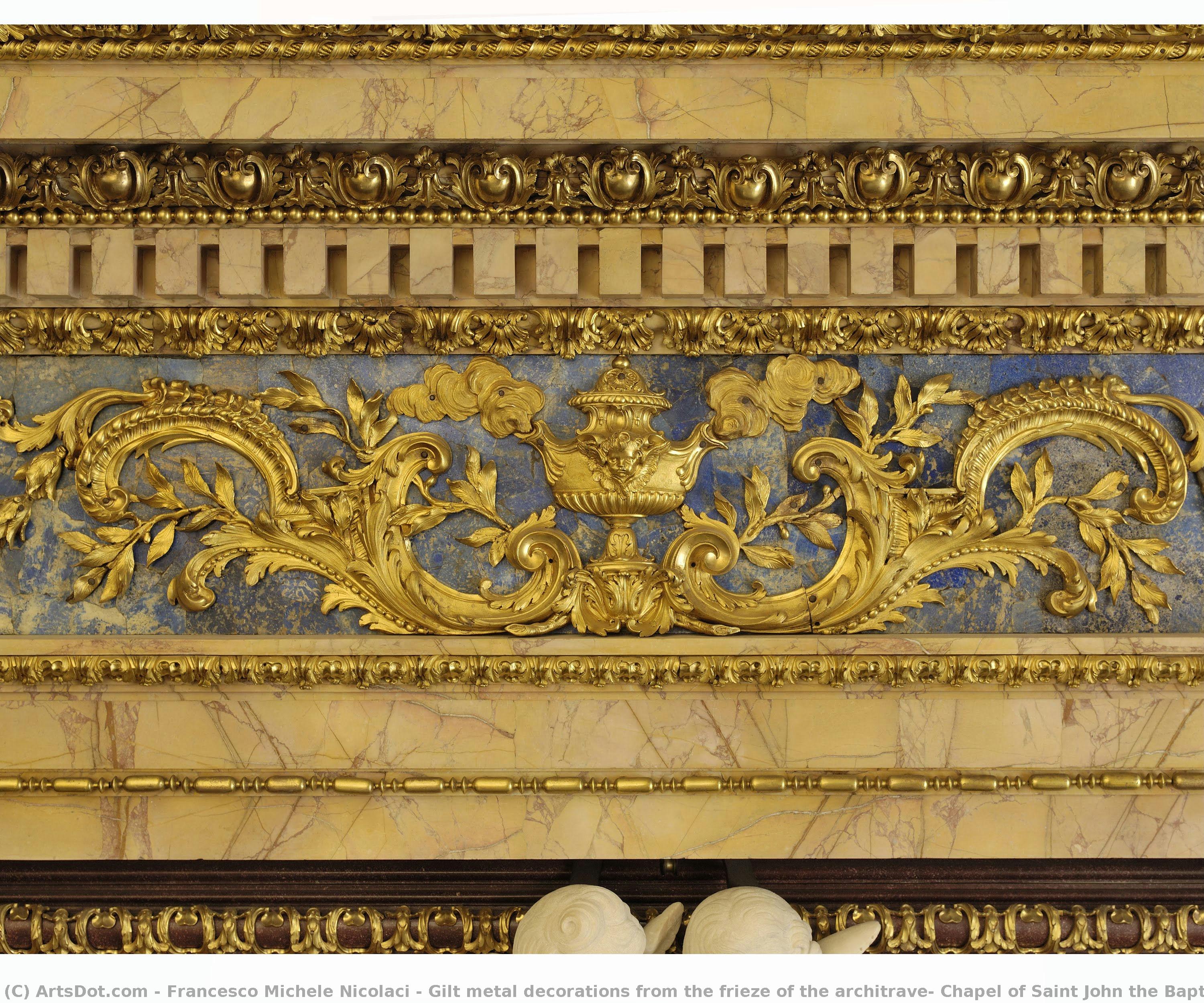
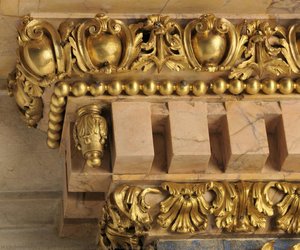
Gilt metal decorations from the frieze of the architrave, Chapel of Saint John the Baptist


 詳細を見る
詳細を見る
ジークレー/アートプリント
迅速な制作と多彩な仕上げオプションを備えた、ミュージアムクオリティのジークレーまたはキャンバスプリント。 ( 手描きの絵画を購入 画像を購入)




































作品のオリジナル比率に合わせた、当店の規定サイズからお選びください。

特定のフレームやスペースに合わせて、ご自身でサイズを指定することも可能です。選択されたサイズが元の画像の比率と一致しない場合、作品をトリミングするか、鏡面反射または単色での塗りつぶしによって画像を拡張いたします。制作を開始する前に、ご確認用のデジタルモックアップをお送りいたします。
画面上のプレビューには、実際のトリミングや拡張は反映されませんのでご注意ください。最終的な構図を正確に確認できるのは、モックアップのみとなります。
カスタムサイズも承っておりますが、元の比率を維持するためには、あらかじめ用意されたリストからサイズを選択することをお勧めいたします。


 ガラスオプションは、110cm未満のサイズでのみご利用いただけます。

Gilt metal decorations from the frieze of the architrave, Chapel of Saint John the Baptist
ジークレー/アートプリント
複製画のサイズ
-


合計金額
$ 62
A Golden Radiance: The Divine Craftsmanship of Francesco Michele Nicolaci
In the hallowed stillness of the Chapel of Saint John the Baptist, there exists a moment of pure, shimmering transcendence captured in the Gilt metal decorations from the frieze of the architectural architrave. Created in 1750, this exquisite work by the Italian master Francesco Michele Nicolaci serves as a breathtaking testament to the heights of Baroque decorative splendor. To gaze upon these gilded details is to step back into an era where art was not merely seen, but felt—a time when every curve of metal and every flicker of light was designed to evoke the presence of the divine. The close-up view of this frieze reveals a meticulous dance of gold, where intricate patterns emerge from the shadows, creating a rhythmic movement that guides the eye along the architectural boundaries of the sacred space.
The technique employed in these decorations speaks to a profound mastery of material and light. Nicolaci, trained under the legendary influences of Giovanni Angelo Canini and Nicolas Poussin, brought a disciplined precision to his decorative endeavors. While his larger canvases often focused on dramatic lighting and intense human emotion, this architectural work demonstrates his ability to translate that same intensity into the language of ornament. The use of gilt metal allows for a play of specular highlights that change with the viewer's movement, ensuring that the artwork is never static. For the discerning collector or interior designer, such a piece offers more than mere decoration; it provides a focal point of unparalleled luxury, capable of anchoring a room with its historical weight and luminous texture.
Beyond its physical beauty, the symbolism embedded within these gilded flourishes reflects the spiritual aspirations of the mid-18th century. The intricate designs, likely representing celestial or architectural motifs, act as a bridge between the earthly realm of the chapel's structure and the heavenly glory it seeks to honor. There is an inherent sense of order and eternal beauty in the repetition of these patterns, suggesting a universe governed by divine harmony. This piece does not simply decorate a wall; it sanctifies the space it inhabits.
For those seeking to integrate classical grandeur into contemporary environments, a high-quality reproduction of this frieze offers an unparalleled opportunity. Whether placed within a sophisticated gallery setting or used as a statement element in a curated interior, the essence of Nicolaci’s craftsmanship remains intact. The warmth of the gold and the complexity of the relief work provide a sense of timelessness, making it an ideal choice for those who appreciate art that tells a story of devotion, history, and the enduring power of human skill.
関連作品



アーティストの略歴
early life and training
francesco michele nicolaci, an italian painter from genoa, was born in rome in 1638. he passed away in 1687, leaving behind a legacy of breathtaking artworks. nicolaci's artistic journey began with his studies under the guidance of giovanni angelo canini and the renowned nicolas poussin.notable works and style
nicolaci's notable works include:- the glory of the eternal father at santa caterina a magnanapoli, showcasing his mastery of baroque techniques.
- moses at the pantheon, both in rome, demonstrating his ability to capture dramatic scenes with precision and emotion.
influence and legacy
nicolaci's influence can be seen in the works of gregorio lazzarini, who trained under him. this apprenticeship not only ensured the continuation of nicolaci's artistic legacy but also paved the way for future generations of italian painters.explore more on ArtsDot.com
* view francesco michele nicolaci's artworks * discover la collezione bonello (malta), featuring works by various artists, including those influenced by the italian baroque period.references:
* wikipedia.org: francesco michele nicolaci * ArtsDot.com: francesco michele nicolaci's artworks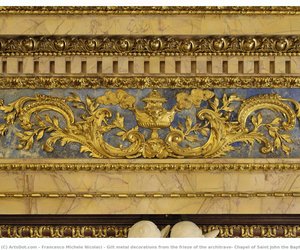
francesco michele nicolaci
1638 - 1687 , Italy
基本情報
- Artistic Movement Or Style: Baroque
- Artists Or Movements Influenced By This Artist: Gregorio Lazarinni
- Artists Who Influenced This Artist: Giovanni Angelo Canini
- Date Of Birth: Rome, Italy (1638)
- Date Of Death: 1687
- Full Name: Francesco Michele Nicolaci
- Nationality: Italian
- Notable Artworks:
- The Glory of the Eternal Father at Santa Caterina a Magnanapoli
- Moses at the Pantheon
- Place Of Birth: Rome
関連記事
Golden Glow: How to Use Metallic Gold Artworks to Elevate Your Home Decor with Timeless Luxury
Discover how to elevate your home with the timeless elegance of metallic gold artworks. From sculptural metal pieces to gilded oil paintings, learn expert interior design tips for integrating luxurious gold accents into your space with sophistication and grace.
グスタフ・クリムト傑作25選:華麗なる装飾性と象徴が織りなす世界 | ArtsDot
グスタフ・クリムトの傑作25選。華麗なる装飾性と象徴が織りなす世界を紐解きます。キス、ポートレートなど、美術史に残る名画の物語と技法をArtsDotで。高品質複製画やインテリアアートも豊富に。今すぐコレクションをご覧ください。
The Allure of Gold in Art History: Symbolism, Technique & Cultural Significance
Explore the rich history of gold in art! Discover symbolism, techniques & cultural significance from ancient civilizations to Klimt's masterpieces. Expert insights for collectors at ArtsDot.

バロックのドラマ:現代のインテリアに壮麗さと情感を取り込む
バロック様式の歴史、絵画、家具の魅力をご紹介。ArtsDotでは、高品質な油絵複製やカスタムポートレートをご提供し、現代のインテリアに壮麗さと情感を取り入れます。アートコンサルテーションも承ります。

The Dramatic Flourish: Exploring the Baroque Movement's Enduring Legacy in Art History
Explore the dramatic world of Baroque art! Discover iconic artists like Caravaggio & Rubens, defining techniques, and its lasting impact on art history. Expert insights for collectors & enthusiasts at ArtsDot.

