

 プレビュー
プレビュー
 プリントを購入
 シェアする
シェアする シェアする
シェアする
 詳細を見る
詳細を見る

 ダウンロード
 似ている作品
 X線調査
X線調査 スライドショー
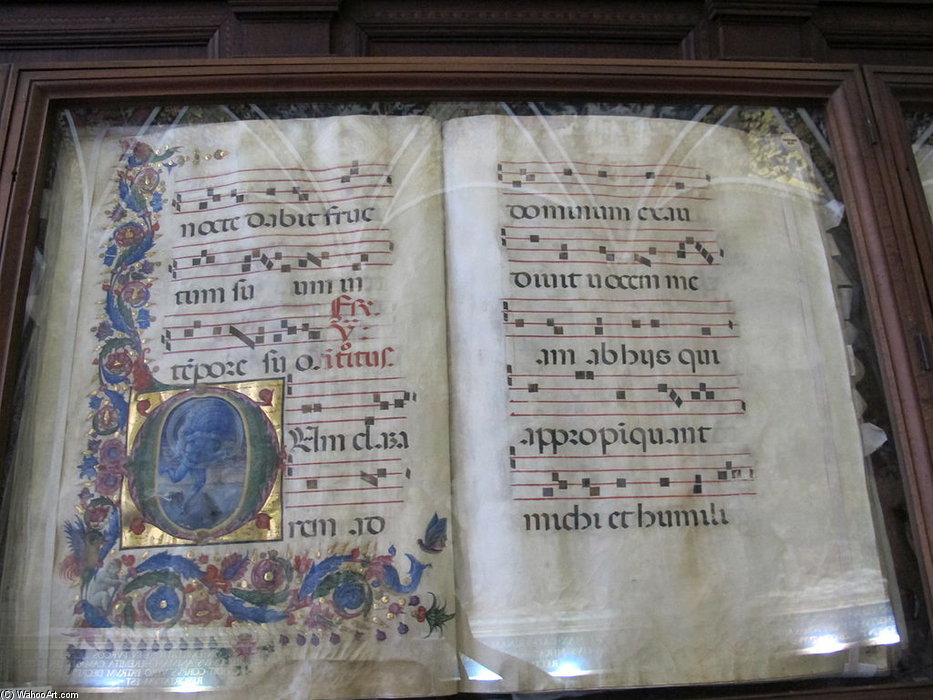
Liberale Da Verona E Francesco Rosselli, Graduale

 詳細を見る
詳細を見る
オンラインプレビューをはるかに凌ぐ、高解像度で鮮明なデジタル画像をご購入いただけます。
各ファイルは、社内の専門家が高度なツールと熟練した手作業によるレタッチを用いて、細心の注意を払って準備されています。すべての画像において、卓越した鮮明度、正確な色彩再現性、そして繊細なディテールを保証いたします。
最終ファイルは、プロフェッショナルな編集・印刷環境ですぐにご利用いただけるよう最適化された状態で、72時間以内にメールにてお届けいたします。これは、一流のデザインスタジオ、出版社、ギャラリーから信頼されているものと同等の品質です。
デジタル画像のご注文に付随する特典
高品質なデジタル画像配信を、確かな品質で。
ArtsDot.com を選ぶことは、単に画像を手に入れることではありません。それは、プロの手によって精密に仕上げられ、満足保証が付いた高品質なデジタルアートワークを受け取ることを意味します。ご注文いただいた際に自動的に付随する内容は、以下の通りです:

メールですぐにお届け
ご注文から72時間以内に、高解像度のデジタル画像ファイルがメールでお手元に届きます。すぐにそのままご利用いただけます。

AI技術で最適化されたデジタルファイル
お客様の作品は、高度なAIツールと専門家による手作業の編集を組み合わせてプロフェッショナルに最適化されており、細部のディテール、鮮明さ、そして正確な色再現性を最大限に引き出しています。

一生涯無料の再送サービス
ファイルを誤って削除したり、紛失してしまったりしましたか?ご安心ください。いつでも無料で再送いたします。

輸入手数料は一切かかりません
関税や手数料、配送料を気にすることなく、お気に入りのアートワークをすぐにお楽しみいただけます。デジタルダウンロードは常に免税です。

色彩再現の保証
プロ仕様のツールとカラーマネジメント技術を用いることで、デジタル画像が元の色を最大限に忠実に再現することを保証いたします。

60日間満足保証
ご購入いただいたデジタル画像にご満足いただけない場合は、60日以内であれば、修正または100%の返金(理由を問う必要はありません)をさせていただきます。

100% 返金保証
ご満足いただけない場合は、デジタルファイルを受け取ってから60日以内であれば、理由を問わず全額返金いたします。

まとめ買い割引
3枚購入で10%OFF - 5枚購入で15%OFF - 10枚以上購入で20%OFF。クリエイティブなプロジェクト、ギャラリー、エージェンシーに最適です。
関連作品
作家の略歴
Alessandro di Mariano Filipepi: A Renaissance Visionary
Sandro Botticelli, a name synonymous with the ethereal beauty and delicate grace of the Italian Renaissance, was more than just a painter; he was a conduit for myth, allegory, and human emotion. Born Alessandro di Mariano di Vanni Filipepi around 1445 in the bustling heart of Florence, his early life hinted at both artistic promise and restless energy. His father, a tanner, provided a practical upbringing, but young Alessandro’s sharp intellect and unconventional spirit quickly led him away from traditional apprenticeships. Instead, he began with goldsmithing, a craft that honed his eye for detail and appreciation of decorative forms – skills that would profoundly influence his later artistic style. It was through the tutelage of Fra Filippo Lippi, a master known for his lyrical grace and innovative techniques, that Botticelli’s true artistic journey commenced. Lippi's emphasis on flowing lines and expressive figures laid the foundation for Botticelli’s distinctive approach, though he ultimately surpassed his teacher in both innovation and emotional depth. Botticelli’s early years were marked by a restless spirit; he was known for his wit, his love of practical jokes, and a tendency to disrupt established routines – qualities that perhaps fueled his creative fire but also led him away from formal schooling. This unconventional background, combined with his innate talent, shaped a unique artistic voice that would captivate generations.Early Works and Florentine Patronage
Botticelli’s early career unfolded within the vibrant artistic landscape of Florence, a city brimming with wealth, ambition, and artistic patronage. He began his professional life as a workshop assistant, diligently executing commissions for various clients – altarpieces, frescoes, and decorative panels. His apprenticeship under Lippi provided invaluable experience in fresco painting, a demanding technique requiring meticulous planning and execution. However, it was through his association with the influential Medici family that Botticelli truly ascended to prominence. The Medicis, renowned patrons of the arts, recognized Botticelli’s exceptional talent and commissioned him for numerous projects, including elaborate decorations for their palaces and villas. These commissions provided him with financial stability and access to a wider range of subjects – from religious scenes depicting the lives of saints and biblical figures to secular works exploring themes of love, beauty, and mythology. Notable early works include several depictions of the *Madonna and Child*, characterized by their serene grace and delicate rendering of human form. The *Adoration of the Magi* (1475), a monumental fresco in the Church of Santa Maria Novella, showcases Botticelli’s burgeoning skill in composition and his ability to imbue religious subjects with a sense of narrative drama.The Mythological Revolution
Around 1480, Botticelli embarked on a revolutionary shift in his artistic focus – a deliberate embrace of classical mythology. This marked a pivotal moment in his career and profoundly impacted the course of Renaissance art. His most celebrated mythological paintings, *The Birth of Venus* (c. 1482-85) and *Primavera* (c. 1478-80), are not merely decorative illustrations but complex allegorical statements brimming with symbolic meaning. *The Birth of Venus*, depicting the goddess Venus emerging from a seashell, is an iconic image of beauty and sensuality, while *Primavera* celebrates the arrival of spring with a procession of mythological figures – including Venus, Flora (goddess of flowers), Zephyrus (the west wind), and Mercury (messenger god). These works were commissioned by Lorenzo de' Medici, known as “Lorenzo the Magnificent,” who was captivated by Botticelli’s ability to fuse classical mythology with Renaissance ideals. The meticulous detail, vibrant colors, and graceful figures in these paintings demonstrate Botticelli’s mastery of technique and his profound understanding of humanist philosophy – a burgeoning intellectual movement that emphasized human potential and celebrated classical learning.The Later Years: Spirituality and Legacy
As the political landscape of Florence shifted dramatically during the 1490s, marked by the rise of Savonarola's fiery sermons and the expulsion of the Medici family, Botticelli’s artistic style underwent a subtle but significant transformation. His later works, such as *The Mystic Nativity* (1501), reflect a newfound intensity and spiritual depth, characterized by somber colors, dramatic lighting, and a heightened sense of emotional urgency. Some scholars interpret these paintings as expressions of Botticelli’s own anxieties about the turbulent times or as responses to Savonarola's call for repentance and religious reform. Despite this shift, Botticelli continued to produce works in both secular and religious genres throughout his life, demonstrating remarkable versatility and a sustained commitment to his craft. He spent time in Pisa (1474) and Rome (1481-82), working on commissions for the Papal court – experiences that broadened his artistic horizons and exposed him to new influences. Botticelli died in Florence in 1510, leaving behind a legacy of unparalleled beauty and enduring influence. His paintings, particularly *The Birth of Venus* and *Primavera*, have become synonymous with the Renaissance itself, captivating audiences for centuries with their ethereal grace, symbolic richness, and profound exploration of human experience.Botticelli’s Enduring Influence
Sandro Botticelli's impact on art history is immeasurable. His innovative use of line, his graceful figures, and his ability to infuse mythological subjects with emotional depth profoundly influenced generations of artists. The Pre-Raphaelites, a late 19th-century artistic movement that sought to revive the ideals of Renaissance painting, rediscovered Botticelli’s work and championed its beauty and expressive power. His paintings continue to inspire awe and admiration, serving as enduring symbols of the Italian Renaissance and testament to the genius of one of history's most beloved artists. His legacy extends beyond his individual works; he helped establish a new standard for artistic expression, demonstrating that art could be both beautiful and intellectually stimulating – a principle that remains central to our understanding of the Renaissance today.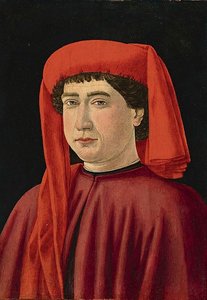
francesco rosselli
1445 - 1510 , Italy
プロフィール概要
- Artistic Movement Or Style: Early Renaissance
- Artists Or Movements Influenced By This Artist: ['Pre-Raphaelites']
- Artists Who Influenced This Artist: ['Filippo Lippi']
- Date Of Birth: c. 1445
- Date Of Death: 1510
- Full Name: Alessandro di Mariano Filipepi
- Nationality: Italian
- Notable Artworks:
- Primavera
- The Birth of Venus
- Adoration of the Magi
- Place Of Birth: Florence, Italy

