

 プレビュー
プレビュー
 プリントを購入
 シェアする
シェアする シェアする
シェアする
 詳細を見る
詳細を見る

 ダウンロード
 似ている作品
 X線調査
X線調査 スライドショー
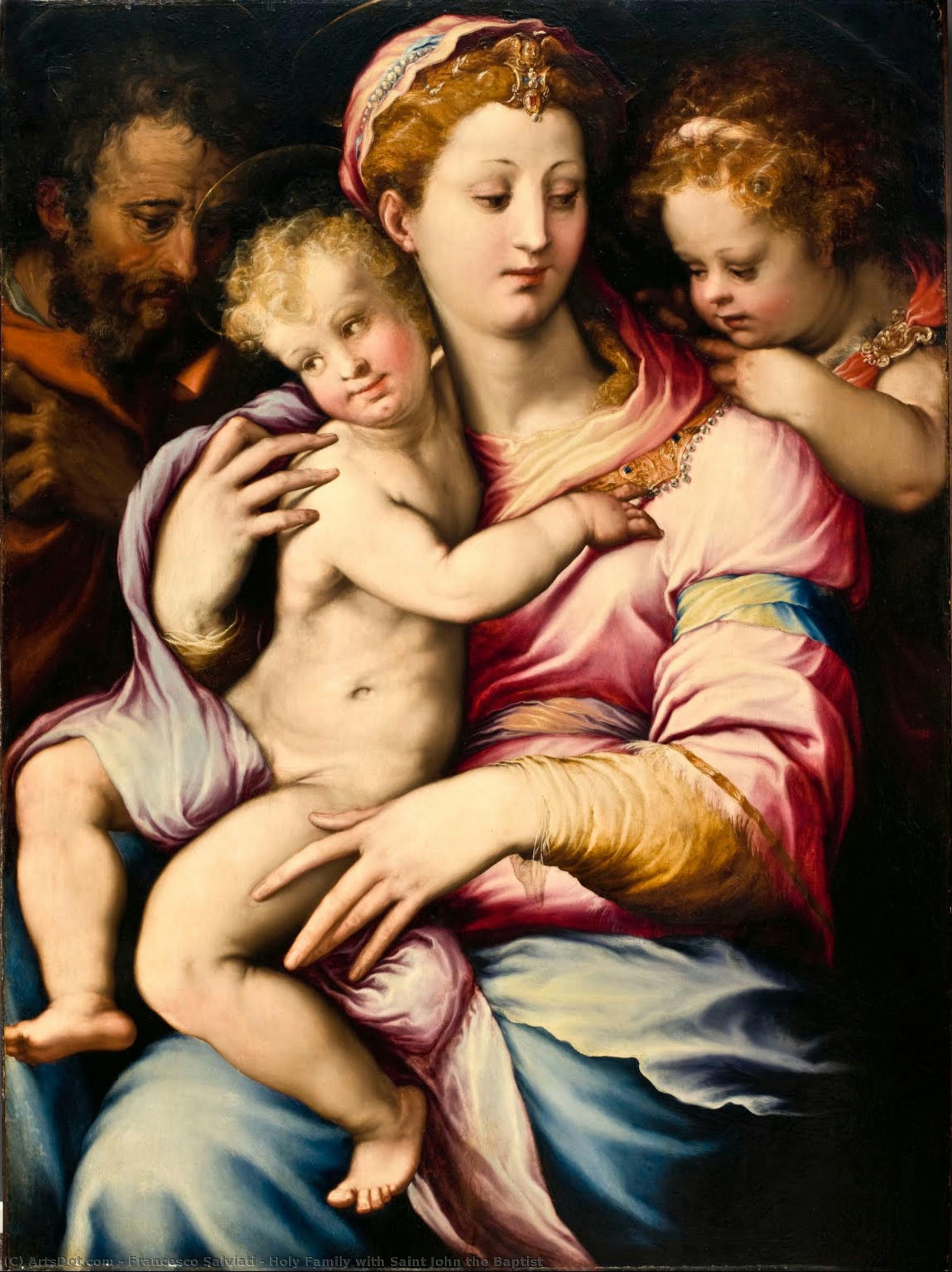
Holy Family with Saint John the Baptist
 1540
1540 980.0 x 1300.0 cm
 Toledo Museum of Art
 詳細を見る
詳細を見る
オンラインプレビューをはるかに凌ぐ、高解像度で鮮明なデジタル画像をご購入いただけます。
各ファイルは、社内の専門家が高度なツールと熟練した手作業によるレタッチを用いて、細心の注意を払って準備されています。すべての画像において、卓越した鮮明度、正確な色彩再現性、そして繊細なディテールを保証いたします。
最終ファイルは、プロフェッショナルな編集・印刷環境ですぐにご利用いただけるよう最適化された状態で、72時間以内にメールにてお届けいたします。これは、一流のデザインスタジオ、出版社、ギャラリーから信頼されているものと同等の品質です。
デジタル画像のご注文に付随する特典
高品質なデジタル画像配信を、確かな品質で。
ArtsDot.com を選ぶことは、単に画像を手に入れることではありません。それは、プロの手によって精密に仕上げられ、満足保証が付いた高品質なデジタルアートワークを受け取ることを意味します。ご注文いただいた際に自動的に付随する内容は、以下の通りです:

メールですぐにお届け
ご注文から72時間以内に、高解像度のデジタル画像ファイルがメールでお手元に届きます。すぐにそのままご利用いただけます。

AI技術で最適化されたデジタルファイル
お客様の作品は、高度なAIツールと専門家による手作業の編集を組み合わせてプロフェッショナルに最適化されており、細部のディテール、鮮明さ、そして正確な色再現性を最大限に引き出しています。

一生涯無料の再送サービス
ファイルを誤って削除したり、紛失してしまったりしましたか?ご安心ください。いつでも無料で再送いたします。

輸入手数料は一切かかりません
関税や手数料、配送料を気にすることなく、お気に入りのアートワークをすぐにお楽しみいただけます。デジタルダウンロードは常に免税です。

色彩再現の保証
プロ仕様のツールとカラーマネジメント技術を用いることで、デジタル画像が元の色を最大限に忠実に再現することを保証いたします。

60日間満足保証
ご購入いただいたデジタル画像にご満足いただけない場合は、60日以内であれば、修正または100%の返金(理由を問う必要はありません)をさせていただきます。

100% 返金保証
ご満足いただけない場合は、デジタルファイルを受け取ってから60日以内であれば、理由を問わず全額返金いたします。

まとめ買い割引
3枚購入で10%OFF - 5枚購入で15%OFF - 10枚以上購入で20%OFF。クリエイティブなプロジェクト、ギャラリー、エージェンシーに最適です。
関連作品








作家の略歴
Francesco Salviati: Weaver of Dreams and Shadows in Renaissance Florence
Born in the heart of Florence around 1510, Francesco de’ Rossi – later known as Francesco Salviati or, more simply, Il Salviati – emerged from a milieu steeped in artistic tradition. His early apprenticeship under masters like Giuliano Bugiardini, Baccio Bandinelli, and crucially, Andrea del Sarto, laid the foundation for a career that would ultimately define him as one of the most significant Mannerist painters of his era. Salviati’s life wasn't marked by grand courtly patronage initially; instead, he honed his skills in the bustling workshops of Florence, absorbing the techniques and stylistic nuances of the time before venturing into the wider artistic landscape.
His journey truly began with a move to Rome in 1531. This relocation proved pivotal, placing him within the orbit of Cardinal Giovanni Salviati, whose family palazzo became his primary commission. It was here that he adopted the surname “Salviati,” forever linking his artistic identity to this influential household. This early association with the Salviati family shaped much of his subsequent work – a blend of intricate detail, dramatic composition, and an almost theatrical quality—a hallmark of his distinctive style. The frescoes he created for the Palazzo Salviati, particularly the celebrated Visitation scene in the Oratory of San Giovanni Decollato, established him as a rising star within the Roman art world.
The Flourishing of Mannerism
Salviati’s artistic development is inextricably linked to the rise and spread of Mannerism. Rejecting the idealized forms and balanced compositions of the High Renaissance, Mannerist painters embraced distortion, exaggeration, and a heightened sense of drama. Salviati perfectly embodies these characteristics. His figures are often elongated, contorted into dynamic poses, and rendered with an almost unsettling intensity. He wasn’t simply depicting reality; he was exploring psychological states, emotions, and the very boundaries of perception.
His style evolved over time, influenced by a diverse range of artists. The early influence of Andrea del Sarto is evident in his meticulous attention to detail and mastery of oil painting techniques. However, as he matured, Salviati absorbed elements from other Mannerist masters like Giulio Romano – particularly the crowded scenes and theatrical lighting—and Parmigianino, incorporating a sense of elegance and refinement into his compositions. This synthesis created a uniquely personal style that combined technical skill with expressive power.
Major Works and Commissions
Salviati’s career was punctuated by a series of significant commissions that showcased his versatility and artistic ambition. The frescoes in the Palazzo Salviati, as mentioned earlier, remain among his most celebrated achievements. He also contributed to the decoration of San Francesco a Ripa with an Annunciation, demonstrating his ability to execute complex narratives within a limited space. His work for the Oratory of San Giovanni Decollato – particularly the Visitation—is a testament to his mastery of color and composition.
Perhaps his most ambitious undertaking was the grand fresco cycle in the Sala dell’Udienza (Audience Hall) of the Palazzo Vecchio in Florence, commissioned by Cosimo I de' Medici. This monumental work, depicting the Triumph of Camillus, is a dazzling display of Mannerist exuberance and a powerful statement of Medici power and prestige. Furthermore, he designed elaborate tapestry cartoons for the Medici’s Arazzeria, including iconic images like “Ecce Homo” (Behold! Man!) and “The Resurrection,” showcasing his skill in both painting and design.
A Venetian Interlude and a Return to Rome
Salviati's artistic journey wasn't confined solely to Florence and Rome. In 1540, he traveled to Bologna, where he collaborated with Giorgio Vasari on frescoes for the Palazzo Bonvicini. He also spent a brief period in Venice, contributing to the opulent decorations of the Palazzo Grimani di Santa Maria Formosa, adopting an antique style that reflected Venetian artistic sensibilities. This experience broadened his stylistic horizons and exposed him to new influences.
Returning to Florence in 1543, Salviati continued to work for the Medici court, culminating in the monumental Triumph of Camillus fresco. He spent his final years in Rome, where he died in 1563. His legacy is one of innovation, technical brilliance, and a profound understanding of the human condition—a testament to the enduring power of Mannerist art.
Salviati’s Enduring Significance
Francesco Salviati's influence on subsequent generations of Italian painters cannot be overstated. He served as a crucial link between the High Renaissance and the Baroque, bridging the gap between idealized beauty and expressive drama. His dynamic compositions, intricate details, and psychological depth continue to captivate viewers today. His work stands as a powerful reminder of Florence’s role as a center of artistic innovation during the 16th century—a period when artists dared to challenge conventions and explore new possibilities in the realm of visual representation.
francesco salviati
1510 - 1563
プロフィール概要
- Artistic Movement Or Style: Mannerism
- Artists Or Movements Influenced By This Artist:
- Vasari
- Bronzino
- Artists Who Influenced This Artist:
- Andrea del Sarto
- Giulio Romano
- Date Of Birth: 1510
- Date Of Death: 1563
- Full Name: Francesco de' Rossi / Salviati
- Nationality: Italian
- Notable Artworks:
- Visitation (San Giovanni Decollato)
- Triumph of Camillus
- Deposition Altarpiece
- Place Of Birth: Florence, Italy

