 プレビュー
プレビュー
 プリントを購入
 シェアする
シェアする シェアする
シェアする
 詳細を見る
詳細を見る

 ダウンロード
 似ている作品
 X線調査
X線調査 スライドショー
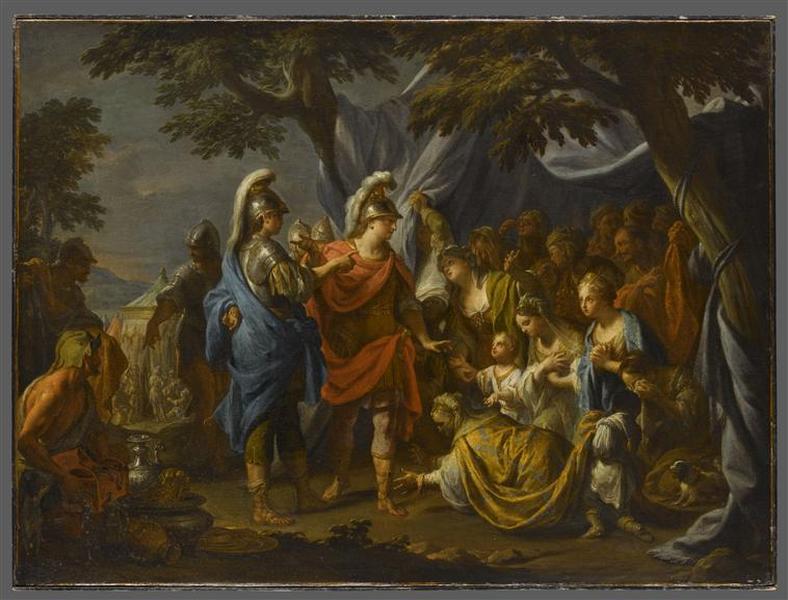
La famille de Darius aux pieds d'Alexandre


 詳細を見る
詳細を見る




P118B $10

P118H $10

P118W $10

P438Z $10

P508JH $12

P508YH $12

P805H $10

P805Z $10

P919BZ $10

P919G $10

P919XJ $10

P959ZH $10

P968JZ $12

W106C $8

W218G $10

W218JH $8

W218Y $10

W307PJ $10

W316G $10

W316PJ $8

W316Y $10

W398PJ $8

W4111J $10

W500HY $15

W500JH $15

W692G $12

W849H $8

W940BG $15

W953PJ $8




作品のオリジナル比率に合わせた、当店の規定サイズからお選びください。

特定のフレームやスペースに合わせて、ご希望のサイズをご入力いただけます。選択されたサイズが元の画像の比率と異なる場合、アートワークをトリミングするか、手描きで要素を追加して絵画を拡張いたします。デジタルモックアップ を制作し、制作開始前にご確認(承認)をいただきます。
画面上のプレビューは、実際のトリミングや拡張を正確に反映しているものではありません。最終的な構図は、モックアップによってのみ正確にご確認いただけます。
カスタムサイズもご利用いただけますが、元の比率を維持するためには、あらかじめ用意されたリストからサイズを選択することをお勧めいたします。
ご注文後、ArtsDot.com チームより詳細な指示をお送りするとともに、仕上がりイメージ(モックアップ)をご提供いたします。


 ガラスオプションは、110cm未満のサイズでのみご利用いただけます。

La famille de Darius aux pieds d'Alexandre
複製技法
複製画のサイズ
-


合計金額
$ 488
作品解説
Francesco Trevisani’s “La Famille de Darius aux Pieds d'Alexandre” – A Baroque Tableau of Power and Humility
“La Famille de Darius aux Pieds d’Alexandre,” painted circa 1737 by the Venetian artist Francesco Trevisani, is more than just a historical depiction; it’s a meticulously crafted tableau brimming with narrative tension, symbolic weight, and an exquisite mastery of Baroque technique. Housed within the esteemed collections of the Louvre Museum in Paris, this monumental work offers a captivating glimpse into a pivotal moment – the encounter between Alexander the Great and Darius III, King of Persia – while simultaneously exploring themes of power, submission, and familial bonds. Trevisani’s ability to distill such complex ideas into a single, visually arresting composition is a testament to his artistic skill and profound understanding of human psychology.
The scene unfolds with dramatic immediacy. Alexander, youthful and radiating authority, stands at the center, gesturing towards Darius, who kneels before him alongside his wife and children. The figures are arranged in a carefully orchestrated manner, creating a sense of dynamic equilibrium. Trevisani skillfully employs linear perspective to draw the viewer’s eye into the scene, with the receding background landscape and the diminishing scale of the figures reinforcing the narrative's progression. The composition isn’t merely static; it pulsates with an underlying current of interaction – the exchange between conqueror and conquered, a silent dialogue conveyed through posture and gesture.
Trevisani’s technical prowess is immediately apparent in the painting’s rich color palette and masterful use of light. The dominant tones are earthy browns, ochres, and muted greens, punctuated by flashes of crimson, blue, and gold – colors that evoke both the grandeur of imperial power and the solemnity of a historical event. He expertly utilizes chiaroscuro, employing strong contrasts between light and shadow to sculpt forms, define textures, and heighten the drama of the scene. Notice, for example, how the light catches the armor of Alexander and his companions, emphasizing their military strength, while casting subtle shadows on Darius’s face, suggesting a mixture of humility and apprehension. The artist's layering technique is also remarkable; visible brushstrokes contribute to the painting’s texture and depth, creating a sense of tangible reality.
A Symphony of Color and Texture: Trevisani’s Technique
Trevisani’s approach to color was deeply informed by his Venetian training, yet he skillfully adapted it to suit the demands of Roman Baroque painting. He employed a sophisticated range of pigments – from the vibrant red lake used for Alexander's garments to the delicate blues and greens that define the landscape – each carefully chosen to achieve maximum visual impact. The use of glazes, thin layers of translucent paint applied over dried underlayers, allowed him to build up color gradually, creating luminous effects and adding depth to the painting’s surface. The meticulous attention to detail is evident in the rendering of fabrics, armor, and facial features, showcasing Trevisani's remarkable ability to capture both the physical likeness and the psychological state of his subjects.
Furthermore, Trevisani’s understanding of texture was equally impressive. He skillfully simulated the rough surface of stone, the smooth sheen of metal, and the soft folds of clothing through a combination of brushwork and glazing techniques. The artist's use of impasto – applying paint thickly to create raised surfaces – is particularly noticeable in the rendering of drapery, adding a tactile quality to the scene. This attention to detail elevates the painting beyond mere representation, transforming it into a richly immersive experience for the viewer.
Symbolism and Narrative Depth: Unpacking the Scene
Beyond its historical subject matter, “La Famille de Darius aux Pieds d’Alexandre” is laden with symbolic meaning. The kneeling posture of Darius and his family represents submission to Alexander's power – a potent visual metaphor for conquest and domination. However, the painting doesn’t simply depict a scene of subjugation; it also subtly suggests a degree of respect and even admiration on the part of Alexander. His gesture, inviting Darius to approach, hints at a willingness to acknowledge the dignity of the defeated king and his family.
The presence of the children within the scene adds another layer of complexity. They represent the future – the potential for continuity and renewal in the wake of conquest. Their vulnerability underscores the human cost of war and highlights the importance of preserving familial bonds even amidst political upheaval. The painting, therefore, transcends a simple historical record; it becomes a meditation on power, humility, and the enduring values of family and legacy.
A Baroque Masterpiece for the Modern Eye
“La Famille de Darius aux Pieds d’Alexandre” remains a captivating work of art centuries after its creation. Trevisani's masterful composition, rich color palette, and nuanced understanding of human psychology continue to resonate with viewers today. Reproductions of this iconic painting offer an opportunity to appreciate the artistry of a true Baroque master and to contemplate the timeless themes that lie at the heart of this remarkable historical scene. Whether displayed in a grand salon or a smaller domestic space, this painting’s dramatic intensity and symbolic depth will undoubtedly captivate and inspire.
関連作品





アーティストの略歴
ニコラ・ド・ラルジエール:優美な肖像画の巨匠
1656年にパリで生まれ、同じ街で1746年という生涯を閉じたニコラ・ド・ラルジエールは、フランスの肖像画史において極めて重要な人物として輝いています。同時代の巨匠たち――リゴやルブランといった名声にしばしば影を潜めながらも、ラルジエールは独自の地位を築き上げました。彼は特に裕福な中流階級の人々の肖像画を専門とし、その品格、優雅さ、そして静謐な瞬間を見事に捉える類まれなる感性を持っていたのです。彼のキャリアは六十余年に及び、絶え間ない成功と驚異的な作品の量によって彩られ、同時代における最も熟練した芸術家の一人としての名声を確固たるものにしました。
ラルジエールの初期の芸術的成長はアントワープで始まりました。そこで彼はアンタイプ・グーボーのもと基礎的な訓練を受けます。この時期は極めて重要であり、彼を低地の豊かな芸術シーンに触れさせ、古典的な理想に対する深い理解を育みました。この形成期を経て、彼はイングランドへと旅立ち、リーやヴェリオといった画家たちから短期間ながらも学びます。これらの出会いは、間違いなく彼の技法と肖像画への理解に影響を与えたことでしょう。しかし、真に彼が頭角を現したのはパリでした。そこでの彼は、その洗練された様式と被写体の本質を見事に捉える能力によって、瞬く間に高い評価を得ていったのです。
同時代の多くの芸術家たちが壮大な歴史画や宗教画を通じて名声を求めがちであったのに対し、ラルジエールはほぼ専ら肖像画に焦点を当てました。この献身こそが、彼に驚くほどの精度で技術を磨き上げることを可能にしたのです。彼の描く肖像画は、布地の質感や宝石の輝きから、被写体の瞳に宿る微かな表情に至るまで、細部にわたる徹底したこだわりが特徴です。彼は「クラリアージュ」と呼ばれる技法を用いました。これはチョークで準備された下地に薄く絵具を重ねる手法であり、光沢のある表面を生み出し、色彩の豊かさと深みを増幅させました。特に彼の光と影の使い方は卓越しており、各肖像画の中に形を繊細に描き出し、独特の雰囲気を漂わせているのです。
ラルジエールのモデルとなったのは、主にパリのブルジョワジー――商人、弁護士、医師など、当時の著名な人々でした。彼は彼らを親密な空間で描くことが多く、読書をしたり、楽器を演奏したり、家族と語ら話を交わしたりする日常的な活動の中に捉えていました。これらの光景は単なる富の誇示ではありませんでした。それらは人間の本質に対する深い洞察力と、被写体の生活に宿る静かな威厳や控えめな優雅さを描き出す能力を示していたのです。彼の肖像画は単なる似顔絵ではなく、描かれた人々の魂への窓口だったと言えるでしょう。
その大きな成功にもかかわらず、ラルジエールのキャリアを特徴づけるのは驚くべき長寿でした。彼は八十代になっても活動を続け、1734年から1756年にかけてパリ王立美術学校の館長を務めました。この長い在職期間は、彼が芸術界においてどれほど高い地位を占めていたか、そして教師や指導者としての継続的な関連性を示しています。彼の作品量は驚異的で、同時代の記録によれば、生涯を通じて約1,500点の肖像画を描いたと推定されています。肖像画以外にも宗教画、静物画、風景画を手がけていますが、それらのジャンルは決して彼が得意とした肖像画ほどの評価を得ることはありませんでした。
影響と芸術様式
ラルジエールの芸術様式は、様々な源泉からの影響が見事に融合したものでした。アントワープでの初期の訓練は、劇的な照明と躍動的な構図を特徴とする低地のバロック様式の伝統に彼を触れさせました。イングランドでの経験は、優美な筆致と被写体の美しさを捉える能力で知られるリーの洗練された肖像画へと彼を導きました。しかし、ラルジエールの様式はこれらの影響を超えて進化し、抑制、繊細さ、そして心理的リアリズムへの重点を置いた、明確にフランス的な感性を育んだのです。
彼は特にカラヴァッジョのキアロスクーロ――光と影の劇的な対比――の使用から大きな影響を受けました。これを巧みに用いることで、肖像画に深みと雰囲気を生み出しました。ラルジエールの構図は概してバランスが取れ、調和的であり、ルネサンスの理想に根ざした古典的な美学を反映しています。彼は過剰な装飾や芝居がかったジェスチャーを避け、むしろ被写体の静かな威厳と内面的な性格を捉えることに重点を置いたのです。
主要作品
ラルジエールは膨大な数の肖像画を残しましたが、その中でも特に彼の技術と芸術性の証しとして際立つ作品がいくつかあります。最も称賛される作品の中には、『若い女性の肖像』、『ロッシュフォカール男爵の肖像』、『モンテスキ夫人(マダム・ド・モンテスキ)の肖像』などがあります。これらの絵画は、彼の技術的な熟練度、人間の表情の機微を捉える能力、そして被写体の個性に対する深い理解を示しています。
『若い女性の肖像』(紀元1685年頃)は、被写体の特徴の繊細な描写と、肌の上で戯れる光の微妙な表現が高く評価されています。『ロッシュフォカール男爵の肖像』(1703年)は、知的な深みと貴族的な風格の両方を伝える彼の能力を際立たせています。そして『モンテスキ夫人(マダム・ド・モンテスキ)の肖像』(1724年)という晩年の作品は、彼の長いキャリアを通じた継続的な技術と洗練さを証明しているのです。
歴史的意義
ニコラ・ド・ラルジエールがフランスの肖像画史に残した貢献は、いくつかの理由から重要です。彼は老齢期になっても高いレベルの芸術的卓越性を維持し続けた最後の画家の一人であり、驚くべき献身と忍耐力を示しました。彼の肖像画は、17世紀から18世紀にかけてのパリのブルジョワジーの生活や習慣について、計り知れない洞察を与えてくれます。さらに、ラルジエールが重視した心理的リアリズム――被写体の内面的な性格を捉える能力――は、フランスの肖像画に新たな基準を打ち立てたのです。
しばしば「フランスのヴァン・ダイク」と称えられるラルジエールの作品は、その優雅さ、繊細さ、そして深い人間性によって今なお賞賛され続けています。彼は、美しさ、威厳、そして人間の経験の本質を捉える手段としての肖像画という芸術形式が持つ永続的な力を証明し続けているのです。彼の遺産は、過ぎ去った時代への魅惑的な一瞥を提供する、その目覚ましい作品群を通して今も息づいています。
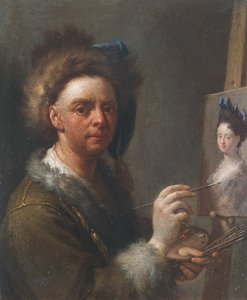
フランチェスコ・トレヴィザニ
1656 - 1746
基本情報
- Artistic Movement Or Style: 肖像画
- Artists Or Movements Influenced By This Artist: ['ヴァン・ダイク']
- Artists Who Influenced This Artist:
- レイリー
- ヴェリオ
- Date Of Birth: 1656年
- Date Of Death: 1746年
- Full Name: ニコラ・ド・ラルジエール
- Nationality: フランス人
- Notable Artworks:
- 老人と若い女性
- 書斎の学者
- Place Of Birth: パリ、フランス
関連記事

The Dramatic Flourish: Exploring the Baroque Movement's Enduring Legacy in Art History
Explore the dramatic world of Baroque art! Discover iconic artists like Caravaggio & Rubens, defining techniques, and its lasting impact on art history. Expert insights for collectors & enthusiasts at ArtsDot.

バロックのドラマ:現代のインテリアに壮麗さと情感を取り込む
バロック様式の歴史、絵画、家具の魅力をご紹介。ArtsDotでは、高品質な油絵複製やカスタムポートレートをご提供し、現代のインテリアに壮麗さと情感を取り入れます。アートコンサルテーションも承ります。

バロック美術を極めた至宝:時代を彩る10大名作の世界
バロック美術の華!カラヴァッジョ、ベルニーニら巨匠が創り上げた10大名作を徹底解剖。ドラマチックな色彩と豪華絢爛の世界観に触れ、至宝のアートプリントで空間を彩ろう。ArtsDot.comで美術館品質の複製と洗練されたインテリアを見つけましょう!

The Visceral Stage: Exploring Dramatic Narratives & Emotional Intensity in Baroque Art
Explore the dramatic world of Baroque art! Discover iconic masters like Caravaggio & Rembrandt, their techniques, and the movement's lasting impact. Expert insights for collectors & enthusiasts at ArtsDot.

Theatricality & Triumph: Baroque Drama in Painting & Sculpture
Explore the dramatic world of Baroque art! Discover its history, defining characteristics, & lasting influence on painting & sculpture. Expert insights into Caravaggio, Zurbarán, and Bernini – plus high-quality reproductions at ArtsDot.